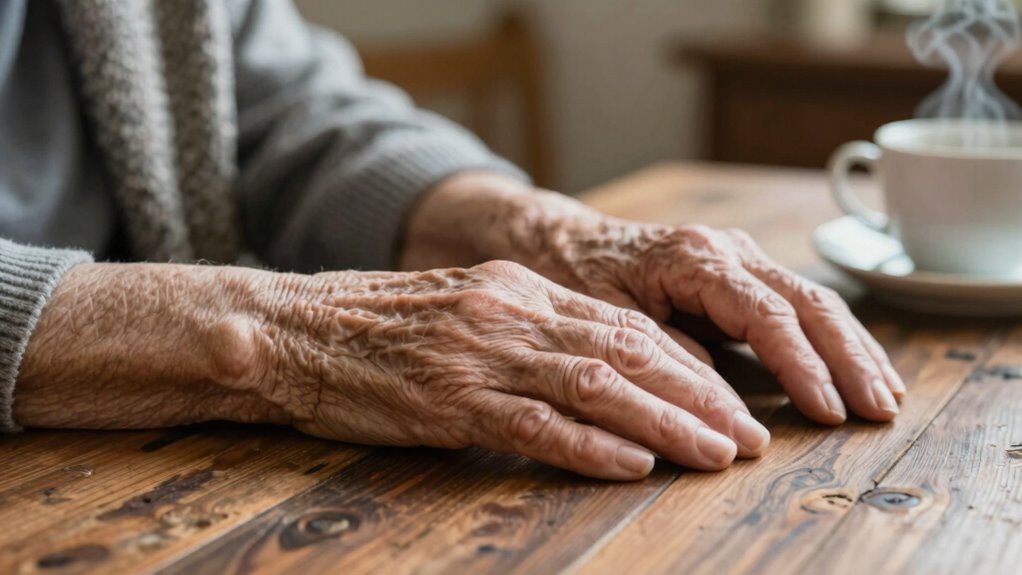

If you have anemia, your body can’t carry enough oxygen to your tissues, which makes you feel exhausted and drained. As you age, nutrient absorption declines, and chronic conditions or medications can worsen the problem. This combination causes fatigue that feels overwhelming and hard to shake. Recognizing early signs and managing underlying causes is key to restoring your energy. Keep exploring to understand how you can better handle or prevent this condition.

Turn quiet afternoons into listening time
- Thousands of audiobooks, podcasts and originals
- Listen on your phone, tablet or Echo — also offline
- Cancel anytime
Key Takeaways
- Anemia reduces oxygen delivery to tissues, causing fatigue and decreased stamina in older adults.
- Nutritional deficiencies like iron, B12, and folate impair red blood cell production, leading to tiredness.
- Chronic illnesses such as kidney disease and rheumatoid arthritis contribute to anemia-related fatigue.
- Certain medications can interfere with nutrient absorption or cause blood loss, worsening tiredness.
- Early detection and management improve energy levels and quality of life for older adults with anemia.

As you age, anemia becomes a common but often overlooked health issue that can considerably impact your quality of life. It’s more than just feeling tired; anemia can sap your energy, decrease your stamina, and make daily activities feel overwhelming. Understanding why this happens is key to managing it effectively. One of the primary causes of anemia in older adults is nutritional deficiencies. As you get older, your body might struggle to absorb nutrients like iron, vitamin B12, and folate, which are essential for producing healthy red blood cells. These deficiencies can develop quietly over time, especially if your diet isn’t well-balanced or if you have medical conditions that interfere with nutrient absorption. Addressing nutritional gaps through diet or supplements can sometimes reverse anemia, but it’s crucial to identify the underlying causes with your healthcare provider. Recognizing nutritional deficiencies early is vital because they are a leading cause of anemia in seniors.
Nutritional deficiencies like iron, B12, and folate often cause anemia in older adults.
Chronic disease management also plays a significant role in the development of anemia among seniors. Conditions such as kidney disease, rheumatoid arthritis, and diabetes often contribute to anemia by disrupting normal red blood cell production or increasing their destruction. For example, kidney disease reduces the production of erythropoietin, a hormone that stimulates red blood cell formation. Managing these chronic illnesses effectively can help control anemia symptoms. This might involve medication adjustments, lifestyle changes, or specific treatments aimed at reducing inflammation or supporting organ function. The key is to work closely with your healthcare team to develop a comprehensive plan that targets both the chronic condition and the anemia itself. Additionally, medication interactions can sometimes complicate anemia management, making regular monitoring essential for maintaining health. Being aware of symptom progression is important because anemia symptoms can worsen if not addressed promptly. Regular blood tests and health assessments become crucial tools in catching anemia early, especially since some symptoms can be subtle or mistaken for normal aging processes. Staying informed about health monitoring techniques can empower you to take proactive steps in your care.
Your risk for anemia also increases if you’re taking multiple medications, as some drugs can interfere with nutrient absorption or cause side effects like gastrointestinal bleeding, which can lead to blood loss. Regular check-ups and blood tests become vital tools in catching anemia early before it severely impacts your energy levels. Even mild anemia can cause feelings of fatigue that make everyday tasks feel exhausting. Recognizing the early signs allows you to implement dietary changes, medication adjustments, or other interventions to restore your energy.
Ultimately, understanding the interconnected factors—nutritional deficiencies and chronic disease management—empowers you to take control of your health. If you notice persistent fatigue or weakness, don’t ignore these symptoms. Addressing anemia head-on can improve your overall well-being, helping you enjoy a more active and fulfilling life as you age.
Frequently Asked Questions
Can Anemia Cause Cognitive Decline in Older Adults?
Yes, anemia can cause cognitive decline in older adults. It often leads to cognitive impairment and brain fog because your brain doesn’t get enough oxygen-rich blood. This shortage affects your mental clarity, concentration, and memory. When anemia isn’t treated, these cognitive issues can worsen over time. Addressing anemia promptly can help improve brain function and reduce the risk of ongoing cognitive decline.
Are There Specific Dietary Changes to Prevent Anemia?
Think of your diet as the fuel that keeps your engine running smoothly. To prevent anemia, you should load up on iron-rich foods like spinach, lean meats, and beans. Incorporate dietary supplements if recommended by your doctor to fill in any gaps. These small changes act like a well-tuned engine, boosting your blood health and energy, so you can keep moving through your day with strength and vigor.
How Does Anemia Affect Medication Effectiveness?
Anemia can reduce medication effectiveness by affecting medication absorption, making it harder for your body to process certain drugs. It may also lead to drug interactions that diminish how well medications work or cause side effects. You should inform your healthcare provider about your anemia, as they might adjust dosages or recommend alternative treatments to guarantee your medications work effectively and safely. Regular monitoring helps manage these impacts better.
What Are the Risks of Untreated Anemia?
Ignoring anemia’s risks is like sailing without a compass. If left untreated, you could face severe complications like heart problems, weakness, or even blood transfusions for critical cases. Iron supplementation might help, but in extreme cases, blood transfusions become necessary. Without intervention, your health deteriorates, increasing the chances of falls or hospitalizations. Addressing anemia early keeps your energy up and your body’s systems running smoothly.
Is Anemia More Common in Certain Ethnic Groups?
Yes, anemia is more common in certain ethnic groups. Ethnic disparities, such as higher rates among African Americans and Hispanics, stem from genetic predispositions that influence iron absorption and hemoglobin production. These differences can increase your risk, especially if you belong to these groups and have limited access to healthcare. Being aware of these disparities helps you seek early diagnosis and treatment, reducing fatigue and other anemia symptoms.
Conclusion
If you or someone you know starts feeling unexpectedly exhausted, don’t dismiss it as just aging. Behind that fatigue could be a hidden sign of anemia, a condition that silently impacts your energy and health. The real question is, what’s the next step? Will you ignore these warning signs or take action before it’s too late? The choice is yours—because uncovering the truth could change everything. Are you ready to find out what’s really going on?
Halloween Picks
halloween
As an affiliate, we earn on qualifying purchases.