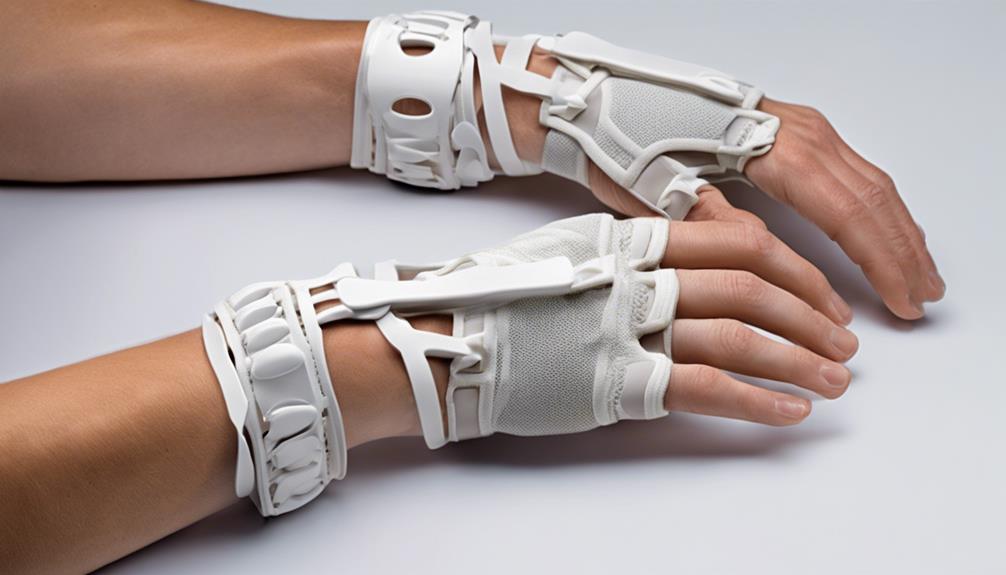
If you have arthritis, your care focuses on reducing inflammation, managing pain, and maintaining joint mobility through medications, physical therapy, and lifestyle changes. For osteoporosis, you need to focus on preventing fractures by strengthening bones with calcium, vitamin D, weight-bearing exercises, and medications that promote bone growth. Since these conditions differ—arthritis involving inflammation and osteoporosis involving bone loss—understanding these distinctions helps you choose the right treatment approach and stay active longer. Exploring further will reveal how tailored strategies make a real difference.
Key Takeaways
- Arthritis involves joint inflammation requiring anti-inflammatory treatments, while osteoporosis focuses on bone density preservation through calcium, vitamin D, and weight-bearing exercises.
- Managing arthritis aims to reduce joint pain and stiffness, whereas osteoporosis care emphasizes fracture prevention and strengthening bones.
- Early detection of arthritis targets controlling inflammation; osteoporosis management centers on monitoring bone density and preventing fractures.
- Treatment for arthritis may include disease-modifying drugs for severe inflammation, while osteoporosis often involves medications that slow bone resorption.
- Personalized care strategies are essential to maintain mobility and reduce pain, tailored to whether inflammation or bone fragility is the primary concern.

Have you ever wondered how arthritis differs from osteoporosis? While both conditions affect your bones and joints, they do so in very different ways. Arthritis primarily involves joint inflammation, which causes pain, swelling, and stiffness. It directly impacts the tissues that surround your joints, leading to discomfort and limited mobility. On the other hand, osteoporosis is a disease characterized by decreased bone density, making your bones fragile and more prone to fractures. Unlike arthritis, it doesn’t usually cause joint pain or inflammation but silently weakens your skeletal structure over time.
Understanding the distinction between these two conditions is essential for effective care. When dealing with arthritis, your focus should be on reducing joint inflammation and managing pain. Anti-inflammatory medications, physical therapy, and lifestyle changes like regular exercise can help keep joint inflammation under control. Maintaining flexibility and strengthening the muscles around affected joints not only reduces discomfort but also preserves function. Since inflammation can cause cartilage breakdown in conditions like rheumatoid arthritis, early intervention is key to preventing irreversible joint damage. Your healthcare provider might recommend disease-modifying drugs if the inflammation is severe, but the goal remains to control swelling and improve your quality of life.
Controlling joint inflammation and managing pain are vital for arthritis care.
In contrast, osteoporosis demands a different care approach centered around preserving bone density. Since this condition weakens bones without causing pain until fractures occur, preventative strategies are essential. You’ll want to guarantee adequate intake of calcium and vitamin D, which are necessary for healthy bone formation. Weight-bearing and resistance exercises are also effective in stimulating bone growth and slowing bone loss. Your doctor might prescribe medications that either slow bone resorption or promote new bone formation, depending on your specific needs. Regular bone density scans help monitor your progress and adjust treatment plans as necessary. The emphasis here is on strengthening your bones to prevent fractures rather than managing inflammation or joint pain.
It is also important to recognize that early detection plays a crucial role in managing both conditions effectively and preventing long-term complications. Ultimately, your care strategies for arthritis and osteoporosis are tailored to their unique characteristics. For arthritis, the priority is controlling joint inflammation and maintaining joint function. For osteoporosis, the focus is on preventing fractures through bone-strengthening measures. Recognizing these differences helps you and your healthcare team develop targeted, effective plans. Whether it’s managing inflammation or boosting bone density, understanding the distinct nature of each condition allows you to take proactive steps toward better health. The key is early detection and personalized treatment that addresses your specific risks and symptoms, guaranteeing you stay active and pain-free for as long as possible.
arthritis pain relief medication
As an affiliate, we earn on qualifying purchases.
As an affiliate, we earn on qualifying purchases.
Frequently Asked Questions
Can Both Conditions Occur Simultaneously in Patients?
Yes, you can have both arthritis and osteoporosis at the same time. Arthritis causes joint inflammation, leading to pain and stiffness, while osteoporosis decreases your bone density, making bones fragile. Managing both conditions requires a tailored approach, focusing on reducing joint inflammation and strengthening bones. Regular exercise, proper medication, and a healthy diet help address these issues simultaneously, improving your overall mobility and quality of life.
Are Dietary Changes Effective for Both Arthritis and Osteoporosis?
Think of dietary changes as the keys to uncover better health. For arthritis and osteoporosis, nutritional strategies are powerful tools. They can ease inflammation and strengthen bones, making your body’s fortress more resilient. Dietary impact is significant—adding anti-inflammatory foods and calcium-rich options helps manage symptoms and build bone density. While not a cure-all, these strategies support your overall well-being, turning everyday meals into allies in your health journey.
How Do Medications Differ in Treating These Conditions?
You use different medication types for arthritis and osteoporosis. For arthritis, NSAIDs and disease-modifying drugs reduce inflammation and slow joint damage, while corticosteroids can provide quick relief. In osteoporosis, your treatment approach focuses on bisphosphonates and calcium supplements to strengthen bones. These medications target distinct aspects of each condition: inflammation for arthritis and bone density for osteoporosis, ensuring effective symptom management and disease control.
What Are Early Warning Signs for Each Disease?
Imagine waking up with stiff joints that resist your movements, or feeling fragile bones that crack under gentle pressure. Early warning signs for arthritis include joint stiffness, swelling, and pain, often worse in the mornings. For osteoporosis, watch for bone fragility, sudden fractures, or loss of height over time. Recognizing these signs early helps you seek treatment promptly, preventing further damage and maintaining your quality of life.
Do Lifestyle Modifications Impact Both Conditions Equally?
Lifestyle modifications, including regular physical activity, markedly impact both arthritis and osteoporosis, but their benefits differ. Exercise benefits help reduce joint stiffness and improve bone density, supporting both conditions. You should focus on tailored physical activity that strengthens bones and maintains joint flexibility. While the approaches overlap, customizing your exercise plan based on your specific condition ensures maximum benefits, helping you manage symptoms and improve overall health.
osteoporosis bone density supplement
As an affiliate, we earn on qualifying purchases.
As an affiliate, we earn on qualifying purchases.
Conclusion
Understanding the delicate dance between arthritis and osteoporosis helps you navigate your health journey with confidence. Think of arthritis as a fiery storm that sparks inflammation, while osteoporosis is a silent, creeping shadow weakening your bones over time. By tailoring your care strategies, you can tame these opposing forces, turning your body into a resilient fortress rather than a fragile glass sculpture. Embrace knowledge and proactive care—your body’s symphony depends on it.
joint inflammation physical therapy tools
As an affiliate, we earn on qualifying purchases.
As an affiliate, we earn on qualifying purchases.
calcium vitamin D supplements for osteoporosis
As an affiliate, we earn on qualifying purchases.
As an affiliate, we earn on qualifying purchases.