

In daily senior care, you’ll notice essential tremor as involuntary shaking in the hands, head, or voice that can make tasks like eating, writing, or dressing difficult. You might see your loved one struggling to hold utensils steadily or button shirts comfortably. Their movements may seem unpredictable, and frustration can build. Understanding these signs helps you respond with patience and safety strategies. Keep exploring for ways to support their needs effectively and compassionately.

Turn quiet afternoons into listening time
- Thousands of audiobooks, podcasts and originals
- Listen on your phone, tablet or Echo — also offline
- Cancel anytime
Key Takeaways
- Involuntary shaking in hands, head, or voice that may interfere with daily tasks.
- Difficulty with fine motor activities like eating, writing, or buttoning clothing.
- Need for safety modifications to prevent falls and ensure a secure environment.
- Use of adaptive tools such as weighted utensils to improve control during activities.
- Caregiver patience and understanding to support emotional well-being and manage fluctuating tremors.
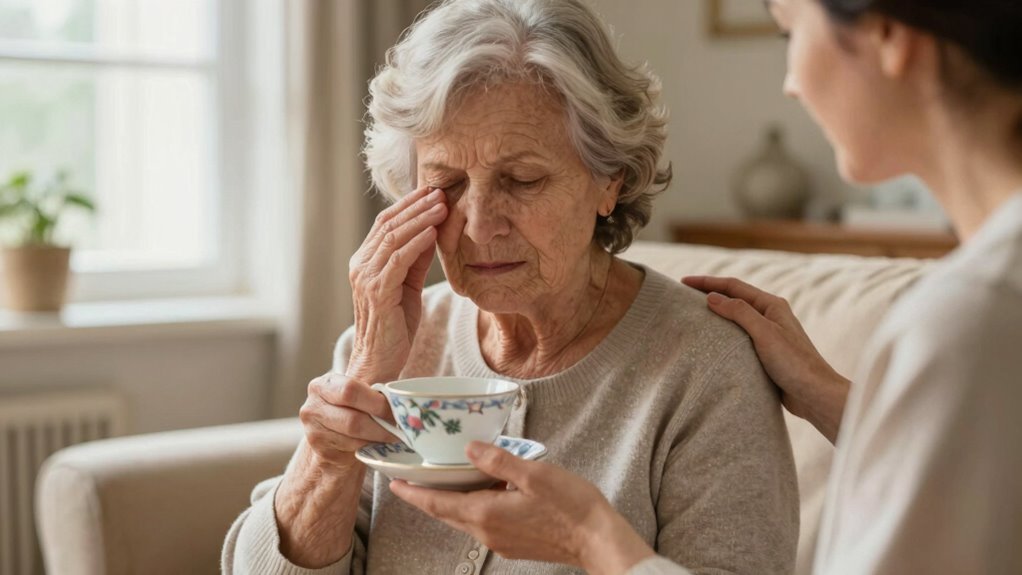
Essential tremor is a common neurological condition that often affects seniors, impacting their daily activities and quality of life. As a caregiver, you’ll notice that the tremors usually appear as involuntary shaking, often in the hands, head, or voice. These tremors can make simple tasks like eating, writing, or dressing challenging. You might see your loved one struggling to hold utensils steadily or experiencing difficulty buttoning a shirt. Recognizing these signs early helps you better understand what they’re going through and how to assist them effectively.
Managing medication is a fundamental part of addressing essential tremor. You’ll need to guarantee your loved one takes prescribed medicines consistently and at the right times. Sometimes, medications like beta-blockers or anticonvulsants are prescribed to reduce the severity of tremors. Regular medication management means keeping track of doses, monitoring for side effects, and communicating with healthcare providers about any changes in symptoms. This ongoing process helps maintain stability in their daily life and prevents unnecessary discomfort or complications.
Consistently managing medication and monitoring side effects helps maintain stability and comfort for loved ones with essential tremor.
Caregiver training plays an indispensable role in helping you support someone with essential tremor. Proper training equips you with strategies to assist with daily tasks and manage the tremors safely. For example, you’ll learn techniques to stabilize the affected limbs or to adapt activities to minimize frustration. You’ll also understand how to create a safe environment—removing clutter, using non-slip mats, or installing grab bars—to prevent falls. As tremors can fluctuate, being attentive allows you to respond quickly and calmly, reducing anxiety for both of you.
In daily care, patience and understanding are key. You might need to modify how you assist with tasks, breaking them into smaller, manageable steps. Using weighted utensils or writing tools can help your loved one maintain better control. Supporting independence is essential, so encourage them to do what they can, offering help only when necessary. Your role includes not just physical assistance but also emotional support, reassuring them that they’re still capable despite the tremors. Additionally, understanding the neurological nature of essential tremor can help foster empathy and patience during daily interactions.
As an affiliate, we earn on qualifying purchases.
Frequently Asked Questions
Can Essential Tremor Be Mistaken for Parkinson’s Disease?
Yes, essential tremor can be mistaken for Parkinson’s disease because of symptom overlap, especially in early stages. In differential diagnosis, you’ll notice essential tremor mainly causes shaking during movement, while Parkinson’s often presents with resting tremors, rigidity, and slowed movements. Careful assessment of these differences helps prevent misdiagnosis, ensuring seniors receive the appropriate treatment and support they need.
Are There Specific Safety Precautions for Seniors With Tremors?
To protect seniors with tremors, prioritize precise, proactive precautions. You should focus on fostering home safety and fall prevention—securing rugs, installing grab bars, and removing clutter. Consistently monitor mobility and medication effects, encouraging steady movements. Support their safety with strategic safeguards, reducing risks of falls and injuries. Staying vigilant and vigilant helps maintain their independence while preventing preventable mishaps, making daily life safer and smoother.
How Does Medication Affect Daily Tremor Management?
Medication can considerably reduce your tremors, helping you manage daily tasks better. However, you should be aware of potential medication side effects like drowsiness or dizziness, which might impact your safety. Regular dosage adjustments are often necessary to find the right balance between effectiveness and side effects. Always communicate with your healthcare provider about how your tremors respond to medication, so your treatment plan stays safe and effective.
Can Lifestyle Changes Improve Tremor Symptoms?
Yes, lifestyle adjustments and exercise routines can help improve tremor symptoms. You might find that reducing caffeine intake and managing stress through relaxation techniques lessen tremors. Incorporate gentle exercises like yoga or tai chi, which promote muscle control and coordination. Regular activity can strengthen your muscles and improve stability, making daily tasks easier. These changes won’t eliminate tremors but can considerably enhance your overall quality of life.
What Support Options Are Available for Seniors With Tremors?
Did you know that over 10 million Americans live with essential tremor? As a caregiver, you can support seniors by introducing assistive devices like weighted utensils or tremor-canceling tools, making daily tasks easier. Additionally, caregiver training helps you understand tremor management techniques, ensuring safety and independence. Your proactive support can markedly improve their quality of life, helping them maintain confidence despite their condition.
Conclusion
Understanding essential tremor helps you provide better care for seniors. With about 4.6 million Americans over 65 affected, recognizing signs early can improve their quality of life. You can assist with daily tasks and offer reassurance, making a real difference. Remember, patience and empathy are key. By staying informed, you guarantee your loved ones feel supported and understood, helping them maintain independence and dignity despite their challenges.
Cold & flu season Picks
humidifiers
As an affiliate, we earn on qualifying purchases.