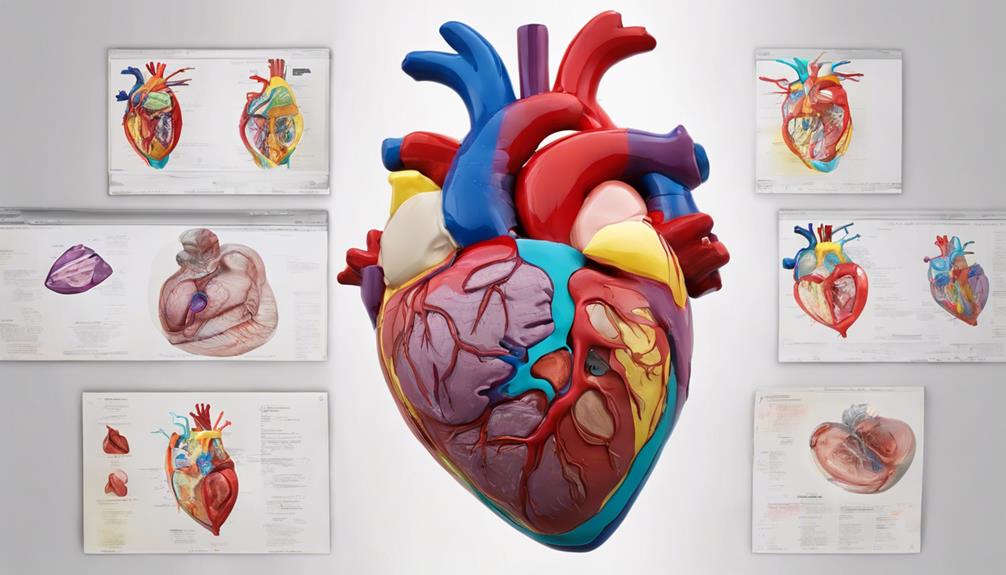

To care for someone with congestive heart failure daily, guarantee medications are taken correctly, monitor symptoms like swelling and breathlessness, and track their weight for signs of fluid retention. Support their emotional well-being by offering reassurance and listening. Maintain a low-sodium diet, encourage gentle activity, and assure they get enough rest. Keep the environment safe and organized, and communicate with healthcare providers regularly. Continuing this guide will help you manage their needs more effectively.
Key Takeaways
- Monitor daily weight, breathing, swelling, and energy levels to detect early signs of deterioration.
- Administer medications on schedule, track doses, and report side effects promptly.
- Maintain a low-sodium diet, manage fluid intake, and encourage gentle activity per healthcare guidance.
- Keep a symptom and medication journal, noting changes and communicating with healthcare providers regularly.
- Ensure a safe, supportive environment with home safety measures, emotional reassurance, and assistance with daily tasks.

Caring for someone with congestive heart failure can be challenging, but your support is essential in managing their condition. One of the most important aspects is medication management. You need to ensure they take their medications exactly as prescribed, at the right times, and in the correct doses. Keeping a medication schedule can help prevent missed doses or accidental overdosing. Use a pill organizer or set alarms to remind both of you when it’s time to take medications. It’s also imperative to monitor for side effects or any adverse reactions, and report these to their healthcare provider promptly. Staying organized with their prescriptions reduces the risk of complications and helps keep their condition under control.
Alongside managing medications, providing emotional support plays a crucial role in their daily well-being. Living with congestive heart failure can bring feelings of frustration, anxiety, or depression. Your empathy and understanding help them feel less isolated and more motivated to adhere to treatment plans. Encourage open conversations about how they’re feeling physically and emotionally. Offer reassurance during difficult moments, and celebrate small victories to boost their morale. Sometimes, just being present and listening can make a significant difference in their mental health.
Daily check-ins are also essential. Observe their breathing, energy levels, and swelling in the legs or ankles. Keep track of weight changes daily, as sudden weight gain might signal fluid retention, which requires immediate attention. Maintaining a healthy, low-sodium diet supports their heart health, so help prepare meals that adhere to dietary restrictions. Encourage gentle activity as recommended by their healthcare team, but don’t push beyond their limits. Rest is equally important, so create a calm, comfortable environment for relaxation.
You should also manage their fluid intake according to medical advice, making sure they don’t drink too much or too little. Keeping a journal can be helpful to monitor symptoms, medication schedules, and emotional states. It provides valuable information for healthcare appointments and helps catch early signs of deterioration. Remember, consistent communication with their medical team is key. If symptoms worsen or new issues arise, seek professional guidance immediately.
Additionally, proper home safety measures can help prevent accidents and ensure their environment supports their health needs. Finally, your emotional support isn’t just about words—it’s about showing patience, understanding, and compassion every day. Your dedication helps your loved one feel cared for and supported, making the daily challenges of congestive heart failure more manageable. With your active involvement, they’ll feel less overwhelmed and more empowered to face each day.

MAHOMICO Power Lift Recliner Chair for Elderly with Vibration Massage and Lumbar Heating, Electric Lift Recliner Single Sofa with Side Pocket, Two Cup Holders and USB Charge Port for Living Room
𝗣𝗼𝘄𝗲𝗿 𝗟𝗶𝗳𝘁 𝗥𝗲𝗰𝗹𝗶𝗻𝗲𝗿 𝗖𝗵𝗮𝗶𝗿: Elevate your relaxation with the MAHOMICO power recliner chair. This advanced lift chair recliner...
As an affiliate, we earn on qualifying purchases.
Frequently Asked Questions
How Can I Tell if Their Condition Is Worsening Suddenly?
If their condition worsens suddenly, you’ll notice symptoms like increased shortness of breath, swelling, or fatigue. Keep a close eye on symptom monitoring and note any new or worsening signs. Stay prepared for emergencies by having their medication and emergency contacts ready. If you see sudden changes or severe symptoms, don’t hesitate—seek emergency care immediately to guarantee they get the help they need promptly.
Are There Specific Activities I Should Avoid?
You should avoid strenuous activities and exercise restrictions that might strain their heart. Keep activities gentle and within their comfort zone, and avoid lifting heavy objects. Also, adhere to dietary limitations, such as low-salt and fluid restrictions, to prevent fluid buildup. Always check with their healthcare provider before introducing new activities or making dietary changes, and monitor their response to ensure they don’t experience worsening symptoms.
How Do I Manage Medication Side Effects?
Ever wonder how to handle medication side effects? You should monitor for symptoms like dizziness or nausea and consult the healthcare provider. Managing medication interactions is essential, so inform all doctors about current meds. Dietary adjustments, like reducing salt intake, can also lessen side effects. Regular check-ups help catch issues early, ensuring your loved one stays safe and comfortable while managing their medication regimen effectively.
What Emergency Signs Require Immediate Medical Attention?
If your loved one shows signs like severe shortness of breath, chest pain, sudden swelling, or fainting, seek emergency medical attention immediately. These heart failure symptoms indicate a crisis that requires urgent care. Stay prepared for emergencies by keeping contact numbers handy and knowing how to respond quickly. Recognizing these signs and practicing emergency preparedness can make a vital difference in managing their condition effectively.
How Can I Support Their Mental and Emotional Health?
You can support their mental and emotional health by offering emotional support through active listening and reassurance. Encourage open conversations about their feelings and fears, helping them feel understood. Promote stress management techniques like gentle exercise, relaxation exercises, or hobbies they enjoy. Remind them they’re not alone, and your presence makes a difference. Small acts of kindness and patience go a long way in helping them cope emotionally with their condition.
Amazon Product B0F62GYY19
As an affiliate, we earn on qualifying purchases.
Conclusion
By following this daily checklist, you’re building a safety net that catches potential issues before they become crises. Think of it as tending a delicate garden—each small act nurtures their health, preventing weeds of complication from taking root. Your attentive care becomes a steady hand guiding them through each day, turning challenges into manageable steps. Remember, your dedication is the lighthouse illuminating their path toward stability and comfort amidst the storm.

BOSMILLER Power Lift Recliner Chair for Elderly with Vibration Massage and Lumbar Heating Electric Oversized Single Sofa with Cup Holder and USB Charge Port for Living Room
【𝗘𝗳𝗳𝗼𝗿𝘁𝗹𝗲𝘀𝘀 𝗣𝗼𝘄𝗲𝗿 𝗟𝗶𝗳𝘁 𝗥𝗲𝗰𝗹𝗶𝗻𝗲】:Upgrade your living room comfort with our oversized power lift recliner chair for seniors. Designed...
As an affiliate, we earn on qualifying purchases.

CANMOV Large Power Lift Recliner Chairs with Massage and Heat for Elderly Big People, Heavy Duty Motion Reclining Mechanism-Anti Skid Fabric Recliner Chair with 2 Concealed Cup Holders,Dark Gray
Extended Backrest & Deeper Seat: This power lift chair is featured by extra large appearance, which make it...
As an affiliate, we earn on qualifying purchases.