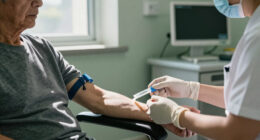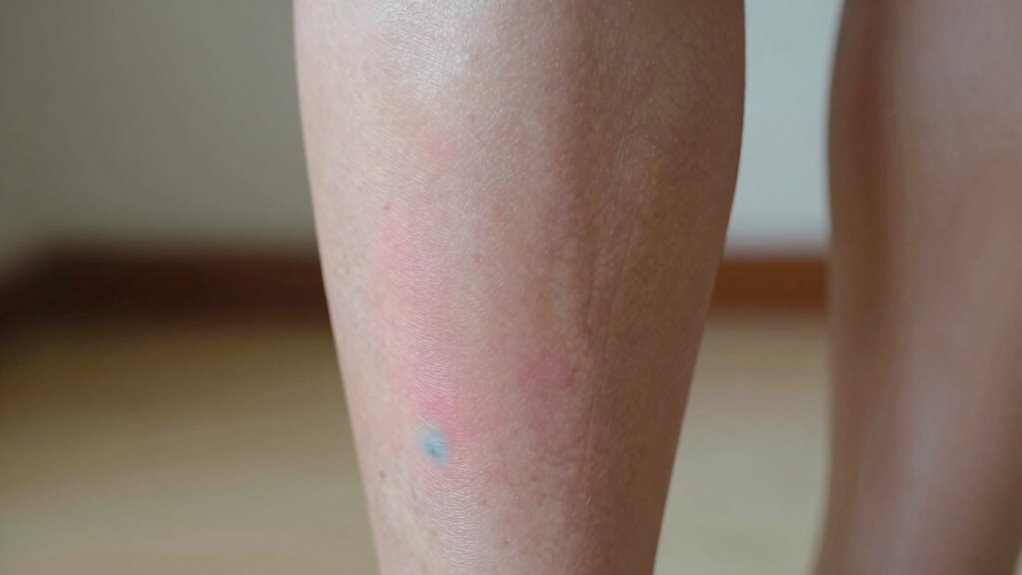

As a caregiver, it’s important to recognize that swelling and skin changes often signal edema, which can lead to discomfort or infections if not managed properly. Keep a close eye on swollen areas for redness, warmth, sores, or skin breakdown, and maintain good skin hygiene. Following medication schedules and monitoring for signs of complications help prevent worsening conditions. Staying alert and proactive is key. To understand more about what these signs mean and how to respond effectively, continue exploring this important topic.

Turn quiet afternoons into listening time
- Thousands of audiobooks, podcasts and originals
- Listen on your phone, tablet or Echo — also offline
- Cancel anytime
Key Takeaways
- Edema causes swelling and skin changes, requiring careful monitoring for signs of skin breakdown or infection.
- Regular skin inspection helps detect early skin integrity issues and prevents ulcers or infections.
- Proper skin care, including cleaning and moisturizing, promotes healing and reduces discomfort from swelling.
- Prompt reporting of skin or swelling changes allows timely medical intervention to prevent complications.
- Managing medication adherence and lifestyle modifications can effectively reduce edema and improve skin health.
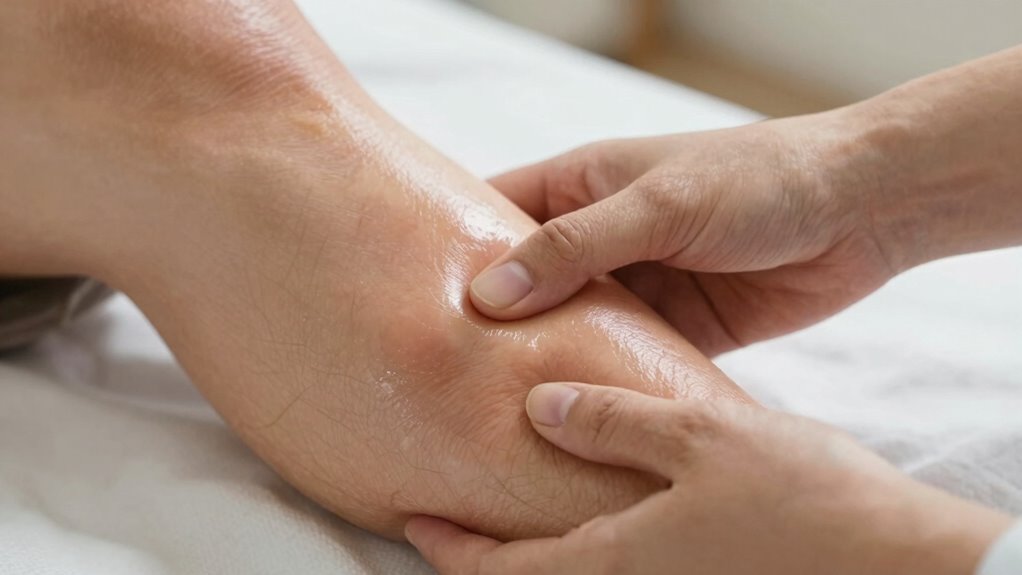
Medication management is another key aspect of caring for someone with edema. You need to stay vigilant about prescribed medications, such as diuretics, which help the body eliminate excess fluid. Strict adherence is necessary, so ensure medications are taken exactly as prescribed and at consistent times. Keep a medication schedule and watch for any side effects or signs of adverse reactions, reporting these to the healthcare provider promptly. Sometimes, medications need adjusting, and your attentiveness can help catch issues early. It’s also essential to communicate with the healthcare team about the person’s response to treatment and any new symptoms, like increased swelling, pain, or skin changes. Managing medications properly not only reduces swelling but also helps prevent potential complications like skin infections or ulcers.
Beyond lifestyle adjustments and medication management, paying close attention to the skin is key. Swollen areas are more prone to skin breakdown, infections, or ulcers. Regularly check the skin for redness, warmth, or sores, and keep it clean and moisturized. If you notice any skin changes, inform the healthcare provider immediately. Proper skin care supports healing and prevents further issues that could worsen swelling or cause discomfort. Additionally, understanding the importance of medication adherence can significantly improve the effectiveness of treatment and reduce risks associated with improper medication use. Being aware of edema’s signs and causes** can also help in early detection and intervention. Recognizing the importance of prompt treatment** can make a meaningful difference in managing symptoms effectively.
Furthermore, educating yourself about the role of lifestyle modifications can empower you to implement additional supportive measures in daily routines. Being a caregiver means staying proactive and informed. Educate yourself about edema’s signs and causes, and never hesitate to seek professional advice when necessary. With attentive lifestyle adjustments, careful medication management, and vigilant skin care, you can help manage edema effectively, improving your loved one’s comfort and health. Your involvement makes a real difference in their recovery and quality of life.
As an affiliate, we earn on qualifying purchases.
Frequently Asked Questions
Can Edema Be a Sign of a Serious Underlying Condition?
Yes, edema can indicate serious underlying causes, especially if it persists or worsens. You should be alert if it’s linked to chronic conditions like heart, kidney, or liver problems. Edema may also signal infections or blood clots. As a caregiver, monitor your loved one closely, and seek medical advice promptly to identify and treat any underlying causes, ensuring their health and safety.
How Quickly Should Swelling Be Addressed by a Caregiver?
You should address swelling promptly, especially if it worsens or is accompanied by pain, redness, or warmth. Start with diet adjustments like reducing salt intake and encourage gentle exercise routines to improve circulation. Keep an eye on the swelling’s progression and consult a healthcare professional if it persists or worsens, as early intervention can prevent complications and help manage underlying causes effectively.
Are There Specific Foods That Can Help Reduce Edema?
You can try incorporating dietary interventions with anti-inflammatory foods to help reduce edema. Focus on eating more fruits, vegetables, and whole grains, which provide antioxidants and fiber. Incorporate foods rich in omega-3 fatty acids like salmon and walnuts, and reduce salt intake to prevent fluid retention. Staying well-hydrated also supports your body’s natural ability to manage swelling. These dietary changes can work alongside other treatments to improve edema.
What Home Remedies Are Effective for Minor Swelling?
For minor swelling, you can try herbal compresses to soothe the area and reduce inflammation. Elevation techniques are also effective; raise the swollen limb above heart level to encourage fluid drainage. Applying a cold pack can help too. Remember, stay active to promote circulation, and avoid tight clothing around the swollen area. These simple home remedies can often provide relief and support your body’s natural healing process.
When Should Caregivers Seek Emergency Medical Help for Edema?
You should seek emergency medical help immediately if you notice signs like severe swelling, sudden chest pain, difficulty breathing, or swelling accompanied by redness or warmth. Don’t wait—these emergency symptoms require prompt action. Ignoring them could worsen the situation or lead to serious health risks. Trust your instincts, and when in doubt, get professional help right away to guarantee the person’s safety and proper care.
Conclusion
Understanding edema is vital for your loved one’s well-being. By recognizing the signs and knowing how to care for swollen skin, you can make a real difference in their comfort and health. Will you take the steps needed to monitor and support them, ensuring they feel cared for and safe? Remember, your attentive care not only reduces swelling but also shows your loved one they’re not alone in this journey.
Halloween Picks
halloween
As an affiliate, we earn on qualifying purchases.