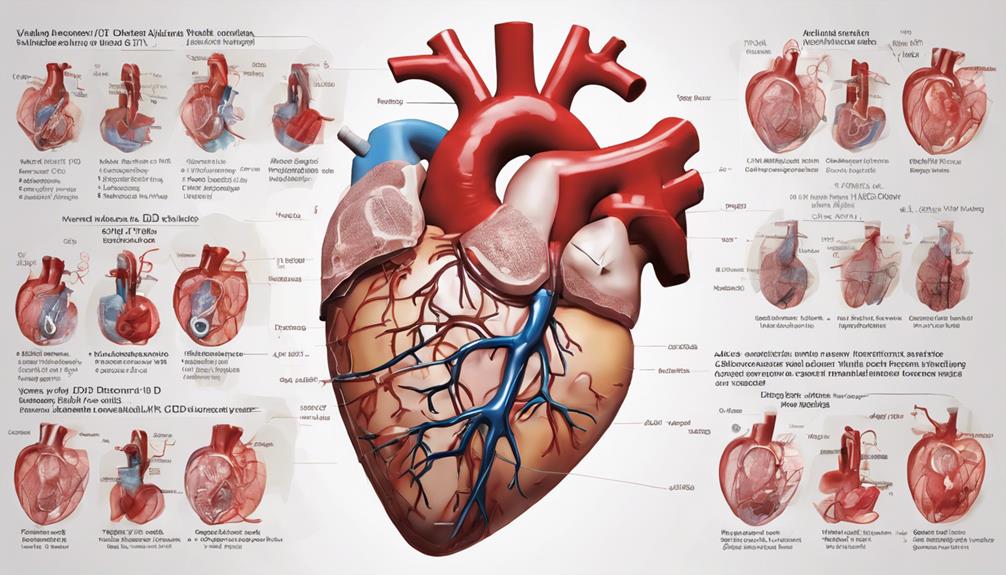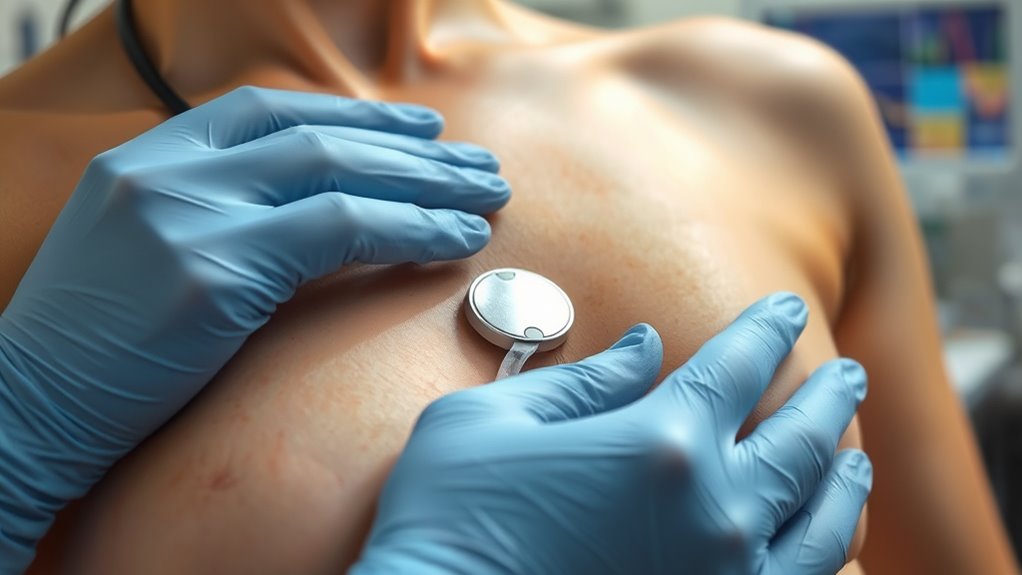

As a caregiver, it’s important to understand how to care for patients with pacemakers and defibrillators. You should monitor device function regularly, be alert to any alerts or symptoms, and avoid placing electronic devices over the implant site. In emergencies, knowing how to respond with CPR or using an AED can save lives. Additionally, inform others about the device during medical encounters. Continuing this guidance will help you feel prepared to make certain of safety and proper care.
Key Takeaways
- Regular monitoring and follow-up appointments are essential for device function and detecting complications.
- Be aware of safety precautions, such as avoiding placing cell phones or electronics directly over the device site.
- Recognize emergency signs, and know how to respond with CPR or using an external defibrillator if needed.
- Inform emergency responders about the implanted device during medical emergencies for proper care.
- Understand device alerts and symptoms, and contact healthcare providers promptly for any concerns.
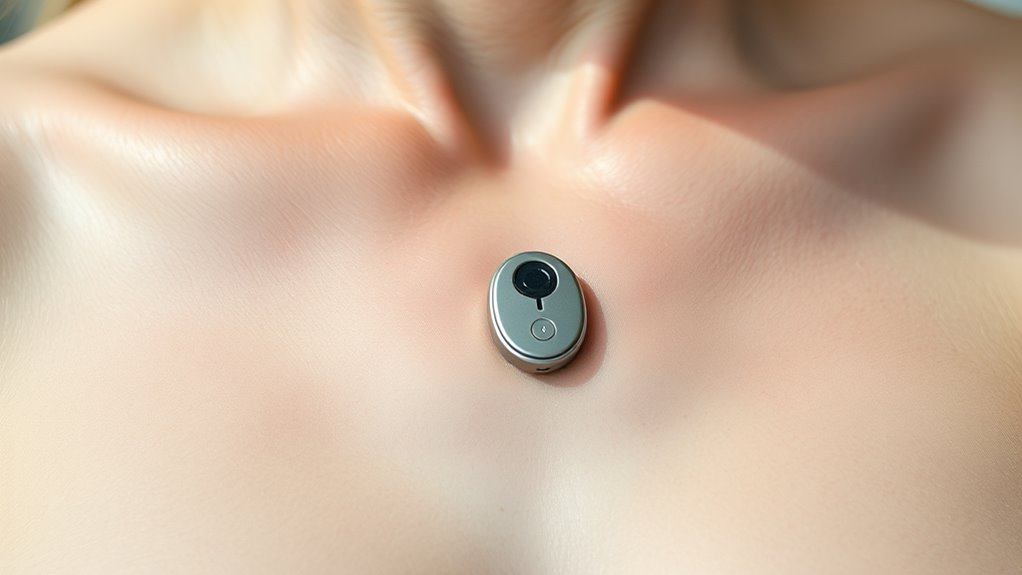
Have you ever wondered how your heart’s rhythm can be regulated when it beats irregularly or too slowly? That’s where pacemakers and defibrillators come into play, devices designed to keep your heart beating properly. If you’re caring for someone with one of these devices, understanding the essential steps involved in device implantation and emergency protocols is essential. These devices are often implanted surgically under local anesthesia, a procedure that involves placing the device just beneath the skin, typically near the collarbone. During implantation, the surgeon threads thin wires, called leads, into the heart chambers. These leads deliver electrical signals to prompt the heart to beat regularly or, in the case of defibrillators, deliver shocks when dangerous arrhythmias occur. After implantation, you’ll need to monitor the device regularly, making sure it functions correctly and that there are no signs of infection or other complications. Your role includes helping the patient schedule follow-up appointments for device checks, which are critical for adjusting settings and ensuring longevity.
In emergency situations, knowing the protocols is essential. If the person with a device collapses or shows signs of a cardiac emergency, call emergency services immediately. While defibrillators are designed to deliver lifesaving shocks automatically, external defibrillators—AEDs—are also available for public use and can be applied to the patient’s chest if necessary. It’s important to stay calm and make sure the person is lying flat on their back, performing CPR if trained, until professional help arrives. If the device’s manufacturer guidelines specify, avoid placing a cell phone or other electronic device directly over the implant site, as this can interfere with the device’s functioning. Also, inform emergency responders about the implanted device so they can take appropriate precautions and avoid unnecessary shocks or damage during treatment.
You should be aware that certain medical procedures, like MRI scans, may require special protocols or device deactivation, so always inform healthcare providers about the presence of the pacemaker or defibrillator. Likewise, if the device ever emits a warning or beeping sound, contact the healthcare provider immediately. Regularly checking in on the patient’s symptoms and any device alerts is part of your care responsibilities. Remember, the goal is to maintain the device’s critical function and make sure safety during emergencies. With proper knowledge of device implantation and emergency protocols, you’ll be better equipped to support someone with a pacemaker or defibrillator, providing peace of mind and essential assistance when it matters most.
Frequently Asked Questions
Can I Travel Internationally With My Device?
Yes, you can travel internationally with your device, but you should take travel precautions. Carry your device identification card and inform security staff about your pacemaker or defibrillator before airport security screening. You might need to request alternative screening methods, like a pat-down, to avoid airport security scanners that could interfere with your device. Always consult your healthcare provider before traveling and plan ahead to make certain a smooth journey.
How Do I Handle Device Recalls or Malfunctions?
If your device has a recall or malfunction, follow the device recall protocols immediately. Contact your healthcare provider to report the issue and get guidance on troubleshooting or replacement. Keep track of any symptoms or irregularities, and avoid interfering with the device. Your provider may recommend diagnostic tests or adjustments. Always stay informed about updates from the device manufacturer and maintain regular check-ups to guarantee your device functions properly.
Are There Specific Medications Incompatible With My Device?
Did you know that certain medications can interfere with pacemakers and defibrillators? You should always check drug compatibility because medications interactions can affect device performance. Some drugs, like certain antihistamines or stimulants, may cause issues. Always consult your healthcare provider before starting new medicines, and inform them about your device. Staying informed helps guarantee your device works correctly and keeps you safe.
What Should I Do During a Medical MRI Scan?
During an MRI scan, you should inform the medical staff about your device for safety and MRI precautions. They’ll likely check if your pacemaker or defibrillator is MRI-compatible. You must stay still and follow all instructions closely to prevent device interference or malfunction. Always communicate any discomfort immediately. Your safety depends on complying with these precautions, and the staff will monitor your device throughout the procedure to ensure device safety.
How Often Should the Device Be Checked or Maintained?
Did you know that most pacemakers and defibrillators require device monitoring every 3 to 12 months? You should follow your healthcare provider’s maintenance schedule closely to guarantee ideal device function. Regular check-ups help catch potential issues early. Keep track of these appointments, and if you notice any symptoms, contact your healthcare team promptly. Proper device monitoring is essential for your loved one’s safety and peace of mind.
Conclusion
Think of your loved one’s pacemaker or defibrillator as a trusted co-pilot, always ready to steer them clear of danger. Just like a GPS keeps you on track, these devices help keep hearts beating steadily, reducing sudden risks by up to 80%. By staying informed and following your healthcare provider’s advice, you’re ensuring your loved one’s heart stays on the right path. Together, you’re charting a safer, healthier journey ahead.