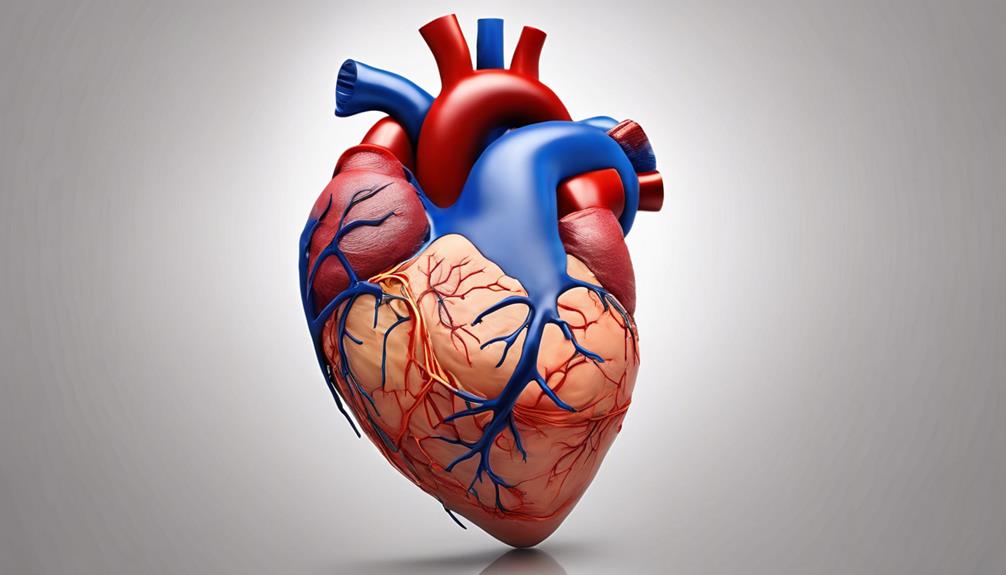

Recognizing a heart attack involves noticing symptoms like chest discomfort, pain in the arms, back, neck, jaw, or stomach, shortness of breath, cold sweat, nausea, or dizziness. Keep in mind that symptoms can differ, especially for women, who may experience fatigue or indigestion. If you suspect a heart attack, don’t delay—call emergency services immediately and stay calm. Acting fast saves lives, and understanding the signs can help you respond effectively in critical moments.
Key Takeaways
- Identify common signs like chest pressure, pain in arms, neck, or jaw, and shortness of breath, as early indicators of a heart attack.
- Be aware of atypical symptoms such as fatigue, dizziness, or indigestion, especially in women.
- If you suspect a heart attack, call emergency services immediately without waiting for all symptoms to appear.
- Keep the person calm, seated, and encourage them to stay still; avoid physical activity to prevent worsening their condition.
- Administer first aid, including aspirin if available, and use an AED if the person is unresponsive and trained to do so.

Recognizing the symptoms of a heart attack can save your life or someone else’s. Heart attacks don’t always present with dramatic chest pain, so understanding the signs is essential. If you notice someone exhibiting symptoms, acting quickly can make all the difference. Being aware of risk factors, such as high blood pressure, high cholesterol, smoking, obesity, diabetes, and a family history of heart disease, helps you stay vigilant. These factors increase the likelihood of a heart attack, making it important to recognize early warning signs. When symptoms appear, your immediate response determines the outcome. Knowing how to react and initiating the right emergency response can substantially improve survival chances.
Common signs include chest discomfort—pressure, squeezing, or pain that lasts more than a few minutes or comes and goes. You might also experience pain or discomfort in other areas, such as the arms, back, neck, jaw, or stomach. Shortness of breath often accompanies chest pain, and some people feel a cold sweat, nausea, or lightheadedness. These symptoms can vary from person to person, especially between men and women. Women might experience atypical signs like fatigue, dizziness, or indigestion, which makes awareness even more critical for all genders. Recognizing that symptoms can differ between individuals is vital for timely intervention.
If you suspect a heart attack, don’t wait for all symptoms to be present or for pain to intensify. Early recognition allows you to initiate an emergency response immediately. Call emergency services right away—do not attempt to drive yourself to the hospital. Paramedics are trained to provide life-saving interventions, such as administering oxygen, aspirin, or other medications, en route. While waiting for help, encourage the person to stay calm and seated, as physical activity can worsen the condition. If they are unconscious and unresponsive, start CPR if you’re trained, pressing hard and fast in the center of the chest. Using an automated external defibrillator (AED), if available, can also boost survival odds. Being aware of heart attack symptoms and knowing how to act can significantly improve outcomes.
Frequently Asked Questions
Can Women Experience Different Heart Attack Symptoms Than Men?
Yes, women can experience different heart attack symptoms than men due to gender differences in symptom presentation. While chest pain is common in men, women often have subtler signs like nausea, shortness of breath, or back pain. You should be aware of these gender differences because recognizing less typical symptoms can help you seek prompt medical care, potentially saving your life or someone else’s.
Are There Age Groups More at Risk for Silent Heart Attacks?
You’re more at risk for silent heart attacks if you’re over 65 or have age-related risk factors like high blood pressure or diabetes. As you age, your arteries can stiffen, making silent attacks more likely without obvious symptoms. These factors increase your chances of an unnoticed event. Staying attentive to your health and regular checkups helps catch warning signs early, especially if you fall into higher age groups.
How Does Stress Influence Heart Attack Symptoms?
Stress impact can substantially influence heart attack symptoms by increasing your blood pressure and heart rate, which strains your heart. Emotional triggers like anxiety or intense anger may also amplify symptoms or make them harder to recognize. When you’re under stress, you might ignore warning signs or dismiss them as normal, delaying help. Managing stress through relaxation techniques and seeking support can reduce this impact and improve your heart health.
Can Heart Attack Symptoms Vary in People With Diabetes?
Yes, heart attack symptoms can vary in people with diabetes. Poor diabetes management and fluctuating blood sugar levels may mask typical signs like chest pain, making symptoms less obvious. You might experience unusual fatigue, shortness of breath, or nausea instead. It’s vital to monitor your blood sugar closely and seek emergency care if you notice any atypical symptoms, as prompt treatment can save your life.
Are There Early Warning Signs Before a Heart Attack Occurs?
Imagine a gentle warning whisper before a storm—preliminary chest discomfort and unusual fatigue act like that. You might notice a slight tightness or pressure in your chest, or feel unusually tired despite rest. These signs often appear hours or days before a heart attack. Pay attention to your body’s subtle hints; early recognition can help you seek prompt care and potentially prevent a more serious situation.
Conclusion
Remember, spotting the signs of a heart attack is like reading the warning signs on a stormy horizon—you can’t afford to ignore them. By acting swiftly, you become the hero in your own story, much like the brave figures in ancient tales who face adversity head-on. Trust your instincts, respond immediately, and you could be the difference between life and death. Don’t wait for the storm to pass—take action now and protect your heart’s future.