
Managing stress is crucial for your heart health. Practice mindfulness meditation daily to increase emotional awareness and reduce stress responses. Incorporate simple breathing exercises, like inhaling slowly through your nose and exhaling through your mouth, to relax quickly whenever tension rises. Combining these techniques helps lower blood pressure and improves emotional resilience. Consistent effort can greatly reduce your risk of complications. Keep exploring ways to incorporate these practices into your routine for better long-term heart health.
Key Takeaways
- Practice mindfulness meditation daily to enhance emotional awareness and regulate stress responses.
- Use deep breathing exercises, inhaling through the nose for four seconds and exhaling through the mouth for six, during stressful moments.
- Combine mindfulness and breathing techniques regularly to build resilience and promote cardiovascular health.
- Dedicate short daily routines, such as morning or bedtime meditation, to maintain consistent stress management habits.
- These accessible practices help lower blood pressure, reduce anxiety, and support overall heart health in heart disease patients.

Managing stress is essential for heart disease patients because chronic stress can worsen your condition and increase the risk of complications. When stress builds up, it triggers your body’s fight-or-flight response, releasing hormones like adrenaline and cortisol. Over time, these hormones can raise your blood pressure, increase your heart rate, and cause inflammation—all factors that strain your cardiovascular system. To counteract these effects, incorporating stress management techniques such as mindfulness meditation and breathing exercises can be incredibly beneficial. These practices help you calm your mind and regulate your body’s stress response, promoting overall heart health.
Managing stress is vital for heart health; techniques like meditation and breathing exercises help calm your mind and reduce cardiovascular strain.
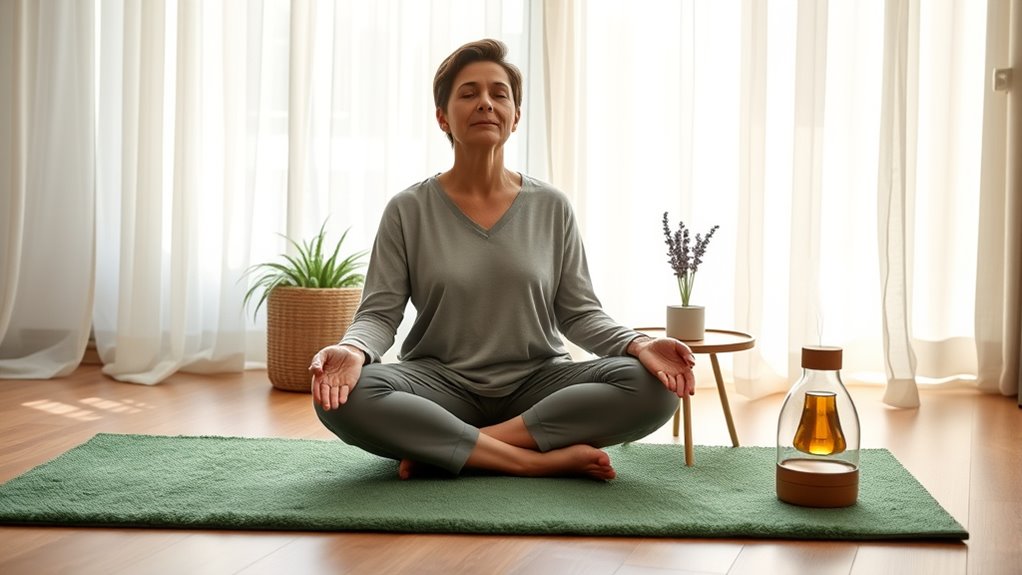
Mindfulness meditation involves paying close attention to your breath, sensations, and thoughts without judgment. By dedicating just a few minutes each day to this practice, you can develop greater awareness of your emotional states and learn to observe stress triggers without reacting impulsively. This heightened awareness can prevent stress from escalating and help you respond more calmly to challenging situations. Regular mindfulness meditation has been shown to lower blood pressure, reduce anxiety, and improve emotional resilience—key factors for managing heart disease effectively.
Breathing exercises are another powerful tool you can use anytime you feel overwhelmed. Deep, controlled breathing helps activate your parasympathetic nervous system—the part responsible for relaxation and recovery—counteracting the stress response. Try inhaling slowly through your nose for a count of four, holding your breath briefly, then exhaling gently through your mouth for a count of six. Repeat this process several times until you notice your heart rate slowing and your muscles relaxing. Breathing exercises are simple to do and can be practiced anywhere, making them a quick and effective way to manage acute stress episodes.
Combining mindfulness meditation and breathing exercises creates a thorough approach to stress management. When practiced consistently, these techniques can help you develop a sense of calm even during stressful moments, reducing the impact of stress on your heart. You might find it helpful to set aside a few minutes each day for mindfulness meditation, perhaps in the morning or before bed, and use breathing exercises whenever you feel tension rising. Over time, these habits can become second nature, empowering you to take control of your emotional well-being and protect your heart health.
Ultimately, integrating mindfulness meditation and breathing exercises into your daily routine can make a significant difference. They’re accessible, easy to learn, and have proven benefits for reducing stress and supporting cardiovascular health. Taking these small but impactful steps can help you better manage stress, improve your quality of life, and lower your risk of heart disease complications. Developing emotional resilience through consistent practice can further enhance your ability to cope with stressors effectively.
Frequently Asked Questions
Can Stress Management Techniques Replace Medication for Heart Disease?
Stress management techniques can’t fully replace medication for heart disease. They serve as valuable complementary approaches, including alternative therapies and lifestyle modifications, that help reduce stress and improve your overall heart health. You should always follow your healthcare provider’s advice and continue prescribed treatments. Combining medication with stress management can optimize your health, but never rely solely on techniques without medical guidance for managing heart disease effectively.
Are There Any Activities to Avoid When Managing Stress With Heart Disease?
You should avoid activities with exercise hazards, like intense or strenuous workouts, as they can strain your heart. Also, steer clear of activities that conflict with your dietary restrictions, such as overeating or consuming foods that worsen your condition. Instead, focus on gentle activities like walking or yoga, and stick to your approved diet. Always consult your doctor before trying new stress-relief methods to keep your heart safe.
How Quickly Can Stress Reduction Improve Heart Health?
Stress reduction can markedly improve your heart health within weeks, supporting your heart recovery. When you actively manage stress, it lowers blood pressure, reduces inflammation, and eases the workload on your heart. Consistent stress management techniques, like deep breathing or meditation, can lead to noticeable improvements in your overall heart health fairly quickly. Keep practicing these methods daily to help your heart recover faster and maintain long-term well-being.
What Are the Signs of Stress Overload in Heart Patients?
You might notice signs of stress overload in your body, like a rapid heart rate and increased muscle tension. You could feel anxious, irritable, or exhausted, and your sleep might suffer. Physical symptoms such as headaches or chest tightness are common, and you may find it harder to relax. Recognizing these signs helps you take action to manage stress, protecting your heart health and overall well-being.
Is Professional Therapy Necessary for Effective Stress Management?
Think of stress as a storm cloud over your heart; professional therapy can be your lighthouse guiding you safely through. While mindfulness meditation and breathing exercises are powerful tools, therapy offers personalized support to navigate complex emotions and develop coping strategies. If stress feels overwhelming or persistent, seeking professional help is a smart move—it’s like having an expert sailor by your side, helping you steer toward calmer waters.
Conclusion
Managing stress is vital if you have heart disease, as it can profoundly impact your health. Techniques like deep breathing, regular exercise, and mindfulness can make a real difference. Did you know that reducing stress can lower your risk of heart attack by up to 30%? By taking simple steps to manage stress daily, you empower yourself to improve your heart health and enjoy a better quality of life. Start today—you’ve got this!