

After a major heart event, you should plan your travel carefully. Know where the nearest medical facilities are and keep their contact info handy. Carry enough medication, in original containers, with a doctor’s note, and pack extras for delays. Rest often, stay hydrated, avoid strenuous activity, and wear comfortable shoes. Keep medications accessible, follow your doctor’s advice, and monitor your symptoms. To discover more tips on how to guarantee your safety on the go, keep exploring.

Turn quiet afternoons into listening time
- Thousands of audiobooks, podcasts and originals
- Listen on your phone, tablet or Echo — also offline
- Cancel anytime
Key Takeaways
- Consult your healthcare provider for clearance and personalized travel recommendations before planning your trip.
- Carry all medications, prescriptions, and a doctor’s note, and keep them accessible in your carry-on luggage.
- Schedule regular rest periods, stay hydrated, and avoid strenuous activities during travel.
- Know the location of nearby medical facilities at your destination and have emergency contact information readily available.
- Monitor for symptoms like chest pain or dizziness, and seek medical attention immediately if they occur during travel.
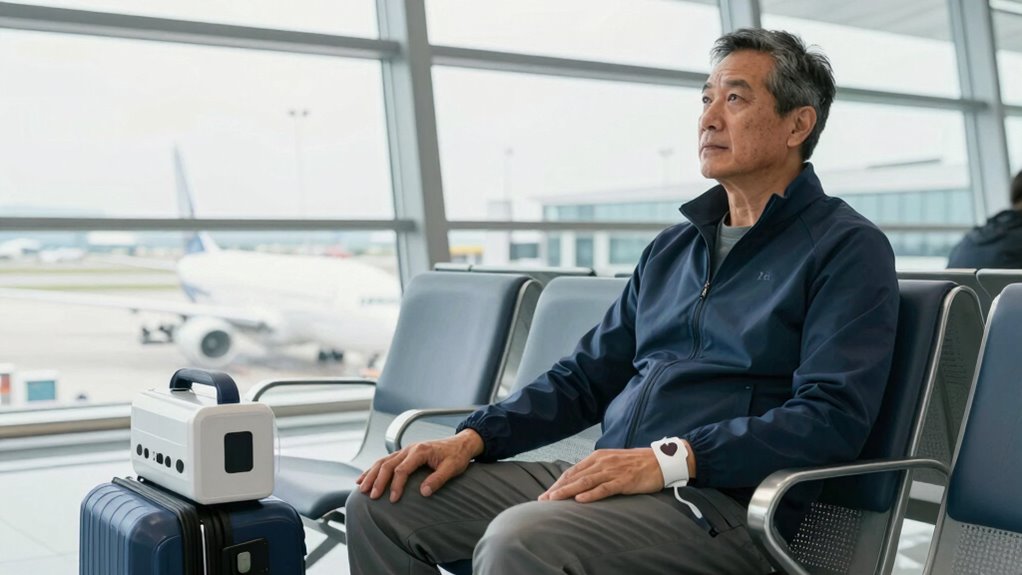
Traveling after a major heart event requires careful planning to guarantee your safety and peace of mind. Your journey should be approached with caution, ensuring all aspects of your health are managed properly. One of the most important steps is to focus on emergency preparedness. Before you hit the road or board a plane, make sure you have a clear plan in place. Know the location of the nearest hospitals or medical facilities at your destination, and keep their contact information handy. Carry a list of your current medications, including dosages and prescribing doctors. This information can be invaluable in case of an emergency, allowing medical personnel to understand your condition quickly and provide appropriate treatment.
Plan ahead with emergency contacts and medication details for safe, worry-free travel after a heart event.
Medication management becomes a critical part of your travel preparation. Make sure you pack enough medication to cover your entire trip, plus a little extra in case of delays. Use a pill organizer to keep your medications sorted by day and time to avoid missed doses. Keep your medications in their original containers, along with prescriptions, in case you need to show them to medical professionals. Always store your medications in a carry-on bag rather than checked luggage, preventing loss or exposure to extreme temperatures. Remember to carry a copy of your prescription or a doctor’s note that verifies your need for these medications. This can be especially helpful when going through security checks or dealing with unfamiliar pharmacy policies abroad. Additionally, being aware of your emergency response options can help you act swiftly if needed. Furthermore, understanding the importance of medication adherence while traveling can prevent complications and ensure your recovery stays on track. Staying informed about travel health tips can also help you manage unforeseen issues during your trip.
As you plan your travel, consider your activity level and the pace of your trip. Avoid overly strenuous activities or overly long days that can strain your heart. Schedule plenty of rest periods and stay well-hydrated. Wear comfortable, supportive shoes and clothing to reduce physical stress. If you’re traveling with others, inform them about your condition and your emergency plan. Having someone who understands your health needs can be a lifesaver if you experience symptoms like chest pain, shortness of breath, or dizziness.
Throughout your journey, stay vigilant for signs that your condition may be worsening. Keep your medications readily accessible, and don’t hesitate to seek medical attention if you feel unwell. Regularly check in with your healthcare provider before and after your trip to ensure your travel plans align with your recovery status. By taking these steps—focusing on emergency preparedness and meticulous medication management—you can make your travel experience safer, more comfortable, and less stressful.
As an affiliate, we earn on qualifying purchases.
Frequently Asked Questions
Can I Travel Internationally After a Heart Event?
Yes, you can travel internationally after a heart event, but you should consult your doctor first. They’ll assess your recovery and advise on necessary precautions. Incorporate lifestyle modifications like managing stress and medication adherence, and seek emotional support to stay confident. Make sure you carry your medications, have access to medical care abroad, and plan for emergencies. Proper planning helps you enjoy your trip safely and comfortably.
What Emergency Medications Should I Carry While Traveling?
Research suggests carrying emergency medications is vital for heart event travelers. You should pack medications like nitroglycerin, aspirin, and beta-blockers in their original containers for proper medication storage. Always keep a copy of your prescription. Additionally, carry a list of emergency contacts, including your doctor and local medical facilities, in case you need quick assistance. These steps help guarantee you’re prepared and safe during your journey.
How Do I Handle Travel Delays or Cancellations?
When facing travel delays or cancellations, you should stay calm and prioritize medication management by keeping your emergency medications easily accessible. Contact your emergency contacts to inform them of the situation and seek advice if needed. Keep a copy of your medical details and travel documents handy. If symptoms worsen, seek medical assistance promptly. Planning ahead guarantees you handle delays confidently and safely, protecting your health during the journey.
Are There Specific Travel Insurance Considerations for Heart Patients?
Did you know that heart conditions are a common reason for travel insurance claims? As a heart patient, you should look for policies that cover pre-existing conditions, because many exclude these from coverage. Always read the fine print for policy exclusions related to your heart health. Choosing the right travel insurance guarantees you’re protected against surprises, giving you peace of mind so you can enjoy your trip safely.
How Soon Can I Resume Strenuous Activities Post-Travel?
You should wait at least a week or until your doctor clears you before resuming strenuous activities post-travel. During this time, exercise precautions by gradually increasing activity levels and avoiding overexertion. Incorporate travel fitness routines like gentle stretching and light walking to rebuild your strength safely. Always listen to your body, and consult your healthcare provider before resuming intense exercise, especially after a major heart event.
Conclusion
Remember, safety always comes first, especially after a major heart event. Stick to your doctor’s advice, plan your trips carefully, and listen to your body. Don’t rush into adventures before you’re ready. As the saying goes, “A journey of a thousand miles begins with a single step,” so take it slow and steady. With patience and caution, you can enjoy travel while keeping your heart safe and strong.
Halloween Picks
halloween
As an affiliate, we earn on qualifying purchases.