
TL;DR

Turn quiet afternoons into listening time
- Thousands of audiobooks, podcasts and originals
- Listen on your phone, tablet or Echo — also offline
- Cancel anytime
Search interest in xylitol’s cardiovascular effects has surged amid ongoing research. A new study is exploring potential risks, but conclusive results are not yet available. The development highlights the need for further investigation.
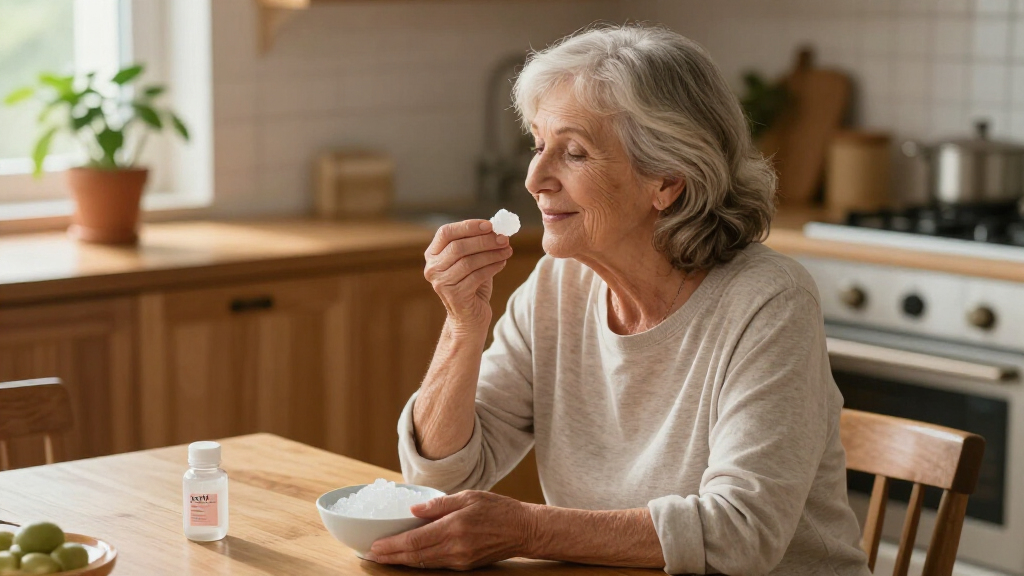
A recent study examining the potential cardiovascular risks associated with xylitol has garnered increased attention, with search interest in the topic spiking in the United States. While the research is still in early stages and no definitive conclusions have been announced, the development has sparked discussions among health professionals and consumers about the safety of xylitol, a common sugar substitute.
The study, whose details are yet to be fully disclosed, is reportedly investigating whether regular consumption of xylitol could influence heart health, including impacts on blood pressure, cholesterol levels, or arterial function. Experts caution that the research is preliminary, and no peer-reviewed results have been published at this stage. The surge in online searches—reaching approximately 50,000 in the US—reflects growing public curiosity and concern about the safety of xylitol, which is widely used in sugar-free gum, candies, and oral health products.
Health authorities and researchers emphasize that current evidence does not confirm any direct link between xylitol and cardiovascular disease. The study’s origin appears to be part of broader investigations into sugar substitutes and their long-term health effects, but specifics remain undisclosed. There is no official statement from regulatory agencies or the study’s sponsoring institutions confirming the findings or potential risks at this time.
Potential Impact of Xylitol on Heart Health
If future research confirms that xylitol poses cardiovascular risks, it could lead to changes in dietary guidelines and product formulations. Consumers who regularly use xylitol-based products might need to reconsider their intake, especially those with existing heart conditions or risk factors. The controversy underscores the importance of rigorous scientific evaluation of widely used food additives, which are often perceived as safe due to their natural or low-calorie reputation.
However, experts warn that premature conclusions could cause unnecessary alarm. The current lack of peer-reviewed data means that health recommendations cannot be altered until more definitive evidence emerges. The situation highlights the ongoing debate over artificial and natural sugar substitutes and their long-term health implications.
As an affiliate, we earn on qualifying purchases.
Background on Xylitol and Research Trends
Xylitol is a sugar alcohol commonly used as a sweetener in sugar-free products, praised for its dental benefits and lower caloric content compared to sugar. Its safety profile has been generally regarded as favorable, with regulatory agencies such as the FDA classifying it as safe for consumption. Over recent years, scientific interest in sugar substitutes has increased, driven by concerns over sugar-related health issues like obesity, diabetes, and cardiovascular disease.
The current spike in search interest coincides with a broader trend of scrutinizing food additives, though no specific studies had previously linked xylitol to heart health risks. Past research has focused more on dental health and gastrointestinal effects, with limited data on cardiovascular outcomes. The new study appears to be part of an emerging effort to understand the long-term effects of sugar alcohols, but details remain unconfirmed.
Unconfirmed Status of Xylitol Cardiovascular Risks
It is not yet clear whether the ongoing study will establish a definitive link between xylitol and cardiovascular health issues. Details about the methodology, sample size, and preliminary findings have not been publicly disclosed, and peer-reviewed results are pending. Experts caution against jumping to conclusions until the research is complete and validated.
Monitoring Future Research and Official Statements
The next steps involve awaiting the publication of peer-reviewed results and official statements from health authorities. Researchers are expected to release more detailed findings in the coming months, which will determine whether dietary recommendations need revision. Meanwhile, consumers are advised to stay informed through reputable sources and consult healthcare professionals regarding their use of xylitol.
Key Questions
Is xylitol safe to consume currently?
Yes, according to current regulatory assessments, xylitol is considered safe for most consumers. No conclusive evidence links it to cardiovascular risks at this time.
What are the potential health concerns associated with xylitol?
Existing concerns mainly relate to gastrointestinal issues and its effects on blood sugar levels. Cardiovascular risks are still under investigation and have not been confirmed.
When will the study results be available?
There is no confirmed timeline for publication. Researchers are expected to release more information in the coming months, but exact dates are not yet known.
Should I stop using xylitol products now?
Experts recommend continuing current use until definitive evidence emerges. If you have specific health concerns, consult your healthcare provider.
How does this development compare to previous research?
This is the first known investigation specifically exploring xylitol’s potential cardiovascular effects, marking an emerging area of scientific inquiry.
Source: google-trends
Halloween Picks
halloween
As an affiliate, we earn on qualifying purchases.