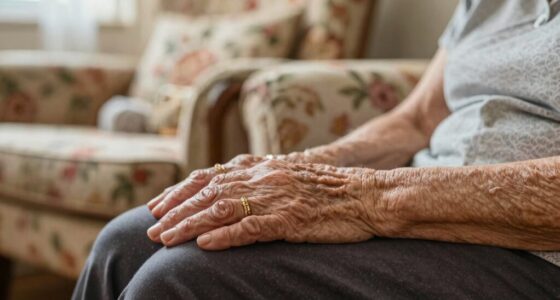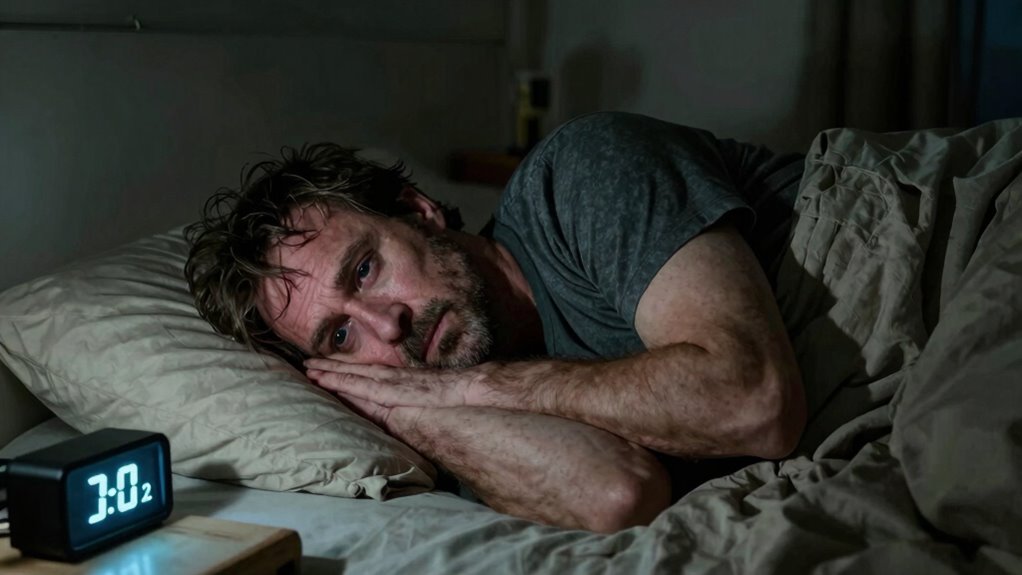

Poor sleep can make age-related conditions worse by increasing inflammation, which worsens arthritis and heart issues. When you don’t sleep well, your circadian rhythms become disrupted, affecting hormone balance and tissue repair. Lack of restorative sleep also raises cortisol levels, leading to weight gain and insulin resistance, which complicate conditions like diabetes and hypertension. Over time, these effects speed up cognitive decline and increase the risk of neurodegenerative diseases. Keep going to discover strategies that can help improve your sleep and health.

Turn quiet afternoons into listening time
- Thousands of audiobooks, podcasts and originals
- Listen on your phone, tablet or Echo — also offline
- Cancel anytime
Key Takeaways
- Poor sleep increases inflammation, exacerbating conditions like arthritis and cardiovascular disease.
- Disrupted sleep impairs blood sugar regulation, worsening diabetes management.
- Sleep deprivation elevates cortisol levels, promoting weight gain and insulin resistance.
- Inadequate sleep hampers toxin clearance in the brain, accelerating cognitive decline and neurodegeneration.
- Fragmented sleep disrupts circadian rhythms, impairing tissue repair and overall health resilience.
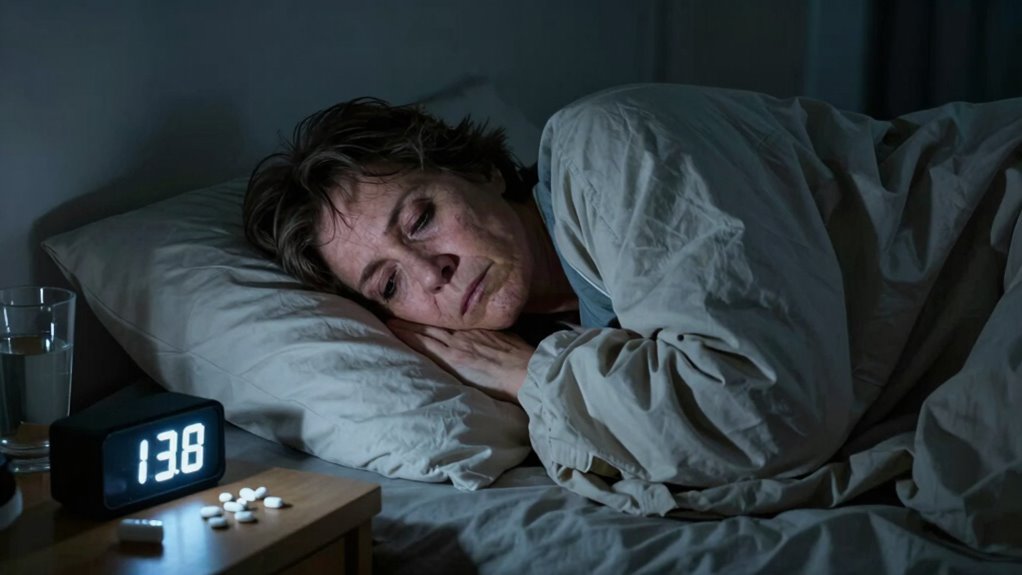
Have you ever wondered how sleep changes as you age and what impact those changes have on your health? As you grow older, your sleep patterns tend to shift, often becoming lighter and more fragmented. These changes can disrupt your sleep hygiene—your daily habits that promote restful sleep—and interfere with your body’s natural circadian rhythms, the internal clock that regulates sleep-wake cycles. When your sleep hygiene deteriorates or your circadian rhythms become misaligned, it sets off a chain reaction that worsens other age-related conditions.
Poor sleep leads to more than just feeling tired; it impacts your immune system, mental health, and metabolic functions. For instance, inadequate sleep can elevate inflammation in your body, which is already a concern as inflammation is linked to conditions like arthritis and cardiovascular disease. When your sleep is disrupted, your body produces fewer anti-inflammatory hormones, making it harder to combat these chronic issues. This creates a cycle where poor sleep fuels inflammation, worsening joint pain or heart problems, which in turn makes restful sleep even more elusive.
Your circadian rhythms play an essential role in maintaining overall health, guiding processes like hormone release, body temperature, and alertness levels. As you age, these rhythms often become less synchronized with your environment, especially if you’re not practicing good sleep hygiene. Light exposure, physical activity, and consistent sleep schedules help keep these rhythms aligned. When disrupted, they can cause insomnia or early awakening, reducing your overall sleep quality. This lack of restorative sleep hampers your body’s ability to repair tissues, regulate blood sugar, and manage stress—all indispensable for preventing age-related conditions like diabetes and cognitive decline. Supporting healthy circadian rhythms can significantly improve sleep quality and overall health, especially when combined with lifestyle adjustments. Additionally, maintaining a balanced sleep-wake cycle can help reinforce these rhythms, leading to better long-term health outcomes. Proper exposure to natural light during the day and minimizing artificial light at night are vital in maintaining these cycles, as they influence melatonin production and overall circadian health.
Poor sleep isn’t just a symptom of aging; it actively worsens existing health issues. For example, if you’re managing hypertension or type 2 diabetes, insufficient sleep can make it harder to control blood pressure and blood sugar levels. Sleep deprivation triggers hormonal imbalances—like increased cortisol—that promote weight gain and insulin resistance. These effects make managing your conditions more difficult, creating a vicious cycle. Additionally, chronic sleep deprivation is linked to cognitive decline and a higher risk of developing neurodegenerative diseases such as Alzheimer’s. Sleep is essential for clearing toxins from your brain, and when it’s compromised, those toxins build up, accelerating cognitive deterioration.
Furthermore, understanding the importance of biodiversity in our environment reveals how interconnected our health is with the natural world—healthy ecosystems support the natural cycles that regulate our sleep and well-being. Disruptions to natural environmental cycles can further disturb our internal clocks, making it even more challenging to maintain healthy sleep patterns. The loss of natural light cycles, in particular, can have a profound impact on our circadian health. In essence, maintaining good sleep hygiene and supporting your circadian rhythms are indispensable to preventing sleep from worsening other age-related health conditions. Prioritizing consistent sleep routines, limiting light exposure at night, and creating a restful environment help guarantee your sleep remains restorative. When you protect your sleep quality, you’re actively supporting your overall health, resilience, and quality of life as you age. Recognizing the impact of natural environmental factors can motivate you to optimize your surroundings for better sleep and health.
sleep aid pillow for better rest
As an affiliate, we earn on qualifying purchases.
As an affiliate, we earn on qualifying purchases.
Frequently Asked Questions
Can Improving Sleep Reverse Age-Related Health Issues?
Improving sleep can positively impact age-related health issues, but it may not fully reverse them. By increasing your sleep duration and enhancing dream patterns, you support cellular repair, boost immune function, and reduce inflammation. Consistent, quality sleep helps your body recover and maintain health. While it might not completely reverse existing conditions, better sleep markedly slows their progression and improves overall well-being, making aging more manageable.
How Does Sleep Quality Change With Age?
As you age, your sleep quality tends to decline due to changes in sleep architecture, like reduced deep sleep and REM stages. Circadian shifts cause your internal clock to delay, making you feel sleepy later at night and wake up earlier. These changes can lead to fragmented sleep, difficulty falling asleep, and less restorative rest, which can impact overall health and exacerbate age-related conditions.
Are Certain Sleep Disorders More Common in Older Adults?
You might find that certain sleep disorders, like sleep apnea and restless legs syndrome, become more common as you age—like unwelcome guests arriving uninvited. Sleep apnea, characterized by breathing pauses, affects many older adults, while restless legs syndrome causes uncomfortable sensations that disrupt sleep. These conditions often go undiagnosed, but recognizing them early can help you take steps to improve your sleep quality and overall health.
What Are Quick Tips to Improve Sleep Hygiene?
To improve sleep hygiene, start by optimizing your sleep environment—keep your room cool, dark, and quiet. Establish a consistent bedtime routine to signal your body it’s time to wind down, like reading or gentle stretching. Avoid screens and caffeine before bed. By creating a relaxing environment and sticking to a routine, you’ll help your body relax and fall asleep more easily, leading to better overall sleep quality.
Does Sleep Medication Help With Age-Related Conditions?
Sleep medication can provide temporary relief, but it often isn’t a long-term solution for age-related conditions. It may help you fall asleep faster, but it doesn’t address underlying issues. Natural remedies like melatonin, relaxation techniques, and good sleep hygiene are safer options that support overall health. Always consult your healthcare provider before using sleep medication, especially as you age, to guarantee it’s appropriate and safe for your needs.
Conclusion
So, next time you’re tempted to skimp on sleep, remember—you’re not just risking dark circles or zombie-like mornings. Poor sleep sets the stage for age-related conditions to throw a wild party in your body. Think of it as inviting chaos with open arms. Sleep isn’t just beauty rest; it’s your secret weapon. Skimp on it, and you’re basically giving aging a VIP pass to crash your party—so, hit the hay, hero.
Cold & flu season Picks
humidifiers
As an affiliate, we earn on qualifying purchases.