To prevent skin tears in seniors, keep skin moisturized, avoid rough or sharp surfaces, and use assistive devices to prevent falls or bumps. Maintain good indoor air quality and make sure your home is safe by removing tripping hazards. Proper nutrition and hydration support skin health and healing. Using advanced dressings like hydrocolloids or silicone gels can protect fragile skin if injuries occur. Staying proactive and attentive helps safeguard your loved ones—there’s more to discover if you continue exploring this topic.

Get comfort and care essentials delivered free — and shop member deals
- Fast, free delivery on millions of items
- Access to Prime Big Deal Days deals on October 6–7
- Prime Video, Amazon Music and more included
Key Takeaways
- Keep skin moisturized to prevent dryness and reduce tear risk.
- Remove tripping hazards and use assistive devices to prevent falls and bumps.
- Regularly assess skin for early signs of thinning or damage.
- Use protective, moisture-retaining dressings for existing skin tears.
- Ensure proper nutrition and hydration to support skin healing and strength.
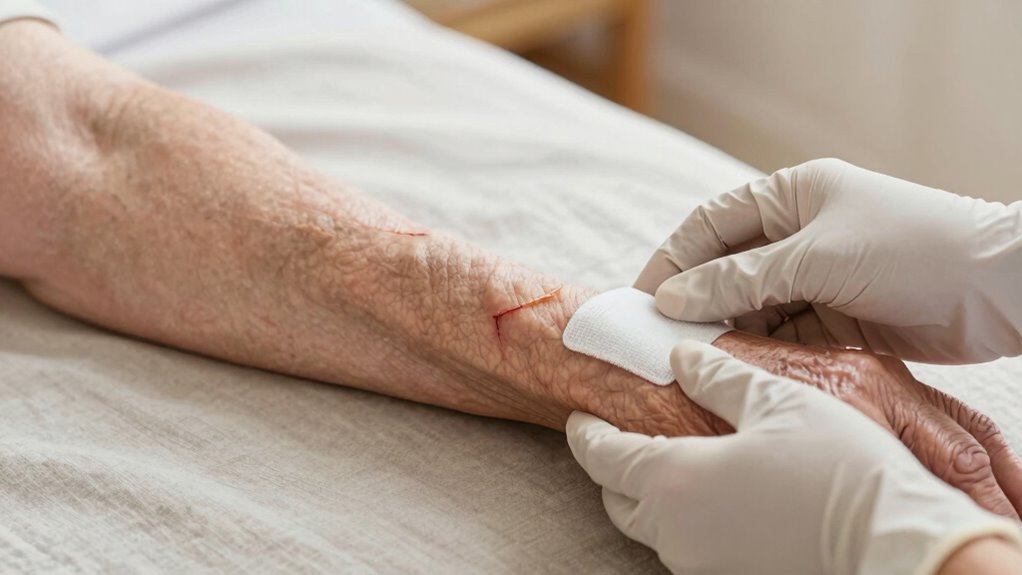
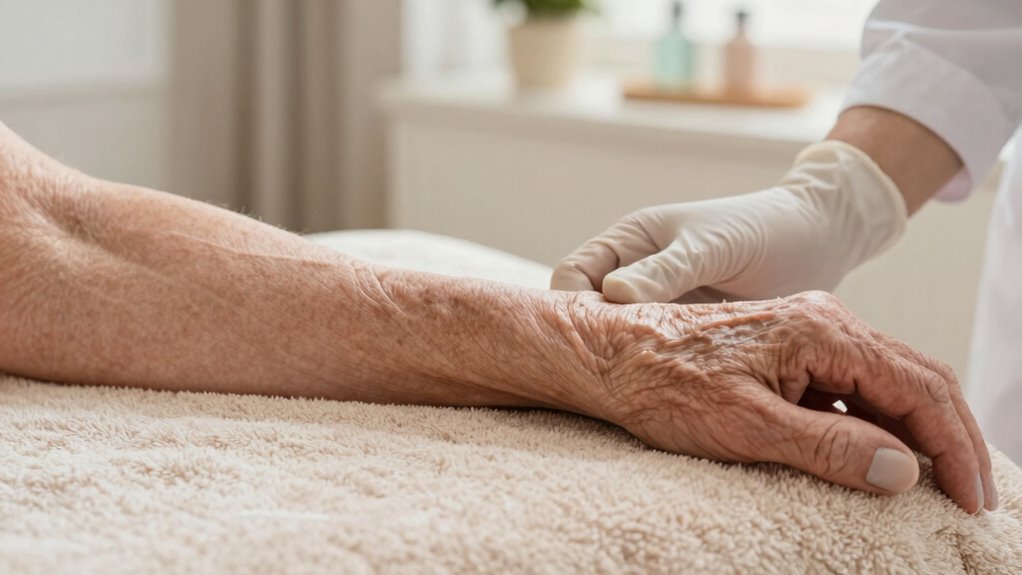
Have you ever wondered why skin tears are so common among seniors? As you age, your skin becomes thinner, more fragile, and less elastic, making it much more vulnerable to tears from minor bumps or friction. These tears can quickly become complicated if not managed properly, which is why understanding prevention and home care is so important. One key aspect of managing skin tears involves the use of advanced wound dressings. These dressings are specially designed to protect delicate skin, promote a moist healing environment, and prevent infection. They can also help reduce pain and discomfort, making the healing process smoother. Choosing the right dressing depends on the severity of the tear, but generally, advanced options like hydrocolloids or silicone gel sheets offer excellent protection and comfort. It’s essential to change these dressings regularly and follow proper wound care protocols to support healing and avoid further damage. Additionally, maintaining an environment with good indoor air quality can help prevent skin irritation and dryness that might contribute to tears. Proper home modifications and awareness of environmental factors play a significant role in preventing skin injuries.
Beyond dressings, you should pay close attention to nutrition for healing. Proper nutrition provides your body with the essential nutrients needed to repair tissue and fight infection. A diet rich in protein, vitamins C and A, zinc, and other micronutrients helps strengthen the skin and accelerates recovery. Ensuring adequate hydration is equally important, as dry skin is more prone to tears and slower to heal. You can boost healing by incorporating foods like lean meats, dairy, fruits, vegetables, nuts, and seeds into your daily meals. Supplements might also be recommended if your diet isn’t sufficient, but always consult with a healthcare provider before adding them. When you focus on nutrition for healing, you give your body the resources it needs to repair itself more efficiently, reducing the risk of complications and promoting faster recovery. Maintaining good hydration and a balanced diet are vital components of a comprehensive approach to skin health.
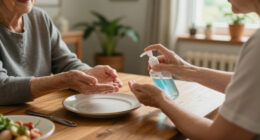
Prevention is equally critical in minimizing skin tears. Keeping your skin moisturized prevents dryness and cracking, which can lead to tears. Be cautious of rough surfaces and sharp objects that can cause accidental injuries, and use assistive devices if needed to avoid falls or bumps. Regular skin assessments help you catch early signs of thinning or damage, allowing prompt intervention. Maintaining a safe home environment by removing tripping hazards and installing grab bars can also reduce injury risks. When injuries do occur, prompt and proper wound care—using advanced wound dressings and supporting nutrition—can make all the difference in healing quickly and preventing further complications. With awareness and proactive care, you can manage skin tears effectively and maintain better skin health as you age.
hydrocolloid wound dressings for seniors
As an affiliate, we earn on qualifying purchases.
As an affiliate, we earn on qualifying purchases.
Frequently Asked Questions
Are Skin Tears Always Painful for Seniors?
Skin tears in seniors aren’t always painful, but they often cause discomfort and can be emotionally distressing. You should focus on pain management by gently cleaning and protecting the tear to reduce pain and prevent infection. Keep in mind that the emotional impact of a skin tear might cause feelings of vulnerability or frustration. Staying attentive and providing reassurance can help your loved one feel more comfortable and supported during healing.
How Quickly Can Skin Tears Heal in Elderly Individuals?
Healing time for skin tears in elderly individuals varies, often taking a few days to several weeks. Factors affecting recovery include age, overall health, skin condition, and proper wound care. You might notice faster healing if you keep the area clean, moisturized, and protected from infection. However, due to thinner skin and slower cell regeneration, seniors typically experience longer healing times compared to younger people.
Can Certain Medications Increase Skin Tear Risk?
Yes, certain medications can increase your risk of skin tears. Medication side effects like thinning skin or reduced collagen production make your skin more fragile. Drug interactions may also weaken skin integrity, especially with corticosteroids or blood thinners. Always discuss potential risks with your healthcare provider, and report any changes in your skin’s condition. Adjusting medications or adding protective measures can help prevent skin tears and promote healthier skin.
What Are the Signs of an Infected Skin Tear?
If your skin tear is infected, you’ll notice signs of infection like increased redness, swelling, warmth, and pus or foul odor from the wound. You might also experience pain or tenderness around the area. To manage this, follow proper wound care procedures—clean the tear gently, keep it moist, and change dressings regularly. Seek medical attention promptly if symptoms worsen or don’t improve, to prevent further complications.
Are There Specific Clothing Choices to Prevent Skin Tears?
Choosing clothing with soft, smooth fabrics like cotton or silk helps prevent skin tears by reducing friction. Opt for loose-fitting dress styles that don’t pull or stretch the skin excessively, especially around vulnerable areas. Avoid tight or rough-textured clothing that could snag or irritate delicate skin. By selecting gentle clothing materials and comfortable dress styles, you lower the risk of skin tears and keep your skin healthier and more resilient.
Conclusion
By understanding how to prevent and care for skin tears, you can substantially reduce risks for seniors. Remember, over 50% of skin tears happen in people over 85, making vigilant home care essential. Keep skin moisturized, gentle, and protected from bumps. With these simple steps, you’re not just caring for skin—you’re helping maintain comfort and dignity in everyday life. Your proactive approach can truly make a difference in their well-being.
Halloween Picks
halloween
As an affiliate, we earn on qualifying purchases.