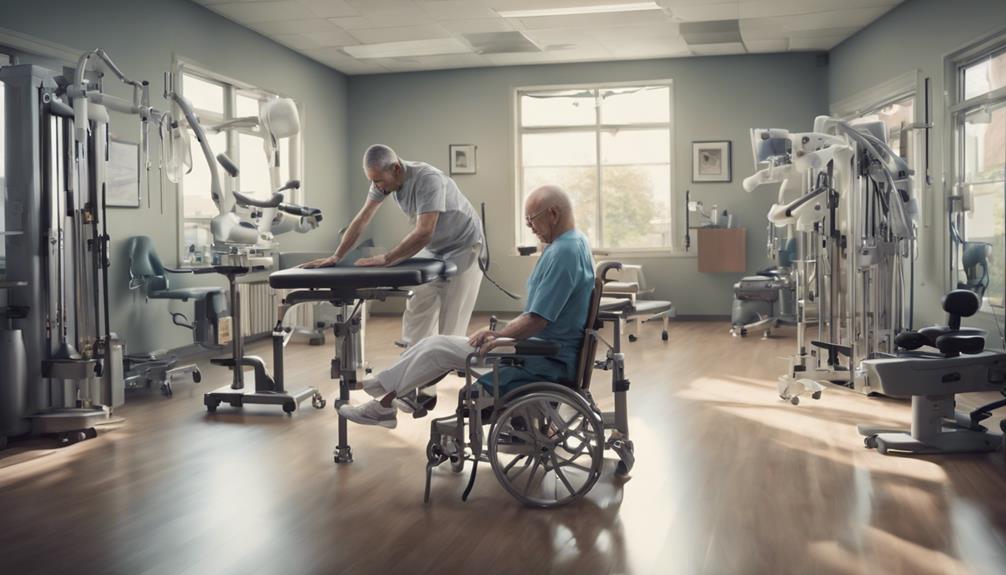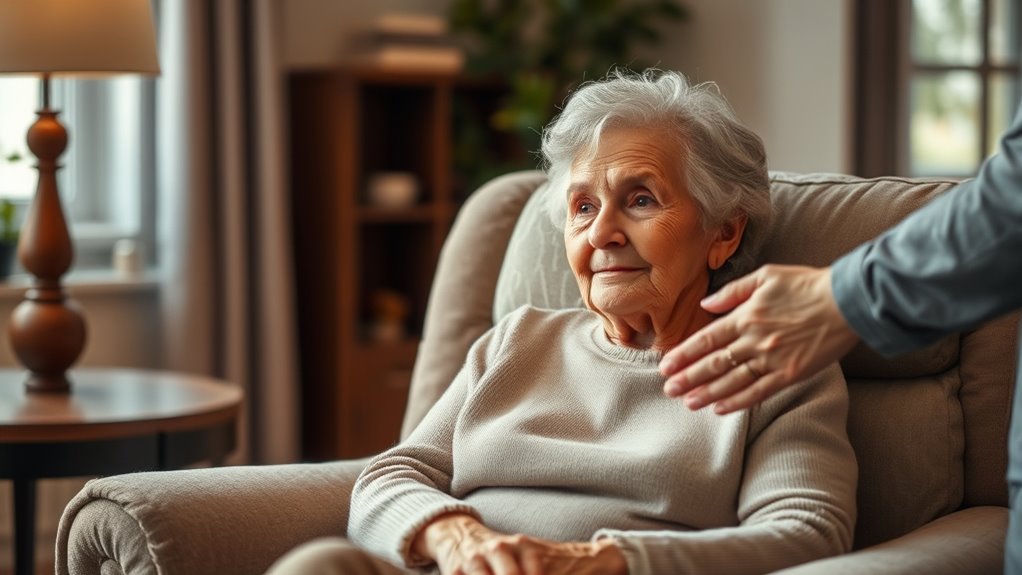

After a stroke, you may notice emotional ups and downs or changes in your personality. To cope, recognize these shifts as part of the brain’s healing, and practice strategies like mindfulness, journaling, or talking with trusted people. Be patient and compassionate with yourself, seeking professional help if needed. Engaging in hobbies or social activities can boost your confidence and stability. If you want to learn more about managing these changes, you’ll find helpful tips ahead.

Turn quiet afternoons into listening time
- Thousands of audiobooks, podcasts and originals
- Listen on your phone, tablet or Echo — also offline
- Cancel anytime
Key Takeaways
- Recognize that emotional and personality changes are common and part of brain recovery after stroke.
- Practice mindfulness, relaxation, or journaling to build emotional resilience and manage mood swings.
- Share feelings with trusted individuals or mental health professionals for support and guidance.
- Accept personality shifts as part of healing, practicing self-compassion and adjusting expectations.
- Engage in hobbies and social activities to restore purpose, confidence, and promote emotional stability.

Experiencing emotional and personality changes after a stroke can be overwhelming, but understanding what’s happening is the first step toward managing these challenges. The emotional rollercoaster you might face isn’t just in your head—it’s often linked to the brain’s physical changes caused by the stroke. As you navigate this new landscape, building emotional resilience becomes vital. Emotional resilience is your ability to bounce back from setbacks, cope with stress, and maintain a sense of stability. It involves recognizing your emotional responses without judgment and developing strategies to manage them effectively. You might notice sudden mood swings, irritability, or feelings of frustration; these are common and often temporary, but they can still be distressing. Developing emotional resilience helps you accept these feelings as part of your recovery process, rather than signs of personal failure. Incorporating techniques like mindfulness, meditation, or journaling can further support your mental health during this time.
Building emotional resilience helps manage mood swings and accept recovery challenges.
Personality adjustment is another key aspect of recovery. The stroke may alter your usual way of thinking, reacting, or interacting with others. You might find yourself more impatient, impulsive, or withdrawn than before. It’s important to remember that these changes aren’t deliberate; they are symptoms of brain damage that can affect your emotional regulation and social behavior. Accepting this reality can be difficult, but it’s essential for your mental health. By understanding that these personality shifts are part of the healing process, you can begin to adapt and find new ways to relate to others. This adjustment doesn’t mean you’ve lost who you are—it’s about evolving your self-awareness and self-compassion.
Supporting your emotional resilience involves practical steps. Regularly practicing mindfulness or relaxation techniques can help you stay grounded amid emotional upheaval. Sharing your feelings with trusted friends, family, or a counselor provides relief and perspective. Remember, it’s okay to seek professional help if your emotional responses feel unmanageable. Therapy can offer tools to cope with mood swings and personality changes, reinforcing your resilience. Additionally, engaging in activities that restore your sense of purpose—like hobbies or social groups—can boost your confidence and emotional strength. Understanding personal development techniques can also empower you to navigate these emotional challenges more effectively.
Ultimately, coping with emotional and personality changes after a stroke requires patience and self-compassion. Recognize that these changes are part of your brain’s healing journey. By focusing on emotional resilience and embracing personality adjustment, you take active steps toward recovery. Your resilience will grow as you learn to navigate these new emotional landscapes, helping you regain stability and find new ways to thrive post-stroke.
mindfulness meditation for stroke recovery
As an affiliate, we earn on qualifying purchases.
As an affiliate, we earn on qualifying purchases.
Frequently Asked Questions
How Can I Support a Loved One Experiencing Personality Changes Post-Stroke?
You can support your loved one by practicing effective communication, listening patiently, and showing understanding. Be patient as they navigate personality changes, and avoid arguing or criticizing. Offer reassurance, stay calm, and encourage them to express their feelings. Remember, your consistent patience and understanding create a safe environment, helping them feel supported and valued during this challenging time. Your compassion makes a meaningful difference in their recovery journey.
Are There Specific Therapies to Manage Emotional Swings After a Stroke?
Yes, therapy options like emotion regulation therapy can help manage emotional swings after a stroke. These therapies focus on teaching you or your loved one techniques to recognize and control intense emotions. Cognitive-behavioral therapy (CBT) is also effective in addressing emotional challenges. By working with a mental health professional, you can develop strategies to improve emotional stability and reduce the impact of mood swings, making daily life easier.
What Lifestyle Adjustments Help in Coping With Emotional Changes?
Imagine your emotions are a wild roller coaster—now, you get to decide which twists to enjoy. You can stabilize your ride with diet modifications, choosing foods that boost mood and energy. Add mindfulness practices like meditation or deep breathing to keep your mind grounded amidst the chaos. These lifestyle adjustments help you navigate emotional changes more smoothly, turning that wild ride into a manageable, even enjoyable, experience.
Can Medication Effectively Control Personality Shifts Following a Stroke?
Medication can help with personality adjustments after a stroke by addressing underlying emotional issues like depression or anxiety. While medication effectiveness varies, it often reduces mood swings and emotional instability, making it easier for you to adapt. However, medication alone may not fully control personality shifts; combining it with therapy and lifestyle changes offers the best support for emotional recovery and personality adjustment.
How Long Do Emotional and Personality Changes Typically Last After a Stroke?
Emotional and personality changes after a stroke can last from months to years, but recovery varies widely. You might find your emotional resilience improving gradually, helping you regain stability. The recovery timeline depends on your stroke’s severity and your support system. Stay patient and persistent—each small step forward boosts your resilience, and over time, many people notice significant improvements in their emotional well-being and personality stability.
Conclusion
Remember, steering emotional and personality changes after a stroke is like steering through stormy seas—you might face rough waters, but with support and patience, you can find calmer shores. Embrace each small victory, seek help when needed, and trust in your resilience. Your journey may be challenging, but it’s also a proof to your strength. Keep moving forward, knowing that brighter days are ahead, and you’re never alone on this voyage.
Halloween Picks
halloween
As an affiliate, we earn on qualifying purchases.