To make kitchen tasks safer for a stroke survivor, you should use adaptive utensils with non-slip handles and ergonomic designs to improve grip and reduce fatigue. Organize the space to keep frequently used items within reach and create clear pathways to prevent falls. Implement safety checklists to develop routines, ensuring appliances are unplugged and surfaces are stable. Keeping safety in focus boosts confidence and independence—continue exploring ways to create a safer kitchen environment.

Turn quiet afternoons into listening time
- Thousands of audiobooks, podcasts and originals
- Listen on your phone, tablet or Echo — also offline
- Cancel anytime
Key Takeaways
- Use adaptive utensils with non-slip handles and ergonomic designs to improve grip and reduce hand fatigue.
- Implement safety checklists for routine precautions, such as securing cutting boards and turning handles inward.
- Organize the kitchen to minimize clutter, keep essentials within reach, and create clear pathways to prevent trips.
- Regularly review and follow safety tips to identify hazards and establish consistent safety routines.
- Store sharp objects safely and out of reach of children to prevent accidental injuries.
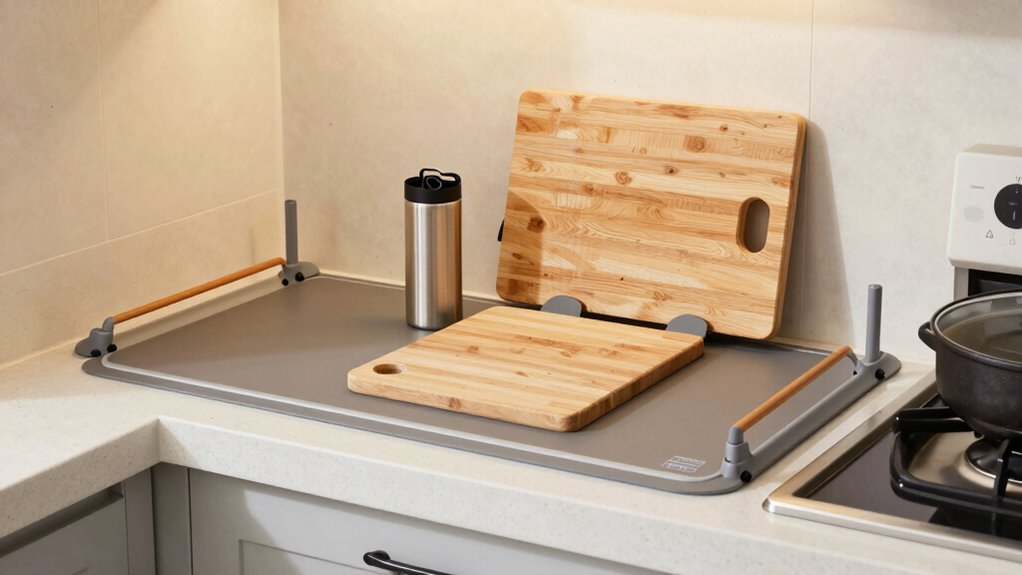
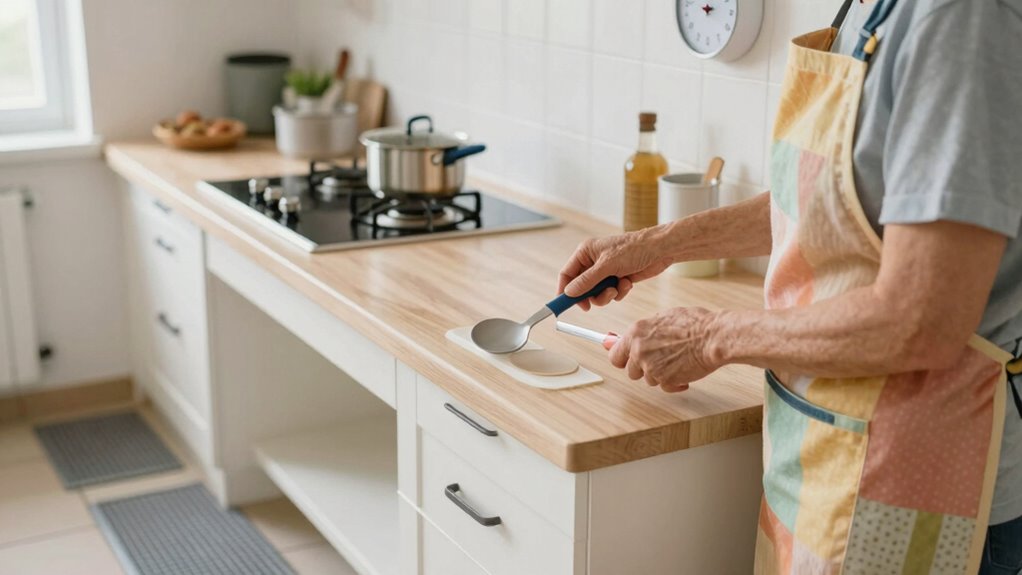
Cooking and other kitchen tasks can be challenging for a stroke survivor, but making simple adjustments can considerably reduce the risk of accidents. One effective way to enhance safety is by using adaptive utensils. These specialized tools are designed to improve grip, stability, and control, making it easier to handle knives, spoons, and other kitchen items. For example, utensils with non-slip handles or ergonomic designs help prevent slips and reduce hand fatigue. Investing in these tools doesn’t mean you’re compromising independence; instead, it promotes safer, more confident cooking. Alongside adaptive utensils, creating and following safety checklists can serve as a crucial safety net. A checklist ensures that essential precautions are consistently taken, like checking the stability of cutting boards, ensuring cookware handles are turned inward, and confirming that all appliances are unplugged when not in use. This routine minimizes oversight and helps you develop a systematic approach to kitchen safety. Safety routines such as these are vital for reducing hazards and building confidence in kitchen activities. Regularly reviewing kitchen safety tips can further help to identify potential hazards before they cause problems. Incorporating proper kitchen organization can also significantly reduce clutter and make safety practices more effective.
adaptive utensils with non-slip handles
As an affiliate, we earn on qualifying purchases.
As an affiliate, we earn on qualifying purchases.
Frequently Asked Questions
Are There Specific Kitchen Tools Designed for Stroke Survivors?
Yes, there are specific kitchen tools designed for stroke survivors. You can find adaptive utensils and ergonomic tools that make cooking easier and safer. These tools often have non-slip grips, angled handles, or lightweight features, helping you maintain control and reduce strain. Using these specially designed utensils can boost your independence, minimize frustration, and make meal preparation more comfortable and accessible.
How Can I Prevent Falls While Cooking?
To prevent falls while cooking, prioritize kitchen safety by keeping walkways clear of clutter and spills. Use non-slip rugs and wear sturdy, non-slip shoes. Install grab bars near the stove and sink for extra support. Turn on adequate lighting to see clearly, and avoid rushing. These fall prevention measures help create a safer environment, reducing the risk of accidents and ensuring your loved one’s confidence and independence in the kitchen.
What Are Some Emergency Tips if a Stroke Survivor Has a Kitchen Accident?
If a stroke survivor has a kitchen accident, stay calm and call emergency services immediately. Keep their emergency contact and medication reminders nearby to provide quick information to responders. If they’re bleeding, apply gentle pressure with a clean cloth. Do not move them if they show signs of a serious injury. Stay with them until help arrives, offering reassurance and ensuring their safety until professional assistance takes over.
How Do I Adapt Recipes for Easier Preparation?
Think of adapting recipes as reshaping a familiar song into a gentle lullaby. To make meal prep easier, simplify steps and use ingredient swaps like pre-cut vegetables or mashed fruits. Focus on one-pot meals or slow cooker recipes to reduce effort and mess. Adjust textures to suit your loved one’s needs, making each dish safer and more manageable, so cooking remains a comforting, enjoyable experience rather than an intimidating task.
Can Technology Assist in Making Kitchen Tasks Safer?
Yes, technology can make kitchen tasks safer. Smart appliances, like ovens and refrigerators, help you monitor and control cooking processes remotely. Voice commands allow you to operate devices hands-free, reducing the risk of accidents. These tools give you more independence and safety, especially for a stroke survivor. By integrating smart appliances and voice-controlled systems, you can create a safer, more manageable kitchen environment for yourself or your loved one.
Conclusion
By making small adjustments, you’re guiding your loved one through a safer kitchen, like a lighthouse shining through fog. Every step you take removes shadows of danger, illuminating a path where independence can flourish. Remember, safety isn’t just about measures—it’s about creating a sanctuary where confidence and care grow side by side. With patience and vigilance, you’re helping them navigate their new normal, turning the kitchen into a symbol of resilience and hope.
Halloween Picks
halloween
As an affiliate, we earn on qualifying purchases.