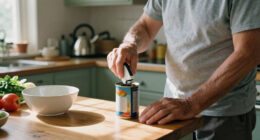
To support safe swallowing at home after a stroke, use adaptive utensils with built-up handles and angled tips to make self-feeding easier and reduce choking risks. Keep your environment calm, well-lit, and free of distractions during meals. Confirm your loved one stays well-hydrated with small sips, possibly using thickening agents for liquids. Monitoring their intake and working with healthcare providers will help you create a safe, comfortable mealtime routine that promotes independence and safety. If you’re interested, there’s more to learn on creating a safer eating environment.

Turn quiet afternoons into listening time
- Thousands of audiobooks, podcasts and originals
- Listen on your phone, tablet or Echo — also offline
- Cancel anytime
Key Takeaways
- Use adaptive and specialized utensils to improve grip and reduce choking risk during meals.
- Incorporate thickened liquids and small sips to facilitate safer swallowing.
- Maintain a calm, well-lit environment free of distractions during mealtimes.
- Monitor fluid intake closely and follow healthcare provider guidance for hydration.
- Ensure proper positioning and posture to support effective swallowing and prevent aspiration.

Recovering from a stroke can affect your ability to swallow safely, but with the right support at home, you can reduce the risk of choking and pneumonia. One effective way to do this is by using adaptive utensils. These specially designed tools help you grasp and maneuver food more easily, especially if your hand strength or coordination has diminished. For example, utensils with built-up handles or angled tips can make feeding more manageable, reducing frustration and the chance of accidental choking. Using adaptive utensils encourages independence and confidence during meals, which is essential for your overall recovery. Incorporating specialized utensils into your routine can further improve your safety and comfort while eating. Alongside the right tools, paying attention to hydration strategies is necessary. Proper hydration supports your swallowing muscles and keeps mucus thin, making it easier to clear your throat and prevent infections. You might find that drinking smaller, more frequent sips of liquids helps prevent choking and ensures you’re maintaining adequate fluid intake. Thickening agents can also be added to liquids to improve safety if thin liquids pose a risk. This approach slows down the flow of liquids, giving your swallowing muscles more time to respond. It’s important to monitor your fluid intake closely and work with your healthcare provider to develop a hydration plan tailored to your needs. Additionally, understanding the importance of hydration can help you make informed choices to support your recovery. Ensuring a safe eating environment can also significantly reduce risks, such as by removing distractions and ensuring proper lighting.
Products Worth Considering

Hyperice Normatec Elite Wireless Compression Boots Recovery – Standard Size
Withings Body Smart Wi-Fi and Bluetooth Smart Scale

Withings Body Scan Smart Scale with Segmental Body Composition and ECG, Black
As an affiliate, we earn on qualifying purchases.
Frequently Asked Questions
When Should I Seek Emergency Help for Swallowing Difficulties?
You should seek emergency help immediately if you notice signs like choking, difficulty breathing, or if food or liquids come out of your nose or mouth. These emergency signs indicate a serious problem that requires immediate action. Don’t wait—call emergency services right away to prevent further complications. Acting quickly can protect your loved one’s health and make certain they get the urgent care needed to manage their swallowing difficulties safely.
Can Swallowing Therapy Be Done at Home Without a Specialist?
Did you know that nearly 60% of stroke survivors experience swallowing issues? While professional therapy is ideal, you can do some DIY exercises at home to support recovery. Caregiver training can help you learn safe techniques, but it’s essential to consult a healthcare provider first. They can guide you on appropriate exercises and guarantee you’re supporting safe swallowing without risking choking or aspiration.
Are There Specific Foods to Avoid After a Stroke?
After a stroke, you should avoid foods that pose a choking risk, such as hard, crunchy, or sticky textures. Focus on diet modifications by choosing softer, easier-to-swallow foods like pureed fruits, mashed potatoes, or well-cooked vegetables. It’s important to monitor food textures and avoid anything that’s difficult to chew or swallow safely. Always consult with a healthcare professional for personalized advice and to make certain your diet supports safe swallowing.
How Can I Tell if My Loved One’s Swallowing Is Improving?
They say, “little by little, a little becomes a lot,” and that’s true with swallowing recovery. You’ll notice signs of improvement through easier swallowing, fewer coughing fits, and more confident eating. Monitoring progress involves observing your loved one’s ability to handle thicker textures and reduced choking episodes. Keep track of these changes regularly, and consult healthcare providers for guidance. Your attentive support helps them regain confidence and safe swallowing skills.
What Equipment Can Assist With Safe Swallowing at Home?
You can use assistive devices like specialized cups with one-way valves or non-slip grips to help with safe swallowing. Adaptive utensils, such as weighted or angled spoons, make eating easier and safer. These tools reduce the risk of choking and help your loved one swallow more confidently. Incorporating these assistive devices and adaptive utensils into mealtimes encourages independence while ensuring safety during swallowing.
Conclusion
By practicing patience, planning proper portions, and prioritizing posture, you can promote safe swallowing at home after a stroke. Stay steady, support skill development, and stay vigilant to prevent problems. With consistent care, compassion, and commitment, you’ll create a caring environment that encourages confidence and comfort in every bite. Remember, your dedicated effort makes a difference—transforming challenges into chances for a safer, smoother swallowing journey.