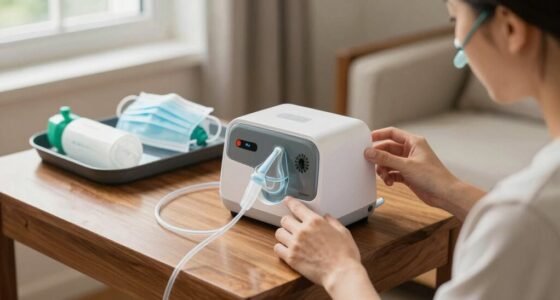
Understanding continuous versus pulse flow in oxygen machines helps you choose the right therapy for your needs. Continuous flow provides a steady stream of oxygen, ideal for severe or resting cases, but uses more oxygen and can be less portable. Pulse flow delivers oxygen only during inhalation, conserving power and suitable for active lifestyles, but might not meet high oxygen demands. To learn which mode fits your lifestyle best, explore the details further.
Key Takeaways
- Continuous flow provides a steady stream of oxygen regardless of breathing pattern, ideal for severe or variable oxygen needs.
- Pulse flow delivers oxygen only during inhalation, conserving oxygen and extending device battery life.
- Continuous flow ensures consistent oxygen levels but uses more oxygen, reducing portability.
- Pulse flow mimics natural breathing, making devices more portable and suitable for active users.
- Choice depends on individual activity, medical needs, and lifestyle, with technological advances improving therapy personalization.
What Are Continuous and Pulse Flow Oxygen Machines?
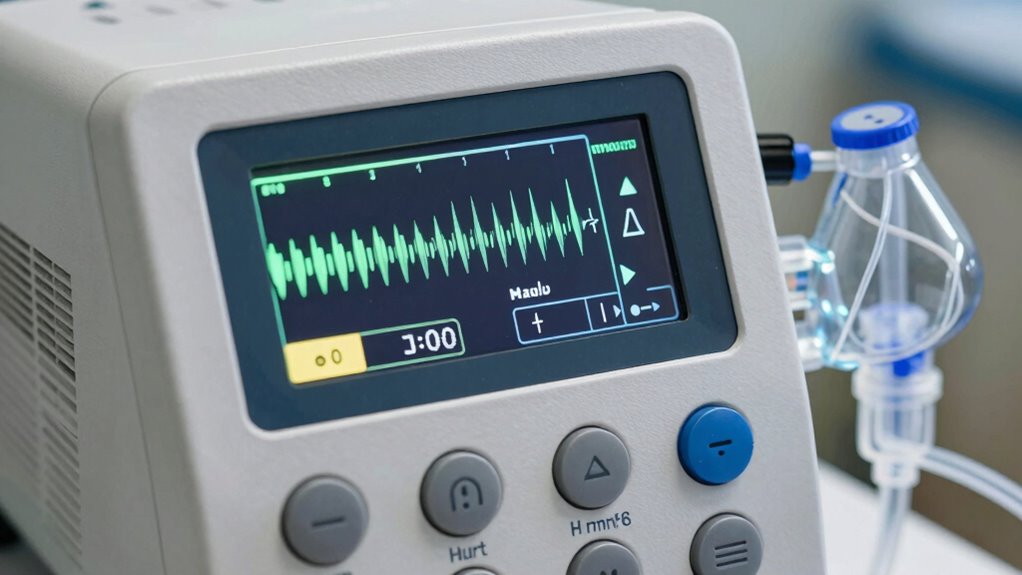
Understanding the difference between continuous and pulse flow oxygen machines is essential when choosing the right device for your needs. Continuous flow machines deliver a steady stream of oxygen, providing a consistent oxygen concentration regardless of your breathing pattern. This makes them ideal for individuals with irregular or high oxygen demands. Pulse flow machines, on the other hand, deliver oxygen only during inhalation, conserving oxygen and making them more portable. Their device portability allows you to move freely without carrying bulky equipment. Since pulse flow devices adjust oxygen delivery based on your breathing, they can be smaller and lighter, making them convenient for active lifestyles. Additionally, high refresh rates in some devices can improve the responsiveness and comfort of oxygen delivery, especially during physical activity. Understanding these differences can also help you weigh the cost and maintenance of each type, which varies significantly. It is also important to consider user comfort and how the device fits into your daily routine to ensure compliance and effectiveness. Additionally, some devices incorporate advanced technology to optimize oxygen delivery and improve overall therapy experience. Awareness of ventilation considerations can further ensure safe and effective oxygen therapy tailored to your environment and usage needs. Knowing these differences helps you select the machine that best fits your oxygen requirements and lifestyle preferences.
How Does Continuous Flow Oxygen Delivery Work?
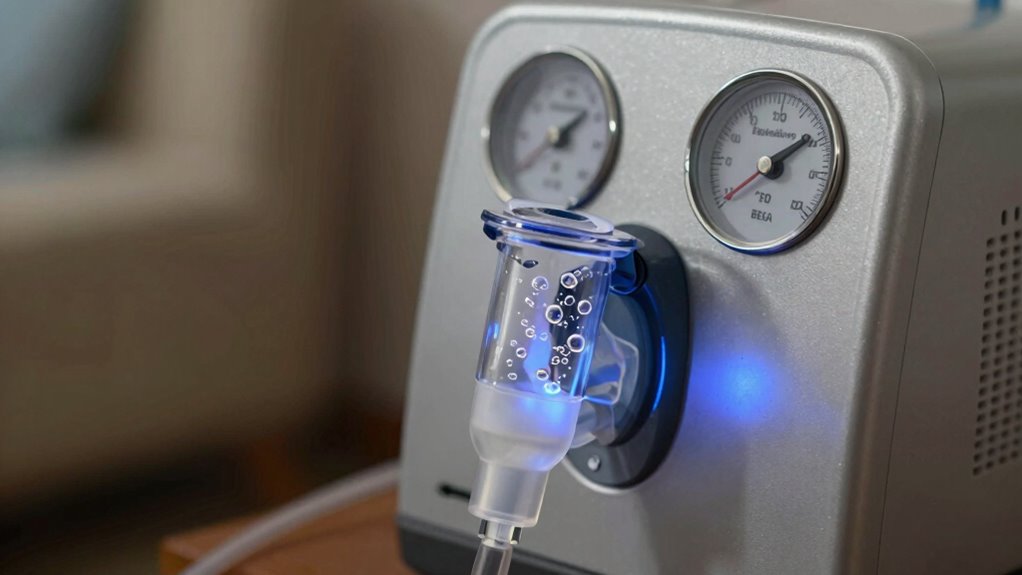
Continuous flow oxygen delivery works by providing a steady stream of oxygen through the device, regardless of your breathing pattern. This method guarantees a consistent oxygen concentration, which can be crucial for maintaining proper oxygen levels. Because the oxygen flows continuously, your lungs receive a constant supply, making it suitable for those with more severe breathing needs. The device’s design emphasizes portability, allowing you to move around easily while receiving oxygen. Many continuous flow machines are compact and lightweight, making them convenient for daily use or travel. Since oxygen is delivered constantly, you don’t need to worry about timing your breaths. This reliable delivery system helps ensure your oxygen levels stay stable, offering peace of mind for users needing consistent oxygen support. Additionally, understanding oxygen delivery methods can help you choose the right device for your specific needs. It’s also important to follow proper maintenance dos and don’ts to ensure the device functions effectively and safely over time. Regularly checking for oxygen purity and quality is essential to maintain safe and effective therapy. Proper device calibration is equally vital to ensure accurate oxygen flow rates and optimal treatment outcomes. Maintaining a clear understanding of the system components can also improve your overall safety and device performance.
What Is Pulse Flow (On-Demand) Oxygen?

Pulse flow (on-demand) oxygen delivers a burst of oxygen only when you inhale, rather than providing a continuous stream. This mode uses your breath to trigger oxygen delivery, making it more efficient and conserving device settings. It’s ideal if you want to extend battery life or reduce oxygen use without sacrificing therapy effectiveness. Proper device setup is essential to ensure optimal performance and safety with pulse flow systems. Additionally, understanding how breath detection technology works can help you optimize your oxygen therapy experience. Because of its reliance on oxygen delivery methods, ensuring your device is correctly calibrated is key to achieving the best results. Proper calibration and understanding of device settings are also crucial for safety and effectiveness. Being familiar with oxygen conservation techniques can further enhance your therapy while maximizing device efficiency.
Pros and Cons of Continuous and Pulse Flow Oxygen Modes
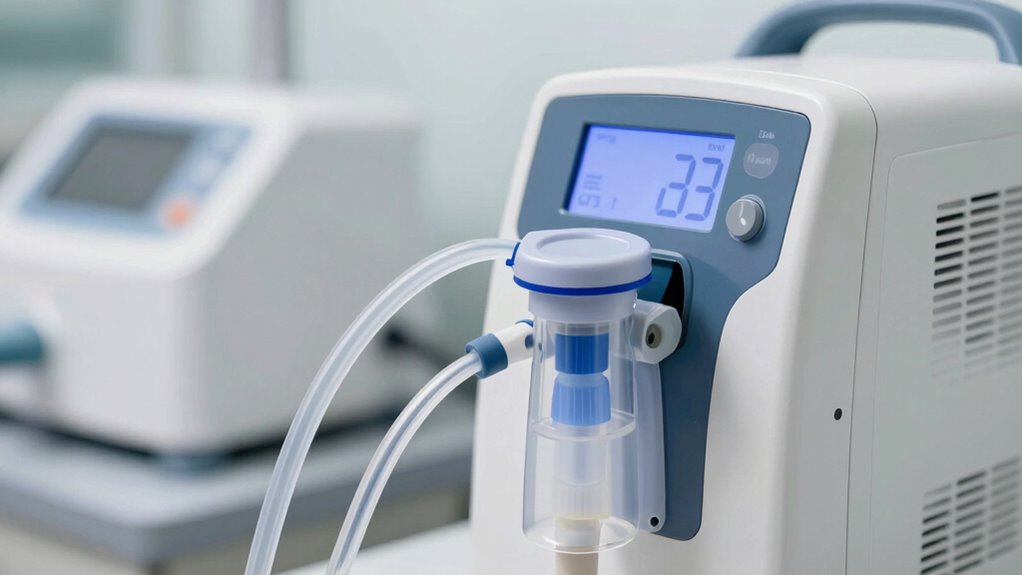
Choosing between continuous and pulse flow oxygen modes depends on your specific needs and breathing patterns. Continuous flow provides a steady oxygen supply, which benefits those with irregular or high oxygen requirements. However, it uses more oxygen, reducing oxygen preservation and often making the device less portable. Pulse flow, on the other hand, delivers oxygen only during inhalation, conserving oxygen and extending device battery life. This mode enhances portability but may not meet the needs of users requiring higher or consistent oxygen levels, especially during deep or rapid breaths. Consider your activity level, mobility, and oxygen needs when weighing these pros and cons. Additionally, advancements in AI discoveries are influencing the development of more efficient oxygen delivery technologies. Innovative algorithms are now helping to optimize oxygen dosage based on real-time breathing patterns, leading to personalized and adaptive oxygen therapy. Moreover, oxygen conservation techniques can further improve the efficiency of pulse flow systems for users with varying oxygen demands. Recent research also indicates that integrating smart sensors into oxygen devices can provide even more precise control and monitoring of oxygen delivery to optimize patient outcomes. Furthermore, ongoing technological innovations aim to create more adaptive and responsive systems that better cater to individual breathing needs.
Which Oxygen Mode Is Right for You?
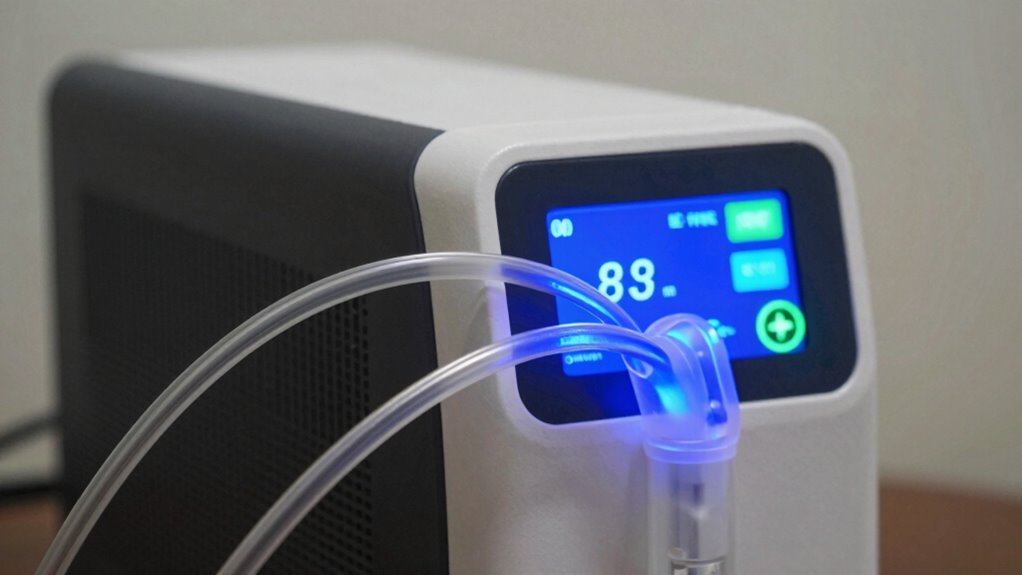
Deciding which oxygen mode is right for you depends on your daily activities, breathing patterns, and specific medical needs. Your oxygen therapy preferences and lifestyle influence this choice. If you’re active and need portability, consider portable oxygen options that support pulse flow, which are lightweight and discreet. For example, oxygen conservation can be a significant factor in choosing a portable device. For those requiring continuous oxygen during sleep or rest, a continuous flow system might be better. Think about how often you’re on the go, your comfort level, and whether you prefer a device that conserves oxygen or provides a steady supply. Understanding oxygen delivery methods can help you make an informed decision. Additionally, understanding the differences between continuous and pulse flow systems can clarify which option aligns best with your routine. Knowing your oxygen delivery options can empower you to choose the most suitable therapy. Considering device features such as size, weight, and ease of use can also influence your choice. Consulting your healthcare provider can help determine the best fit. Remember, the right mode ensures effective therapy while fitting seamlessly into your routine. Your choice should support your health, mobility, and peace of mind.
Frequently Asked Questions
Can I Switch Between Continuous and Pulse Flow Modes Easily?
Yes, you can typically switch between continuous and pulse flow modes easily, but it depends on your device’s flow mode compatibility. Many modern oxygen machines feature user-friendly controls that allow you to change modes quickly without hassle. Always check your device’s manual for specific instructions, and verify your equipment supports seamless device switching. If unsure, consult your healthcare provider to confirm safe and proper mode adjustments.
How Does Altitude Affect Oxygen Delivery in These Modes?
Like climbing Everest, higher altitudes reduce oxygen availability, impacting your oxygen delivery. You need altitude adjustment on your device to maintain proper oxygen concentration. Continuous flow modes deliver steady oxygen regardless of altitude, while pulse flow adjusts to your breathing pattern, but may be less effective at high elevations. Always check your device’s settings and consult your healthcare provider to guarantee ideal oxygen delivery in different altitudes.
Are There Specific Medical Conditions That Favor One Mode Over the Other?
Certain medical condition distinctions influence your device selection criteria. If you have irregular breathing or need precise oxygen levels, your doctor might recommend continuous flow, providing a steady supply. Conversely, if mobility and battery life are priorities, pulse flow offers a convenient, efficient option, especially for conditions like COPD. Your healthcare provider assesses your specific needs to determine the best mode, ensuring ideal oxygen therapy tailored to your condition.
What Maintenance Is Required for Continuous Versus Pulse Flow Devices?
You need to regularly maintain both continuous and pulse flow oxygen devices by checking device calibration to guarantee accurate oxygen delivery. Replace filters as recommended by the manufacturer, usually every few months, to keep the system clean and functioning properly. Additionally, inspect for any signs of wear or damage and follow the manufacturer’s maintenance schedule. Proper upkeep assures peak performance and safety, whether you’re using continuous or pulse flow oxygen therapy.
Do Insurance Plans Cover Both Types Equally?
Insurance coverage for continuous and pulse flow oxygen devices can vary, and not all plans reimburse both equally. You should check with your specific insurance provider to understand their device reimbursement policies. Some plans may prioritize one type over the other, affecting your out-of-pocket costs. Contact your insurer directly to confirm coverage details so you can choose the device that best fits your needs and budget.
Conclusion
Choosing between continuous and pulse flow oxygen is like selecting a steady stream or a gentle heartbeat—both keep you breathing, but each offers a different rhythm. Picture the calm, constant flow or the precise, on-demand pulse syncing with your body’s needs. Whichever you pick, remember it’s about finding your perfect rhythm. With the right mode, you’ll feel more confident, like a steady breeze guiding you through each breath, supporting your journey to better breathing.