

To prevent pressure sores in advanced Alzheimer’s care, you should regularly check your loved one’s skin, especially over bony areas, for signs of redness, swelling, or warmth. Reposition them at least every two hours and use pressure-redistributing devices. Keep their skin clean, dry, and moisturized, and make certain they stay well-hydrated. Educate caregivers on proper techniques, and involve healthcare professionals for ongoing support. Learning these strategies can make a real difference in maintaining their comfort and skin health.

Turn quiet afternoons into listening time
- Thousands of audiobooks, podcasts and originals
- Listen on your phone, tablet or Echo — also offline
- Cancel anytime
Key Takeaways
- Conduct frequent skin assessments on bony prominences to detect early signs of pressure damage.
- Reposition the individual every two hours and use pressure-redistributing devices during rest.
- Maintain skin hygiene with gentle cleansers, keep skin dry, and ensure proper hydration.
- Educate caregivers on pressure relief techniques and involve healthcare professionals in care planning.
- Create a safe environment with moisture control and proper ventilation to support skin integrity.
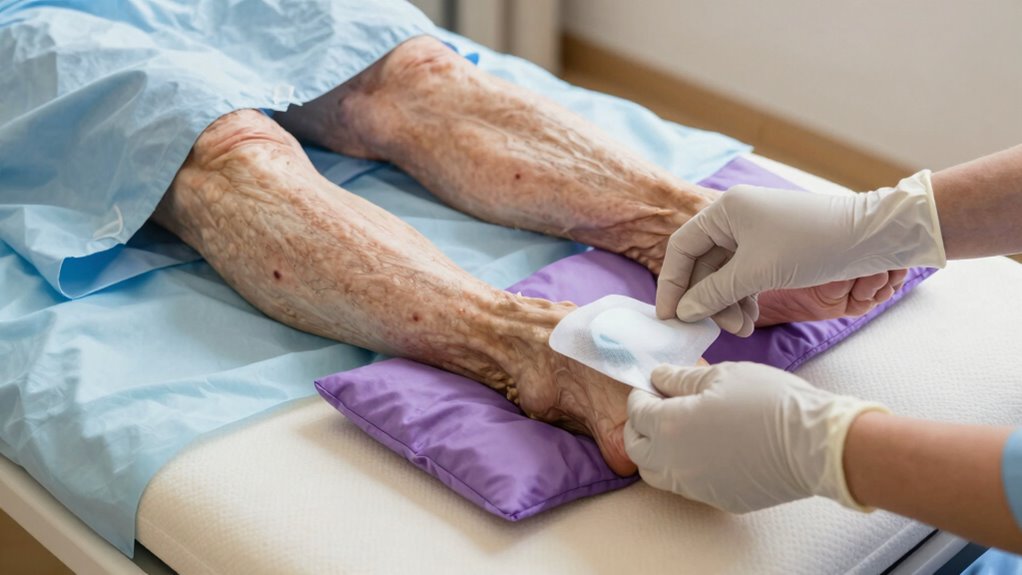
Along with nutritional support, regular skin assessment is crucial. You need to check the skin frequently, especially over bony prominences like the hips, sacrum, heels, and elbows, where pressure is most likely to cause damage. During your assessments, look for signs of redness, swelling, or discoloration, and note any areas that seem tender or warm to the touch. Early detection of skin changes allows you to intervene before a sore develops. Turn and reposition your loved one at least every two hours to relieve pressure points and promote circulation. When turning, examine the skin underneath and around the area to identify any early signs of damage. Keep the skin clean and dry, using gentle cleansers and moisturizing if needed, but avoid over-wetting or using harsh soaps that can strip natural oils. Proper ventilation solutions can also help maintain skin health by reducing moisture buildup and preventing skin maceration. Additionally, maintaining good skin hygiene and ensuring proper hydration are vital for overall skin integrity. Regular skin assessment is essential for early detection and intervention, as it allows caregivers to notice subtle changes that could indicate developing pressure sores. Educating caregivers about the importance of pressure redistribution techniques can further enhance prevention efforts. Incorporating pressure-redistributing devices can also significantly reduce the risk by providing continuous pressure relief during rest or sleep. Remember, prevention is a team effort — involve caregivers, healthcare professionals, and the person with Alzheimer’s whenever possible. By maintaining a combination of nutritional support, vigilant skin assessment, and pressure management, you greatly lower the risk of pressure sores and help preserve your loved one’s comfort and dignity. Being attentive and consistent in your care creates a safer environment, ultimately improving quality of life in these challenging circumstances.
pressure redistribution cushions for bedridden
As an affiliate, we earn on qualifying purchases.
As an affiliate, we earn on qualifying purchases.
Frequently Asked Questions
How Can Family Members Assist With Pressure Sore Prevention at Home?
You can help prevent pressure sores at home by regularly performing skin assessments to catch early signs of redness or breakdown. Support your loved one’s mobility by encouraging gentle movement and repositioning them every two hours if they’re bedridden. Keep their skin clean and dry, use cushions to reduce pressure on vulnerable areas, and make sure they receive proper nutrition. Your active involvement makes a significant difference in their comfort and health.
Are There Specific Nutritional Needs to Prevent Pressure Sores?
You should focus on a nutritional assessment to identify any deficiencies that could increase pressure sore risk. Make certain your loved one consumes a balanced diet rich in protein, vitamins (especially A, C, and E), and minerals like zinc. Dietary supplementation may be necessary if intake is insufficient. Proper nutrition supports skin integrity and wound healing, helping prevent pressure sores. Regularly consult healthcare professionals to tailor the nutritional plan to their specific needs.
What Are Early Signs of Developing Pressure Sores?
You’ll notice early signs of developing pressure sores as skin changes like redness or discoloration, especially over bony areas. Skin integrity starts to break down, and you might see warmth, swelling, or tenderness. To catch these signs early, encourage mobility exercises to improve circulation and relieve pressure. Regularly check skin, particularly in high-risk spots, and act quickly if you observe any changes to prevent further damage.
How Often Should Repositioning Occur for Advanced Alzheimer’s Patients?
Reposition your resident every two hours to protect their skin integrity and promote safe bed mobility. Regular repositioning reduces pressure, prevents soreness, and preserves skin health. Keep an eye on any signs of discomfort or redness, and adjust the schedule as needed based on their specific needs. Consistent, caring care can considerably decrease the risk of pressure sores, ensuring comfort and maintaining skin integrity in advanced Alzheimer’s care.
Can Pressure Sore Prevention Practices Vary Based on Severity of Alzheimer’s?
Yes, pressure sore prevention practices can vary based on Alzheimer’s progression. As the disease advances, your caregiving approach must adapt, requiring specialized caregiver training to address changing needs. You might need more frequent repositioning or advanced support surfaces for severe stages. Staying informed about disease progression helps you tailor prevention strategies, ensuring your loved one stays comfortable and protected from pressure sores effectively throughout their Alzheimer’s journey.
Conclusion
By preventing pressure sores, you’re nurturing a foundation of trust and dignity, like tending a delicate garden that needs constant care. Each proactive move you make is a gentle watering, helping your loved one’s well-being flourish amid the shadows of Alzheimer’s. Remember, your attentiveness acts as a sturdy fence, shielding them from harm and allowing their spirit to bloom with comfort and safety. Your dedication is the true cornerstone of compassionate, respectful care.
Cold & flu season Picks
humidifiers
As an affiliate, we earn on qualifying purchases.