Integrating physical therapy into palliative Parkinson’s care helps you manage symptoms like rigidity, tremors, and balance issues more effectively. It boosts mobility, reduces discomfort, and supports emotional well-being by fostering a sense of control and dignity. A personalized, evolving approach guarantees your physical and emotional needs are addressed as symptoms change. Continuing to explore this approach can offer you valuable strategies to improve quality of life throughout your journey.
Key Takeaways
- Incorporate physical therapy early to maintain mobility, reduce rigidity, and prevent functional decline in palliative Parkinson’s care.
- Tailor physical therapy programs to individual needs, adjusting as symptoms evolve to maximize comfort and independence.
- Combine physical therapy with emotional support to enhance overall well-being and resilience in patients.
- Use assistive devices and adaptive techniques within therapy to improve safety and quality of life.
- Collaborate with multidisciplinary teams for integrated care that aligns physical therapy with emotional and symptom management goals.
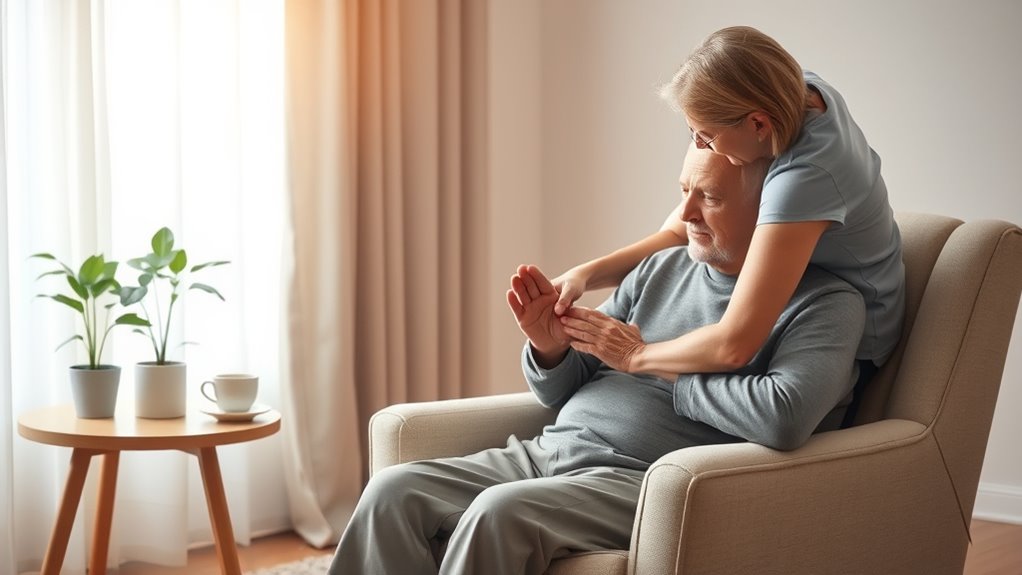
Integrating palliative therapy into overall patient care is essential for improving quality of life, especially for those facing serious illnesses. When it comes to Parkinson’s disease, this integration becomes even more pivotal, as it addresses not only physical symptoms but also emotional well-being. As a patient or caregiver, you might find that managing Parkinson’s involves more than medication; it’s about creating a thorough approach that supports emotional resilience and alleviates discomfort. Palliative care focuses on symptom management, helping you navigate challenges like tremors, rigidity, and balance issues, while also offering emotional support to cope with the mental and emotional toll of the disease.
Palliative care enhances quality of life by addressing physical symptoms and emotional well-being in Parkinson’s disease management.
You’ll notice that emotional support plays a critical role in managing Parkinson’s. Facing progressive symptoms can lead to feelings of frustration, anxiety, or depression, but with proper palliative strategies, you’re not alone in this journey. Care teams can provide counseling, support groups, or simply a compassionate presence that helps you process your feelings. This emotional support is just as important as physical therapies because mental well-being directly influences your overall health and ability to participate in daily activities. When you feel emotionally supported, you’re better equipped to handle physical symptoms and maintain a sense of control and dignity.
Symptom management is at the heart of integrating palliative therapy into your Parkinson’s care. You might experience stiffness or difficulty moving, which can be distressing and limit your independence. Palliative approaches include tailored interventions such as physical therapy, medication adjustments, and alternative techniques like relaxation exercises or assistive devices. These strategies aim to reduce discomfort, improve mobility, and enhance your ability to carry out everyday tasks. By addressing symptoms proactively, you lessen the risk of complications and improve your quality of life. The goal is to minimize pain and discomfort while maximizing your functional abilities, all within a supportive framework that respects your personal goals and preferences.
Additionally, understanding the importance of symptom management can help you and your care team develop a personalized plan that adapts over time to your evolving needs. Incorporating palliative therapy into your Parkinson’s management isn’t just about treating symptoms; it’s about holistic care that recognizes your emotional and physical needs. You’ll find that this approach fosters a sense of partnership with your care team, where your concerns and hopes are central. The combination of emotional support and symptom management creates a foundation for better mental health, physical comfort, and dignity through each stage of the disease. Ultimately, this integration helps you live as fully as possible, despite the challenges that Parkinson’s may bring.
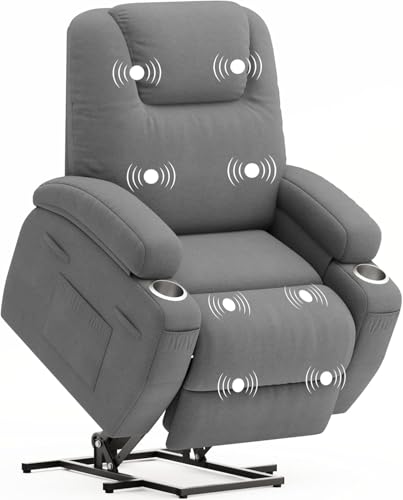
Flamaker Power Lift Chair Massage Recliner Chairs for Elderly - Ergonomic Design with Cup Holders & Side Pockets, Remote Control (Gray)
ELDERLY LIFT CHAIR - For people with mobility issues as well as the elderly, it provides excellent spinal...
As an affiliate, we earn on qualifying purchases.
Frequently Asked Questions
How Early Should Physical Therapy Be Introduced in Parkinson’s Palliative Care?
You should introduce physical therapy early in Parkinson’s palliative care, ideally soon after diagnosis. Early intervention helps maintain mobility, reduce symptoms, and improve quality of life. Therapy timing is vital; starting sooner allows you to build strength and adapt to changes, making future management easier. Don’t wait until symptoms worsen—early physical therapy can make a significant difference in managing the disease effectively and maintaining independence longer.
Are There Specific Physical Therapy Techniques Tailored for Palliative Parkinson’s Patients?
Yes, tailored physical therapy techniques for palliative Parkinson’s patients include adaptive techniques and pain management strategies. You can focus on gentle, functional exercises that accommodate mobility limitations, helping reduce discomfort. Incorporate adaptive tools to support daily activities, and emphasize pain management through relaxation and stretching techniques. These personalized approaches aim to improve comfort, maintain independence, and enhance quality of life in the palliative stage of Parkinson’s.
How Can Physical Therapy Improve Quality of Life in Advanced Parkinson’s Stages?
Physical therapy can notably enhance your quality of life in advanced Parkinson’s stages by focusing on balance training and pain management. You’ll improve stability, reducing fall risk, and gain better control over movements. Targeted exercises help ease discomfort and stiffness, making daily activities easier. By actively participating in personalized therapy, you empower yourself to maintain independence and comfort, even as the disease progresses.
What Are Common Challenges Faced When Integrating Therapy Into Palliative Care?
You may find that coordinating therapy in palliative care faces gentle hurdles, like steering insurance challenges and balancing family dynamics. Insurance issues can slow down access or limit sessions, while family concerns might influence treatment choices. These challenges require patience and clear communication. By understanding these obstacles, you can work towards smoother integration, ensuring your loved one receives compassionate, effective physical therapy that respects their comfort and dignity.
How Do Caregivers Support Physical Therapy Routines in Palliative Parkinson’s Care?
You support physical therapy routines by encouraging exercise motivation and providing caregiver training. Keep sessions simple and enjoyable, celebrating small successes to boost confidence. Stay consistent with schedules to foster routine, and communicate regularly with healthcare professionals for guidance. Your encouragement and understanding help your loved one stay engaged, making therapy more effective and manageable during palliative care. Your active involvement makes a meaningful difference in their quality of life.

BOSMILLER Power Lift Recliner Chair for Elderly with Vibration Massage and Lumbar Heating Electric Oversized Single Sofa with Cup Holder and USB Charge Port for Living Room
【𝗘𝗳𝗳𝗼𝗿𝘁𝗹𝗲𝘀𝘀 𝗣𝗼𝘄𝗲𝗿 𝗟𝗶𝗳𝘁 𝗥𝗲𝗰𝗹𝗶𝗻𝗲】:Upgrade your living room comfort with our oversized power lift recliner chair for seniors. Designed...
As an affiliate, we earn on qualifying purchases.
Conclusion
By blending compassionate care with consistent physical therapy, you create a comforting, cohesive corridor of calm for Parkinson’s patients. This seamless synergy not only supports strength and stability but also soothes suffering, showcasing a symphony of support and solace. Embrace this integrated approach, and you’ll empower patients to experience enhanced ease, engagement, and ease of mind—making their journey a gentle glide rather than a difficult descent. Together, you craft a caring, collaborative, and compassionate clinical corridor.

MAHOMICO Power Lift Recliner Chair for Elderly with Vibration Massage and Lumbar Heating, Electric Lift Recliner Single Sofa with Side Pocket, Two Cup Holders and USB Charge Port for Living Room
𝗣𝗼𝘄𝗲𝗿 𝗟𝗶𝗳𝘁 𝗥𝗲𝗰𝗹𝗶𝗻𝗲𝗿 𝗖𝗵𝗮𝗶𝗿: Elevate your relaxation with the MAHOMICO power recliner chair. This advanced lift chair recliner...
As an affiliate, we earn on qualifying purchases.

BOSMILLER Power Lift Recliner Chair for Elderly with Vibration Massage and Lumbar Heating Electric Oversized Single Sofa with Cup Holder and USB Charge Port for Living Room
【𝗘𝗳𝗳𝗼𝗿𝘁𝗹𝗲𝘀𝘀 𝗣𝗼𝘄𝗲𝗿 𝗟𝗶𝗳𝘁 𝗥𝗲𝗰𝗹𝗶𝗻𝗲】:Upgrade your living room comfort with our oversized power lift recliner chair for seniors. Designed...
As an affiliate, we earn on qualifying purchases.