
To cope with depression and apathy in Parkinson’s, work closely with your healthcare team to fine-tune medications that help balance your mood. Connecting with support groups and loved ones offers emotional relief and encouragement. Seek professional mental health support like therapy to develop coping strategies, and stay active with enjoyable activities to boost your spirits. Building an all-encompassing approach can improve your well-being, and exploring these methods further can provide even more helpful tips.
Key Takeaways
- Collaborate with healthcare providers to adjust medications that effectively manage emotional symptoms without side effects.
- Join support groups to share experiences, reduce isolation, and gain practical advice for coping.
- Seek professional mental health support, such as therapy, to develop resilience and address negative thoughts.
- Maintain a routine, stay physically active, and engage in enjoyable activities to boost mood and counteract apathy.
- Adopt a comprehensive approach combining medication, support networks, and lifestyle changes for sustained emotional well-being.
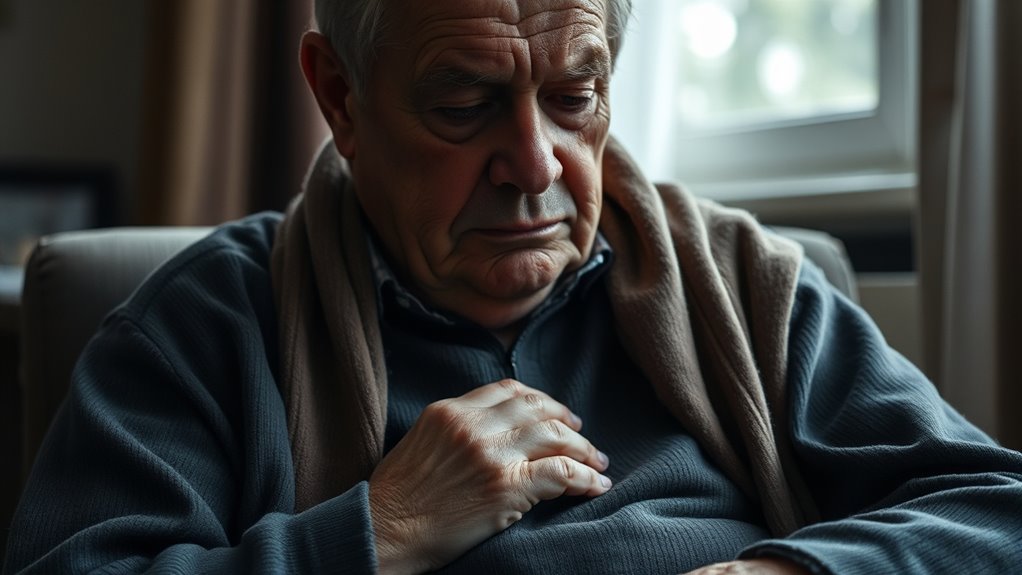
Are you or a loved one struggling with depression and apathy due to Parkinson’s? These emotional challenges can feel overwhelming, but understanding how to cope can make a significant difference. One of the first steps is ensuring effective medication management. Parkinson’s medications, such as dopaminergic therapies, are essential not only for managing motor symptoms but also for improving mood and motivation. Working closely with your healthcare provider to fine-tune medication dosages can help reduce feelings of depression and apathy. Don’t hesitate to communicate openly about how you’re feeling; adjustments might be necessary to find the right balance that alleviates emotional symptoms without causing unwanted side effects. Remember, medication is a critical tool, but it works best when integrated into a thorough plan that includes emotional and social support.
Support networks play a pivotal role in coping. Connecting with others who understand what you’re going through provides emotional relief and practical advice. Whether it’s joining local Parkinson’s support groups or online communities, sharing experiences helps you realize you’re not alone. Support networks can also offer encouragement, reduce feelings of isolation, and boost your motivation to engage in activities that bring joy. Encourage your loved ones to participate in these groups or to be part of your support system, as their involvement can strengthen your emotional resilience. Sometimes, talking to someone who truly understands Parkinson’s-related depression can help you feel validated and understood, which is essential for emotional well-being.
Alongside medication management and support networks, adopting a proactive approach to mental health makes a difference. Consider speaking with mental health professionals who specialize in chronic illness. They can guide you through strategies like cognitive-behavioral therapy, which helps reframe negative thoughts and develop coping skills. Staying physically active, maintaining a routine, and engaging in enjoyable activities also contribute to lifting your mood. It’s essential to remember that depression and apathy are part of the disease, but they don’t define you. By actively managing your medications, fostering strong support networks, and seeking professional help when necessary, you take control of your emotional health. These steps can empower you to face each day with greater resilience, even when Parkinson’s presents emotional hurdles. With patience and support, you can find ways to navigate these challenges and improve your quality of life.
Frequently Asked Questions
How Can Caregivers Support Patients Experiencing Depression?
You can support patients experiencing depression by offering consistent emotional support and practicing effective communication strategies. Listen actively, show empathy, and encourage them to express their feelings without judgment. Maintain open dialogue, ask how they’re feeling, and reassure them they’re not alone. Your understanding and patience help create a safe space, making it easier for them to cope. Small gestures of kindness and encouragement can considerably boost their mood and sense of connection.
Are There Specific Medications to Treat Depression in Parkinson’s?
When battling the shadows of depression in Parkinson’s, you might wonder if specific medications can help. Antidepressant options like SSRIs are commonly prescribed, but they come with potential medication side effects. It’s essential to work closely with your doctor to find the right balance, ensuring relief without added struggles. You don’t have to face this fight alone—hope and proper treatment can light the way forward.
Can Lifestyle Changes Improve Apathy Symptoms?
Yes, lifestyle changes can improve apathy symptoms. You should consider incorporating regular exercise routines, like walking or stretching, to boost your energy and motivation. Dietary modifications, such as eating a balanced diet rich in fruits, vegetables, and omega-3s, can also help improve your mood. Staying socially engaged and setting small, achievable goals support your overall sense of purpose and can reduce feelings of apathy over time.
What Alternative Therapies Help Manage Depression?
You can explore alternative therapies like mindfulness meditation and art therapy to manage depression. Mindfulness meditation helps you focus on the present and reduces stress, while art therapy offers a creative outlet for expressing emotions. Both approaches can complement your treatment plan, improve your mood, and promote emotional well-being. Give them a try to find relief and regain a sense of control and happiness in your daily life.
How to Differentiate Depression From Parkinson’s Disease Symptoms?
You can differentiate depression from Parkinson’s symptoms through careful mood assessment, noting persistent feelings of sadness, hopelessness, or loss of interest, which are less common in Parkinson’s motor symptoms. Be aware of symptom overlap, like fatigue or sleep disturbances, but focus on emotional changes. Consulting healthcare professionals for detailed evaluations helps identify depression accurately, ensuring you get appropriate treatment and distinguish it from Parkinson’s disease symptoms effectively.
Conclusion
Remember, you’re not alone in facing depression and apathy with Parkinson’s. Nearly 50% of patients experience these symptoms, making it essential to seek support and stay engaged. By staying active, connecting with loved ones, and exploring therapeutic options, you can improve your outlook. Even on tough days, know that small steps matter—each one brings you closer to reclaiming joy and purpose. Keep moving forward; brighter days are within reach.