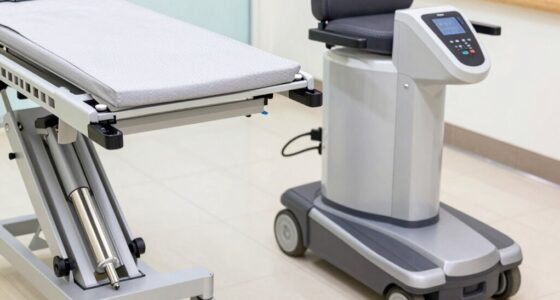
Lifting becomes unsafe when you ignore signs of strain, use improper body mechanics, or try to lift loads that are too heavy for your strength. Always assess your ability, keep loads close, and use your legs—not your back—to lift. If you feel pain, fatigue, or lose control, it’s time to ask for help. Understanding these cues can prevent injuries—continue to learn more about keeping yourself and others safe during lifts.
Key Takeaways
- Strain, pain, or difficulty maintaining proper form indicate that a lift may be unsafe.
- Sudden discomfort, dizziness, or weakness during lifting require stopping immediately.
- Overexertion signs include trembling, fatigue, or loss of balance, signaling the load is too heavy.
- Using proper body mechanics, like bending at hips and knees and keeping loads close, protects caregivers.
- Seek help when lifts are too heavy, awkward, or if safety or health signs appear during the task.
When Is a Lift Too Heavy or Unsafe?

Determining when a lift is too heavy or unsafe depends on several factors, including your strength level, technique, and the equipment used. Recognizing lifting hazards is vital to prevent injury. If you feel strain, pain, or difficulty maintaining proper form, the load likely exceeds safe weight limits. Trust your body’s signals—if you’re struggling to keep balance or control, it’s a sign to reduce the weight. Always adhere to recommended weight limits for specific tasks and equipment. Overestimating your capacity increases the risk of accidents and injuries. Remember, safe lifting isn’t just about avoiding immediate accidents; it’s about protecting your long-term health. When in doubt, ask for assistance or use assistive devices to stay within safe lifting parameters. Implementing simple systems can help manage lifting tasks more safely and efficiently. Being aware of lifting capacity and understanding your personal limits can also help prevent overexertion and related injuries. Recognizing body mechanics and proper posture during lifts is also crucial for injury prevention. Additionally, maintaining awareness of lifting environment factors, such as floor conditions and space, can further reduce risks during lifting activities.
How to Protect Your Back With Proper Body Mechanics
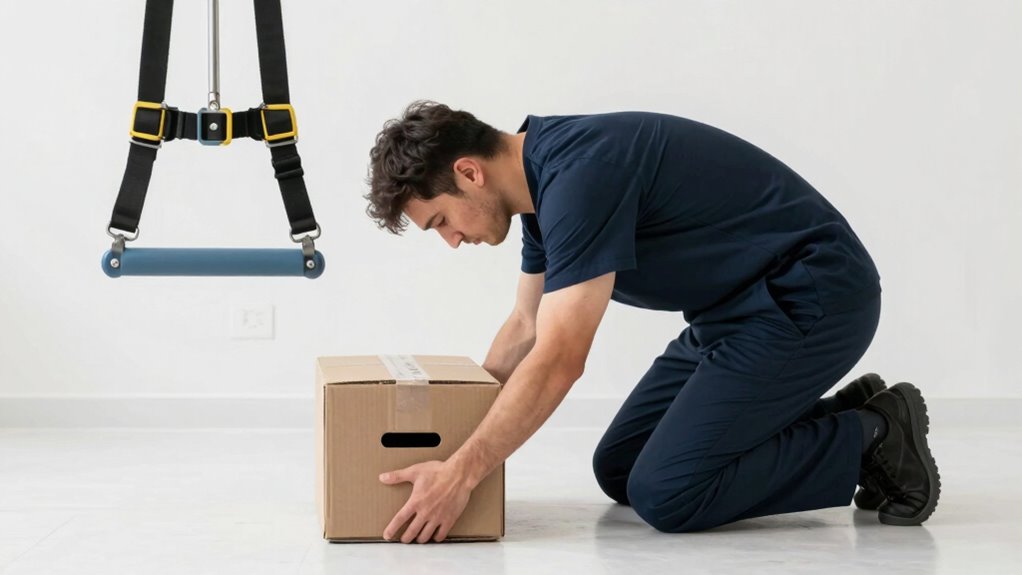
To protect your back, start by maintaining proper posture and keeping your spine aligned. Use your legs to lift, rather than your back, to distribute the effort safely. Keep the load close to your body to reduce strain and improve control during the lift. Additionally, ensuring your body mechanics are correct can help prevent injuries during lifting tasks. Being aware of safe lifting techniques can further reduce the risk of musculoskeletal injuries. Incorporating energy-efficient practices into your lifting routine can also promote sustainable safety. Recognizing proper lifting principles can enhance your safety and efficiency during physical activities. Practicing body awareness can help you identify and correct unsafe movements before injury occurs.
Maintain Proper Posture
Maintaining proper posture is essential for protecting your back during lifting. When you stand tall with your shoulders back and chest open, you reduce strain on your spine. Choose ergonomic footwear that provides stability and support, helping you maintain balance and proper alignment. Use correct lifting techniques by keeping the object close to your body, avoiding twisting, and engaging your core. Remember, poor posture can lead to injury and long-term back problems. Incorporating ventilation considerations can also aid in creating a safer environment during lifting tasks.
Use Your Legs
Using your legs correctly is essential for protecting your back during lifting. Start by establishing a proper stance: feet shoulder-width apart, with one foot slightly ahead of the other for balance. Keep your back straight and bend at your hips and knees, not your waist. Engage your core muscles to support your spine. When lifting, use your leg muscles to push upward, rather than relying on your back. Maintain the natural curve of your spine throughout the movement. Remember, proper lifting techniques involve keeping the object close to your body and avoiding twisting. By focusing on using your legs and adopting correct body mechanics, you reduce your risk of injury and ensure a safer lifting process every time. Incorporating proper body mechanics into your routine can significantly enhance your safety and efficiency during lifts. Additionally, being aware of your lifting environment can help you identify potential hazards before lifting. Developing an awareness of ergonomic principles can further improve your lifting safety. Practicing these techniques consistently can lead to a safer lifting experience and prevent long-term back issues.
Keep Close to Body
Keeping the object close to your body is essential for protecting your back during lifts. When you maintain proximity, you reduce strain and improve stability. To do this effectively:
- Use a proper grip that keeps the object secure and steady against your body.
- Align your body so your hips and shoulders are in a straight line, ensuring proper body mechanics.
- Keep the load at waist level to minimize bending and keep the weight within your center of gravity.
- Maintaining proper body mechanics throughout the lift helps prevent injury and ensures safe handling. Incorporating project management support can also assist in planning safe lifting procedures for larger tasks.
- Remember that home security systems can also provide added safety and peace of mind during daily activities.
- Being aware of cybersecurity measures can help protect your personal information while managing your safety at home.
How to Lift Safely During Caregiving Tasks

When lifting during caregiving tasks, you need to focus on maintaining proper body mechanics to protect your back. Using assistive devices can also reduce strain and make lifting safer. By combining these strategies, you’ll minimize injury risks and handle lifting tasks more effectively.
Maintain Proper Body Mechanics
To lift safely during caregiving tasks, it’s essential to maintain proper body mechanics that protect your back and muscles. Use ergonomic techniques to guarantee your movements are efficient and safe. Focus on muscle engagement to prevent strain and injury. Here are three key tips:
- Keep your back straight and bend at your hips and knees, not your waist.
- Engage your core muscles to support your spine during the lift.
- Keep the object close to your body to reduce strain on your back muscles.
- Be mindful of proper lifting techniques to ensure you are using your body effectively and avoiding unnecessary injury. Additionally, being aware of body mechanics can help you lift more safely and prevent long-term musculoskeletal issues.
Use Assistive Devices
Have you considered using assistive devices to make lifting safer and easier? These devices, like transfer belts, slide sheets, and patient lifts, help reduce strain and prevent injury. Ergonomic tools are designed to support your body’s natural movements, making lifting tasks more manageable. Using assistive devices guarantees you maintain proper body mechanics and minimize the risk of accidents. Before lifting, assess the situation and choose the appropriate device for the task. Always ensure the equipment is in good condition and positioned correctly. Training on how to use these tools properly can substantially improve safety for both you and the person you’re caring for. Incorporating assistive devices into your routine is a smart step toward safer, more efficient caregiving.
Tools and Equipment That Make Lifting Safer

Using the right tools and equipment is essential to making lifting safer and reducing the risk of injury. Ergonomic tools designed for caregiving help you maintain proper lifting techniques, minimizing strain. Here are three essential items:
- Lifting belts – Provide support to your lower back and promote proper posture during lifts.
- Transfer boards – Facilitate smooth transfers and reduce awkward movements.
- Mechanical lifts or hoists – Assist with lifting heavy or immobile individuals, ensuring safe handling. Additionally, understanding the proper use of lifting tools can further enhance safety and efficiency during transfers. Familiarity with ergonomic principles can also contribute to safer lifting practices by emphasizing body mechanics. These tools support safer lifting practices by reducing physical stress. When you use ergonomic tools correctly, you can improve your technique and lessen the chance of injury. Proper navigation and mapping of the environment can also help plan safer movement paths. Incorporating plant properties knowledge can aid in selecting the most appropriate tools for different situations, ensuring optimal safety. Always ensure proper training to maximize the benefits of these tools and maintain a safe environment.
Signs You’re Overexerting or Straining During a Lift

Even when you’re equipped with the right tools, it’s important to stay alert to how your body responds during a lift. Recognize signs of lift fatigue and strain indicators to prevent injury. If you feel sudden pain, persistent muscle soreness, or your grip weakens, you’re overexerting yourself. Also watch for quick breathing, dizziness, or a feeling of instability—these are signs you’re straining too much. Use this quick reference:
| Strain Indicators | Immediate Action |
|---|---|
| Sudden pain or discomfort | Stop lifting immediately |
| Muscle weakness or trembling | Reduce effort or seek help |
| Dizziness or lightheadedness | Pause and stabilize |
| Unusual fatigue | Rest before attempting another lift |
Pay attention to these cues to stay safe and avoid injury.
When and How to Ask for Help Before Injuries Happen

Recognizing when to ask for help before a lift goes wrong can prevent serious injuries. If you feel unsure about your lifting techniques or notice signs of fatigue, it’s time to seek assistance. Proper lifting is key to caregiver safety and avoiding strain. Here’s when to ask for help:
Know when to ask for help to prevent injuries and ensure safe lifting.
- When the load is too heavy or awkward to lift alone.
- If your body signals discomfort or strain during the lift.
- When you’re uncertain about your lifting techniques or body positioning.
Don’t push through pain or hesitation—asking for help ensures safe handling and reduces injury risk. Remember, teamwork and proper communication are essential for safe caregiving and maintaining your health during lifts. Prioritize safety above all.
Risks of Improper Lifting for Caregivers and Patients

Improper lifting techniques can pose serious risks to both caregivers and patients, leading to injuries and compromised safety. When you lift incorrectly, you risk muscle fatigue, which decreases your strength and increases the chance of sudden strains or back injuries. For patients, poor lifting can hinder their mobility, making them less likely to move safely or recover fully. You might unintentionally cause discomfort or even falls if the patient isn’t supported properly. Over time, repeated improper lifts can cause chronic pain and long-term damage for caregivers. For patients, unsafe lifting can slow their progress, increase dependency, and reduce confidence in their ability to move independently. Ensuring proper technique is *essential* to protect both your health and your patient’s well-being.
Training Resources to Improve Your Lifting Skills

To lift safely and avoid injury, it’s essential to have proper training and access to reliable resources. You can improve your lifting skills by exploring various options. First, attend hands-on workshops or classes that focus on correct lifting techniques and injury prevention. Second, utilize online tutorials and videos from reputable sources that demonstrate safe lifting practices you can review anytime. Third, consult with ergonomic specialists or physical therapists who can provide personalized guidance tailored to your needs. These resources help you develop safe habits, reduce strain, and prevent injuries. Prioritizing proper training ensures you’re equipped to lift safely, protecting both yourself and those you care for. Remember, continuous learning is key to maintaining safe lifting techniques over time.
Creating a Safe Space for Moving and Lifting Patients
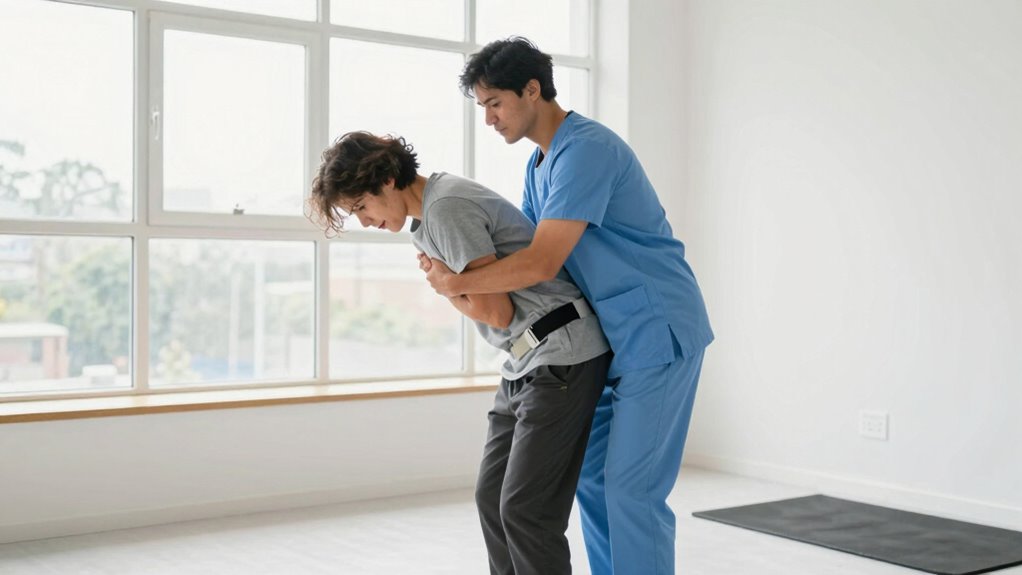
Creating a safe space for moving and lifting patients starts with organizing your environment to minimize hazards. Clear walkways, secure loose cords, and remove clutter to prevent trips and falls. Ensure the area is well-lit, so you can see clearly and avoid accidents. Maintain a comfortable temperature and provide enough space for proper body mechanics. Prioritize patient comfort by positioning their bed or chair at an appropriate height, making transfers easier. Check that all equipment, like transfer slings or gait belts, are within reach and in good condition. These steps enhance environmental safety, reducing risks for both you and the patient. A tidy, well-prepared space not only prevents injuries but also fosters a sense of security for your patient during transfers.
Frequently Asked Questions
How Can I Tell if My Lifting Technique Is Correct?
You can tell if your lifting technique is correct by maintaining proper posture—keep your back straight, bend at your hips and knees, and hold the load close to your body. Use ergonomic gear like supportive shoes or gloves to reduce strain. Check your form regularly, and if lifting feels awkward or causes discomfort, adjust your posture and grip. Proper technique minimizes injury risk and guarantees safe lifting every time.
What Are Common Mistakes to Avoid During Lifting?
Lifting mistakes are like stepping on a hidden trap, risking injury. Avoid common lifting misconceptions by maintaining proper posture—keep your back straight, bend at the hips and knees, and hold the object close. Don’t twist your body or use improper technique, as these increase strain. Always lift with your legs, not your back, and never rush the process. Staying mindful helps prevent injury and guarantees safe lifting.
How Often Should Caregivers Receive Lifting Safety Training?
You should receive lifting safety training refreshers at least once a year to make certain injury prevention. Regular updates help you stay current on proper techniques and safety protocols, reducing the risk of strain or injury. Consistent training reinforces good habits and keeps your skills sharp, ultimately protecting both you and the person you’re caring for. Don’t wait for an incident—prioritize ongoing education to maintain a safe caregiving environment.
Are There Specific Exercises to Strengthen Muscles for Lifting?
You should focus on muscle strengthening exercises like squats, lunges, and core workouts to prepare your body for lifting tasks. Incorporate regular exercise routines that target your back, legs, and arms, enhancing your strength and stability. These routines help prevent injuries by building endurance and proper lifting mechanics. Consistent practice not only boosts your confidence but also guarantees you’re better equipped to handle lifting safely and effectively.
What Psychological Factors Can Affect Safe Lifting Practices?
You might face psychological factors like mental barriers and emotional readiness that influence your safe lifting practices. If you doubt your strength or feel anxious, you may hesitate or lift improperly, risking injury. Building confidence and addressing these emotional concerns help you stay focused and mindful during lifting tasks. Recognizing and overcoming mental barriers guarantees you approach each lift with the proper mindset, promoting safety for both yourself and those you care for.
Conclusion
Remember, lifting safely is like steering a ship through calm waters—you need awareness, proper tools, and teamwork. I once watched a caregiver strain when trying to lift a patient alone, risking injury for both. Don’t let your efforts turn turbulent; use the right techniques, ask for help, and stay informed. By prioritizing safety, you’ll navigate caregiving’s challenges smoothly, protecting yourself and those you care for every step of the way.