
Transfer slings are devices made of durable fabric or mesh that help support patients during transfers, making the process safer and easier. They come in different types tailored to specific needs, such as padded or reinforced options for bariatric patients. Choosing the right sling involves considering comfort, materials, and proper fit. To guarantee safety and effectiveness, you should position and secure the sling correctly and avoid common mistakes. Keep exploring to learn more about selecting and using transfer slings properly.
Key Takeaways
- Transfer slings are made of durable fabric or mesh to support safe patient movement and reduce injury risk.
- Selecting the right sling depends on patient needs, with options like padded, reinforced, or hypoallergenic materials.
- Proper fit and installation are crucial for comfort, safety, and effective support during transfers.
- Regular inspection and correct positioning help prevent discomfort, injuries, and ensure hygiene.
- Following safety guidelines, including weight limits and communication, enhances transfer safety and efficacy.
What Are Transfer Slings and How Do They Work?
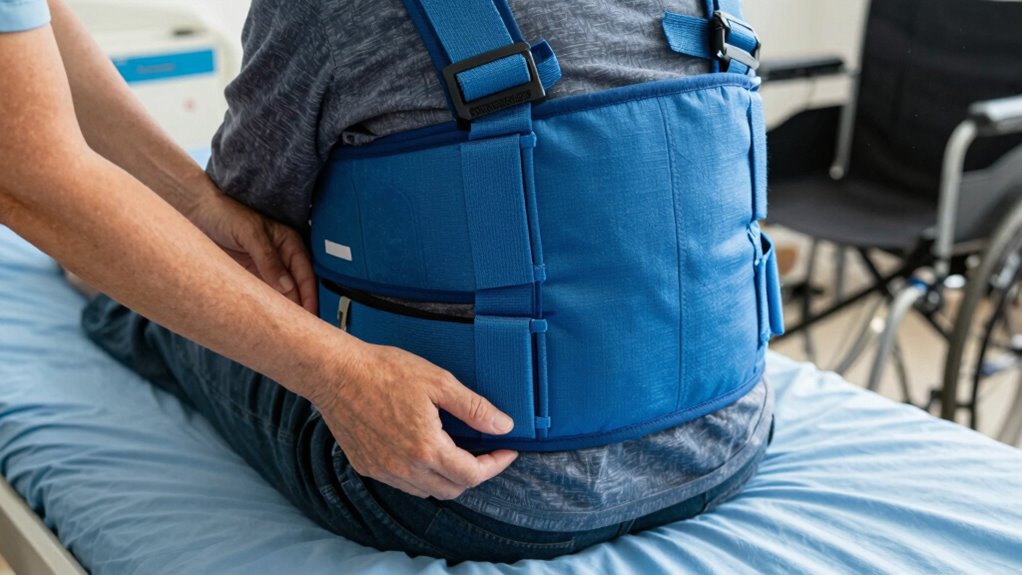
Have you ever wondered how caregivers safely move patients with limited mobility? Transfer slings are essential tools that facilitate smooth, secure transfers, reducing the risk of injury. They are made of durable, supportive fabric or mesh that wraps around the patient, providing comfort and stability during movement. Proper sling maintenance is vital to ensure safety and hygiene; regularly inspecting for tears, cleanliness, and correct fitting helps prevent accidents. Transfer slings work by spreading the patient’s weight evenly, easing the caregiver’s effort and enhancing patient comfort. They’re compatible with hoists or lifts, allowing for effortless transfers from beds to chairs or other surfaces. Additionally, understanding the different types of transfer slings can help caregivers choose the most suitable option for each patient’s needs. Selecting appropriate sling materials that suit specific patient conditions can further improve safety and comfort during transfers. Ensuring proper sling fitting and positioning is crucial for effective and safe transfers. Proper training on sling application can also enhance safety and efficiency during transfers.
Which Types of Transfer Slings Are Best for Your Needs?
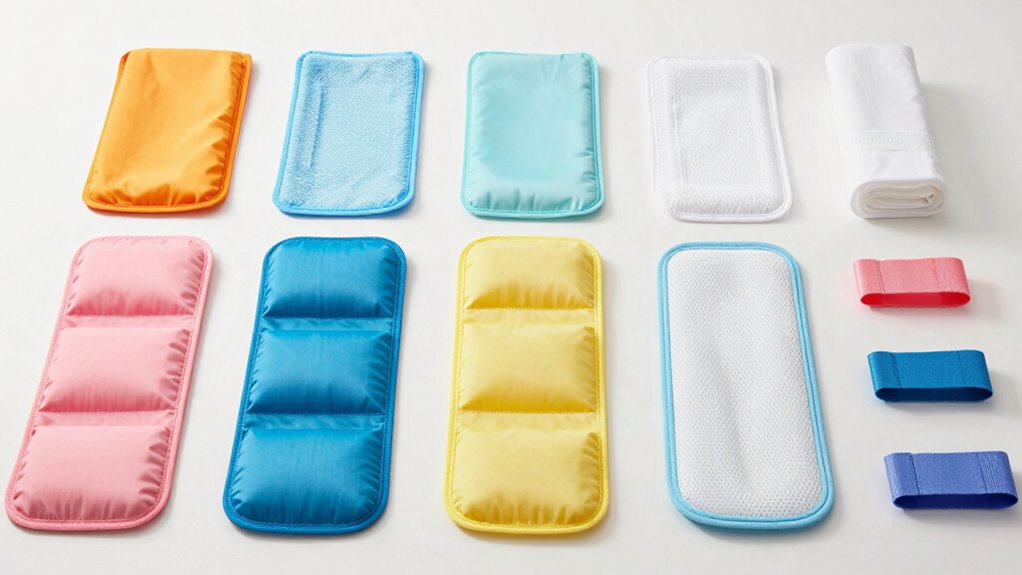
Choosing the right transfer sling depends on your specific needs and the patient’s condition. For example, if ergonomic benefits are a priority, look for slings designed to reduce strain on caregivers and provide comfort for patients. Slings made from breathable, padded materials can improve comfort during transfers. Material considerations are vital; durable, washable fabrics ensure longevity and hygiene, while lightweight options ease handling. For heavier or bariatric patients, reinforced slings with extra support are ideal. If skin sensitivity is a concern, opt for hypoallergenic or soft mesh materials. Additionally, understanding the thermal behavior of sling materials can help in selecting those that maintain their integrity under various conditions. The material’s durability also plays a crucial role in ensuring the sling’s longevity and safe usage over time. Being aware of the pinball machine weights can help in planning for safe handling and installation. Recognizing the impact of material properties helps in choosing slings that perform reliably across different environments. Properly assessing material resilience ensures the sling performs well in diverse situations. Your choice should balance safety, comfort, and ease of use, guaranteeing the sling supports both patient needs and caregiver ergonomics. Selecting the appropriate type helps facilitate smoother, safer transfers.
How to Choose the Right Transfer Sling
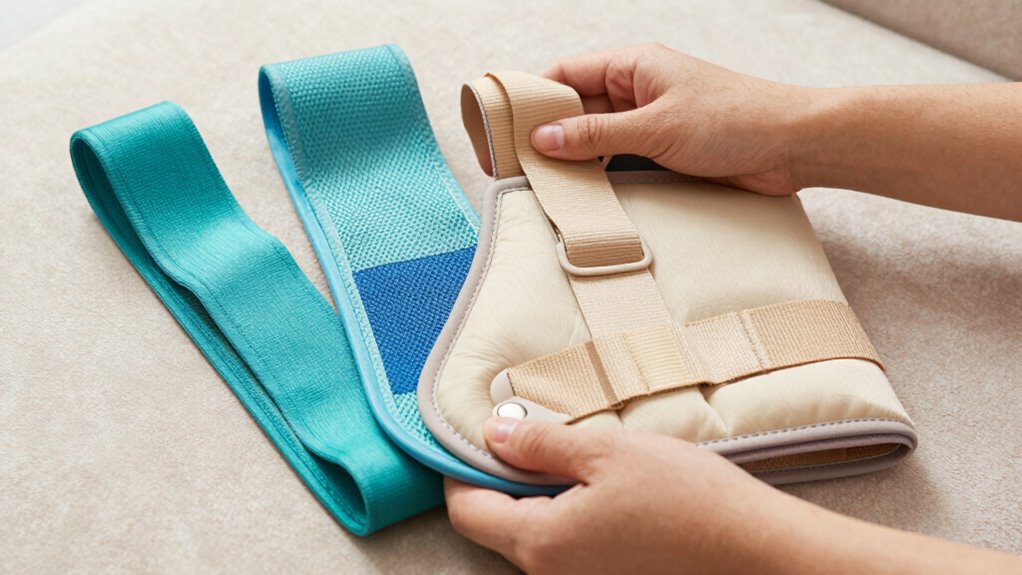
Wondering how to select the right transfer sling? Focus on two key factors: ergonomic design and material selection. An ergonomic sling ensures comfort and proper support during transfers, reducing strain for both you and the patient. When considering material, choose options that are durable, breathable, and gentle on the skin. To visualize your options, imagine a sling that:
- Fits snugly without causing pressure points
- Is made from soft, moisture-wicking fabric
- Offers adjustable features for a secure, personalized fit
Additionally, understanding safe installation practices can help ensure the sling functions correctly and reduces risk during transfers. Incorporating proper load distribution can further enhance safety and comfort for both caregiver and patient, especially when selecting materials that promote breathability and skin safety. Careful consideration of plant properties in material choice can also improve overall comfort and efficacy during use.
Tips for Safe and Effective Transfer Sling Use
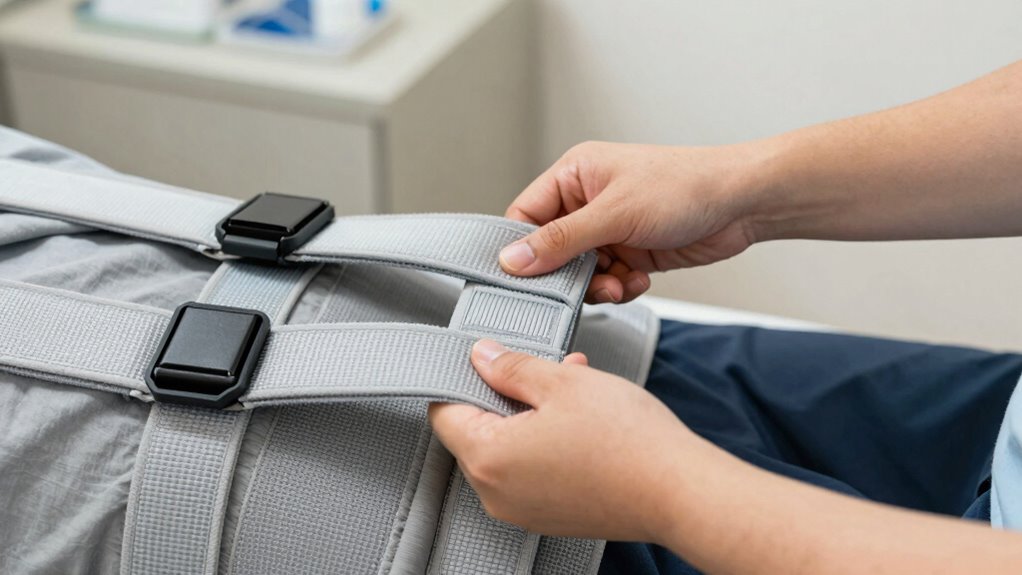
To guarantee a safe and effective transfer, it’s essential to follow proper sling use techniques. Always ensure the sling is positioned correctly to promote patient comfort and prevent injuries. Check that straps are snug but not too tight, allowing for secure support without causing discomfort. Regular sling maintenance is vital; inspect for signs of wear, tears, or damage before each use, and clean according to manufacturer instructions to maintain hygiene. Communicate clearly with your patient throughout the process, explaining each step to reduce anxiety. Properly securing the sling and adhering to weight limits help prevent accidental slips or falls. Additionally, understanding sling materials and types can inform your choice of equipment and improve safety. Being familiar with transfer techniques can also enhance the efficiency and safety of patient handling. Familiarity with patient assessment can help determine the appropriate transfer method for each individual. Employing proper safety protocols ensures that both patient and caregiver are protected during the transfer. By focusing on patient comfort and maintaining your equipment, you guarantee safer transfers and a better experience for everyone involved.
Common Mistakes to Avoid With Transfer Slings
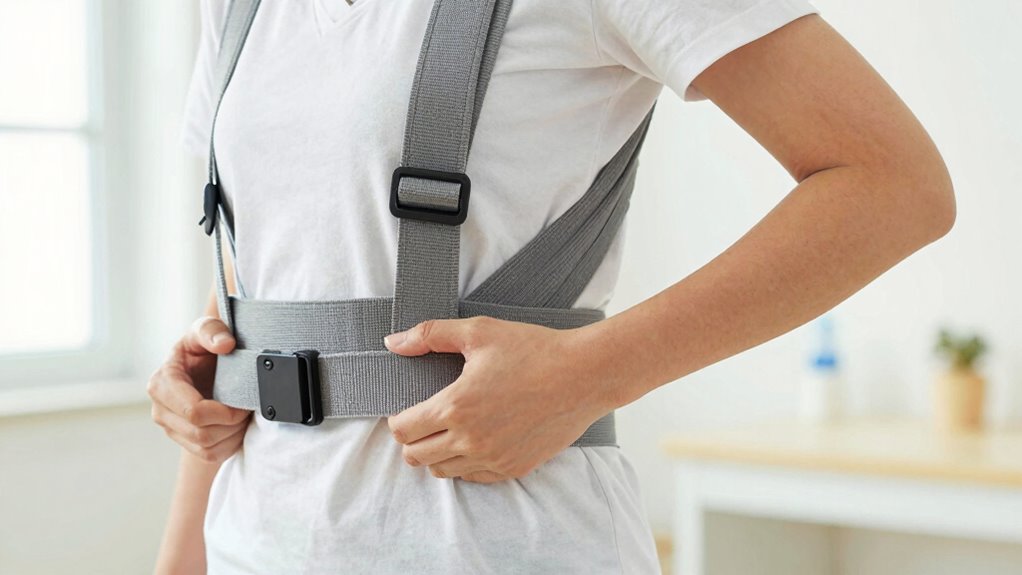
One of the most common mistakes with transfer slings is improper positioning, which can cause discomfort or injury for the patient. This often results from incorrect weight distribution, making the transfer unsafe and inefficient. To avoid this, verify the sling supports the patient evenly, distributing weight across the hips and shoulders. Visualize the patient like a balanced scale, with weight spread evenly to prevent strain. Using the correct supportive materials can also help ensure proper support and comfort during transfer. Additionally, paying attention to proper placement techniques can significantly reduce the risk of improper support and improve transfer safety. Incorporating ergonomic principles into your positioning can further enhance safety and comfort for both patient and caregiver. Ensuring that the transfer process adheres to patient safety guidelines is essential for optimal outcomes. Being aware of transfer sling types can also help you select the most appropriate option for each patient, reducing potential complications.
Frequently Asked Questions
How Often Should Transfer Slings Be Replaced or Inspected?
You should inspect your transfer slings regularly, ideally before each use, to guarantee safety and integrity. Replace them when they show signs of wear, damage, or after their lifetime expectancy has been reached, usually every 6 to 12 months depending on usage. Frequent inspections help identify issues early, extending the sling’s life and maintaining safe transfer practices. Always follow manufacturer guidelines for inspection frequency and replacement to ensure maximum safety.
Can Transfer Slings Be Used for Weight-Bearing Transfers?
Ever wonder if transfer slings can handle weight-bearing transfers? Yes, they can, but only if you select the right sling material that’s compatible with the patient’s needs. Using a sling designed for weight-bearing guarantees better patient comfort and safety. Always check the manufacturer’s guidelines for sling material compatibility, and ensure the sling is rated for the weight to prevent accidents. Proper selection improves transfer safety and patient comfort.
Are Transfer Slings Suitable for All Patient Sizes and Weights?
Transfer slings aren’t suitable for all patient sizes and weights. You need to consider patient size and sling compatibility to ensure safety and effectiveness. Larger or heavier patients may require specialized, weight-rated slings designed to support their size comfortably. Always check the manufacturer’s guidelines and consult with healthcare professionals to select the right sling, guaranteeing it accommodates the patient’s needs and maintains proper support during transfers.
How Do I Clean and Maintain Transfer Slings Properly?
You clean and maintain transfer slings by following proper cleaning procedures, guaranteeing they’re thoroughly disinfected after each use with mild soap and water or approved disinfectants. Store them in a cool, dry place away from direct sunlight to prevent damage. Regularly inspect for tears or wear, and always dry completely before storing. Proper cleaning procedures and storage tips extend the lifespan of your slings and ensure patient safety.
What Are the Signs That a Transfer Sling Is Damaged or Unsafe?
You’ll know a transfer sling is damaged or unsafe if you notice visual damage like tears, frayed edges, or loose stitching. Fabric wear, such as thinning spots or discoloration, also indicates it’s time to replace the sling. Always inspect it before use, and if anything looks compromised, don’t risk using it. Regular checks help ensure safety and prevent accidents during transfers.
Conclusion
Think of transfer slings as your trusted bridge, guiding someone safely from one side to the other. When you choose the right type and follow best practices, you create a sturdy pathway that guarantees comfort and safety. Avoid common pitfalls like a vigilant traveler avoiding obstacles. With careful use, you become the steady captain of a smooth voyage, making each transfer a safe crossing — a journey built on knowledge, confidence, and care.