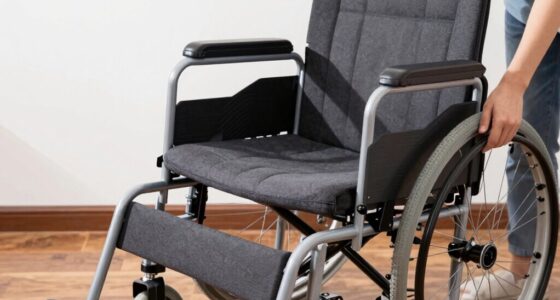

To determine if your loved one can safely operate a power wheelchair, assess their physical abilities like strength, coordination, and sensory awareness, along with their cognitive skills such as decision-making and hazard recognition. Watch for signs of operation difficulties, like inconsistent movements or response delays. Proper training, supervision, and maintenance are essential for safety. If concerns arise, professional evaluations can help guarantee they’re ready. Keep exploring to learn more about making sure your loved one stays safe and comfortable.
Key Takeaways
- Ensure your loved one has sufficient upper body strength, coordination, and sensory awareness for safe wheelchair control.
- Conduct environmental assessments and make necessary modifications to eliminate hazards and improve accessibility.
- Confirm cognitive and emotional readiness, including decision-making skills and emotional stability, for independent operation.
- Regularly inspect and maintain the wheelchair, including batteries and controls, to prevent safety issues.
- Provide ongoing training, supervision, and seek professional help if operational difficulties or safety concerns arise.
What Physical Skills Are Needed to Operate a Power Wheelchair Safely?
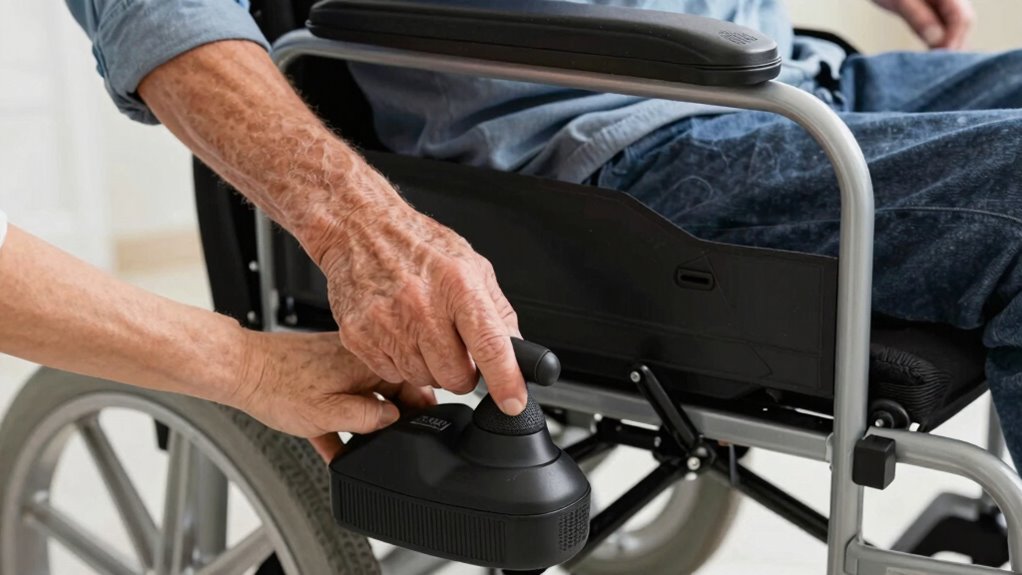
To operate a power wheelchair safely, you need to have good upper body strength and coordination. Your motor skills are essential for controlling the joystick or other control devices accurately. Fine motor skills help you make precise movements, while gross motor skills support overall stability and strength. Sensory awareness also plays a key role; you must be able to perceive your surroundings clearly to navigate safely. This includes knowing your position, feeling the pressure on your controls, and recognizing obstacles or changes in terrain. Sensory perception is integral to safe operation, as it enables you to respond appropriately to environmental cues. If your motor skills or sensory awareness are limited, operating the wheelchair may be unsafe. Developing these skills through practice or therapy can improve your control and confidence, ensuring safer navigation and reducing the risk of accidents. Proper ergonomic setup of controls can also enhance safety and ease of operation. Additionally, understanding adaptive technologies can further support safe operation for individuals with specific limitations. Regular assessments by healthcare professionals can help identify any skill deficits that might impact safe wheelchair use.
How Do Cognitive Abilities Affect Power Wheelchair Use?

Your cognitive abilities play a vital role in safe power wheelchair use. Impairments can increase risks by affecting your decision-making and awareness of your surroundings. Understanding these challenges helps guarantee proper support and safer operation. Additionally, water safety awareness is crucial for individuals who enjoy aquatic activities, ensuring they recognize the importance of swimming skills and safety measures around water. Many electric bikes, similar to power wheelchairs, rely on electric motor performance to ensure reliable operation, emphasizing the importance of understanding how power sources affect safety and efficiency. Recognizing the influence of dark psychology tactics can also help individuals identify and resist manipulation that may compromise their safety while operating these devices. Furthermore, Vibe coding can be utilized to develop assistive solutions that enhance safety monitoring and decision-making support.
Cognitive Impairment Risks
Cognitive impairments can substantially impact how safely someone operates a power wheelchair. If emotional stability is compromised, your loved one may experience sudden mood swings or anxiety, affecting their focus and judgment. Poor communication skills can hinder their ability to understand instructions or respond appropriately to obstacles, increasing the risk of accidents. These factors can lead to difficulty recognizing hazards or reacting quickly in emergency situations. Additionally, cognitive challenges may cause confusion about controls or navigation, making it harder to operate the wheelchair safely. Recognizing these risks helps you understand why thorough assessments and ongoing supervision are vital. Ensuring your loved one’s emotional stability and communication abilities are adequate can markedly reduce the chances of accidents and promote safer wheelchair use. Training and support are also crucial to help individuals develop the necessary skills for safe operation. Awareness of cognitive impairments and their impact can further inform safety measures and intervention strategies, ensuring comprehensive care. Incorporating regular evaluations can help monitor any changes in cognitive function that might affect safety.
Decision-Making Skills
When cognitive abilities are impaired, making quick and accurate decisions becomes difficult, which can seriously compromise safe wheelchair operation. Your loved one may struggle with emotional readiness to handle unexpected obstacles or emergencies. This affects their confidence and judgment during critical moments. Imagine:
- Recognizing a sudden obstacle and choosing the safest route
- Responding swiftly to traffic or pedestrian signals
- Adapting to unpredictable changes in the environment
Poor decision-making can lead to accidents, injuries, or frustration, impacting their social life. It also influences how others perceive their independence and reliability. Social impact becomes evident when friends or caregivers question their ability to operate safely. Ensuring proper decision-making skills helps maintain safety and supports emotional readiness, fostering a sense of independence and social inclusion.
How to Assess If Your Loved One Is Ready to Use a Power Wheelchair?

To determine if your loved one is ready for a power wheelchair, start by evaluating their physical abilities to operate it securely. Next, assess their cognitive skills to make certain they can understand and follow safety instructions. Additionally, consider their emotional readiness to use such equipment confidently user confidence. Finally, check that their environment is safe and accessible for wheelchair use leveraging innovative European cloud servers to support remote monitoring and safety data management. Ensuring proper environmental adaptations can significantly enhance safety and independence for wheelchair users.
Physical Ability Evaluation
Evaluating whether your loved one is physically ready to use a power wheelchair involves observing their strength, coordination, and endurance. First, check if they can sit upright comfortably without assistance. Next, see if they can reach and press the joystick smoothly, indicating good hand-eye coordination. Finally, assess their stamina by having them operate the wheelchair for several minutes, noting any fatigue. Remember, proper wheelchair maintenance and the right wheelchair accessories can enhance safety and comfort. If they struggle with basic movements or show signs of fatigue, consult a healthcare professional before proceeding. Ensuring their physical ability aligns with wheelchair requirements helps prevent accidents, making sure they can operate their device confidently and safely.
Cognitive Skill Assessment
Evaluating your loved one’s cognitive skills is essential to guarantee they can operate a power wheelchair safely. Key aspects include memory recall and attention span. If they can remember basic instructions and stay focused during tasks, it indicates readiness. You can assess these skills through simple activities, like asking them to follow multi-step directions or recall recent events. Observe their ability to concentrate without distraction. To clarify, here’s a helpful table:
| Skill | What to Look For | Why It Matters |
|---|---|---|
| Memory Recall | Remembering instructions or steps | Ensures they can operate controls safely |
| Attention Span | Staying focused on tasks | Prevents accidents or errors |
| Problem-Solving | Responding to unexpected situations | Critical for safe navigation |
| Decision-Making | Choosing correct actions | Maintains safety and independence |
| Awareness | Recognizing surroundings | Avoids hazards |
Additionally, assessing their cognitive skills can help identify areas where they might need support or supervision to ensure safe operation.
Safety Environment Check
Before your loved one starts using a power wheelchair, it’s essential to assess their living environment for safety. You want to verify they can operate the chair confidently and securely. Start by examining the space for potential obstacles, such as loose rugs or clutter, that could cause accidents. Next, consider necessary environmental modifications, like ramps or widened doorways, to facilitate mobility. Finally, evaluate the availability and placement of assistive technology, such as accessible switches or alarms, to support safe operation. Creating a safe environment involves removing hazards, adding ramps or grab bars, and ensuring controls are in reach. Additionally, assessing the safety environment helps identify specific risks and necessary adaptations, promoting confidence and independence for your loved one. Conducting a risk assessment of the area can further help prevent accidents and tailor safety measures effectively. Performing a comprehensive home evaluation can reveal hidden hazards and ensure all safety features are in place. Incorporating home modification strategies based on the assessment can significantly enhance safety and accessibility. This proactive approach helps your loved one navigate their space confidently and reduces the risk of injury while using a power wheelchair. Also, understanding the gold IRA market can provide insights into financial planning for long-term care needs, ensuring your loved one’s safety and security.
Signs of Difficulty in Power Wheelchair Operation You Should Watch For?

If you notice your power wheelchair behaving unexpectedly, it’s a clear sign that you may be experiencing difficulty with operation. One common issue is inconsistent movement or sudden stops, which can indicate problems with wheelchair maintenance or low battery life. Pay attention to how smoothly it responds to your commands—if there’s hesitation or delay, it might be time to check the batteries or inspect for loose connections. Additionally, if the wheelchair seems to drain the battery quickly or won’t hold a charge, it’s a warning sign that the battery needs replacement or servicing. Regularly monitoring these signs helps guarantee safe operation and prevents unexpected breakdowns, keeping your loved one safe and confident while using the power wheelchair. Understanding maintenance schedules can help ensure the wheelchair remains in optimal condition and operates reliably. Staying aware of system diagnostics can also assist in identifying issues early before they affect safety. Implementing preventive maintenance routines can further enhance safety and prolong the lifespan of the wheelchair. Performing routine inspections regularly allows caregivers to spot potential problems before they escalate. Being familiar with troubleshooting procedures can empower caregivers to address minor issues promptly and effectively.
Training Tips for Safe Power Wheelchair Use at Home?

Proper training is essential to guarantee safe and confident power wheelchair use at home. First, ensure your loved one practices smooth acceleration and stopping, which improves driving comfort and control. Second, teach them to navigate tight spaces by practicing turning and reversing, reducing the risk of collisions. Third, emphasize the importance of wheelchair maintenance, like checking batteries and wheels regularly, to prevent breakdowns. Encourage frequent inspections to spot any issues early, ensuring the device remains safe and reliable. Remember, a well-maintained wheelchair with proper handling skills enhances safety and comfort. Providing clear instructions and ongoing supervision helps your loved one develop confidence, making daily use safer and more comfortable.
When to Seek Professional Help for Power Wheelchair Safety?

Knowing when to seek professional help is essential for maintaining safe power wheelchair use. If your loved one shows signs of difficulty with wheelchair maintenance, such as frequent breakdowns or unfamiliar noises, it’s time to consult a specialist. Professional assessments ensure the wheelchair is functioning properly and help prevent accidents. Additionally, emotional support plays a critical role; if your loved one feels anxious, overwhelmed, or unsure about operating the device, a professional can provide reassurance and tailored training. Regular check-ups with a mobility expert can identify issues early and keep safety top priority. Don’t wait until a small problem becomes a serious safety concern—prompt professional help helps maintain independence and peace of mind for everyone involved.
How to Decide If Your Loved One Is Ready for a Power Wheelchair?

Deciding if your loved one is ready for a power wheelchair involves observing their daily abilities and comfort level with mobility. Look for signs like consistent difficulty walking, fatigue, or loss of independence. Consider their emotional readiness—are they willing to adapt and accept help? Evaluate their social support network: do they have family or friends to assist and encourage them? To help you assess, imagine these scenarios:
Assess mobility, emotional readiness, and social support to determine if a power wheelchair is right.
- They confidently navigate familiar spaces without distress.
- They express willingness to regain independence.
- They feel supported by loved ones during the shift.
If they show readiness emotionally and have strong social support, a power wheelchair can improve quality of life. Trust your observations and involve healthcare professionals to make the best decision for your loved one’s safety and comfort.
Frequently Asked Questions
What Legal Requirements Exist for Power Wheelchair Operation?
You need to check local laws for license requirements and training protocols, as they vary by state or country. Usually, operating a power wheelchair doesn’t require a license, but some areas may demand proof of training or certification. It’s essential to make certain your loved one completes proper training to operate safely and legally, reducing risks and ensuring compliance with relevant regulations. Always consult local authorities for specific rules.
How Do Environmental Factors Impact Safe Wheelchair Use?
Environmental factors greatly impact safe wheelchair use. You should guarantee indoor navigation is clear of obstacles like clutter or uneven flooring, which can cause accidents. Outdoors, watch for hazards such as uneven terrain, curbs, or wet surfaces that can lead to slips or tipping. Regularly inspect the environment and make necessary modifications to keep your loved one safe, confident, and comfortable while operating the wheelchair.
Are There Age Restrictions for Power Wheelchair Users?
Age restrictions for power wheelchair users vary depending on local laws and manufacturer guidelines. Typically, children under a certain age, often around 5 or 6 years old, aren’t permitted to operate them. Licensing requirements may also apply, especially for adult users in public settings. Always check with local authorities and healthcare providers to guarantee compliance and safety, as regulations aim to protect young and inexperienced users from potential accidents.
How Can Caregivers Support Independence Safely?
You can support independence safely by encouraging your loved one to build adaptive skills and practice communication methods that enhance their control and confidence. Offer training on wheelchair operation, ensuring they understand safety features. Stay involved by supervising initial use and providing positive feedback. Regularly check for any challenges, and adapt support strategies as needed. Your encouragement helps them develop independence while maintaining safety.
What Are Common Technical Issues and Troubleshooting Tips?
You should regularly check the battery for signs of wear, like reduced runtime or difficulty holding a charge. If the device malfunctions, troubleshoot by inspecting connections, replacing worn-out batteries, or resetting the power. Keep the device clean and make sure all parts are secure. Proper battery maintenance and quick troubleshooting can prevent most issues, ensuring your loved one stays safe and mobile without unexpected breakdowns.
Conclusion
Deciding if your loved one can safely operate a power wheelchair is like steering a delicate dance—each step must be in harmony. Watch for signs of difficulty, assess their skills carefully, and seek professional guidance when needed. With patience and proper training, you can help them glide smoothly through daily life. Remember, safety isn’t just a destination but a journey you take together, ensuring their independence stays steady and strong.