
TL;DR

Turn quiet afternoons into listening time
- Thousands of audiobooks, podcasts and originals
- Listen on your phone, tablet or Echo — also offline
- Cancel anytime
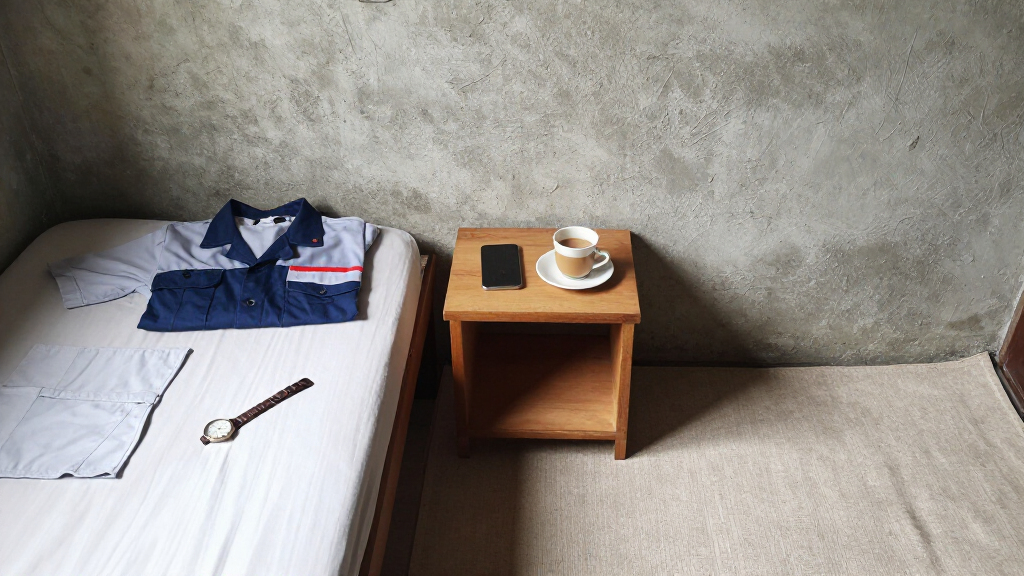
A Mumbai resident spent a night in a traditional chawl, providing firsthand insight into the living conditions and challenges faced by residents. The experience aims to raise awareness about urban housing issues in Mumbai.
A Mumbai resident spent a night in a traditional chawl to understand the living conditions firsthand, revealing the daily challenges faced by residents of such neighborhoods. This experience aims to shed light on the ongoing housing issues in Mumbai and why they matter to urban dwellers across India.
The resident, who chose to remain anonymous, stayed in a Mumbai chawl for a night to experience the environment and living conditions. The stay was organized by a local community group aiming to highlight the hardships faced by residents, including limited space, shared facilities, and infrastructural constraints. According to the participant, the experience was eye-opening, and they reported feeling cramped and overwhelmed by the lack of privacy and basic amenities.
During the stay, the resident observed the communal lifestyle, including shared toilets and water sources, and noted the constant noise and congestion typical of chawls. They also spoke with residents, who expressed concerns over rising housing costs, limited access to healthcare, and infrastructural neglect. Local officials and housing advocates have long pointed out that such conditions are common in densely populated parts of Mumbai, especially in informal settlements.
One Night in a Mumbai Chawl
An overnight stay offered a Mumbai resident a compressed but revealing view of daily life shaped by limited space, communal facilities, constant noise and an increasingly unaffordable housing market.
Daily constraints become impossible to overlook
A single night cannot represent a lifetime in a chawl, but it can make hidden pressures tangible. The participant described feeling cramped and overwhelmed while observing how residents continually negotiate shared space and infrastructure.
Compressed living
Small rooms support sleeping, cooking, storage and family life, leaving little room for separation between activities.
Few personal boundaries
Thin walls, close neighbors and shared circulation areas make quiet time and personal privacy difficult to maintain.
Shared essentials
Communal toilets and water sources turn basic daily routines into coordinated activities that may involve queues and delays.
Continuous noise
Dense occupancy, movement and street activity produce a near-constant soundscape with limited opportunity for retreat.
Costs keep rising
Residents described pressure from housing costs in a city where secure, well-serviced alternatives remain out of reach for many.
Neglect compounds risk
Maintenance gaps and limited access to services can intensify health, sanitation, safety and mobility challenges.
The overnight experience, from arrival to changed perspective
The stay was organized by a local community group to draw attention to the human reality behind abstract debates about density, redevelopment and housing supply.
Enter the shared environment
Close quarters and communal circulation are immediately visible.
Follow everyday routines
Water, sanitation, cooking and rest all depend on shared systems.
Listen to residents
Housing costs, healthcare access and neglect emerge as linked concerns.
Reframe urban comfort
The participant leaves with a sharper understanding of housing inequality.
What changes when space and services are shared?
The distinction is not simply room size. Privacy, sanitation, maintenance and access to reliable infrastructure combine to shape health, safety and quality of life.
| Living condition | Typical chawl pressure | Well-serviced housing | Likely consequence |
|---|---|---|---|
| Private space | ✗Severely limited | ✓Separated rooms | Stress, disrupted sleep and reduced privacy |
| Sanitation | ~Communal facilities | ✓Household access | Queues, hygiene concerns and safety risks |
| Water access | ~Shared or constrained | ✓Reliable connection | Time burden and difficult household planning |
| Noise control | ✗Minimal separation | ✓Greater insulation | Fatigue, reduced concentration and distress |
| Maintenance | ~Uneven investment | ✓Planned upkeep | Infrastructure failures accumulate over time |
The most visible burdens of dense housing
This qualitative scale summarizes the relative prominence of themes described during the overnight stay. It illustrates the account; it is not a statistical survey of all chawl residents.
Observed pressure intensity
Qualitative visualization based on the participant’s account and resident conversations. Bar lengths are illustrative, not measured percentages.
Voices from the account
“It was eye-opening to see how residents manage daily life in such cramped conditions.”
Participant who stayed overnight“Experiencing life in a chawl provides a stark reminder of the urgent need for affordable, sustainable housing.”
Local housing advocateHousing conditions ripple through urban life
The experience connects physical constraints to broader social outcomes—and shows why housing policy cannot be separated from health, dignity or opportunity.
Awareness matters—but reform requires systems
Personal immersion can humanize a policy issue, yet durable change depends on investment, governance, resident participation and housing options that remain genuinely affordable.
Affordable housing supply
Expand secure, well-connected housing without pricing existing low-income communities out of their neighborhoods.
Infrastructure upgrades
Prioritize water, sanitation, ventilation, fire safety and reliable maintenance in densely occupied buildings.
Resident-led planning
Include communities in redevelopment decisions so improvements reflect real routines, livelihoods and support networks.
Accountable follow-through
Track whether awareness campaigns lead to funded programs, implementation milestones and measurable improvements.
Will a firsthand account influence housing policy? The experience may increase public attention, but the supplied local account does not establish a direct policy commitment or timeline. The reported estimate that more than 40% of Mumbai residents live in informal housing also warrants verification against a current authoritative dataset.
Impacts of Urban Housing Conditions in Mumbai
This firsthand account underscores the persistent housing challenges in Mumbai’s densely populated neighborhoods. It highlights the struggles of residents living in cramped conditions, which have implications for health, safety, and overall quality of life. The experience aims to foster greater awareness among policymakers and the public about the need for sustainable urban housing solutions.
compact portable water purifier for shared facilities
As an affiliate, we earn on qualifying purchases.
As an affiliate, we earn on qualifying purchases.
Historical and Current Housing Challenges in Mumbai
Mumbai’s housing crisis has been ongoing for decades, driven by rapid urbanization and population growth. Many residents live in informal settlements or chawls, which were originally built to accommodate mill workers and low-income families. Despite government initiatives, overcrowding, inadequate infrastructure, and rising real estate prices continue to push many into substandard living conditions. Recent reports indicate that over 40% of Mumbai’s population resides in informal housing, with limited access to basic services.
“Experiencing life in a chawl provides a stark reminder of the urgent need for affordable, sustainable housing solutions in Mumbai.”
— local housing advocate
Unanswered Questions About Urban Housing Reform
While the stay highlighted existing issues, it remains unclear how much impact such personal experiences will have on policy change. It is also uncertain whether the government will implement effective reforms to improve living conditions in Mumbai’s informal housing sectors in the near future.
Next Steps for Housing Policy and Awareness
Advocates plan to use this experience to push for increased investment in affordable housing and infrastructural upgrades. Policymakers may face renewed pressure to address overcrowding and improve living standards in Mumbai’s informal settlements. Public awareness campaigns are expected to continue, emphasizing the human side of urban housing challenges.
Key Questions
What is a chawl in Mumbai?
A chawl is a type of low-cost housing found in Mumbai, characterized by small, shared rooms and communal facilities, often housing low-income families.
Why did the resident choose to stay in a chawl?
The resident aimed to gain a firsthand understanding of the living conditions faced by residents and to shed light on urban housing challenges in Mumbai.
What are the main issues faced by chawl residents?
Residents typically face overcrowding, lack of privacy, shared sanitation facilities, infrastructural neglect, and rising housing costs.
Will this experience lead to policy changes?
While it raises awareness, it is uncertain whether it will directly result in policy reforms. Advocacy groups hope to influence future housing policies based on such experiences.
Source: local
Halloween Picks
halloween
As an affiliate, we earn on qualifying purchases.