

Searching for the best budgeting apps in 2026? The right app can help you track expenses, set savings goals, and stay financially organized with ease. Budgeting & Finances stands out as the overall leader for its comprehensive features, while Expense Tracker 2.0 offers excellent automation for savers. The main challenge is balancing features with simplicity—more advanced apps often come with a steeper learning curve, whereas simpler options might lack depth. Keep reading for a detailed comparison to find the best fit for your financial goals.

Get comfort and care essentials delivered free — and shop member deals
- Fast, free delivery on millions of items
- Access to Prime Big Deal Days deals on October 6–7
- Prime Video, Amazon Music and more included
Complete the kit


Key Takeaways
- The top-ranking apps combine ease of use with detailed expense tracking, making them suitable for a broad audience.
- Automation features, like bill reminders and automatic categorization, significantly enhance budgeting efficiency.
- Pricing varies widely; free versions often suffice for casual users, but premium plans are better for detailed financial planning.
- Apps with integration capabilities (bank accounts, credit cards) streamline tracking but may raise privacy concerns.
- Simplicity is key for beginners, while power users may prefer apps with advanced features like goal setting and debt tracking.
| Budget Planner & Expense Tracker |  | Best Overall for Daily Expense Management | Ease of Use: High | Portability: Yes | Expense Tracking: Effective | VIEW ON AMAZON | See Our Full Breakdown |
| Budget Tracker & Bill Reminder |  | Best for Bill Management and Basic Budgeting | Bill Reminders: Yes | Budget Management: Basic | Integrations: None | VIEW ON AMAZON | See Our Full Breakdown |
| Budgeting & Finances |  | Best for Beginners and Financial Literacy | Educational Content: Yes | Budgeting Tips: Practical | Financial Tools: Limited | VIEW ON AMAZON | See Our Full Breakdown |
| eZ Budget Planner | 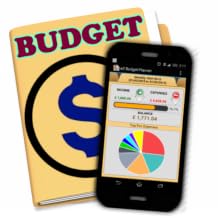 | Best Free, User-Friendly Budgeting Tool | Cost: Free | Ease of Use: High | Features: Basic | VIEW ON AMAZON | See Our Full Breakdown |
| Budget Manager & Expense Tracker – Personal Finance Planner |  | Best for Organized Financial Planning | Budget Management: Effective | Expense Tracking: Supported | Features Detail: Limited | VIEW ON AMAZON | See Our Full Breakdown |
| Expense Tracker 2.0 – Financial Assistant for Budgeting and Saving |  | Best for Holistic Financial Management | Platform Compatibility: Unknown | Expense Tracking: Yes | Budget Planning: Yes | VIEW ON AMAZON | See Our Full Breakdown |
| Monthly Budget |  | Best for Basic Monthly Expense Management | Platform Compatibility: Unknown | Expense Tracking: Yes | Income Tracking: Yes | VIEW ON AMAZON | See Our Full Breakdown |
| budgeting app | Expense Tracking |
|---|---|
| Budget Planner & Expense Track | Effective |
| Budget Tracker & Bill Reminder | — |
| Budgeting & Finances | — |
| eZ Budget Planner | — |
| Budget Manager & Expense Track | Supported |
| Expense Tracker 2.0 | Yes |
| Monthly Budget | Yes |
More Details on Our Top Picks
Budget Planner & Expense Tracker
This budget planner stands out for its straightforward approach to organizing daily expenses, making it ideal for users seeking an easy-to-use, portable solution. Compared to the eZ Budget Planner, it offers more effective expense monitoring, but it lacks advanced financial analysis features that some users might need for long-term planning. Its simplicity makes it perfect for personal use, especially for those who want quick, visual control over their spending. However, the limited space for notes and absence of financial insights could be drawbacks for more detailed budgeting needs.
Pros:- Helps organize and monitor personal finances
- Easy to use and portable
- Keeps track of expenses effectively
Cons:- Lacks detailed financial analysis features
- Limited space for extensive notes
Best for: Individuals who want a practical, portable tool to manage daily expenses without complex features
Not ideal for: Budgeters seeking in-depth financial analysis or note-taking capabilities
- Ease of Use:High
- Portability:Yes
- Expense Tracking:Effective
- Financial Analysis:Limited
- Note Space:Limited
- Intended Use:Personal Daily Expenses
Our verdict“This makes the most sense for users needing a simple, effective daily expense tracker without extra complexity.”
Budget Tracker & Bill Reminder
This app excels at reminding users of upcoming bills and helping manage basic personal budgets, making it suitable for those who need straightforward organization. Unlike the more comprehensive Budgeting & Finances guide, it focuses on reminders and simple tracking without offering detailed budgeting strategies or financial planning tools. Its primary strength lies in preventing missed payments, but it’s limited in scope—lacking integrations and advanced features that power users might expect. This pick makes the most sense for users who prioritize bill reminders over in-depth financial management.
Pros:- Helps manage personal finances effectively
- Reminds users of upcoming bills
- Simple and easy to set up
Cons:- Lacks detailed features or integrations
- Limited information on usability
- No advanced budgeting tools
Best for: People who want a simple tool to avoid missed bills and manage basic budgets
Not ideal for: Advanced budgeters or those seeking detailed financial planning features
- Bill Reminders:Yes
- Budget Management:Basic
- Integrations:None
- User Interface:Simple
- Use Case:Bill and Expense Reminders
- Target Audience:Basic Budgeters
Our verdict“This app is ideal for budgeters who mainly need bill reminders and basic expense tracking without complex features.”
Budgeting & Finances
This comprehensive guide is perfect for newcomers wanting to learn about personal finance, offering practical budgeting tips and financial concepts. Compared with apps like Budget Tracker & Bill Reminder, it doesn’t include actual expense tracking but focuses on education, making it less suitable for hands-on budget management. Its strength lies in improving financial literacy, but it falls short for users needing detailed tools or tracking features. This pick makes the most sense for beginners eager to understand financial principles before diving into advanced apps.
Pros:- Provides practical budgeting tips
- Suitable for beginners
- Enhances financial literacy
Cons:- Lacks detailed financial tools
- Limited for active expense management
Best for: Finance novices seeking educational resources to improve their budgeting skills
Not ideal for: Experienced budgeters who need detailed tracking or automation features
- Educational Content:Yes
- Budgeting Tips:Practical
- Financial Tools:Limited
- User Level:Beginners
- Interactivity:Minimal
- Focus:Finance Literacy
Our verdict“This guide is best for newcomers aiming to understand the basics before using more advanced apps.”
eZ Budget Planner
The eZ Budget Planner offers a no-cost, straightforward approach to managing personal finances, making it appealing for those new to budgeting or with limited needs. While its simplicity and free access make it attractive, it lacks advanced features found in paid apps like Budget Manager & Expense Tracker. Its basic design and absence of mobile support could be limiting for users seeking mobility or more detailed planning. Compared to more feature-rich options, it’s ideal for those who want quick, uncomplicated expense tracking without investing in premium tools.
Pros:- Free to use
- User-friendly interface
- Simple expense tracking
Cons:- Limited advanced features
- No mobile app support
- Basic design
Best for: Budget-conscious individuals or beginners seeking a free, easy-to-use planner
Not ideal for: Power users needing advanced features or mobile access
- Cost:Free
- Ease of Use:High
- Features:Basic
- Mobile Support:No
- Design:Basic
- Intended Users:Budget-Conscious Beginners
Our verdict“This app is best suited for beginners or those on a tight budget who want straightforward, no-cost budgeting.”
Budget Manager & Expense Tracker – Personal Finance Planner
This personal finance planner emphasizes effective budget management and expense tracking, making it suitable for users who prioritize organization and planning. Compared with Budgeting & Finances, it offers a more comprehensive approach to managing finances, though it’s hampered by scant detailed feature information and a lack of user reviews, which raises questions about its depth and usability. Its strengths lie in helping users stay organized, but it might not satisfy those needing detailed analysis or advanced tools. This pick makes the most sense for those who want a clear, structured approach to financial organization.
Pros:- Helps manage budgets effectively
- Assists with expense tracking
- Supports financial organization
Cons:- Lacks detailed features info
- No user reviews
- Limited description available
Best for: Users seeking a straightforward but organized personal finance management tool
Not ideal for: Budgeters needing detailed analytics or extensive customization options
- Budget Management:Effective
- Expense Tracking:Supported
- Features Detail:Limited
- User Reviews:None
- Design:Basic
- Intended Audience:Organized Budgeters
Our verdict“This is best for users who want a simple, organized approach to personal finance management without complex features.”
Expense Tracker 2.0 – Financial Assistant for Budgeting and Saving
Expense Tracker 2.0 stands out for its comprehensive approach to personal finance, offering tools that go beyond simple expense logging to include budgeting and savings planning. Compared with the Monthly Budget app, it provides a more integrated experience, helping users develop strong money habits. However, it falls short in transparency, with limited details on platform compatibility and specific features, which could be a concern for those wanting clear technical info. Its user-friendly interface makes expense tracking accessible, especially for those new to budgeting. The app’s focus on improving overall financial health makes it suitable for users seeking a broad financial management tool rather than just expense monitoring.
Pros:- Intuitive, user-friendly interface simplifies expense tracking
- Supports developing better budgeting and saving habits
- Offers comprehensive financial management features
Cons:- Lacks detailed information on specific features and platform support
- No clear indication of compatibility with devices or operating systems
Best for: Individuals looking for a complete financial management app that combines budgeting, expense tracking, and savings tools
Not ideal for: Tech-savvy users who need detailed feature lists and platform compatibility info before committing
- Platform Compatibility:Unknown
- Expense Tracking:Yes
- Budget Planning:Yes
- Savings Tools:Yes
- User Interface:Simple and intuitive
- Financial Reports:Limited information
Our verdict“This app is best suited for users seeking an all-in-one financial assistant without the need for advanced technical details.”
Monthly Budget
Monthly Budget offers straightforward tools for tracking income and expenses, making it a practical choice for those who want to stay organized without extra bells and whistles. When compared with Expense Tracker 2.0, it lacks the broader financial planning features, focusing solely on monthly expense monitoring. Its simplicity can be a strength for beginners or users who prefer a minimal approach, but it might disappoint those needing detailed budgeting or savings features. The app’s limited feature set and sparse information about its capabilities make it less ideal for users wanting a comprehensive financial dashboard. Overall, it excels at helping users maintain basic monthly financial discipline.
Pros:- Easy to use for basic expense tracking
- Helps users stay organized with monthly financial data
- Lightweight and straightforward interface
Cons:- Limited features and detail on capabilities
- No advanced budgeting or savings tools included
- Lacks compatibility info, which could affect usability
Best for: Budget-conscious individuals who need a simple tool to track monthly income and expenses
Not ideal for: Users seeking an all-in-one financial platform with savings and planning features
- Platform Compatibility:Unknown
- Expense Tracking:Yes
- Income Tracking:Yes
- Budget Planning:No
- Savings Tools:No
- User Interface:Minimalist and easy to navigate
Our verdict“This app makes the most sense for beginners or those who want a simple, no-fuss way to manage monthly expenses.”

How We Picked
I evaluated each budgeting app based on usability, feature set, value for money, and integration options. Apps were rated on how well they balance simplicity for beginners and depth for experienced users. We also considered user interface design, customer support, and privacy policies. The ranking reflects a mix of these factors, prioritizing apps that offer reliable, intuitive, and flexible budgeting tools for a variety of users.| budgeting app | Expense Tracking |
|---|---|
| Budget Planner & Expense Track | Effective |
| Budget Tracker & Bill Reminder | — |
| Budgeting & Finances | — |
| eZ Budget Planner | — |
| Budget Manager & Expense Track | Supported |
| Expense Tracker 2.0 | Yes |
| Monthly Budget | Yes |
Factors to Consider When Choosing Budgeting Apps
Choosing the right budgeting app depends on your personal financial situation and goals. It’s important to consider factors beyond just features, such as ease of use, cost, and security. Understanding these aspects helps avoid common pitfalls like overpaying for unnecessary features or selecting an app that’s too complex for your needs. Let’s explore key considerations to help you make a smarter choice.Ease of Use
When selecting a budgeting app, prioritize how intuitive and accessible it is. An overly complex app can discourage regular use, defeating its purpose. Look for clear navigation, simple setup processes, and visual tools like charts and dashboards that provide quick insights. For beginners, a straightforward interface outweighs the appeal of advanced but confusing features. Remember, the best app is one you’ll actually use consistently.
Feature Set
Assess whether the app offers core features such as expense tracking, budget creation, and goal setting. More advanced options might include bill reminders, debt payoff planners, or investment tracking. However, more features often mean a steeper learning curve and higher cost. Match the feature set to your needs—if you want basic expense management, avoid apps loaded with unnecessary options that could overwhelm you.
Cost and Value
Many budgeting apps offer free versions, but premium plans unlock additional features. Evaluate whether the extra cost justifies the benefits for your personal financial situation. Sometimes, a free app with core features suffices, especially if you’re just starting out. For those with more complex needs, investing in a paid app might provide better long-term value by offering automation and detailed reports.
Bank Integration and Security
Automatic bank account linking can save time and improve accuracy, but it raises privacy and security considerations. Check if the app uses encryption and has transparent privacy policies. If you prefer manual entry, ensure the app’s interface still makes it easy to log expenses. Weigh the convenience of automation against potential security risks based on your comfort level.
Platform Compatibility
Ensure the app works seamlessly across your devices—whether smartphones, tablets, or desktops. Cross-platform compatibility allows you to update your budget on the go and keep all data synchronized. Some apps are better suited for mobile use, while others excel on desktop. Consider where you’ll do most of your budgeting activities to choose the right platform.
Customer Support and Updates
Reliable customer support can be a lifesaver if you encounter issues. Look for apps with accessible help resources, responsive support teams, and regular updates. An app that is frequently updated indicates ongoing development and security improvements. This is especially important if you rely heavily on the app for financial planning.
Frequently Asked Questions
Should I choose a free or paid budgeting app?
Free budgeting apps often provide enough features for casual users who want basic expense tracking and budgeting. Paid apps, however, tend to offer automation, advanced analytics, and integrations that can save time and improve accuracy for more serious users. Consider your financial complexity and how much value you derive from automation and detailed reports before deciding. Sometimes, a free app combined with manual effort can meet your needs, but if you want streamlined features, investing in a paid app is worthwhile.
Can I trust budgeting apps with my bank information?
Most reputable budgeting apps use encryption and follow strict privacy policies to protect your data. However, sharing bank credentials always carries some risk, so it’s vital to choose apps with transparent security practices. Read privacy policies carefully, and consider apps that use read-only access to your accounts to minimize risks. If privacy is a major concern, manual entry options, though less convenient, keep your data more controlled.
Are budgeting apps suitable for couples or families?
Many budgeting apps now support multiple users or shared accounts, making them suitable for couples or families. These features allow multiple people to view and manage the budget collectively, which can enhance financial transparency. However, not all apps handle shared access equally well—some are more user-friendly for collaborative budgeting. Check for features like joint accounts, multi-user access, and shared goal tracking when selecting an app for multiple users.
How often should I update my budget in the app?
For effective money management, aim to update your budget at least weekly. Regular updates help catch overspending early and adjust your plan as needed. Many apps offer real-time bank syncs, making updates quick and seamless, but manual entries require more discipline. Consistency is key—whether daily or weekly—so choose a routine that fits your lifestyle to maintain accurate and useful budgets.
What features are most important for beginners?
Beginners should look for apps that focus on simplicity, such as easy expense logging, clear visualizations, and straightforward budget creation. Automation features like bill reminders and bank integrations are helpful but should not come at the expense of usability. An intuitive interface and accessible customer support also make a big difference. As confidence grows, you can explore more advanced features, but the foundation should be easy to grasp from the start.
Conclusion
For those new to budgeting or seeking simplicity, Budgeting & Finances offers an easy-to-use interface with essential features. If automation and detailed insights matter most, Expense Tracker 2.0 provides excellent tools for savers and experienced users. Budget-conscious shoppers will appreciate free options like Monthly Budget, while those with complex financial goals should consider premium apps with deeper integrations. Ultimately, your choice depends on your comfort level, goals, and budget—select the one that aligns best with your personal financial journey.
Halloween Picks
halloween
As an affiliate, we earn on qualifying purchases.