

To cope with chronic pain from osteoporotic fractures, focus on combining mindfulness techniques like deep breathing and body scans with seeking support from friends, family, or support groups. These strategies help you stay present, reduce stress, and lessen emotional distress. Building a strong social network and practicing patience as you develop your skills can improve your life quality. If you keep exploring, you’ll find even more ways to manage your pain effectively.
Key Takeaways
- Practice mindfulness techniques like deep breathing and body scans to reduce pain perception and promote relaxation.
- Build a strong social support network to share experiences, gain encouragement, and reduce feelings of isolation.
- Combine mindfulness with social interactions to foster emotional resilience and better manage pain flare-ups.
- Address both physical discomfort and mental well-being through holistic strategies for improved quality of life.
- Use practical daily habits, such as ensuring comfort in routines, to prevent unnecessary pain and support overall well-being.
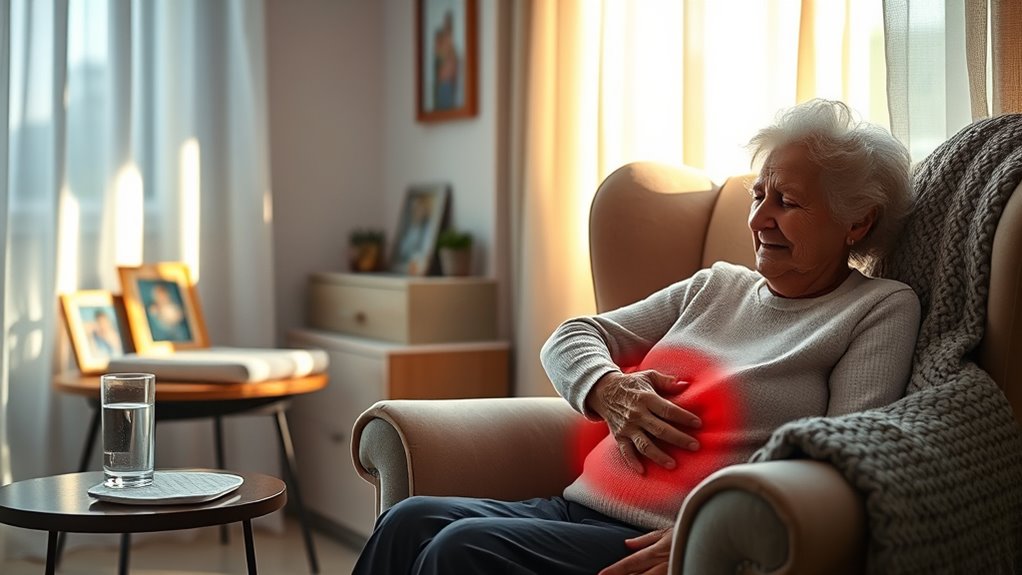
Have you ever wondered how to manage the persistent discomfort of chronic pain? It’s a challenge many face, especially when dealing with osteoporotic fractures. The pain can feel unrelenting, affecting your daily life and emotional well-being. But there are strategies that can help you cope better and regain a sense of control. One effective approach is practicing mindfulness techniques. These practices teach you to focus on the present moment without judgment, which can reduce the emotional response to pain. When you’re mindful, you learn to observe your sensations without becoming overwhelmed or frustrated. Simple exercises like deep breathing, body scans, or guided meditation can help diminish your perception of pain and promote relaxation. Incorporating mindfulness into your routine might not make the pain disappear, but it can make it more manageable by shifting your mental state and reducing stress. Additionally, understanding the best modern toilet options can help prevent unnecessary bathroom-related discomfort if plumbing issues or inefficiencies arise, promoting overall comfort and well-being.
Another vital element in coping with chronic pain is leaning on social support. Connecting with friends, family, or support groups provides emotional comfort and practical advice. Sharing your experiences with others who understand what you’re going through can lessen feelings of isolation and anxiety. When you open up about your pain, you may discover new ways to manage it or gain encouragement to stick with your treatment plan. Social support also offers a distraction from focusing solely on pain, helping you engage in activities that lift your spirits. Whether it’s talking over your frustrations or simply enjoying companionship, these interactions serve as a buffer against the emotional toll of chronic pain. Remember, you don’t have to face this challenge alone. Building a network of understanding and caring individuals can empower you to handle setbacks with resilience.
Combining mindfulness techniques with social support creates a powerful synergy. As you practice mindfulness, you cultivate a calmer, more centered mindset. Simultaneously, your support system reinforces your efforts, providing encouragement and practical help. Together, these strategies can help you develop a more positive outlook, better cope with flare-ups, and reduce feelings of helplessness. It’s important to be patient with yourself as you learn these skills, recognizing that managing chronic pain is a gradual process. With persistence, you can develop a toolkit that enhances your quality of life, even with osteoporotic fractures. Remember, managing pain isn’t just about physical relief; it’s about nurturing your mental and emotional health as well. By integrating mindfulness techniques and social support into your daily routine, you take proactive steps toward feeling more in control and less overwhelmed by your chronic pain.
Frequently Asked Questions
Are There Alternative Therapies for Managing Osteoporotic Fracture Pain?
Yes, there are alternative therapies to manage osteoporotic fracture pain. Herbal remedies like turmeric and ginger can diminish inflammation, providing relief. Acupuncture therapy may also help by stimulating your body’s natural painkillers and improving blood flow. You should consult with a healthcare provider before trying these options to guarantee they’re safe for your specific condition. Incorporating these therapies could complement your pain management plan effectively.
How Can I Prevent Future Fractures and Pain Episodes?
Prevent future fractures and pain episodes by focusing on bone boosting and fall fighting. Engage in weight-bearing workouts to strengthen bones, and make certain your diet is rich in calcium and vitamin D. Practice fall prevention strategies like installing grab bars and removing tripping hazards. Regular check-ups and bone density tests help monitor progress. Staying active, cautious, and consistent keeps your bones resilient and reduces the risk of fractures and pain.
What Psychological Strategies Help Cope With Chronic Pain?
You can cope with chronic pain by practicing mindfulness meditation to stay present and reduce stress. Cognitive restructuring helps you challenge negative thoughts about pain, replacing them with more positive, realistic ones. These strategies empower you to manage your emotional response, decrease feelings of helplessness, and improve your overall well-being. Incorporate daily mindfulness exercises and reframe negative beliefs to better handle the emotional impact of ongoing pain.
Do Dietary Changes Impact Osteoporotic Fracture Pain?
Ever wonder if changing your diet can ease osteoporotic fracture pain? It can, especially if you include calcium-rich foods and nutritional supplements in your meals. These nutrients strengthen bones and may reduce pain over time. Focusing on a balanced diet helps support your recovery and overall health. So, why not boost your diet today? Eating well might just make a noticeable difference in how you feel daily.
When Should I Consider Surgical Options for Pain Relief?
You should consider surgical options when conservative pain management no longer provides relief or when fractures cause significant mobility issues. Surgical timing depends on your overall health, fracture stability, and pain severity. Discuss with your doctor to determine the best course, as early intervention can sometimes improve outcomes. Prioritize your quality of life by exploring surgical options promptly when pain becomes unmanageable and other treatments fail.
Conclusion
So, here you are, managing pain you never asked for, thinking you’re in control. Ironically, the more you fight it, the more it seems to linger. But maybe, just maybe, accepting that some pain is part of your new normal is the real strength. After all, life’s unpredictability keeps us on our toes—sometimes painfully so. In embracing this, you might find a surprising moment of peace amidst the ongoing challenge.