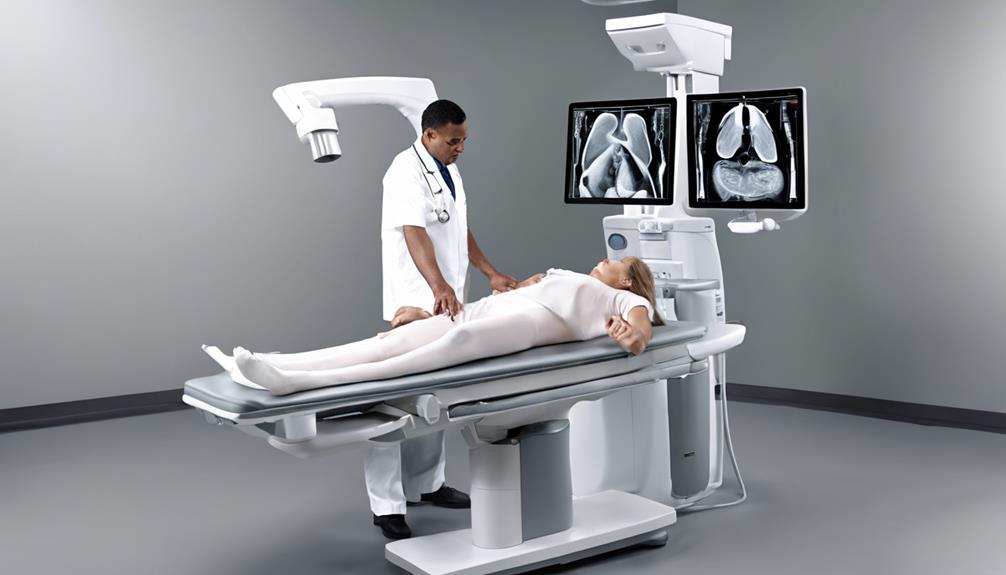
To lift and move an osteoporosis patient safely, always use proper body mechanics by keeping your back straight, bending at your hips and knees, and engaging your core muscles. Plan ahead, clear the environment, and use assistive devices like transfer belts or boards to support the patient and reduce strain. Communicate clearly and support their body correctly to prevent fractures. If you want to learn more about safe techniques, keep exploring these essential safety tips.
Key Takeaways
- Use proper body mechanics: keep back straight, bend at hips and knees, and lift with leg muscles.
- Communicate clearly with the patient, encouraging participation and ensuring they understand the process.
- Support the patient’s body under hips or shoulders, avoiding pressure on fragile bones.
- Employ assistive devices like transfer belts, sliding sheets, or mechanical lifts for added safety.
- Clear the environment of obstacles and plan the transfer route in advance to prevent falls or injuries.

Lifting and moving an osteoporosis patient requires careful attention to prevent fractures and injuries. You need to prioritize safety by using proper body mechanics and assistive devices. Proper body mechanics involve maintaining a stable, balanced posture during the lift or transfer. Keep your back straight, bend at your hips and knees, and avoid twisting your torso. Engage your core muscles to support your spine, and use your leg muscles to lift rather than your back. This technique reduces strain on both your body and the patient’s fragile bones, lowering the risk of fractures. When moving the patient, plan the transfer in advance—know where you’re going, clear the pathway of obstacles, and ensure the surface is stable and non-slip.
Assistive devices play a crucial role in safe patient transfers. Devices like transfer belts, sliding sheets, and patient lifts can markedly reduce the physical effort required and minimize the risk of injury. A transfer belt, properly fitted around the patient’s waist, provides a secure grip, allowing you to support and guide them during transfers. Sliding sheets or transfer boards help shift the patient smoothly from one surface to another, reducing friction and pulling forces that could cause fractures. For more challenging moves, mechanical lifts or hoists are recommended, especially if the patient has limited mobility or is too heavy to handle safely on your own. Using these devices correctly is essential—always follow manufacturer instructions and ensure that they are in good condition before use.
When preparing for the move, communicate clearly with the patient. Explain what you’re going to do and encourage them to assist as much as possible. Support their body properly by holding under the hips or shoulders, avoiding pressure on fragile bones. Keep the patient close to your body to maintain balance and reduce strain. Always lift with your legs, not your back, and avoid sudden or jerky movements that could cause fractures. If the patient is weak or unsteady, ask for assistance or use additional devices to stabilize them.
Frequently Asked Questions
What Equipment Is Best for Moving Osteoporosis Patients?
You should use assistive devices like transfer belts, slide sheets, and gait belts to move osteoporosis patients safely. These tools help maintain proper patient positioning, reduce strain, and prevent fractures. Make certain the equipment is in good condition and fits the patient properly. Always support the patient’s body correctly, use smooth movements, and communicate clearly to minimize risks during transfers. Proper equipment and techniques are essential for safe, effective patient handling.
How Often Should Mobility Assessments Be Conducted?
Think of their mobility as a fragile boat on unpredictable waters; you should conduct assessments weekly or as recommended by healthcare providers. These evaluations help monitor postural stability and pain management, ensuring early detection of decline. Regular assessments keep you aware of subtle changes, allowing timely adjustments to care plans, ultimately safeguarding your loved one’s safety and comfort in their journey through osteoporosis.
Are There Specific Exercises to Strengthen Osteoporosis Patients?
You should focus on gentle, weight-bearing exercises like walking, tai chi, or low-impact aerobics to promote bone strengthening. Always prioritize exercise safety by consulting healthcare providers before starting new routines. Avoid high-impact activities or heavy lifting that could risk fractures. Consistent, safe exercises help maintain bone density and improve overall strength, but it is crucial to tailor activities to your individual health status to prevent injuries.
What Signs Indicate a Patient Has Been Injured During Moving?
Like a delicate mirror, your patient’s body can reveal injury signs. Watch for sudden pain, swelling, bruising, or unusual movements—these are red flags indicating injury. You should follow injury reporting protocols promptly, ensuring patient fall prevention remains a priority. If you notice resistance or distress during movement, pause immediately. Your vigilance helps prevent serious harm and promotes a safe, trusting environment for osteoporosis patients.
How Do I Prepare the Environment for Safe Transfers?
You prepare the home environment by clearing obstacles and ensuring a clutter-free space. Use transfer aids like gait belts, slidesheets, or transfer boards to assist with safe movement. Position furniture to provide stable support, and make sure lighting is adequate. Check that all aids are in good condition. This setup minimizes fall risks and makes transfers smoother, ensuring safety for both you and the patient during movement.
Conclusion
Remember, lifting an osteoporosis patient requires care and strength, but rushing can cause harm. You hold their safety in your hands, much like a fragile glass that needs gentle support. While your muscles provide the power, your caution guarantees their bones stay protected. Balancing strength with tenderness isn’t just about technique—it’s about trust. By prioritizing safety over haste, you create a foundation of care that’s stronger than any fracture, fostering healing instead of harm.