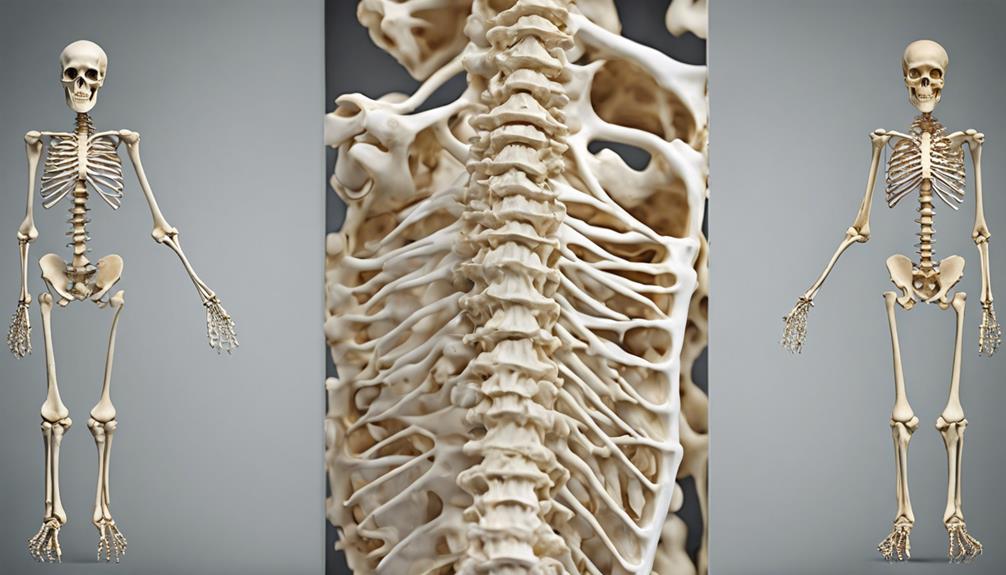
Engaging in regular weight-bearing activities like walking, jogging, dancing, or stair climbing helps build and maintain strong bones, reducing fracture and osteoporosis risks. Aim for at least 30 minutes most days to see benefits. Combining these exercises with a calcium-rich diet and good vitamin D levels boosts bone health even more. Staying consistent and making these habits part of your routine can notably improve your bone strength. Keep going, and you’ll discover more ways to support your skeletal health.
Key Takeaways
- Engage in regular weight-bearing exercises like walking, jogging, dancing, or stair climbing most days for optimal bone strength.
- Ensure adequate calcium intake through dairy, leafy greens, and fortified foods to support bone repair and density.
- Maintain sufficient vitamin D levels via sun exposure, fortified foods, or supplements to improve calcium absorption.
- Avoid smoking and excessive alcohol consumption, as these habits weaken bones and increase fracture risk.
- Incorporate resistance training into your routine to enhance muscle strength and provide additional bone-stimulating benefits.

Weight-bearing activities are essential for building and maintaining strong bones, especially as you age. When you engage in these exercises, you stimulate bone formation and help preserve your bone density, reducing the risk of fractures and osteoporosis. To maximize the benefits of weight-bearing activities, it’s crucial to pay attention to your overall nutritional intake, particularly calcium intake. Calcium is a vital mineral that plays a direct role in bone strength and density, making it a cornerstone of osteoporosis prevention. Without enough calcium, even regular weight-bearing exercise can’t fully protect your bones. That’s why incorporating calcium-rich foods like dairy products, leafy greens, and fortified foods into your diet is an important step. Ensuring your calcium intake meets recommended levels supports your bones’ ability to rebuild and adapt in response to physical activity.
As you start incorporating weight-bearing activities into your routine, consider how these exercises not only promote bone health but also improve your balance, coordination, and muscle strength. Walking, jogging, dancing, stair climbing, and resistance training are all effective options. The key is consistency; regular activity helps maintain or increase bone density over time. You should aim for at least 30 minutes of moderate-intensity weight-bearing exercise most days of the week. Make it a habit, and you’ll notice improvements not just in your bones, but in your overall health and mobility. Recognizing recurring angel numbers during your routine can serve as motivational signs, encouraging continued physical activity and healthy habits.
It’s also important to understand that age, lifestyle, and genetics influence your bone health. If you’re at higher risk for osteoporosis, combining weight-bearing activities with other lifestyle choices enhances prevention efforts. Avoid smoking and excessive alcohol consumption, both of which can weaken bones. Maintain a healthy weight, as being underweight can increase fracture risk, while being overweight can place undue stress on your bones and joints. Additionally, getting enough vitamin D is crucial because it helps your body absorb calcium effectively. Sun exposure, fortified foods, and supplements can help you maintain optimal vitamin D levels.
Frequently Asked Questions
Can Weight-Bearing Exercises Prevent Osteoporosis?
Yes, weight-bearing exercises can help prevent osteoporosis by strengthening your bones. When you engage in activities like walking, jogging, or dancing, your bones respond by becoming denser. Be sure to support this with adequate calcium intake and vitamin D, which are essential for calcium absorption. Combining these exercises with proper nutrition helps maintain bone mass and reduces your risk of osteoporosis as you age.
How Often Should I Do Weight-Bearing Activities Weekly?
Imagine your bones as a fortress that needs daily reinforcement. You should aim for weight-bearing activities at least 3 to 5 times a week. This exercise frequency helps build bone strength and maintain density. When planning your workout, incorporate variety and consistency to maximize benefits. Stick to a routine, and you’ll notice improvements in your bone health over time, making your fortress stronger with each effort.
Are There Any Safety Tips for Beginners?
When starting weight-bearing activities, prioritize safety by wearing proper footwear to support your feet and prevent injuries. Begin with a gradual progression, slowly increasing the intensity and duration of your workouts to avoid overexertion or strain. Listen to your body, rest when needed, and consider consulting a healthcare professional if you’re unsure about your fitness level. These steps help guarantee a safe, effective start to strengthening your bones.
What Are Low-Impact Weight-Bearing Options?
Imagine tiny, gentle steps that pack a punch—these are your low-impact exercises and alternative activities. You can walk slowly, do water aerobics, or try tai chi, which all give your bones a workout without the jarring jolt. These exercises are perfect for beginners, offering the benefits of weight-bearing activity while reducing risk. So, start with these gentle movements, and watch your bones grow stronger without the stress of high-impact workouts.
How Quickly Can I See Bone Health Improvements?
You can start noticing improvements in your bone health within 6 to 12 months of regular weight-bearing activities. As you engage consistently, your bone density gradually increases, especially when you maintain adequate calcium intake. Keep in mind, individual results vary, and staying active combined with proper nutrition is key. Over time, these habits strengthen your bones and reduce fracture risk, making a noticeable difference in your overall bone health.
Conclusion
So, next time you consider lounging on the couch all day, remember that your bones are silently begging for some action. Skip the minimal effort—your skeleton craves weight-bearing activities like walking or dancing. Otherwise, don’t be surprised when your bones decide to take a vacation early. Get moving now, or risk becoming a fragile relic—because nothing says “strong bones” like a good workout, and nothing screams “lazy bones” like avoiding it.