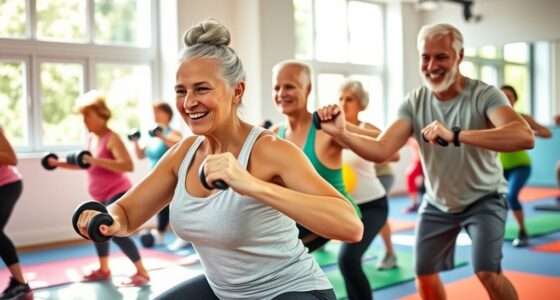
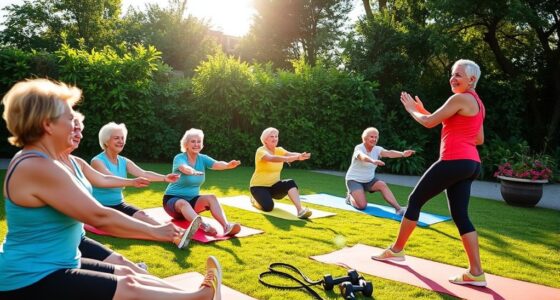
An effective exercise program for older adults boosts energy and well-being. Start with at least 150 minutes of moderate aerobic activity weekly, like walking or swimming. Incorporate low-impact exercises such as yoga or tai chi for balance and flexibility. Tailor routines to your needs, focusing on strength training with light weights twice a week. Don’t forget to stay hydrated and maintain a balanced diet. Discover more strategies to enhance your active lifestyle and embrace healthier aging.
Key Takeaways
- Aim for at least 150 minutes of moderate aerobic activity each week, such as walking or swimming, to enhance vitality.
- Incorporate low-impact exercises like tai chi or gentle yoga to improve flexibility, balance, and overall well-being.
- Include strength training twice a week using light weights or resistance bands to preserve muscle mass and independence.
- Engage in community resources, such as senior centers or walking clubs, to promote social connections and accountability in your exercise routine.
- Consult healthcare professionals to tailor exercise programs to individual needs and ensure safety while promoting active aging.
Embracing Active Aging
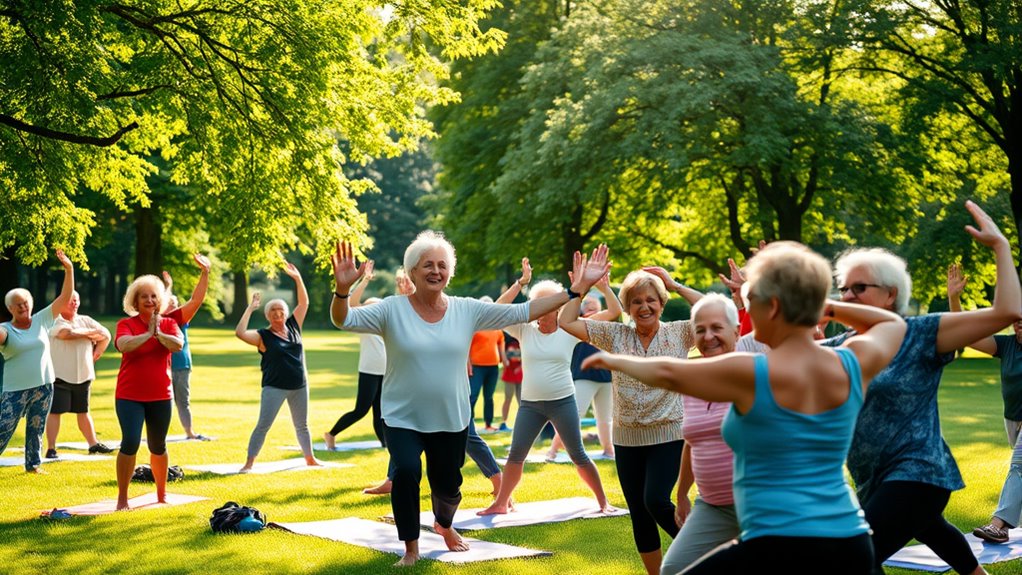
As you embrace active aging, remember that staying physically active is vital for enhancing your health and vigor in your golden years.
An active lifestyle greatly boosts your overall well-being and quality of life. Regular exercise improves cardiovascular health, flexibility, and balance, helping you prevent falls and injuries. Additionally, hydration and nutrition play a crucial role in sustaining your energy levels as you age. Engaging in activities like walking can also contribute to increased smartphone usage among seniors, as they may use fitness apps to track their progress. Incorporating regular physical activity into your routine can significantly enhance your cardiovascular health. Furthermore, creating transforming spaces that promote movement and accessibility can make it easier for you to stay active at home.
Tailored exercise routines like walking, swimming, and gentle yoga can maintain your strength and mobility. Plus, engaging in physical activity fosters social connections, reducing feelings of loneliness or isolation.
Surrounding yourself with supportive family, caregivers, and friends encourages you to stick to your fitness journey. By incorporating small, consistent efforts in balance and strength training, you empower yourself to maintain independence and enjoy long-term health benefits. Additionally, consider integrating educational and skill-building toys into your routine, as they can promote cognitive engagement and enhance your overall mental well-being.
Stay active, and thrive!
The Benefits of Exercise for Older Adults
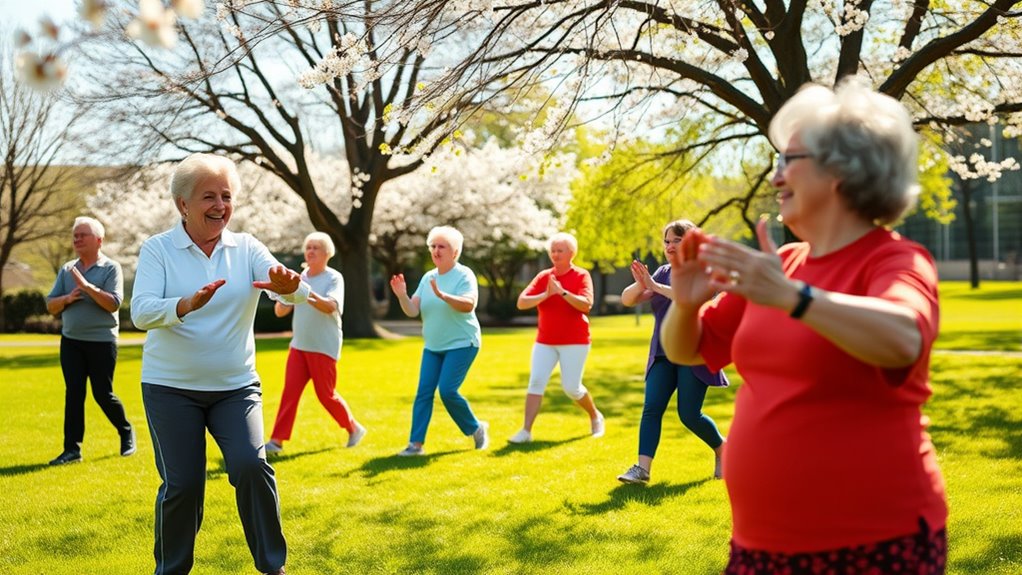
Exercise offers you a powerful way to boost your cardiovascular health and enhance your mood. When you engage in regular physical activity, you not only strengthen your heart but also lift your spirits, making daily life more enjoyable. Moreover, enhancing communication between body and mind through exercise can lead to improved emotional health. Staying active can transform your well-being, keeping you both physically fit and mentally sharp. Additionally, maintaining high vibrational energy during exercise can further enhance your overall vitality and sense of joy. Regular exercise can also protect energy by helping you manage stress and establishing a more balanced lifestyle. Furthermore, incorporating foods rich in omega-3 fatty acids into your diet can further support your overall health and cognitive function. Drinking fresh juices, such as fresh orange juice, can also provide essential vitamins and hydration to complement your physical activity.
Improved Cardiovascular Health
Engaging in regular physical activity can lead to significant improvements in your cardiovascular health, especially as you age. Incorporating exercise routines that include moderate aerobic activity, like walking or swimming for at least 150 minutes weekly, can enhance heart function and overall health. Acknowledging and addressing small mistakes in your exercise routine can further enhance your commitment to your fitness goals. Additionally, maintaining an active lifestyle can improve indoor air quality by promoting better ventilation and circulation within your living space.
By maintaining an active lifestyle, you may reduce your risk of heart disease, high blood pressure, and cholesterol levels, leading to a 30-40% lower risk of cardiovascular-related deaths compared to those who are sedentary. Even low-impact activities, such as tai chi or gentle yoga, promote relaxation and improve heart rate variability. These benefits contribute to better blood circulation and enhanced energy levels, allowing you to feel more vibrant and active in daily life. Furthermore, work-life balance is crucial as it ensures you have the time and energy to commit to your fitness routine. Additionally, adopting a growth mindset can help you stay motivated and committed to your exercise program, leading to better long-term results. Engaging in regular exercise also fosters self-worth, as it allows you to appreciate your physical capabilities and boosts your confidence.
Enhanced Mood Stability
Staying active not only boosts your cardiovascular health but also plays a significant role in enhancing your mood stability.
An effective exercise program can drastically improve your mental well-being. Here are three key benefits of regular exercise for older adults:
- Enhanced Mood: Engaging in activities like walking or yoga releases endorphins, reducing anxiety and depression. Additionally, regular physical activity can help mitigate brain fog symptoms, contributing to an overall sense of clarity and well-being. Furthermore, incorporating structured work periods into your exercise routine can enhance focus and motivation. Additionally, maintaining a balanced diet with essential vitamins can further support emotional health. Moreover, the use of predictive modeling in assessing exercise impact can help tailor routines for better outcomes.
- Social Interaction: Group classes foster connections, combating loneliness and promoting emotional stability.
- Cognitive Function: Regular physical activity supports cognitive health, lowering the risk of cognitive decline and associated mood disorders. Additionally, emotional and psychological growth occurs in stages, emphasizing the importance of maintaining an active lifestyle for overall well-being.
Tailoring Exercise Routines for Older Adults

When it comes to tailoring exercise routines for older adults, prioritizing safety and individual needs is crucial.
Focus on low-impact exercises like gentle yoga, tai chi, or water aerobics to maintain flexibility and stay active without strain. Incorporate strength training with light weights or resistance bands to help preserve muscle mass and bone density, which are essential for healthy aging. Engaging in regular physical activity can also help mitigate chronic feelings of emptiness, which may improve overall mental health.
Prioritize low-impact exercises and strength training to enhance flexibility, muscle mass, and bone density for healthy aging.
Balance exercises, such as standing on one leg or stretching, should also be included to enhance stability and reduce the risk of falls. Regularly assess and adapt your routine based on comfort levels and progress. It is also important to consider financial planning for assisted living to accommodate any potential future needs related to health and mobility.
Always consult with a healthcare provider to guarantee your physical activity aligns with your health conditions, promoting both engagement and safety.
Overcoming Barriers to Exercise
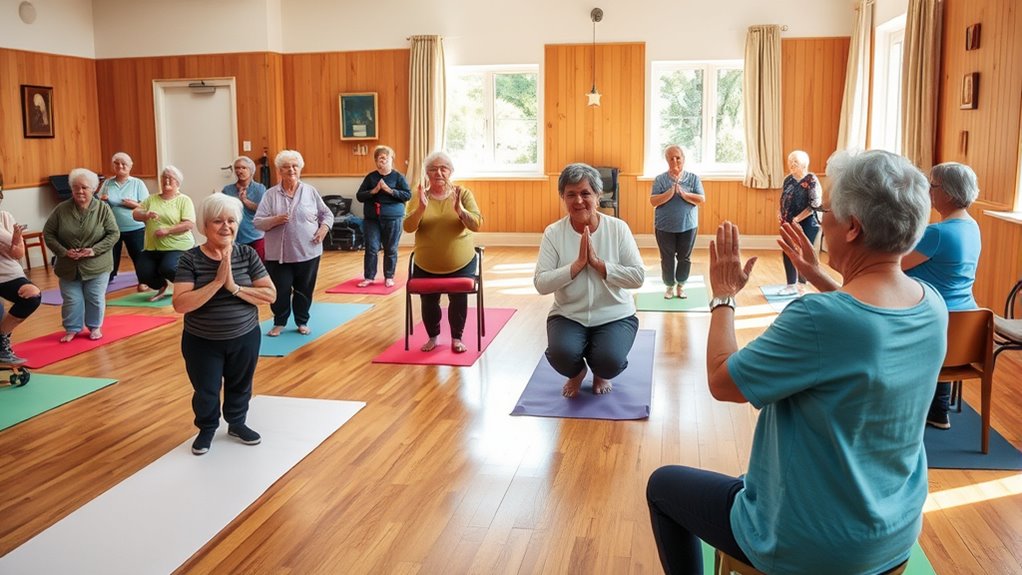
You might face several barriers to exercise as you age, including chronic health conditions and limited mobility.
Fortunately, there are tailored solutions and community resources available to help you stay active and engaged.
Chronic Health Conditions
Chronic health conditions can often present significant hurdles for older adults trying to maintain an active lifestyle.
However, you can overcome these challenges by embracing tailored exercise regimens. Here are three strategies to help:
- Opt for Low-Impact Exercises: Activities like tai chi or water aerobics can help maintain your strength and reduce the risk of pain or injury.
- Utilize Community Resources: Look for local senior centers that offer affordable exercise programs designed for your needs.
- Stay Motivated with Group Classes: Joining a class not only promotes physical activity but also combats social isolation, fostering community connections.
Limited Mobility Solutions
Maintaining an active lifestyle can be particularly challenging for older adults with limited mobility. However, you can enhance your activity levels by engaging in low-impact activities like tai chi and water aerobics. These exercises are gentle on the joints while promoting strength and flexibility.
Utilizing adaptive equipment, such as modified exercise bands and seated workout chairs, can make your workouts safer and more accessible. Short, manageable sessions—like stretching or seated marches—can help you gradually increase your activity without feeling overwhelmed.
Don’t forget that encouragement from family, caregivers, and healthcare professionals is crucial in keeping you motivated. By exploring tailored exercise programs, you can overcome mobility limitations and enjoy a more active, fulfilling life.
Community Resources Availability
Accessing community resources can greatly enhance your ability to stay active, especially when faced with barriers to exercise. Here are three essential options to evaluate:
- Exercise Classes: Local senior centers often offer low-cost or free classes tailored for older adults, promoting physical activity in a supportive environment.
- Home-Based Exercise: Many organizations provide virtual classes or home-based programs, making fitness accessible for seniors with limited mobility who prefer exercising at home.
- Walking Clubs: Joining a walking club not only encourages regular physical activity but also fosters social connections, reducing feelings of isolation.
Additionally, community resources frequently offer adaptive equipment like resistance bands and light weights to assist with strength training, ensuring you can engage safely and effectively in maintaining mobility.
Motivating Older Adults to Stay Active
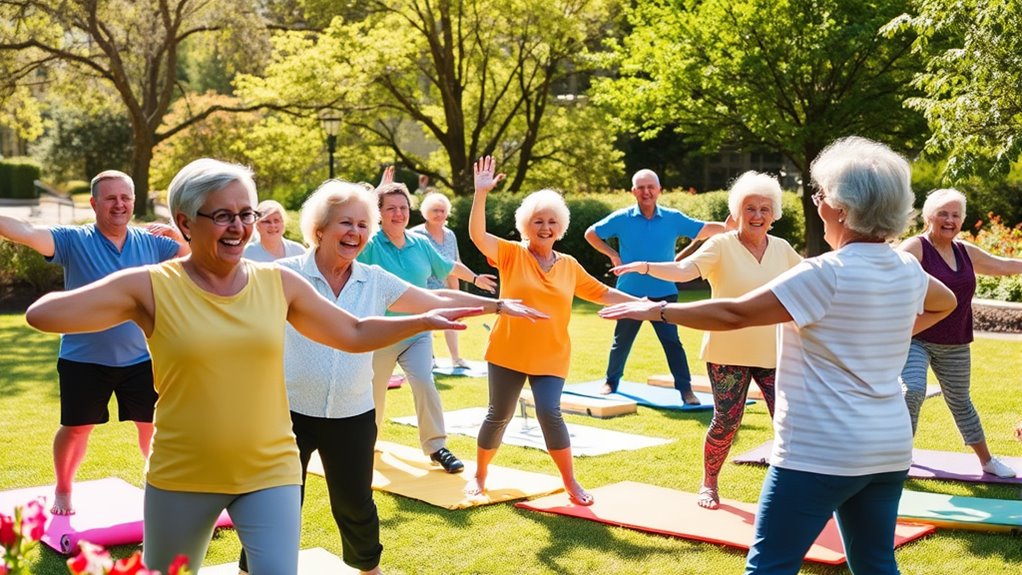
While it can be challenging for older adults to stay active, creating a motivating environment makes a significant difference. To help you or your loved ones maintain an active lifestyle, consider joining senior group exercise classes. These classes provide social support and accountability, boosting motivation to engage in regular physical activity.
Setting realistic fitness goals and celebrating small milestones can enhance motivation, encouraging adherence to simple exercises. Additionally, community engagement fosters a sense of belonging, inspiring seniors to prioritize their health and well-being.
Incorporating enjoyable and varied workout experiences also plays an essential role in maintaining an active lifestyle, especially when paired with a balanced diet rich in nutrients. Together, these strategies can make staying active a rewarding journey.
Incorporating Exercise Into Daily Life
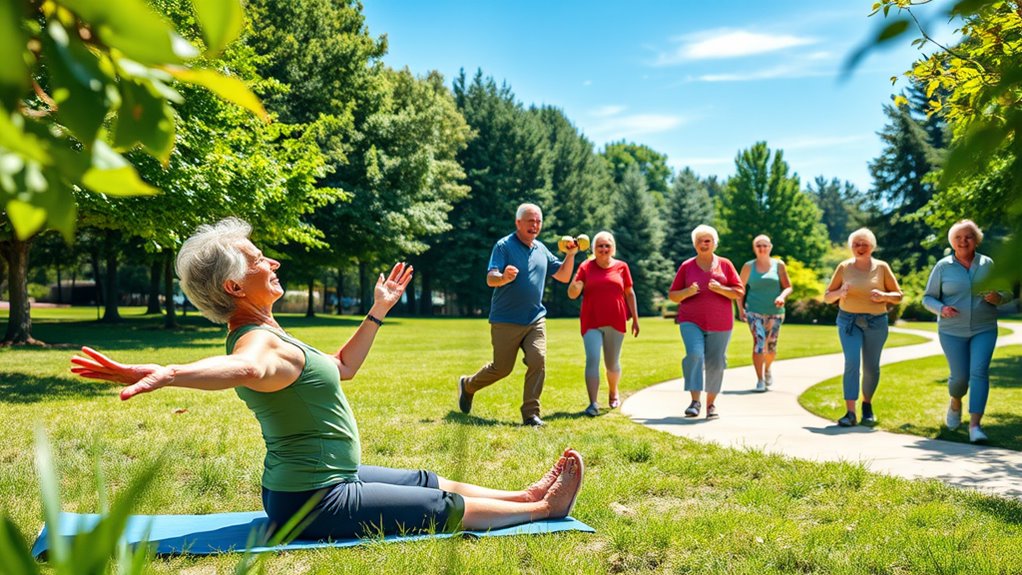
Incorporating exercise into your daily life can be both simple and rewarding, especially when you find ways to make it enjoyable. Aim for at least 150 minutes of moderate aerobic activity each week.
Here are three effective strategies to help you integrate exercise seamlessly:
- Schedule Muscle-Strengthening: Include strength training for major muscle groups twice a week using light weights or resistance bands to combat age-related muscle loss.
- Practice Balance Exercises: Add activities like tai chi or gentle yoga to improve stability and reduce the risk of falls and injuries.
- Utilize Technology: Use fitness trackers or apps to set reminders and monitor your progress, making it easier to stay committed to an active lifestyle.
Always consult your healthcare professional before starting any new routine.
Frequently Asked Questions
What Is the Best Exercise Program for Seniors?
The best exercise program for seniors combines aerobic activities, strength training, flexibility, and balance exercises.
Aim for at least 150 minutes of moderate activity each week. You might enjoy low-impact exercises like walking or swimming, which are gentle on the joints.
Incorporate strength training twice a week using light weights or resistance bands.
Don’t forget to include flexibility and balance exercises, like yoga, to help prevent falls and maintain mobility.
What Is the Best Exercise for Vitality?
You won’t believe how transformative the right exercises can be for your vigor!
To boost your energy and zest for life, focus on engaging in low-impact activities like walking or swimming.
Don’t skip strength training with light weights at least twice a week—it’s key for maintaining muscle mass.
Add in balance exercises, and you’ll feel more confident and agile.
Consistency is your secret weapon; it’ll not only uplift your body but your spirit too!
What Is the Number 1 Exercise to Increase Balance in Seniors?
The number one exercise to increase balance in seniors is the Stand on One Leg Test.
You can start by holding onto a stable surface and gradually work up to balancing without support. Aim for the recommended hold times based on your age, and don’t worry if you can’t meet them right away—just practice consistently.
This simple exercise enhances your stability, reduces fall risk, and boosts your confidence in daily activities.
What Is the AARP #1 Exercise for Seniors?
The AARP’s number one exercise for seniors is the Chair Stand.
You sit in a sturdy chair, stand up fully without using your hands, then sit back down. Repeat this for 10-15 times.
It’s a great way to improve your lower body strength, balance, and overall mobility, which can help reduce the risk of falls.
If you need to, modify the exercise with armrests or a higher chair to make it easier.
Conclusion
As you step into the vibrant world of active aging, remember that each movement is a brushstroke painting your energy. Embrace the rhythm of exercise, letting it weave seamlessly into your daily life like a gentle stream flowing through a sunlit forest. Overcoming barriers may feel like climbing a steep hill, but with determination, you’ll find joy in every step. So lace up those shoes, breathe in the fresh air, and watch your spirit soar as you dance through life.