TL;DR

Turn quiet afternoons into listening time
- Thousands of audiobooks, podcasts and originals
- Listen on your phone, tablet or Echo — also offline
- Cancel anytime
Interest in exercises targeting rotational strength for aging adults is increasing, driven by concerns over mobility and fall prevention. Experts confirm that specific movements can improve core stability and balance, but detailed guidelines are still emerging.
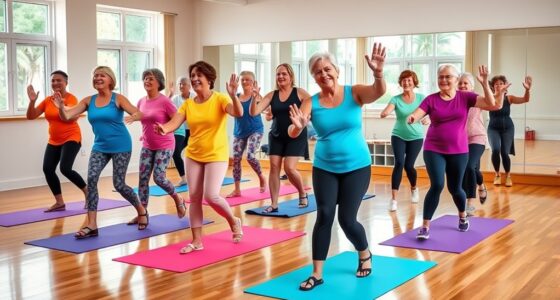
Growing interest in exercises aimed at building rotational strength among older adults reflects increasing awareness of the importance of core stability for mobility and fall prevention. You might find this 20-minute workout to build upper-body strength helpful as part of a comprehensive approach. While specific routines are being promoted by health professionals, detailed guidelines and widespread adoption are still developing, and research into optimal methods remains ongoing.
Data from recent search trend analyses show a spike in online searches related to exercises that enhance rotational strength for individuals aged 50 and above. Experts note that rotational movements are vital for daily activities such as turning, reaching, and maintaining balance, which tend to decline with age. Several fitness professionals and physiotherapists emphasize that incorporating rotational exercises can help improve core stability, enhance functional movement, and potentially reduce fall risk.
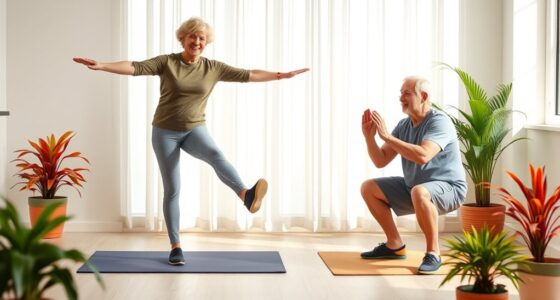
However, there is no single standardized routine, and recommendations vary among health authorities and fitness trainers. Commonly suggested exercises include seated torso twists, standing woodchoppers, and controlled rotational stretches. For more ideas, see our upper-body workout guide. These are generally considered safe when performed with proper technique and under professional guidance, especially for individuals with existing health conditions.
While some programs are gaining popularity on social media and wellness platforms, researchers caution that more clinical studies are needed to establish definitive protocols and quantify benefits. You can explore related exercises and tips in our activity resources. Nonetheless, the trend indicates a shift toward proactive, functional fitness strategies tailored for aging populations.
Why Rotational Strength Matters for Aging Adults
Building rotational strength is increasingly recognized as a key component of healthy aging. It supports mobility, balance, and fall prevention, which are critical for maintaining independence. As falls are a leading cause of injury among older adults, exercises that improve core stability and coordination can significantly impact quality of life. This trend highlights a growing emphasis on targeted, functional fitness routines designed to address age-related physical decline, potentially reducing healthcare costs and enhancing well-being.
rotational strength exercise equipment for seniors
As an affiliate, we earn on qualifying purchases.
As an affiliate, we earn on qualifying purchases.
Rising Focus on Functional Fitness for Older Adults
Over the past decade, there has been a shift from traditional strength training to more functional approaches that mimic everyday movements. The importance of core stability, including rotational strength, has gained prominence in geriatric fitness programs. Current research underscores that as muscle mass and coordination decline with age, targeted exercises can mitigate these effects. The recent surge in online searches reflects a broader societal focus on preventive health measures and active aging, although specific exercise guidelines are still being refined.
Unconfirmed Details on Standardized Protocols
While the trend indicates increasing interest and some expert endorsement, there is no universally accepted, evidence-based protocol for rotational strength exercises tailored specifically for older adults. The optimal frequency, intensity, and specific movements remain under study, and guidance varies widely among practitioners. Further research is needed to establish standardized, safe, and effective routines.
Future Research and Practical Recommendations
Researchers are expected to conduct clinical trials to determine best practices for rotational strength training in aging populations. Meanwhile, health professionals are encouraged to incorporate these exercises cautiously, emphasizing proper technique and gradual progression. Public health initiatives may also begin promoting specific routines as part of broader fall prevention strategies.
Key Questions
Are rotational exercises safe for all older adults?
While generally safe when performed with proper guidance, individuals with existing health conditions should consult healthcare providers before starting new exercise routines.
What are some simple rotational exercises I can try at home?
Seated torso twists, standing woodchoppers with light resistance, and gentle rotational stretches are accessible options. Always focus on controlled movements and proper form.
How often should I do rotational strength exercises?
Most experts recommend performing these exercises 2-3 times per week, but individual needs may vary. Consulting a physiotherapist can help tailor a routine.
Can rotational exercises prevent falls?
Evidence suggests that improving core stability and balance through rotational exercises can reduce fall risk, though they should be part of a comprehensive fall prevention program.
Source: rss
Halloween Picks
halloween
As an affiliate, we earn on qualifying purchases.