If you’ve been hesitant about joining a fitness program, you’ll regret not starting sooner. Staying active can dramatically improve your strength, balance, and overall well-being in your golden years. Regular exercise not only prevents falls but also enhances your mood and fosters social connections, combatting feelings of isolation. With the right guidance and community support, you’ll find joy in movement and feel more energized. Discover how to kickstart your fitness journey and enjoy all the benefits ahead.
Key Takeaways
- Regular exercise enhances strength and mobility, significantly reducing the risk of falls and injuries as you age.
- Engaging in fitness programs fosters social connections, combating isolation and promoting mental well-being among seniors.
- Strength training improves bone density and muscle mass, essential for preventing osteoporosis and maintaining independence.
- Tailored fitness classes accommodate various abilities, ensuring everyone can participate and benefit from physical activity.
- Professional guidance in group settings builds confidence and accountability, making it easier to commit to a healthier lifestyle.
The Importance of Staying Active in Your Golden Years
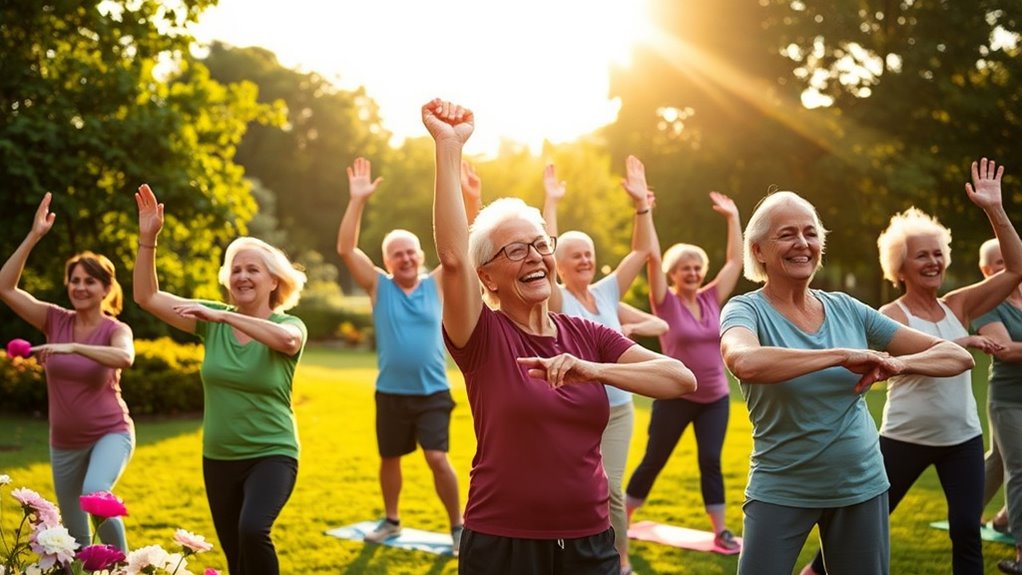
As you enter your golden years, staying active isn’t just beneficial—it’s essential for maintaining your independence and overall well-being.
Regular exercise enhances muscle strength and definition, important for preventing falls and sustaining your autonomy. For older adults, improving bone density through physical activity can help ward off osteoporosis, affecting millions aged 50 and older. Engaging in physical activities can also aid in promoting seniors texting humor, fostering social connections and reducing feelings of isolation. Additionally, participating in exercises such as balance training can further enhance stability and prevent falls. Regular physical activity is also linked to skin health, as it can improve circulation and overall wellness. Furthermore, adopting a personalized learning approach to fitness can help seniors choose exercises that align with their individual needs and goals.
Exercising also boosts energy levels, helping you combat fatigue and enjoy life more fully. You’ll likely notice better sleep quality and an uplifted mood, which can greatly lower the risk of depression. Additionally, staying active may help reduce the risk of developing chronic diseases, including breast cancer, which can be influenced by lifestyle factors.
Research confirms that older adults who exercise regularly not only increase their lifespan but also reduce the risk of chronic diseases, making staying active a critical part of healthy aging.
Common Misconceptions About Exercise for Seniors

Staying active is essential for seniors, but many hold misconceptions about exercise that can hinder their fitness journey. It’s never too late to start; regular exercise can improve your strength and muscle definition at any age. Consider these common myths:
| Misconception | Reality | Example |
|---|---|---|
| It’s too late to make progress | You can enhance strength and capabilities | Patricia Leavitt started strength training at 65 |
| Seniors can’t build muscle | Strength training is effective for older adults | Many seniors gain muscle with regular sessions |
| Group exercise feels intimidating | Group settings offer support and motivation | Many find camaraderie boosts their journey |
Understanding these truths can empower you to embrace fitness, improving not just physical health but also overall well-being. Engaging in regular exercise can also help mitigate common health concerns often faced by seniors, promoting a healthier lifestyle. Furthermore, engaging in physical activity can foster mindfulness and a deeper connection with your surroundings, enhancing emotional well-being. Additionally, recognizing the importance of effective communication strategies can greatly enhance the support you receive from peers in a group setting. By developing strong communication skills, you can better convey your fitness goals and build a supportive community around your wellness journey.
Overcoming Barriers to Starting a Fitness Routine
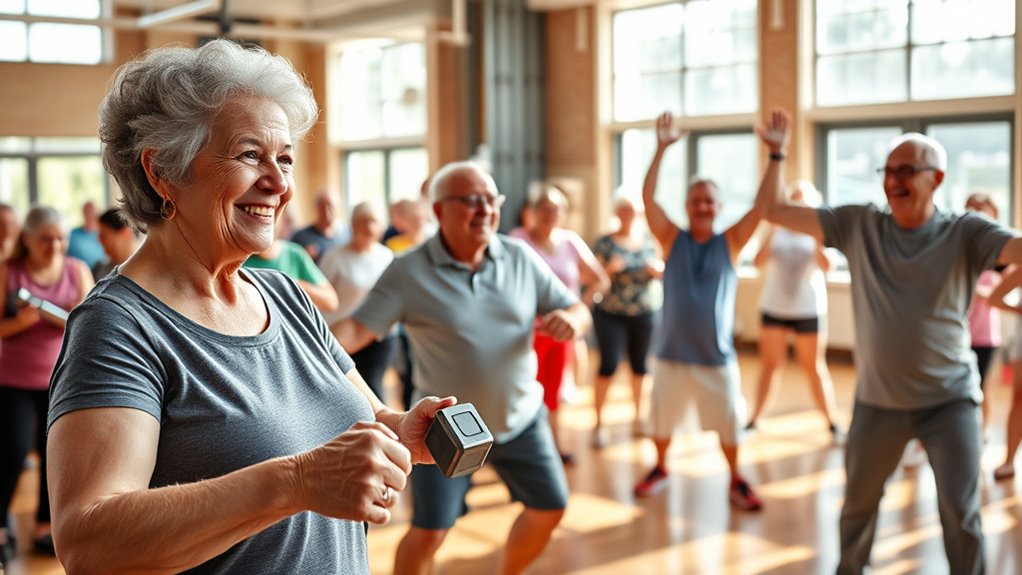
Starting a fitness routine can feel intimidating, especially when faced with self-doubt or misconceptions about age and ability. Overcoming barriers to starting a fitness routine is essential for your fitness journey.
Many older adults worry about exercising in public, but seeking professional guidance can create a supportive environment. It’s never too late to start; countless individuals over 65 have successfully built strength and improved their fitness. Establishing consistent routines can also help enhance your commitment to regular exercise. Engaging in popular activities like walking or swimming can also make exercise more enjoyable and accessible. Additionally, creating a comfortable and safe home environment can significantly boost your confidence to exercise at home. Incorporating portable camping toilets can help you feel more at ease during outdoor activities, making it easier to stay active. Furthermore, understanding the importance of long-term financial planning for potential fitness-related expenses can help alleviate concerns about affordability when starting a new routine.
Explore local options, like Quincy College’s complimentary training sessions, to find the support you need. Additionally, time management strategies can help you prioritize exercise in your busy life.
Real-Life Success Stories: Inspiration From Fellow Seniors

Many seniors have faced similar fears and barriers when starting on their fitness journeys, but their stories prove that change is possible at any age.
Take Paul L. Loud, who began exercising at 71 with just one day a week and progressed to three, demonstrating that small steps lead to big results. Engaging in developmental milestones can significantly enhance the effectiveness of an exercise routine.
Paul L. Loud started exercising at 71, proving that even small commitments can lead to significant transformations.
Louise Doty, at 72, overcame knee and rotator cuff issues, discovering joy in movement that enhanced her quality of life.
Patricia Leavitt, 65, shifted from walking to strength training, boosting her bone density.
Paul Phelan, 58, improved his golf game and reduced aches through resistance training, while Rebecca Stutzman, also 58, focused on her health post-children, gaining strength and better posture.
These real-life success stories offer inspiration from fellow seniors that you can achieve your goals too! Additionally, many seniors find that engaging in gentle methods of exercise not only improves physical health but also enhances emotional well-being.
Key Benefits of Regular Exercise for Older Adults
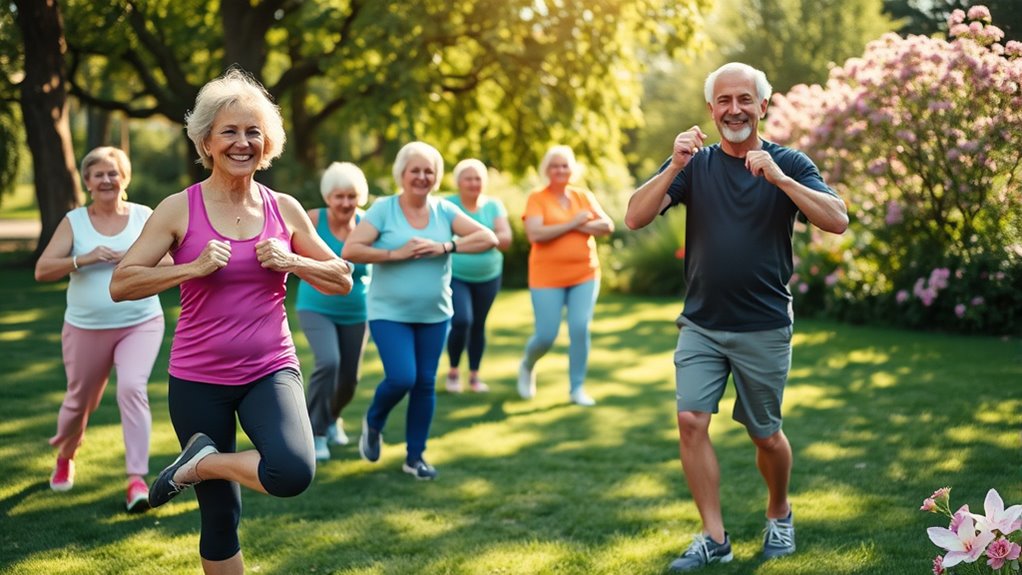
When older adults engage in regular exercise, they access a multitude of benefits that enhance both physical and mental well-being. Regular workouts help increase strength and muscle definition, improving your overall performance and independence in daily activities. You’ll also notice a boost in bone density, which is essential for preventing osteoporosis and lowering fracture risks as you age. Additionally, incorporating high-protein breakfasts can provide the necessary fuel for maintaining muscle mass during workouts. Creating a supportive living environment can further encourage consistent physical activity, ultimately leading to better health outcomes. Regular exercise also promotes better sleep quality, allowing for a more restorative rest that is vital for recovery. Engaging in physical activity can also help regulate newborn sleep patterns, ensuring that older adults can effectively support family members with newborns.
Exercise elevates your energy levels and combats fatigue, giving you a greater sense of vitality. Additionally, regular workouts enhance your sleep quality and mood, fostering better mental health and emotional resilience. Furthermore, maintaining proper hydration and nutrition is crucial for maximizing these benefits and preventing feelings of depletion.
Types of Fitness Programs Available for Seniors

When it comes to fitness programs for seniors, you’ve got some great options to contemplate.
Strength training, endurance exercises, and stretching classes all cater to different needs and goals.
Let’s explore how each program can enhance your health and wellbeing.
Strength Training Options
Strength training options for seniors play an essential role in enhancing overall fitness and well-being. At Quincy College, you can find tailored programs designed to improve muscle strength, balance, and bone density, all critical for preventing osteoporosis. These sessions emphasize higher repetitions to boost heart rates and cardiorespiratory fitness. Plus, complimentary training sessions help you ease into your routine and build confidence.
| Program Type | Benefits |
|---|---|
| Strength Training | Increases muscle strength |
| Balance Exercises | Enhances stability and prevents falls |
| Bone Density Focus | Helps prevent osteoporosis |
The Wayne Westcott, Ph.D. Center for Health and Fitness offers a supportive environment, encouraging you to prioritize your health and fitness journey.
Endurance Exercise Classes
Building on the benefits of strength training, endurance exercise classes at Quincy College offer seniors an excellent way to enhance cardiovascular fitness and stamina.
These classes include low-impact aerobics, stationary cycling, and walking programs tailored to accommodate various fitness levels. You’ll benefit from professional guidance, ensuring that you perform exercises safely and effectively while building endurance.
Engaging in endurance exercise not only improves your heart health but also boosts your energy levels, allowing you to participate more actively in daily activities.
Plus, joining these classes means you’ll be part of a supportive community, motivating you to stay committed to your personal health goals alongside peers.
Don’t miss out on these valuable opportunities for improved fitness and well-being!
Stretching and Flexibility Programs
Stretching and flexibility programs play an essential role in helping seniors maintain their mobility and overall quality of life. These programs are crucial for preserving your range of motion, reducing stiffness, and improving mobility, which can enhance daily activities and lower fall risks.
Quincy College offers tailored stretching and flexibility programs that focus on safe, effective techniques designed for older adults. By incorporating regular stretching into your routine, you can achieve better posture, reduce muscle tension, and experience greater relaxation.
Additionally, engaging in flexibility exercises can improve circulation, aiding recovery and boosting performance in other physical activities. These programs emphasize gentle techniques, allowing you to progress at your own pace while ensuring safety and comfort.
How to Get Started: Tips for Beginners

Starting your fitness journey can feel intimidating, but you don’t have to face it alone.
Seek out supportive resources, like trainers and fellow participants, who can help you overcome any hesitations.
Overcoming Initial Hesitations
Many older adults hesitate to embrace fitness due to fears of exercising in public or misconceptions about their capabilities. Overcoming initial hesitations is essential; remember, it’s never too late to start.
Here are some tips to help you get going:
- Choose a Supportive Environment: Start at a local gym or community center like Quincy College, where professional guidance is available.
- Begin with Complimentary Sessions: Many programs offer free introductory classes, allowing you to explore without pressure.
- Set Realistic Goals: Focus on personal health improvement; small achievements can lead to motivation.
- Learn from Others: Read success stories of participants who began later in life, like Paul or Patricia, to inspire your journey.
Take the leap; you’ll be glad you did!
Finding Supportive Resources
Finding the right resources can make all the difference as you commence on your fitness journey. Quincy College offers complimentary training sessions for newcomers, allowing you to explore various fitness programs without any financial commitment.
At the Wayne Westcott, Ph.D. Center for Health and Fitness, you’ll find strength training, endurance exercises, and stretching tailored to your needs. Professional trainers provide guidance, easing any fears you may have about gym environments and ensuring you use proper techniques.
Plus, convenient parking options, including free 1- and 2-hour spots nearby, reduce stress when accessing these programs. Engaging with fellow participants fosters a supportive community, motivating you to stay committed and improve your health and fitness.
Don’t hesitate—start today!
The Role of Professional Guidance in Senior Fitness
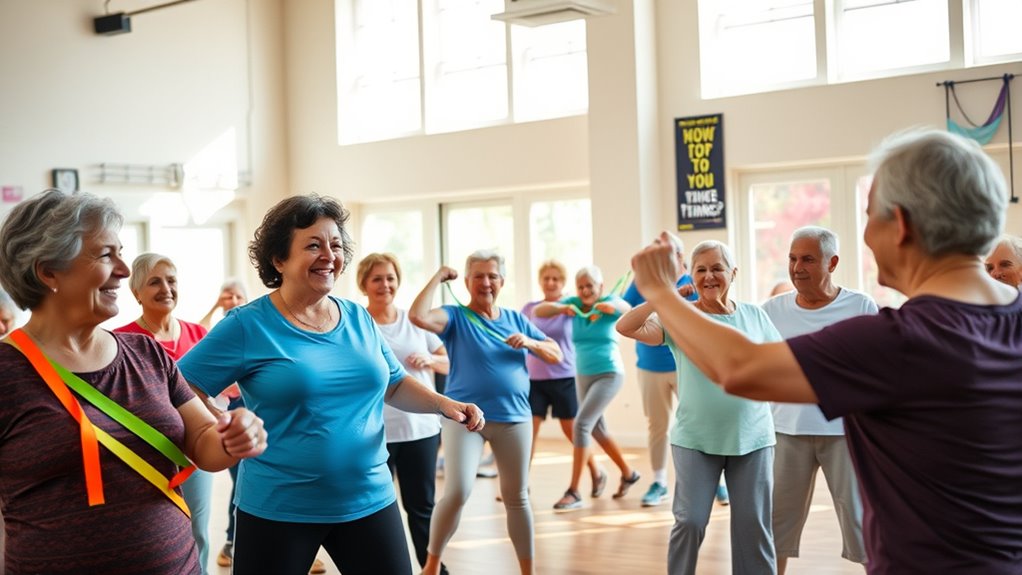
How can professional guidance transform your experience in senior fitness programs? It can make a world of difference by creating a safe and motivating environment tailored to your needs. Here’s how:
- Reduce Gym Anxiety: Professional guidance alleviates fears, helping you feel comfortable and engaged.
- Custom Routines: Trainers design exercise plans that focus on improving balance, strength, and flexibility, essential for fall prevention.
- Proper Techniques: Expert instruction teaches you safe exercise methods, boosting your confidence and reducing the risk of injury.
- Accountability: Support from trainers and peers motivates you to stay committed and reap long-term health benefits.
At Quincy College, complimentary training sessions let you experience professional guidance without financial stress, paving the way for a fulfilling fitness journey.
Building a Supportive Community Through Group Classes

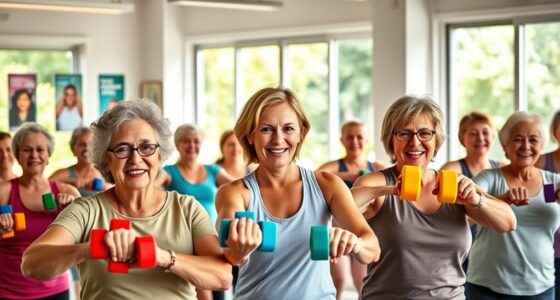
In group classes, you’ll find shared experiences that foster motivation and a sense of belonging.
Exercising alongside others who face similar challenges can help you build lasting friendships and support networks.
This community spirit not only enhances your fitness journey but also boosts your overall wellbeing.
Shared Experiences and Motivation
While maneuvering through the challenges of staying active, many seniors discover that group fitness classes offer a unique opportunity for connection and support.
These classes foster shared experiences and motivation, helping you overcome barriers like shyness and self-consciousness. Here’s what you can gain:
- Camaraderie: Share your fitness journey with others, inspiring one another to stay committed.
- Guidance: Professional trainers guarantee you perform exercises correctly, boosting your confidence.
- Community: Engaging with fellow participants builds accountability, making it easier to prioritize your health.
- Welcoming Environment: Programs like Quincy College’s offer complimentary sessions, allowing you to explore group classes in a friendly atmosphere.
Embrace this chance to connect and enhance your fitness journey together!
Building Lasting Friendships
As you participate in group fitness classes, you’ll find that building lasting friendships becomes an integral part of your journey. Engaging in group activities with others who share similar health goals fosters a sense of community and belonging.
You’ll notice that these relationships boost your motivation and accountability, encouraging consistent attendance and effort. Social interaction during exercise enhances your mental wellbeing, reducing feelings of isolation, which is especially beneficial as you age.
Success stories, like that of Louise Doty, reveal how friendships formed in fitness classes provide support in overcoming personal health challenges. Quincy College’s programs emphasize not just physical health, but also the joy of making friends, transforming exercise into a fun and fulfilling social experience.
Maintaining Motivation and Consistency in Your Fitness Journey
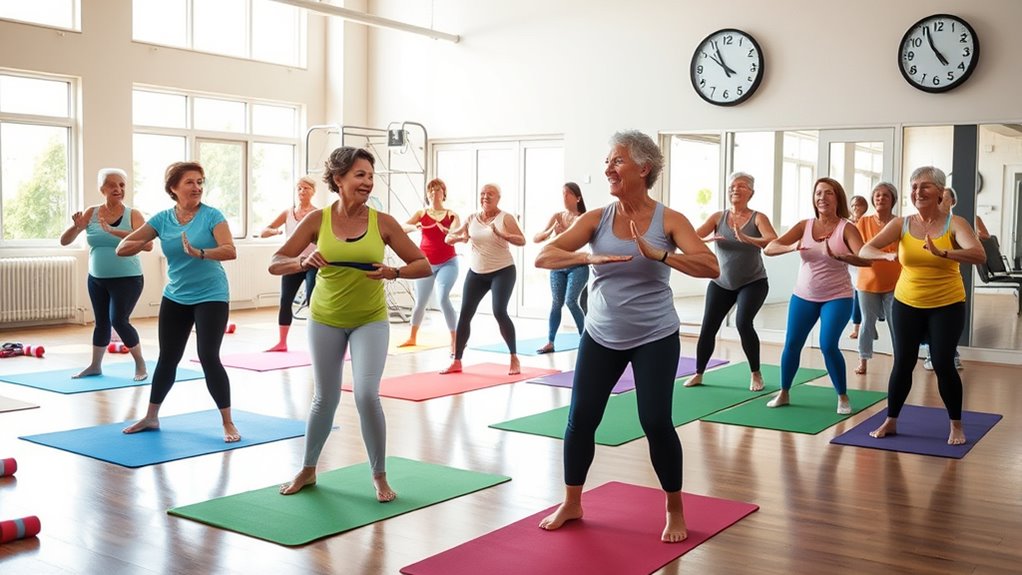
Maintaining motivation and consistency in your fitness journey can feel challenging, but setting achievable goals makes it much easier. Here are some tips to help you stay on track with your physical activity:
- Celebrate Small Milestones: Recognize and reward your progress, no matter how minor.
- Join a Fitness Program: Engage with a community, like those at Quincy College, for support and professional guidance.
- Focus on Age-Appropriate Exercises: Choose activities designed for older adults to improve strength and balance.
- Stay Consistent: Even participating in fitness activities just once a week can boost your energy levels and mood.
Frequently Asked Questions
What Is the Best Exercise Program for Seniors?
The best exercise program for you as a senior should include strength training, endurance exercises, and balance work.
These elements enhance overall fitness and lower the risk of falls. Consider starting with higher repetitions to elevate your heart rate and improve your cardiorespiratory fitness.
Don’t hesitate to seek professional guidance; trainers can help you feel comfortable and committed to your fitness journey.
It’s never too late to start seeing improvements in your strength and health!
Is It Too Late to Start Exercising at 65?
Did you know that starting a fitness routine in your 60s can reduce the risk of chronic diseases by up to 40%?
It’s never too late to start exercising at 65! You can still build strength, enhance your balance, and improve your overall wellbeing.
By incorporating regular exercise, you’ll notice increased energy levels and better mood.
At What Age Does Ones Fitness Begins to Gradually Decline?
Your fitness starts to gradually decline around age 30. You mightn’t notice it at first, but muscle mass and strength begin to slip.
By age 50, the decline accelerates, and after 60, you could lose 1-2% of muscle mass each year. Cardiovascular capacity also starts to diminish, affecting your overall stamina.
Staying active through regular exercise can greatly help counter these declines, keeping you strong and healthy as you age.
How Many Times a Week Should a Senior Go to the Gym?
You should aim to go to the gym at least 2-3 times a week. This frequency helps improve your strength and balance while enhancing your overall wellbeing.
Try to incorporate about 150 minutes of moderate aerobic activity each week, breaking it up into manageable sessions.
Don’t forget strength training exercises at least twice a week to target major muscle groups.
Consistency is key, and you’ll likely feel more energized and sleep better.
Conclusion
Don’t let another day slip by without embracing the power of fitness in your golden years. Just like a well-tended garden blooms, so too will your health flourish with regular exercise. Remember, it’s never too late to cultivate strength, flexibility, and joy in your life. So take that first step today—join a class, find a buddy, or seek guidance. Your future self will thank you for the vibrant, active life you’re about to create!