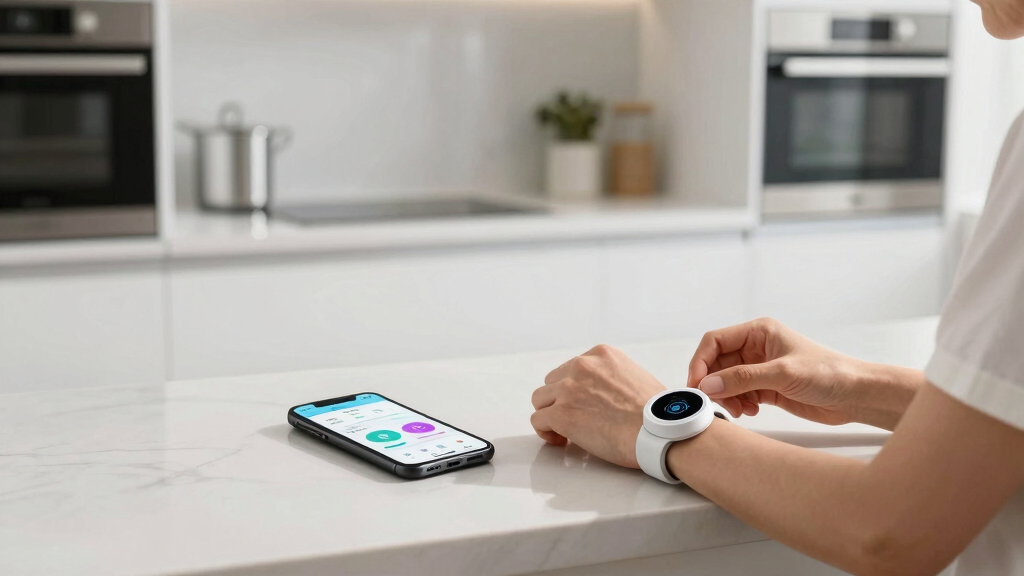

Finding reliable monitoring systems for dementia safety without ongoing fees can be challenging, but there are strong options available. The Life Alert Systems for Seniors No Monthly Fee makes a compelling overall choice thanks to its ease of use and affordability. For those prioritizing quick setup and straightforward alerts, the PILSAMAS WiFi Caregiver Pager stands out. Meanwhile, the NOMO Smart Care System offers advanced features like fall detection for more comprehensive safety. Each option balances tradeoffs like range, complexity, and device versatility. Continue reading for a detailed breakdown of the best no monthly fee systems to meet different needs.
Key Takeaways
- The best systems balance ease of use with reliable alerts, especially for caregivers managing multiple patients.
- Longer communication range is a key differentiator for larger homes or multi-room setups.
- Device versatility, such as combining call buttons, wristbands, and sensors, enhances safety coverage.
- Advanced features like fall detection are available but often come with higher complexity or cost.
- Most top picks avoid recurring fees but may require initial investment in multiple devices or sensors.


More Details on Our Top Picks
PILSAMAS WiFi Caregiver Pager Smart Call System with Waterproof Wristband and Call Buttons
This system stands out for its impressive long-range wireless connectivity of 328 feet, making it ideal for larger homes or care facilities. Its waterproof wristbands and call buttons are built for durability in wet zones, which is a significant advantage over systems like the CallToU Wireless Caregiver Pager, that rely solely on RF technology. Unlike some systems requiring monthly fees for SMS or call alerts, the PILSAMAS offers customizable app notifications without ongoing costs. However, it depends on a 2.4G Wi-Fi network, which could be a limitation if your network is congested or primarily 5G, and its alert tones and volumes are somewhat limited. Optional paid plans may be necessary for SMS or call notifications, adding potential costs. Overall, this pick makes the most sense for those who want a flexible, durable system with no monthly fees, especially in environments where long-range alerts are needed.
Pros:- Impressive 328-foot wireless range with through-wall capability
- Waterproof, durable design suitable for wet zones
- No monthly fees for app alerts and updates
- Easy to set up and customize alerts
Cons:- Requires a 2.4G Wi-Fi network, not compatible with 5G
- Limited alert tones and volume options
- Optional plans needed for SMS and call/email alerts
Best for: Families or care facilities needing long-range, waterproof alert systems with customizable app notifications and no monthly fees
Not ideal for: Homes with a 5G-only Wi-Fi network or users seeking extensive SMS or phone call alert options without additional costs
- Connectivity:Wi-Fi (2.4G), 433MHz
- Range:328 feet
- Waterproof Rating:IP65
- Number of Call Buttons:2
- Wristband:Waterproof, hypoallergenic
- App Features:Customizable tones, volume control, alert sharing, history viewing
- Compatibility:iOS and Android
Bottom line: This system is best for users who prioritize long-range, waterproof alerts with flexible app notifications and minimal ongoing costs.
WiFi Caregiver Pager Life Alert System for Seniors with App Control, Waterproof Call Button, Watch Button, and Receiver
This system excels in supporting up to 656 feet of range, surpassing many competitors like the CallToU system, which offers only 328 feet, making it suitable for larger residences or care facilities. Its support for multiple alert devices—including waterproof call and watch buttons—enables caregivers to monitor seniors effectively across different rooms. The system’s waterproof design and customizable ringtones enhance usability for everyday emergencies. However, it requires a subscription for SMS or phone call alerts, which could increase ongoing costs, unlike the PILSAMAS that offers free app notifications. It only supports 2.4GHz Wi-Fi, limiting compatibility with some networks. This pick is ideal for users who want reliable, long-range alerts with multi-device support but are willing to pay for enhanced communication channels.
Pros:- Extensive 656-foot range for larger spaces
- Supports multiple alert devices including waterproof call and watch buttons
- Customizable ringtones and volume levels
- Waterproof and easy to use
Cons:- Subscription necessary for SMS and call alerts
- Limited to 2.4GHz Wi-Fi networks
- Additional costs may apply for premium alert services
Best for: Caregivers managing seniors in larger homes or facilities who need long-range, multi-device alert capability with app notifications
Not ideal for: Users seeking a system with free SMS or call alerts or those on a 5G Wi-Fi network
- Connectivity:2.4GHz Wi-Fi
- Range:656 feet (200 meters)
- Waterproof:Yes
- Includes:Waterproof call button, watch button, receiver
- Compatibility:App control
- Mounting Options:Screw, adhesive patch, lanyard
Bottom line: This system is best suited for larger homes or facilities needing long-range, multi-device alerts with reliable app notifications, despite subscription costs.
Life Alert Systems for Seniors No Monthly Fee, App-Controlled Caregiver Pager with Waterproof Wrist Remote
This pick makes the most sense for those seeking a compact, multi-user system with no ongoing fees. Its waterproof wrist remote and app connectivity provide reliable emergency alerts with a range up to 300 feet, slightly less than some others but sufficient for typical home use. Unlike systems that rely heavily on Wi-Fi, this operates via a secure Wi-Fi connection, offering privacy and simplicity. The inclusion of a waterproof remote ensures safe use in showers, a key advantage over systems like CallToU which depend on RF alone. However, full functionality depends on the smartphone app, and additional SMS notifications require an extra subscription, adding to costs. The small remote and limited remote range might be less suitable for larger premises or users needing more extensive coverage.
Pros:- Waterproof wrist remote for shower safety
- Supports multi-user sharing via app
- No monthly fees for basic alert functions
- Reliable up to 300-foot range
Cons:- Additional SMS notifications require a subscription
- Limited remote range and small remote size
- Dependent on smartphone app for full use
Best for: Individuals or families wanting a compact, private, and cost-effective emergency system with multi-user sharing capabilities
Not ideal for: Large households or care homes needing extensive, long-range alert coverage or those unwilling to rely on smartphone apps
- Power Source:Battery Powered
- Compatible Devices:Smartphone
- Battery Description:Alkaline
- Batteries:2 A batteries included
- Control Method:App, Remote
- Range:300 Feet
Bottom line: This system is best for users looking for a compact, multi-user emergency alert solution that avoids monthly fees, with some reliance on smartphone compatibility.
CallToU Elderly Monitor with Camera and Audio, 2-Way Talk, No Wi-Fi, 720P Night Vision, SOS Button, Portable Screen
This system appeals to those who prefer privacy and real-time video monitoring without relying on Wi-Fi. Operating on a dedicated 2.4GHz FHSS connection, it offers secure, interference-free video and audio, surpassing Wi-Fi-based systems like the Life Alert with its clear 720P resolution and infrared night vision. The portable 2.8-inch screen and zoom capabilities make it flexible for caregivers to monitor seniors closely. Its SOS button and temperature sensor add valuable safety features. However, the small screen size might limit visibility, and manual setup is required. Additionally, it doesn’t offer remote alerts or integration with wider networks, making it less suitable for those needing remote or long-distance communication beyond the immediate environment.
Pros:- Secure, private 2.4GHz FHSS connection
- Clear 720P night vision with infrared
- Portable, easy-to-carry monitor
- Includes SOS button and temperature sensor
Cons:- Limited to 2.4GHz, no Wi-Fi connectivity
- Small 2.8-inch screen may be hard to view from a distance
- Manual setup and monitoring required
Best for: Caregivers or families seeking a private, real-time video system with no Wi-Fi dependency and focus on safety features
Not ideal for: Large homes or those requiring remote monitoring or extensive alert integration
- Connection:2.4GHz FHSS
- Camera Resolution:720P
- Night Vision:Infrared
- Screen Size:2.8 inches
- Zoom:4x
- Additional Features:Temperature sensor, SOS button
Bottom line: This system is ideal for privacy-focused caregivers wanting real-time video without Wi-Fi reliance, though its small screen limits remote viewing convenience.
PILSAMAS WiFi Caregiver Pager with App Alerts – 2 Call Buttons + Wristband Panic Button for Seniors
This system stands out for its straightforward setup and long-range wireless connectivity, making it a solid choice for families seeking reliable indoor alerts without ongoing fees. Compared to the WiFi Caregiver Pager Medical Alert System, it offers a simpler, battery-powered design that’s easier to install and maintain, though it’s limited to Wi-Fi 2.4G networks and indoor use. Customizable tones and volume control enhance usability, but the need for Wi-Fi and reliance on app alerts can pose challenges for less tech-savvy users. The system’s 230-foot range provides flexibility in home layouts, yet it doesn’t support outdoor or GPS tracking. This pick makes the most sense for caregivers who want a cost-effective, easy-to-use alert system primarily for indoor safety, willing to manage Wi-Fi dependencies.
Pros:- Easy to set up with pre-paired devices
- Long wireless range of 230 feet
- Customizable ringtones and volume levels
- No monthly fees, lifetime free updates
Cons:- Requires Wi-Fi connection (2.4G only)
- SMS, email, and phone alerts require subscription
- Limited to indoor use with Wi-Fi connectivity
Best for: Families needing a straightforward, indoor safety alert system with customizable alerts and no monthly fees
Not ideal for: Users wanting outdoor tracking or a system that works without Wi-Fi connectivity
- Power Source:Battery Powered
- Compatible Devices:Smartphone
- Battery Description:12-volt
- Number of Batteries:1
- Control Method:App, Remote, Touch
- Maximum Range:230 Feet
Bottom line: This is best suited for those who prioritize ease of use and indoor safety without ongoing costs.
WiFi Caregiver Pager Medical Alert System for Seniors with App Control, 2 Call Buttons, and 1 Receiver
This system excels in providing a longer communication range of up to 426 feet, making it ideal for larger homes or care facilities. Unlike the PILSAMAS WiFi Caregiver Pager, it includes a dedicated receiver and waterproof buttons that are suitable for bathrooms and kitchens, enhancing safety in wet zones. The app support allows instant mobile alerts, but the need for a separate subscription for notifications can add ongoing costs. Its 120-decibel alert volume ensures loud notifications, yet some users might find the setup or app integration complex. The dual mounting options add flexibility for different environments. This system is best for caregivers who need reliable, long-distance indoor alerts with waterproof features and are comfortable managing app-based notifications, despite potential setup hurdles.
Pros:- Supports instant mobile alerts via app
- Water-resistant buttons for wet areas
- Long communication range of up to 426 feet
- Adjustable volume and customizable ring tones
Cons:- Requires separate subscription for notifications
- Battery life details are unclear
- Setup and app integration may be challenging
Best for: Caregivers or families who need a waterproof, long-range alert system for large or multi-room homes
Not ideal for: Those who prefer a system with minimal app setup or do not want ongoing subscription costs
- Power Source:Battery Powered
- Compatible Devices:Smartphone
- Battery Description:Alkaline
- Number of Batteries:1 C batteries required (included)
- Control Method:App
- Maximum Range:426 Feet
Bottom line: Ideal for users seeking a long-range, waterproof alert system with mobile app notifications, willing to handle subscription costs.
This multi-hub system offers comprehensive coverage, ideal for larger homes or facilities requiring multiple alert points. Compared with the NOMO Smart Care system, it provides wired and wireless options, caller ID display, and waterproof buttons suitable for wet zones. Its dual hubs enhance reliability, ensuring alerts reach caregivers even if one hub fails. However, setup can be complex, especially for those unfamiliar with Wi-Fi and wireless configurations. The included four waterproof buttons are perfect for different locations, but the system’s limited to four buttons unless additional units are purchased. This pick makes sense for care environments needing reliable, multi-point alerts without ongoing fees, despite some initial installation effort.
Pros:- Reliable whole-home coverage with dual hubs
- Waterproof IP65 buttons suitable for wet zones
- Free app alerts with caller ID and customizable tones
- Supports multiple buttons and locations
Cons:- Requires Wi-Fi 2.4G network, not compatible with 5G
- Setup can be complex for non-technical users
- Limited to 4 included buttons; additional may cost extra
Best for: Senior care facilities or families with multiple rooms needing reliable, multi-location alerts without ongoing costs
Not ideal for: Individuals seeking a simple, single-point alert system or less tech-savvy users
- Package Dimensions:4.33 x 3.82 x 3.7 inches
- Item Weight:13.1 ounces
- Batteries:1 12V battery (included)
- Connectivity:Wi-Fi 2.4G, 433MHz wireless
- Range:328 feet through walls
- Waterproof Rating:IP65
Bottom line: Best suited for larger homes or facilities needing dependable multi-room alerts without ongoing fees, despite initial setup complexity.
NOMO Smart Care Medical Alert System with Fall Detection for Seniors, WiFi Monitoring, Emergency Call Button, Virtual Caregiver, 60-Day Trial
The NOMO Smart Care system offers advanced fall detection and two-way voice communication, making it a solid option for families prioritizing safety and privacy. Compared to the Wireless Home Security System, it emphasizes health-specific features like fall alerts and emergency calls, though it requires a monthly subscription after the free trial. Its WiFi-based setup simplifies installation, but the dependency on home WiFi can be a drawback in areas with unstable internet. The system’s wireless satellites and wearable tags provide flexibility, but it’s limited to in-home use and not portable outside. This choice is best for those seeking a comprehensive, privacy-conscious safety net with health monitoring, despite ongoing costs and WiFi reliance.
Pros:- Includes fall detection and two-way voice
- Wireless setup with easy plug-and-play components
- No wiring needed, simple to install
- Privacy-focused with no camera required
Cons:- Requires monthly subscription after free trial
- Dependent on WiFi stability
- Limited to in-home use only
Best for: Families looking for fall detection, emergency response, and privacy with in-home WiFi connectivity
Not ideal for: Users wanting a portable or outdoor system, or those unwilling to commit to a subscription
- Manufacturer:Nomo Smart Care
- Item Weight:2.72 pounds
- Product Dimensions:10.6 x 4.75 x 7.1 inches
- Batteries:4 CR2430 batteries (included)
- Power Source:AC Power with battery backup
- Included Components:Batteries
Bottom line: Ideal for families prioritizing fall detection and privacy inside the home, accepting ongoing subscription costs.
Wireless Home Security System, Tuya Smart Alarm Kit with WiFi & GSM, No Monthly Fees, 11 Pieces
This kit provides a flexible, DIY home security setup that can be expanded as needed, making it suitable for those wanting a broad safety net without recurring fees. Unlike the specialized safety-alert systems above, it integrates with WiFi and GSM networks, supporting voice and app control via Alexa and Google Assistant. Its 11-piece configuration covers multiple zones, but it’s not tailored specifically for dementia safety or medical alerts. The system’s reliance on WiFi and GSM means it may require more technical setup and ongoing monitoring for full effectiveness. This product makes sense for those who want a customizable, all-in-one home security system with alert capabilities, but it might be overkill for solely dementia safety needs.
Pros:- Easy DIY installation without wiring
- No monthly subscription fees
- Supports app and voice control via Alexa and Google
- Expandable with additional sensors
Cons:- Limited specific dementia safety features
- Requires WiFi and GSM connectivity for full use
- Does not support dedicated caregiver alerts or fall detection
Best for: Homeowners seeking an expandable, general-purpose security system compatible with smart home ecosystems
Not ideal for: Those looking solely for specialized dementia safety alerts or simple caregiver communication tools
- Number of Pieces:11
- Wireless Zones:100
- Remote Controls:10
- RFID Cards:10
- WiFi Frequency:2.4GHz
- Backup Battery:24 hours
Bottom line: Best suited for homeowners who want a customizable, expandable security system with smart home integration, not specialized for dementia safety.
PILSAMAS Bed Alarms for Elderly Dementia Patients – Digital Sensor ID Display & Clip-On Caregiver Pager, Wireless 1000ft Range, No Monthly Fee, Motion Sensors for Fall & Room Exit Alerts
This bed alarm system distinguishes itself through its infrared motion sensors, which significantly reduce false alarms caused by pets or shifting bedding, a common issue with basic motion-based alarms. Compared with the PILSAMAS WiFi Caregiver Page, this model offers a longer wireless range of 1000 feet, making it better suited for larger homes or multi-room setups. Its display of sensor IDs enables quick location identification, streamlining caregiver response times. While the absence of audio/video features limits its scope to motion detection alone, the rechargeable batteries and privacy protections make it a practical, maintenance-light choice. The tradeoff is that proper placement at 15-20 inches from the bed is critical for optimal detection, and it doesn’t support audio or video monitoring—which could be a drawback for those needing comprehensive oversight.
Pros:- Reduces false alarms with infrared motion sensors
- Long wireless range allows monitoring across large homes
- Displays sensor ID for quick location identification
- No monthly fees or cloud subscriptions
Cons:- Requires precise installation at 15-20 inches for best performance
- Limited to motion detection, no audio/video capabilities
- Battery life may vary with usage intensity
Best for: Families seeking reliable, whole-home bed exit alerts without monthly fees, especially in larger residences.
Not ideal for: Caregivers who want integrated audio/video monitoring or minimal setup requirements, as installation is sensitive and it only detects motion.
- Power Source:Battery Powered
- Compatible Devices:Caregiver Pager, Receiver
- Connectivity Technology:Wireless
- Control Method:Touch
- Maximum Range:1000 Feet
- Battery Average Life:2 months
- Sensor Technology:Motion Sensor
- Item Dimensions:2.6 x 1.2 x 3.9 inches
- Item Weight:9.6 ounces
Bottom line: This system is ideal for caregivers who need dependable, whole-home motion-based alerts without ongoing costs.
Life Guardian HD700V5 Medical Alarm Emergency Alert SOS Phone System – No Monthly Fees
This emergency alert system prioritizes personal safety with waterproof panic buttons, suitable for use in showers or wet environments—an advantage over the WiFi-based options which rely on app alerts. Its ability to call up to three pre-programmed numbers instantly makes it a straightforward solution for urgent situations, especially when compared with the PILSAMAS WiFi Caregiver Page, which offers more location-specific alerts but requires a Wi-Fi connection. The system’s compatibility with standard phone lines broadens its usability, though it necessitates a home phone or adapters, which might limit flexibility for some users. The absence of monitoring services and the need for a landline or adapters are notable tradeoffs, but the simplicity and reliability of direct calls make this ideal for those seeking a basic, no-monthly-fee emergency solution.
Pros:- No monthly fees or contracts
- Waterproof panic buttons suitable for shower use
- Easy to set up with multiple programmable phone numbers
- Long 150-foot range for mobility
Cons:- Requires a home phone line or adapters for cellular use
- Limited to emergency calling, no activity or fall detection
- Voice Pendant feature still under development
Best for: Individuals living alone or caregivers who prioritize quick, direct emergency contact without ongoing fees.
Not ideal for: Users without a home landline or those seeking continuous activity monitoring rather than emergency-only alerts.
- Number of Alert Buttons:Up to 10
- Waterproof Buttons:Yes
- Range:150 feet
- Phone Line Required:Yes
- Compatibility:Normal Phone Line, optional Bluetooth and Cell Phone Adapters
- Message Length:7 seconds
- Includes:2 waterproof panic buttons (necklace and wrist)
Bottom line: This system fits those needing a straightforward, no-cost emergency alert device with waterproof features.
This system leverages Wi-Fi connectivity and a user-friendly app to deliver instant alerts, making it highly suitable for tech-savvy caregivers managing multiple users. Its 328-foot range and ability to pass through walls surpass many Bluetooth-based systems, providing flexible placement options. Customizable alert tones and device names enhance user recognition, which is helpful in busy caregiving scenarios. Waterproof buttons rated IP65 extend usability to wet zones like bathrooms, a common concern for dementia safety. However, the system depends on a stable 2.4G Wi-Fi connection, which could pose limitations in homes with spotty internet. Some features, such as SMS or email alerts, may require additional subscriptions, and battery details are not specified, potentially affecting long-term reliability. Overall, this pick excels where connectivity and customization are priorities.
Pros:- Long 328ft range with through-wall signal
- Customizable tones and device names for easy identification
- Waterproof and suitable for wet zones
- No monthly subscription fees
Cons:- Requires a stable 2.4G Wi-Fi network
- Some features may need optional paid subscriptions
- Battery life details are not specified
Best for: Home caregivers or facility staff needing customizable, Wi-Fi-based alerts with flexible placement options.
Not ideal for: Those with unreliable Wi-Fi or seeking a fully standalone, cellular-based system without internet dependency.
- Wi-Fi Compatibility:2.4G Wi-Fi
- Range:328 feet
- Technology:433MHz
- Waterproof Rating:IP65
- Alert Tones:18 options
- Volume Control:4 levels
- Device Sharing:Yes
- App Compatibility:iOS and Android
Bottom line: This system is best for caregivers who want a flexible, app-based alert setup with extensive range and customization options.

How We Picked
To determine the best no monthly fee monitoring systems for dementia safety, I evaluated each product based on performance, ease of setup, build quality, and overall value. Devices were rated for how effectively they deliver reliable alerts, their user-friendliness for both seniors and caregivers, and how well they integrate multiple safety features. We also considered the versatility of each system—such as range, sensor options, and alert types—and how transparent and straightforward their operation is without ongoing fees. Products that combined these factors with durability and positive user feedback earned higher rankings, ensuring the list caters to a range of needs and budgets.Factors to Consider When Choosing Best No Monthly Fee Monitoring Systems For Dementia Safety
Choosing the best no monthly fee monitoring system for dementia safety requires understanding key factors that influence usability, coverage, and reliability. It’s vital to consider how the system fits your specific environment, the types of alerts needed, and the ease of use for both seniors and caregivers. A well-chosen device can provide peace of mind without ongoing costs, but tradeoffs in features, complexity, and initial investment are common. This guide highlights essential considerations to help you make an informed decision.Coverage and Range
Assess the physical area where the system will operate. Larger homes or multiple rooms require devices with extended range, such as systems supporting 1000 feet or more. Some systems use multiple hubs or repeaters to increase coverage, which can add complexity but improve safety. Avoid systems with limited range if your environment is expansive, as missed alerts could compromise safety.
Device Compatibility and Versatility
Look for systems that support various device types—call buttons, wristbands, bed sensors, and motion detectors—to tailor safety coverage. Multi-device setups often deliver more comprehensive safety, especially for dementia patients prone to wandering or falls. However, more devices can increase initial setup complexity and cost. Balance your need for coverage with ease of installation.
Ease of Use and Setup
Systems should be straightforward for both seniors and caregivers to operate. Features like one-touch alerts, simple app controls, and minimal setup steps prevent frustration. Devices that require frequent recalibration or complex configurations may deter consistent use, reducing safety benefits. Prioritize intuitive interfaces and clear instructions, especially if you have limited technical experience.
Alert Types and Reliability
Consider what kinds of alerts are most critical—audible alarms, visual signals, or app notifications—and whether the system provides multiple alert methods. Reliable communication is essential, particularly in emergency situations. Check if the system supports redundant alerts or failsafes, such as local alarms, to ensure alerts reach caregivers even if Wi-Fi is unstable.
Initial Investment and Ongoing Costs
While these systems avoid monthly fees, they often involve upfront costs for devices and sensors. Evaluate how many devices you’ll need and their compatibility with your environment. Some systems may require replacement batteries or additional accessories over time, which adds to the total cost. Be wary of systems with hidden expenses or limited hardware lifespan to avoid future surprises.
Frequently Asked Questions
Can these systems work without Wi-Fi?
Many of these monitoring systems rely on Wi-Fi for app alerts and remote communication, but some include cellular backup or operate via local alarms that do not depend on internet connectivity. If your Wi-Fi is unreliable, choose a system with cellular support or local alert capabilities to ensure continuous safety coverage. Always verify whether the system’s core alert functions can operate independently of Wi-Fi if necessary.
Are these systems suitable for dementia patients who wander?
Yes, many of these systems include sensors like bed alarms, motion detectors, or wandering alerts that can help monitor dementia patients prone to wandering. Systems with wide coverage, such as long-range call buttons or multiple sensors, are particularly effective. However, the effectiveness depends on proper placement and integration, so selecting a system with comprehensive sensor options is advisable for wandering prevention.
How easy is it to install and maintain these systems?
Most of these systems are designed for DIY installation, with straightforward setup instructions. Devices like call buttons and wristbands typically require minimal calibration, while sensors may need placement considerations. Maintenance usually involves replacing batteries or ensuring sensors stay properly positioned. Choosing systems with long-lasting batteries and simple setup procedures reduces ongoing effort and ensures consistent operation.
What should I consider if I need a system for a multi-room or large home?
For larger spaces, look for systems supporting extended ranges—ideally over 500 feet—and multi-device hubs. Multiple sensors or repeaters can help ensure alerts reach caregivers throughout the entire area. Keep in mind that more extensive setups might increase initial costs and complexity, so plan for a scalable system that can expand as needed. Testing coverage in your environment before finalizing the setup can prevent blind spots.
Are these systems suitable for tech-averse seniors?
Many of these monitoring solutions are designed with simplicity in mind, featuring one-touch buttons or straightforward alerts. However, some require interaction via smartphone apps, which might be challenging for tech-averse seniors. In such cases, systems with minimal interface—like loud alarms or wearable panic buttons—are preferable. Caregivers should consider the senior’s comfort with technology and choose a system that complements their abilities.
Conclusion
For general safety and ease of use, the Life Alert Systems for Seniors No Monthly Fee makes an excellent choice for most families seeking reliable, maintenance-free monitoring without ongoing costs. If affordability and straightforward operation are your priorities, the PILSAMAS WiFi Caregiver Pager offers solid coverage with simple setup. For those needing advanced features like fall detection or long-range sensors, the NOMO Smart Care System is worth the extra investment. Beginners or less tech-savvy users will benefit from systems with minimal configuration, while large homes or complex needs may require more versatile, expandable setups. Carefully weigh your environment, safety priorities, and budget to select the best system for your situation.