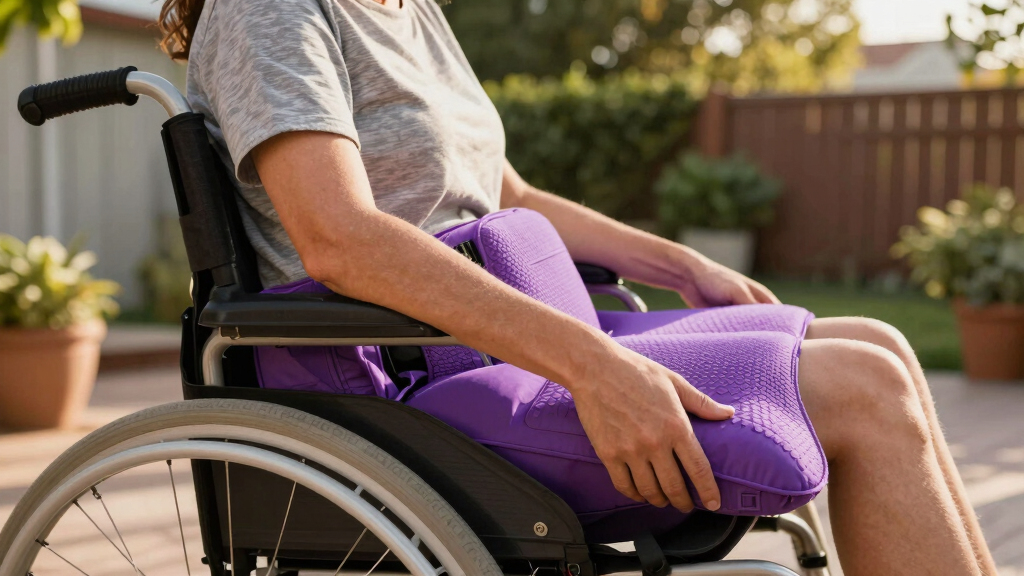

Choosing the best air cell wheelchair cushions for pressure sores involves balancing comfort, pressure relief, and durability. The top pick, Inflatable Pressure Relief Air Cell Cushion, offers excellent pressure distribution for most users. The Alternating Pressure Wheelchair Cushion stands out for its dynamic pressure adjustment, ideal for those with ongoing sore risk. However, these cushions differ in features, ease of use, and price, requiring careful consideration based on individual needs. Continue reading for a detailed breakdown of each option and how to find the best fit for your pressure sore prevention strategy.
Key Takeaways
- Top cushions combine adjustable air cells with pressure redistribution technology for effective sore prevention.
- Ease of use and maintenance vary, with some cushions requiring manual adjustments while others feature automated pumps.
- Durability and material quality significantly impact long-term performance and comfort.
- Price points reflect differences in features, with premium models offering more customization and convenience.
- Size compatibility and portability are critical, especially for users who also use cushions in multiple settings.


More Details on Our Top Picks
Inflatable Pressure Relief Air Cell Cushion for Wheelchair & Mobility Scooter, 16″ x 16″
This inflatable cushion stands out for its combination of effective pressure relief and breathability, making it suitable for users who need all-day comfort. Unlike the Roho Mosaic, which offers more customizable air cell adjustments, this cushion emphasizes airflow and cooling, reducing heat buildup. Its lightweight design and washable cover enhance convenience, but it requires manual inflation and frequent adjustments for optimal support. The breathable mesh fabric and airflow channels help prevent moisture and heat retention, which are common issues with less ventilated options. Overall, this pick balances affordability, ease of use, and reliable pressure relief, making it ideal for daily wheelchair users seeking adjustable comfort without complexity.
Pros:- Provides effective pressure relief and circulation support
- Breathable and cooling for all-day comfort
- Adjustable inflation for personalized fit
- Removable washable cover for easy cleaning
Cons:- Requires manual inflation with included pump
- May need frequent adjustments for optimal comfort
Best for: Individuals who need adjustable support with cooling comfort and easy maintenance
Not ideal for: Users who prefer fully customizable inflating options or require high-pressure redistribution for severe pressure sores
- Size:16″ x 16″
- Material:Breathable mesh fabric
- Maximum Weight Capacity:300 lbs
- Inflation Tip:Inflate to approximately 70% of capacity
- Features:Removable washable cover, non-slip bottom, hook-and-loop strap
- Color:Black
Bottom line: This cushion suits users needing customizable support with enhanced airflow for prolonged sitting comfort.
Alternating Pressure Wheelchair Cushion for Pressure Sore Relief, Waterproof Air Cell Cushion, Promotes Blood Flow and Minimizes Tissue Deformation
This cushion excels at preventing pressure sores through its alternating air cell technology, making it an excellent choice for users who sit for extended periods. Compared with the Inflatable Pressure Relief Cushion, which offers static support, this model’s automatic cycle provides continuous pressure redistribution, helping reduce tissue deformation and improve blood flow. Its rechargeable pump and long battery life support all-day use, but the bulkiness and maintenance needs might be drawbacks for some. The waterproof cover simplifies cleaning, and multiple cycle options allow tailored comfort, making it especially suitable for users with high risk of ulcers or those needing consistent pressure relief without frequent adjustments.
Pros:- Provides effective pressure relief to prevent bedsores and ulcers
- Adjustable comfort levels and cycle times for personalized support
- Long battery life supports up to 12 hours of continuous use
- Waterproof cover makes cleaning easy
Cons:- May be bulky for some users
- Requires charging and maintenance of the pump
Best for: Wheelchair users with high pressure sore risk and those who benefit from automated pressure cycling
Not ideal for: Individuals who prefer simple, manual cushions or have limited space for bulky equipment
- Dimensions:17 x 17 x 5 inches
- Weight Capacity:Up to 300 pounds
- Battery Life:Up to 12 hours
- Material:Stretch polyurethane and waterproof PVC fabric
- Number of Air Cells:4
- Cycle Times:10, 15, 20 minutes
Bottom line: Ideal for users requiring automatic, continuous pressure redistribution to prevent ulcers during long sitting sessions.
AUVON Gel Wheelchair Seat Cushion
This gel cushion offers a blend of pressure relief and cooling comfort, suitable for users who need relief from tailbone or back pain during long sitting periods. Compared to the Inflatable Pressure Relief Cushion, the gel provides a softer, more uniform support, but it lacks the adjustability of air-filled cushions. Its anti-slip base and adjustable strap enhance stability, while the waterproof cover simplifies cleaning. However, the firm support and temperature sensitivity might limit comfort for some users, especially in colder environments. Overall, this cushion makes sense for those looking for a supportive, stable seat with cooling benefits, though it may not be ideal for severe pressure sore prevention.
Pros:- Provides effective pressure relief and comfort during long sitting periods
- Breathable, cooling fabric helps prevent stuffiness
- Secure anti-slip design with adjustable strap for stability
- Easy to clean and maintain
Cons:- Firm support may feel less comfortable for some users
- Temperature-sensitive foam might feel firmer below 68℉
Best for: Users with tailbone or back pain seeking stable, cooling support during prolonged sitting
Not ideal for: People requiring highly adjustable or dynamic pressure redistribution for ulcer prevention
- Dimensions:18″L x 16″W x 3″H
- Material:Gel, memory foam, waterproof silk fabric
- Coverage:16.4″L x 14.9″W
Bottom line: This cushion suits users prioritizing stability and cooling comfort over dynamic pressure redistribution.
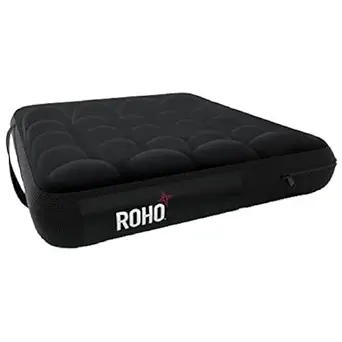
Roho Mosaic Cushion, 18″ x 18″ Inflatable Seat Cushion with Adjustable Air Cells
The Roho Mosaic Cushion offers highly customizable pressure distribution thanks to its interconnected air cells, making it ideal for users with fluctuating support needs. Compared with the Inflatable Pressure Relief Air Cell Cushion, which has simple inflation, this model’s interconnected cells contour more precisely to body shapes. It includes a user-friendly hand pump, allowing for quick adjustments on the go, but requires periodic reinflation to maintain support. Its lightweight design and machine-washable cover make it portable and easy to maintain. However, the complexity of adjusting multiple air cells may be a drawback for users seeking simplicity, and the need for manual reinflation can be an inconvenience.
Pros:- Customizable comfort with adjustable air cells
- Portable and lightweight for on-the-go use
- Easy to clean with machine-washable cover
- Includes inflation pump and patch kit for maintenance
Cons:- Requires manual inflation with pump
- May need periodic reinflation for consistent support
Best for: Users who need precise, customizable support and are comfortable managing adjustments
Not ideal for: Individuals who prefer plug-and-play solutions or have limited strength to manually adjust the air cells
- Size:18″ x 18″
- Weight Capacity:Up to 315 lbs
- Material:Two-way stretch Lycra cover
- Air Cells:3-inch interconnected
Bottom line: This cushion is perfect for users who value tailored support and don’t mind managing adjustments regularly.
Inflatable Wheelchair Seat Air Cushion – 20″ x 18″ – Pressure Sore and Ulcer Treatment
This high-capacity inflatable cushion offers deep immersion and adjustable pressure distribution, making it suitable for users with significant support needs. Compared with the other cushions, such as the Roho Mosaic, this model’s larger size and dual valves provide more precise pressure control and a higher weight capacity, supporting up to 500 lbs. Its breathable nylon cover and included pump make it easy to maintain, but its bulkiness and manual inflation process can be limiting for some. The high-profile design provides extensive support for severe pressure sore prevention or treatment, especially for heavier users who need more stability and immersion.
Pros:- Adjustable dual valves for personalized pressure distribution
- High-profile design offers deep support and immersion
- Removable, washable, breathable nylon cover
- Supports up to 500 lbs with safety straps and non-slip bottom
Cons:- May be bulky for some wheelchair users
- Requires manual inflation with pump
Best for: Heavier users or those with severe pressure sore risks seeking maximum support and adjustability
Not ideal for: Lightweight users or those preferring slim, low-profile cushions for mobility or discreet use
- Size:20″ x 18″
- Height:4 inches
- Weight Capacity:500 lbs
- Material:Neoprene, nylon cover
- Includes:Pump, nylon cover, repair kit
- Pressure Adjustment:Dual valve for independent inflation
Bottom line: This cushion is best suited for users needing maximum support and pressure redistribution for severe ulcer prevention or heavier body weights.
Roho Mosaic Cushion, 18″ x 16″ Inflatable Seat Cushion with Adjustable Air Cells, Two-Way Stretch Lycra Cover, Non-Skid Bottom, Lightweight & Portable for Wheelchairs, Office Chairs, Cars & Home
The Roho Mosaic Cushion stands out for its highly customizable comfort, thanks to interconnected air cells that contour precisely to the user’s body. Unlike the Vive Alternating Pressure Pad, which provides dynamic pressure redistribution through its pump modes, the Mosaic allows manual adjustment of firmness, giving users tailored support. However, this means it requires some effort to inflate and adjust, which might be inconvenient for those with limited hand strength. Its lightweight design and washable cover make it ideal for frequent travel and varied seating environments. While it excels in pressure relief and adaptability, it may not be as durable as more rigid foam-based options over extended heavy use. Still, for users who prioritize a personalized fit and portability, this cushion offers a compelling solution.
Pros:- Contouring air cells provide personalized pressure relief
- Lightweight and easy to transport
- Removable, washable cover for hygiene and convenience
Cons:- Requires manual inflation and adjustment, which can be time-consuming
- May be less durable with long-term heavy use
Best for: Individuals at high risk for pressure sores who want customizable support and portability.
Not ideal for: Users seeking a maintenance-free, automatic pressure redistribution system or those with limited hand strength for manual adjustments.
- Dimensions:18″ x 16″
- Air Cell Height:3 inches
- Weight Capacity:Up to 315 lbs
- Cover Material:Two-Way Stretch Lycra
- Includes:Inflation pump, patch kit, instructions
- Features:Non-skid bottom, fluid-resistant, machine washable cover
Bottom line: Best suited for users needing tailored pressure relief and portability, willing to handle manual adjustments.
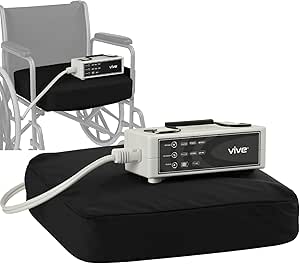
Vive Alternating Pressure Pad for Wheelchairs – Ulcer & Bed Sore Prevention – Pain Relief Cushion with Rechargeable Pump
The Vive Alternating Pressure Pad is designed to prevent skin breakdown through continuous pressure redistribution, making it a strong choice for long-term ulcer prevention. Its rechargeable pump operates quietly across multiple modes, unlike the Mosaic’s manual adjustments, providing automatic, consistent pressure shifts that promote blood flow. This feature makes it ideal for caregivers or users who prefer a set-it-and-forget-it approach. However, the pump’s size and the need to recharge every 8 hours may be inconvenient for some, especially those with limited space or inconsistent access to power. Its waterproof cover simplifies maintenance, but the system’s bulk could be a drawback for smaller wheelchairs. For users prioritizing automatic, maintenance-free pressure relief, this cushion is a solid match.
Pros:- Effective automatic pressure redistribution reduces ulcer risk
- Long-lasting rechargeable battery supports 8 hours of use
- Quiet pump minimizes noise disturbance during use
Cons:- Battery cannot be used while charging, limiting continuous operation
- Bulkiness may be unsuitable for smaller wheelchairs
- Requires regular maintenance and cleaning of waterproof cover
Best for: Elderly or disabled wheelchair users seeking automatic pressure redistribution and long-lasting ulcer prevention.
Not ideal for: Those with smaller wheelchairs or limited space who find bulky equipment cumbersome, or users not comfortable with regular recharging.
- Weight Capacity:220 pounds
- Battery Life:8 hours
- Fits Seat Width:18 inches and wider
- Modes:3+ modes
- Material:Waterproof cover
- Pump Noise Level:Ultra-quiet
Bottom line: Ideal for users who prefer automatic pressure relief with minimal manual intervention, despite some bulk and maintenance needs.
How We Picked
Products were evaluated based on their pressure relief effectiveness, ease of use, build quality, and user comfort. We prioritized cushions with adjustable air cells that promote blood flow and reduce tissue deformation, as these are essential for pressure sore prevention. Durability, maintenance requirements, and value for money also played key roles in our rankings. We compared user reviews, product specifications, and expert insights to ensure each pick offers a meaningful benefit for its target user. The ranking reflects a balance of performance, usability, and cost, ensuring options suit different needs and budgets.Factors to Consider When Choosing Best Air Cell Wheelchair Cushions For Pressure Sores
Selecting the right air cell wheelchair cushion involves considering several important factors beyond basic features. It’s vital to match the cushion’s pressure relief capabilities with your specific health needs. Comfort, ease of adjustment, and durability influence long-term satisfaction. Understanding these factors helps avoid common pitfalls, such as choosing a cushion that’s too small or lacking proper pressure redistribution technology.Pressure Relief and Distribution
Look for cushions that actively redistribute pressure to prevent tissue deformation. Adjustable air cells that can be tailored to your body shape and pressure needs are preferable. Dynamic cushions that alternate pressure can provide additional support, especially for those with existing sores or high risk. Avoid cushions with static designs that don’t adapt to movement or pressure changes.
Ease of Use and Maintenance
Consider how simple it is to inflate, deflate, and adjust the cushion. Models with built-in pumps or automated systems reduce user effort and improve consistency. Maintenance includes checking for leaks and cleaning covers—materials like Lycra or waterproof covers can extend lifespan. Overly complex systems might be less practical for everyday use, so balance functionality with convenience.
Size and Compatibility
Matching the cushion size to your wheelchair seat is critical for effective pressure relief. Oversized cushions may shift, while undersized ones can leave pressure points unprotected. Also, consider portability if you need to transfer the cushion between different chairs or settings. A lightweight, compact model might be more suitable for active users or frequent travel.
Durability and Material Quality
High-quality materials resist punctures and leaks, extending the cushion’s lifespan. Reinforced seams and durable covers add to the longevity, especially for users who sit for extended periods daily. Cheaper models may save money upfront but often require replacement sooner, costing more over time. Investing in a well-made cushion can provide better long-term pressure management.
Price and Value
While premium cushions often include advanced features like automatic pressure adjustment, they come at a higher cost. Budget options can still offer effective pressure redistribution but may lack convenience and durability. Balance your budget with your health needs—investing in a slightly more expensive model might prevent costly pressure sore treatments later. Look for warranties or guarantees that add value to your purchase.
Frequently Asked Questions
Can I use an air cell cushion if I already have pressure sores?
While air cell cushions primarily prevent pressure sores, they can also help manage existing sores by reducing pressure and promoting blood flow. However, if you have active sores, it’s crucial to follow your healthcare provider’s advice for wound care. These cushions should complement other treatment strategies, not replace medical interventions. Consistent pressure relief and proper wound management are key to healing.
How often should I adjust or check my air cell cushion?
Regular adjustments are vital for maintaining optimal pressure distribution, especially if your condition changes or if you notice discomfort. It’s advisable to check the cushion’s air pressure daily and make adjustments as needed. Periodic inspections for leaks and cover integrity also extend the cushion’s lifespan. Following manufacturer instructions for maintenance ensures consistent performance and pressure relief.
Are automatic pump cushions worth the extra cost?
Automatic pump cushions offer convenience by maintaining consistent pressure without manual effort, which can be especially helpful for users with limited mobility. They often feature adjustable settings and auto-recalibration, reducing user fatigue and ensuring optimal pressure distribution. However, they tend to be more expensive and may require additional maintenance. If you value ease of use and have ongoing pressure concerns, they can be a worthwhile investment.
What size cushion should I choose for my wheelchair?
Choosing the correct size depends on your wheelchair dimensions and body shape. A cushion that fits snugly within the seat provides better pressure relief and stability. Too small, and it won’t cover all pressure points; too large, and it may shift or cause discomfort. Measure your seat carefully and consider adjustable or multi-size options. Consulting with a healthcare professional can help determine the best dimensions for your specific needs.
Is a higher-priced cushion always better?
Not necessarily. While higher-priced cushions often include advanced features like automatic pressure adjustment, more durable materials, and custom fit options, they aren’t always necessary for every user. Your choice should depend on your specific health needs, lifestyle, and budget. For some, a well-designed mid-range cushion provides sufficient pressure relief, whereas others with severe pressure sore risk might benefit from premium features. Prioritize features that match your daily requirements and long-term comfort.
Conclusion
For those new to pressure sore prevention, a reliable mid-range cushion with adjustable air cells offers a great balance of support and ease of use. If you’re seeking the best overall, the Inflatable Pressure Relief Air Cell Cushion provides excellent pressure distribution at a reasonable price. For users with ongoing sore risk or complex needs, a premium option like the Vive Alternating Pressure Pad with automated features offers peace of mind. Budget-conscious buyers should focus on durable, straightforward cushions that deliver consistent pressure relief without extra bells and whistles. Ultimately, your choice depends on your health status, lifestyle, and budget, but prioritizing pressure redistribution and ease of maintenance will lead to the best long-term outcomes.