Finding the best pressure ulcer prevention systems for home patients involves balancing effectiveness, ease of use, and affordability. The Blue Jay Alternating Pressure Pump & Pads stands out for its adjustable pressure settings, making it suitable for a variety of needs. The Vive Alternating Pressure Pad offers a rechargeable, portable solution for ongoing relief, ideal for active users. However, many systems require tradeoffs between cost, comfort, and maintenance. Keep reading for a detailed comparison to help you identify the best fit for your situation.

Turn quiet afternoons into listening time
- Thousands of audiobooks, podcasts and originals
- Listen on your phone, tablet or Echo — also offline
- Cancel anytime
Key Takeaways
- The most effective systems combine alternating pressure with simple controls for ease of use.
- Portability and battery-powered options are key for active or mobile users who need relief outside the home.
- Higher-priced systems tend to offer better durability and more precise pressure adjustments, benefiting long-term users.
- Educational and training models are included but are less relevant for direct pressure relief at home.
- Tradeoffs often appear between cost and customization; premium systems provide more tailored pressure schedules.
| Decubitus Ulcer Care Model – Advanced Pressure Sore Simulator for Medical Training |  | Best for Clinical Training and Education | Stages Demonstrated: 4 | Materials: Silicone and PVC | Features: Lifelike skin, tear resistant, high insulation, wear resistant | VIEW LATEST PRICE | See Our Full Breakdown |
| Blue Jay Alternating Pressure Pump & Pads with Flaps – Adjustable Pressure, 110V, Hospital & Home Use |  | Best for Bedridden Patients Needing Portable Relief | Power: 110V | Cycle Duration: 12 minutes | Pad Dimensions: 78.7″ L x 35.4″ W | VIEW LATEST PRICE | See Our Full Breakdown |
| Advanced Pressure Ulcers Nursing Model – Elderly Bedsores Educational Tool |  | Best for Wound Care Practitioners and Educators | Material: Silicone | Application: Medical training, nursing education | Features: Lifelike skin, disassembly, durable | VIEW LATEST PRICE | See Our Full Breakdown |
| Alternating Pressure Seat Cushion for Wheelchairs with 24 Hour Air Pump, Self-Inflating Air Cell Pad for Pressure Relief, Ulcer & Bed Sore Prevention |  | Best for Wheelchair Users Needing Continuous Pressure Relief | Dimensions: 17x17x5 inches | Cycle Modes: Alternating (10/15/20 min), Static (3 levels) | Pump Duration: 24 hours | VIEW LATEST PRICE | See Our Full Breakdown |
| Advanced Pressure Ulcers Nursing Model for Student Training – Elder Butt Model |  | Best for Student and Trainee Practice | Material: PVC | Features: Lifelike skin, detachable parts | Stages Modeled: Four-stage bedsore, sinus, fistula, infections | VIEW LATEST PRICE | See Our Full Breakdown |
| Vive Alternating Pressure Pad for Wheelchairs – Ulcer & Bed Sore Prevention – Pain Relief Cushion for Pressure Relief – Fits Wheelchair Seats 18″ & Wider – Rechargeable Air Pump Included | 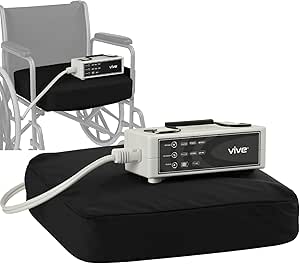 | Best Overall for Seated Pressure Relief | Product Type: Body Positioner | Brand: Vive | Model Name: Vive Alternating Seat Cushion | VIEW LATEST PRICE | See Our Full Breakdown |
| Pressure Ulcer Wound Models Pocket Size for Nursing Training |  | Best for Educational and Training Purposes | Stages Included: Stage 2, Stage 3, Stage 4 | Material: High-quality silicone | Size: Approximately smartphone-sized | VIEW LATEST PRICE | See Our Full Breakdown |
More Details on Our Top Picks
Decubitus Ulcer Care Model – Advanced Pressure Sore Simulator for Medical Training
This model stands out for its highly realistic simulation of four pressure ulcer stages, including complex conditions like sinusitis and fistulas, making it ideal for medical students and wound care practitioners. Compared with models like the Elder Bedsores Educational Tool, its focus on detailed, layered wound representation offers superior training value. However, it’s primarily designed for educational use and might be overly complex for beginners or non-clinical caregivers. The durable, tear-resistant materials ensure repeated use, and its realistic features help improve skills in wound assessment. Nevertheless, its complexity could be a barrier for those unfamiliar with advanced wound care, and it lacks portability or suitability for home use. Best for medical training facilities or advanced wound care practitioners who need detailed simulation.Pros:- Highly realistic simulation of multiple ulcer stages
- Durable, tear-resistant silicone and PVC materials
- Suitable for detailed wound assessment training
Cons:- Complex for beginners or non-professional users
- Limited to educational and clinical settings
Best for: Medical students, wound care nurses, and clinical trainers seeking realistic pressure ulcer models.
Not ideal for: Home caregivers or patients needing practical prevention tools—this is a training device, not a prevention system.
- Stages Demonstrated:4
- Materials:Silicone and PVC
- Features:Lifelike skin, tear resistant, high insulation, wear resistant
- Intended Use:Medical training, wound assessment
Bottom line: This model suits medical professionals and students requiring detailed, hands-on ulcer training rather than home prevention.
Blue Jay Alternating Pressure Pump & Pads with Flaps – Adjustable Pressure, 110V, Hospital & Home Use
This pump and pad system offers adjustable pressure settings and a 12-minute alternating cycle, making it a solid choice for home patients who require customizable pressure relief. Its portability and foldable design make it more convenient than fixed hospital units like the foam-based seat cushions. Compared with the seat cushion model, it provides more personalized pressure management, though it relies on a power outlet, which limits use during power outages or outdoor settings. The secure flaps help keep the pad in place, reducing the risk of slipping during sleep or sitting. However, its noise level and dependence on electricity might be drawbacks for sensitive users. Best suited for caregivers or patients who want adjustable, hospital-grade pressure relief at home or on the go.Pros:- Adjustable pressure for personalized comfort
- Portable, foldable design ideal for travel
- Secure flaps provide stability during use
- Long 24-hour pump operation
Cons:- Requires continuous power supply
- Potential noise during operation
- Limited to specific bed or chair sizes
Best for: Homebound patients with mobility issues needing adjustable, portable ulcer prevention support.
Not ideal for: Users looking for a battery-powered or noiseless system—this model requires continuous power and may produce noise.
- Power:110V
- Cycle Duration:12 minutes
- Pad Dimensions:78.7″ L x 35.4″ W
- Flap Length:15.7″
- Weight:Lightweight and foldable
Bottom line: This pump and pad system offers adaptable, portable relief for home patients but depends on consistent power and may be noisy.
Advanced Pressure Ulcers Nursing Model – Elderly Bedsores Educational Tool
This lifelike silicone model excels at simulating pressure ulcers across multiple stages, with realistic skin texture and detailed wound features, making it ideal for training nurses and clinicians in wound management. It surpasses simpler models like the Pocket Size Wound Model in realism and complexity, offering extensive practice for cleaning, classification, and measurement skills. Its disassembly feature allows repeated use, though the high cost may be a barrier for smaller institutions. Its detailed wound types, including infections and bone exposure, provide a comprehensive training experience, but it’s not suited for home settings or casual caregivers. This pick makes the most sense for educational settings requiring detailed, multi-stage ulcer simulation.Pros:- Realistic skin feel and detailed wound features
- Durable and easy to disassemble for multiple uses
- Includes a wide range of wound types and stages
Cons:- High price for individual users or small clinics
- Limited to training, not for actual wound care
Best for: Nursing schools, wound care clinics, and professional training programs.
Not ideal for: Home caregivers or patients seeking practical prevention tools—this is a training aid, not a prevention device.
- Material:Silicone
- Application:Medical training, nursing education
- Features:Lifelike skin, disassembly, durable
- Wound Types:Pressure ulcers, sinus, fistula, infection, bone exposure
Bottom line: This model offers advanced, detailed training for professionals rather than practical home ulcer prevention.
Alternating Pressure Seat Cushion for Wheelchairs with 24 Hour Air Pump, Self-Inflating Air Cell Pad for Pressure Relief, Ulcer & Bed Sore Prevention
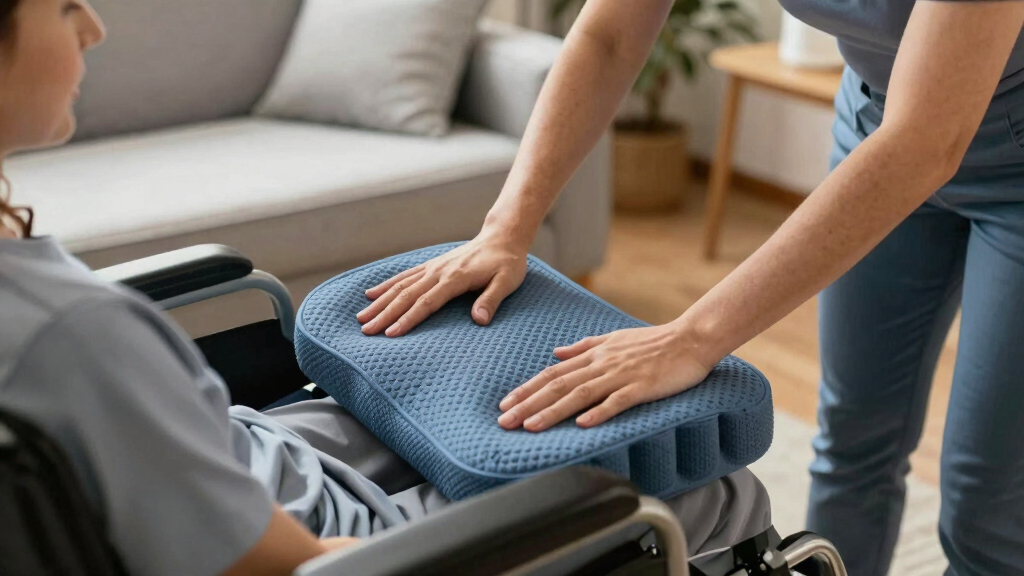
This wheelchair cushion combines alternating pressure cycles with a long-lasting pump, offering 24 hours of continuous relief—perfect for users who sit for extended periods. Its adjustable modes and universal fit make it versatile for many chair sizes, providing a practical solution for preventing bedsores and sciatic pain. Compared with larger mattress systems, this cushion is more discreet and portable, though it’s bulkier than simple foam pads, which could be uncomfortable for some users. The need for power and potential cleaning requirements are minor tradeoffs for its convenience and effectiveness. This makes it ideal for wheelchair users who need consistent, customizable pressure relief without bulky equipment.Pros:- Prevents bedsores and relieves sciatic nerve pain
- Adjustable pressure modes for personalized comfort
- Universal fit for various chairs
- Long-lasting pump provides 24 hours of operation
Cons:- Bulky design may be uncomfortable for some users
- Requires continuous power supply
- Cleaning could be necessary for hygiene
Best for: Wheelchair-bound individuals requiring reliable, continuous pressure ulcer prevention.
Not ideal for: People who need lightweight, battery-operated solutions or those sensitive to noise—this model relies on power and may produce operational noise.
- Dimensions:17x17x5 inches
- Cycle Modes:Alternating (10/15/20 min), Static (3 levels)
- Pump Duration:24 hours
- Material:Waterproof PVC/polyurethane
Bottom line: This cushion offers reliable pressure relief for wheelchair users with long-term or daily sitting needs, provided they have access to power.
Advanced Pressure Ulcers Nursing Model for Student Training – Elder Butt Model
Designed to simulate multiple stages of pressure ulcers, including infections and bone exposure, this PVC-based model is ideal for nursing students and trainees needing hands-on experience. Its realistic touch and detachable parts allow for repeated practice in wound cleaning, classification, and measurement, outperforming simpler models like the Pocket Size Wound Model in realism and versatility. The durability and detailed wound features make it a valuable teaching tool, although its price might be prohibitive for smaller or budget-conscious institutions. It’s not suitable for casual or home use but excels in educational settings. This model is best for training programs that prioritize realism and comprehensive wound simulation.Pros:- Realistic simulation of pressure ulcers and wounds
- Durable, easy to disassemble for repeated use
- Includes multiple wound types and stages for comprehensive training
Cons:- High cost for individual users
- Limited to training applications, not for actual wound care
Best for: Nursing students, wound care trainees, and educational institutions requiring detailed ulcer simulation.
Not ideal for: Home caregivers or patients seeking prevention solutions—this is strictly an educational tool.
- Material:PVC
- Features:Lifelike skin, detachable parts
- Stages Modeled:Four-stage bedsore, sinus, fistula, infections
- Application:Medical training, wound assessment
Bottom line: This model provides detailed, realistic training for healthcare students rather than practical prevention at home.
Vive Alternating Pressure Pad for Wheelchairs – Ulcer & Bed Sore Prevention – Pain Relief Cushion for Pressure Relief – Fits Wheelchair Seats 18″ & Wider – Rechargeable Air Pump Included
The Vive Alternating Pressure Pad shines as the most versatile option for home users who need effective pressure relief while seated. Unlike static cushions, its alternating pressure system mimics hospital-grade beds, providing dynamic relief that significantly reduces the risk of bed sores. Compared with models like the Alternating Pressure Seat Cushion with 24 Hour Pump, this cushion offers the advantage of a rechargeable, cordless pump, making it more adaptable for daily use without constant power cords. However, its success depends heavily on proper fitting and user awareness—incorrect placement can diminish its effectiveness, and the pump noise might bother sensitive users. The waterproof cover also simplifies cleaning, a key benefit for home care. This pick makes the most sense for wheelchair users needing reliable, long-lasting pressure relief at home, especially those who prioritize convenience and portability.
Pros:- Provides effective pressure redistribution to prevent bed sores
- Rechargeable battery lasts up to 8 hours, supporting all-day use
- Compatible with a variety of wheelchair sizes, including bariatric models
- Removable waterproof cover simplifies cleaning
Cons:- Requires careful fitting to ensure optimal pressure relief
- Pump noise may be noticeable for sensitive users
- Battery management is essential to prevent degradation over time
Best for: Wheelchair users at home needing adjustable, rechargeable pressure relief that fits wider seats
Not ideal for: Individuals seeking a static cushion for short-term or occasional use, as the alternating feature adds complexity and cost
- Product Type:Body Positioner
- Brand:Vive
- Model Name:Vive Alternating Seat Cushion
- UPC:810041988096
- Weight Capacity:220 lbs
- Battery Life:8 hours
- Fits Seat Width:18 inches and wider
Bottom line: This cushion is ideal for wheelchair-bound patients seeking effective, adjustable pressure relief that’s portable and easy to clean.
Pressure Ulcer Wound Models Pocket Size for Nursing Training
The Pressure Ulcer Wound Models Pocket Size serves a niche role in home and professional education, providing realistic simulations of pressure ulcers at different stages. Unlike the Vive Alternating Pressure Pad, which is designed for ongoing pressure relief, these models focus on training users, caregivers, and students in wound assessment and care techniques. Their lifelike silicone construction offers tactile feedback that enhances learning, and their compact size makes them highly portable for on-the-go practice. However, these models are limited to simulation—they do not provide any pressure relief or therapeutic benefit. Additionally, different stages are sold separately, which can increase overall cost for comprehensive training. This set is best suited for family caregivers or home health aides who want to improve their understanding of pressure ulcer staging and care through hands-on practice, rather than for patients seeking prevention tools.
Pros:- Provides realistic, tactile simulation of pressure ulcers for effective learning
- Portable and lightweight for use in various settings
- Durable silicone material offers longevity and flexibility
- Helps improve caregiver understanding of wound stages and care techniques
Cons:- Models for different stages are sold separately, increasing cost
- Limited to training — not a therapeutic tool for prevention or healing
- Does not include comprehensive wound care supplies
Best for: Family caregivers and home health trainees seeking realistic models for wound care education
Not ideal for: Patients needing active pressure relief or prevention, as these models only simulate wounds for training purposes
- Stages Included:Stage 2, Stage 3, Stage 4
- Material:High-quality silicone
- Size:Approximately smartphone-sized
- Package Dimensions:6.38 x 4.57 x 2.09 inches
- Item Weight:1.13 pounds
- Manufacturer:MedEduQuest
Bottom line: This set is perfect for caregivers and students who want realistic, hands-on training in pressure ulcer assessment and staging, rather than prevention devices.
How We Picked
Our evaluation focused on performance, usability, durability, and value. We examined how well each system prevents pressure ulcers through consistent alternating pressure and user comfort. Ease of setup, maintenance, and adjustability also played critical roles, as these factors impact daily use at home. We prioritized products with proven reliability, positive user feedback, and features that suit non-professional caregivers and patients alike. The ranking reflects a balance of affordability, effectiveness, and convenience, ensuring options for different budgets and needs.Factors to Consider When Choosing Best Pressure Ulcer Prevention Systems For Home Patients
Choosing the right pressure ulcer prevention system for home use involves more than just price. Consider how the device fits your lifestyle, the level of control needed, and ease of maintenance. Understanding these factors will help you avoid common pitfalls, like selecting systems that are too complicated or underpowered for your specific needs. Here are the key aspects to keep in mind:Effectiveness and Pressure Adjustment
Effective systems should provide consistent alternating pressure to reduce prolonged pressure on vulnerable areas. Look for models with adjustable pressure levels to accommodate different body types and skin sensitivities. Systems that allow fine-tuning tend to offer better relief and reduce the risk of pressure ulcers over time, especially for patients with specific medical needs.
Ease of Use and Setup
Ease of operation is crucial for home use, especially for caregivers or patients with limited mobility. Devices with simple controls, clear instructions, and quick setup save time and reduce frustration. Consider whether the system’s controls are intuitive and if maintenance tasks, like cleaning or replacing parts, are straightforward.
Portability and Power Options
If mobility or use outside the bed is needed, portable, battery-operated systems are preferable. Check if the device has rechargeable batteries or requires constant power. Portability also impacts convenience during travel or in case of power outages, making it an important factor for active or mobile users.
Durability and Maintenance
Home systems should withstand daily use without frequent repairs. Materials, build quality, and manufacturer support influence longevity. Consider systems with washable or replaceable parts, as these reduce ongoing costs and simplify upkeep, ensuring reliable pressure relief over the long term.
Cost and Value
While budget options are tempting, investing in a more durable and adjustable system can pay off by providing better relief and fewer replacements. Balance initial costs against long-term benefits like durability, ease of maintenance, and effectiveness. Sometimes, spending more upfront results in a more reliable system that better prevents pressure ulcers.
Frequently Asked Questions
Can I use a pressure ulcer prevention system on my own at home?
Yes, many systems are designed for easy use by patients and caregivers at home. Look for models with straightforward controls and clear instructions. It’s important to choose a device suited to your physical ability and comfort level, and to follow the manufacturer’s guidelines to ensure safety and effectiveness.
How often should I replace or service my pressure relief system?
The frequency depends on the device’s build quality and usage. Generally, systems with washable or replaceable parts are easier to maintain and may last several years with proper care. Regular inspections, cleaning, and following the manufacturer’s maintenance schedule help extend the system’s lifespan and ensure consistent pressure relief.
Are portable pressure relief systems as effective as bed-based ones?
Portable systems can be very effective, especially for active users or those who need relief outside a fixed bed. However, their effectiveness depends on proper fit, pressure adjustment, and usage duration. For long-term bed-bound patients, stationary, high-quality systems often provide more consistent pressure management.
What features should I prioritize if I have sensitive skin?
For sensitive skin, look for systems with adjustable pressure settings and gentle, consistent cycles. Systems with softer, adjustable air cells or gel overlays can also enhance comfort. Regular monitoring and skin checks are essential, regardless of the system’s features, to prevent irritation and breakdown.
Is a higher price always better for pressure ulcer prevention systems?
Not necessarily. Higher-priced systems often offer more precise control, durability, and additional features, which can be beneficial for long-term use. However, some mid-range options provide effective relief without extra bells and whistles. Consider your specific needs, budget, and how often you’ll use the system before deciding.
Conclusion
For general home use, the Blue Jay Alternating Pressure Pump & Pads makes a strong case as the best overall choice due to its adjustability and reliability. If you prioritize portability and ease of use, the Vive Alternating Pressure Pad offers excellent value with rechargeable batteries. Those seeking a premium, highly customizable system should consider higher-end models that provide precise pressure control and durability, ideal for long-term management. Beginners or caregivers looking for simplicity may find basic models sufficient, while active users or frequent travelers benefit most from portable, rechargeable options. Tailoring your choice to your specific needs will reduce frustration and enhance pressure ulcer prevention effectively.
Fall Picks
fall essentials
As an affiliate, we earn on qualifying purchases.