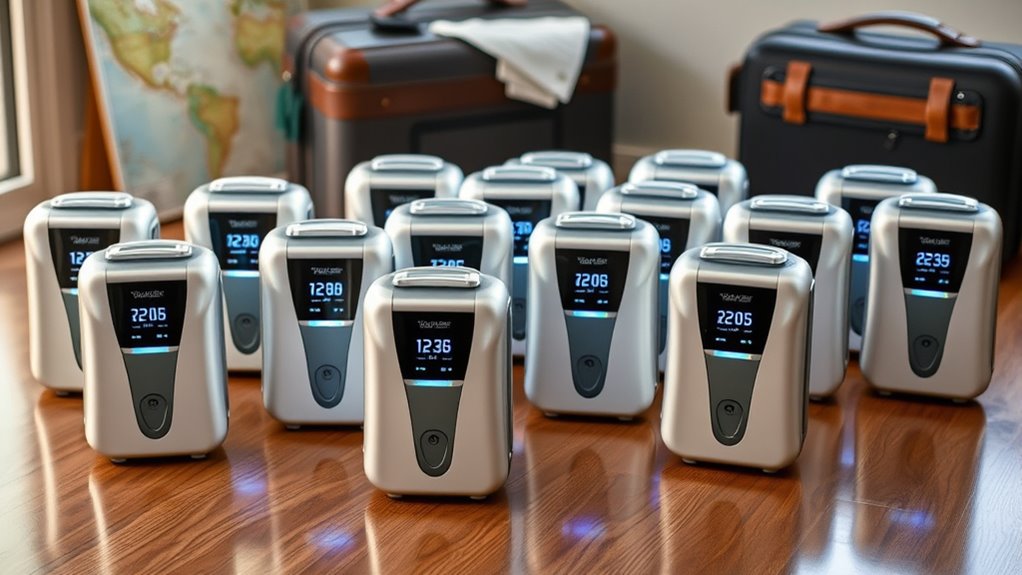

Choosing the right portable oxygen concentrator involves balancing comfort, portability, and reliability. For 2026, two standout options emerge: the 10-Pack 7Ft Soft High-Flow Nasal Oxygen Cannula and the Nasal Cannula for Oxygen Concentrator, 16ft Oxygen Tubing. The former excels in hygiene and ease of use, making it ideal for those who prioritize convenience, but it’s primarily suited for medical settings. The latter offers greater flexibility with its extended tubing, perfect for active users or frequent travelers, though it may require more maintenance over time. Both options have their strengths and tradeoffs, and understanding these can help you make a more informed choice.

Turn quiet afternoons into listening time
- Thousands of audiobooks, podcasts and originals
- Listen on your phone, tablet or Echo — also offline
- Cancel anytime
Complete the kit


Key Takeaways
- The 7ft soft nasal cannula is ideal for hygiene and easy storage, but less flexible for active use.
- The 16ft tubing provides superior freedom of movement, though it may need more frequent replacement.
- Comfort and material quality are key for extended wear, especially for prolonged oxygen therapy.
- Compatibility with most oxygen concentrators ensures these cannulas are widely usable.
- Tradeoffs between convenience and flexibility should guide your choice depending on your lifestyle.
| 10-Pack 7Ft Soft High-Flow Nasal Oxygen Cannula, Green Tubing |  | Best for Hygiene and Convenience | Quantity: 10 | Tubing Length: 7 feet | Color: Green | VIEW ON AMAZON | See Our Full Breakdown |
| Nasal Cannula for Oxygen Concentrator, 16ft Oxygen Tubing Reusable Soft |  | Best for Flexibility and Comfort | Length: 16 feet | Material: Soft, non-toxic | Reusable: Yes | VIEW ON AMAZON | See Our Full Breakdown |
| portable oxygen concentrator | Quantity | Tubing Length | Color | Connector |
|---|---|---|---|---|
| 10-Pack 7Ft Soft High-Flow Nas | 10 | 7 feet | Green | Standard |
| Nasal Cannula for Oxygen Conce | — | — | — | — |
More Details on Our Top Picks
10-Pack 7Ft Soft High-Flow Nasal Oxygen Cannula, Green Tubing
This bulk pack offers a practical solution for those who need multiple replacements or prefer to keep fresh, hygienic cannulas on hand. The soft, flexible tubing enhances comfort during extended wear, and the individually sealed packaging minimizes contamination risks. Compared to longer tubing options, this set is less flexible for active movement but excels in medical or stationary environments where hygiene and ease of replacement are priorities. Its standard connector ensures broad compatibility, making it suitable for most oxygen concentrators. However, it’s less ideal for users who need freedom of movement or travel-friendly options.
Pros:- Soft and flexible tubing for enhanced comfort
- Individual packaging for hygiene and convenience
- Compatible with most oxygen delivery systems
- Affordable bulk pack for multiple replacements
Cons:- Designed mainly for medical use, not recreational
- Limited mobility due to 7-foot length
- Not reusable, requiring ongoing purchases
Best for: Users who prioritize hygiene, frequent replacements, or medical settings
Not ideal for: Active users or travelers needing longer tubing for mobility
- Quantity:10
- Tubing Length:7 feet
- Color:Green
- Connector:Standard
Our verdict“A practical choice for healthcare providers or users who need reliable, hygienic replacements, but less suited for active or travel use.”
Nasal Cannula for Oxygen Concentrator, 16ft Oxygen Tubing Reusable Soft
This nasal cannula stands out for its extended 16-foot length, making it ideal for users who need more freedom of movement during activities or while traveling. The soft, non-toxic materials ensure a comfortable experience, even during prolonged use. Its reusability adds value, but it does mean that maintenance and cleaning are necessary to sustain hygiene standards. Compared with shorter, disposable options, this model caters well to mobile users, though it may require replacements sooner if used intensively. Its adjustability and lightweight design make it a versatile choice for various settings, from home to office.
Pros:- 16-foot tubing offers exceptional freedom of movement
- Soft, non-toxic, and comfortable for extended wear
- Adjustable fit for various facial contours
- Reusable, offering long-term value
Cons:- May require regular cleaning to maintain hygiene
- Potential for wear and tear over time
- Slightly bulkier than shorter options
Best for: Active users, travelers, or those needing extended mobility
Not ideal for: Users seeking disposable, maintenance-free solutions for short-term use
- Length:16 feet
- Material:Soft, non-toxic
- Reusable:Yes
Our verdict“Ideal for active individuals or frequent travelers who prioritize mobility and comfort, understanding that maintenance is part of the package.”

How We Picked
Our selection process focused on the most relevant factors for portable oxygen users in 2026. We prioritized products that are compatible with a broad range of oxygen concentrators, emphasizing comfort, durability, and ease of use. We also considered user reviews, material quality, and the practical value of features like tubing length and reusability. The goal was to identify options that balance functionality with convenience, catering to different needs—whether for home use, travel, or healthcare settings. Products that demonstrated reliability and positive feedback made it to this list, with clear distinctions based on their primary strengths.
Factors to Consider When Choosing 10 Portable Oxygen Concentrators
When selecting a cannula for portable oxygen therapy, it’s vital to consider how the length, material, and reusability will impact your daily routine. Comfort, hygiene, and compatibility are key factors that influence your overall experience and convenience. The right choice depends on whether you prioritize mobility, ease of replacement, or hygiene, so understanding these aspects can help you make a confident decision.Tubing Length and Mobility
The length of the tubing directly affects your freedom of movement. Shorter options, like the 7-foot cannula, are simpler and often more hygienic but can restrict your range of activity. Longer tubing, such as the 16-foot option, provides greater flexibility, making it easier to move around your home or travel without disconnecting. Consider your daily routine and choose accordingly—those with active lifestyles typically benefit from extended tubing.
Material Comfort and Reusability
Comfort is essential, especially for prolonged wear. Soft, non-toxic materials reduce nasal irritation and pressure discomfort. Reusable cannulas are economical and eco-friendly but require regular cleaning and maintenance to ensure hygiene. Disposable options are more convenient but can add ongoing costs. Balancing comfort with your ability to maintain hygiene is key to selecting the best product for your needs.
Compatibility and Convenience
Most oxygen concentrators use standard connectors, so compatibility is generally straightforward. However, check your device specifications to avoid mismatched fittings. Convenience features, like individual packaging or easy-to-clean materials, can make daily use more manageable. Think about how often you’ll need replacements and whether you prefer disposable or reusable options for your lifestyle.
Frequently Asked Questions
How often should I replace my nasal cannula?
Typically, nasal cannulas should be replaced every two to four weeks to maintain hygiene and performance. If you notice any signs of wear, discoloration, or discomfort, replacing sooner can prevent infections and ensure consistent oxygen delivery. Reusable cannulas require regular cleaning, which extends their lifespan, but always follow manufacturer guidelines for replacement intervals.
Are longer tubing options more comfortable?
Longer tubing, like the 16-foot option, offers increased mobility and reduces the need to disconnect during movement or activities. However, some users find that extended tubing can cause tangling or bulkiness, which might affect comfort or ease of use. If you prioritize freedom of movement, longer tubing can be beneficial, but ensure it’s properly maintained for hygiene.
Can I use these cannulas with any oxygen concentrator?
Most nasal cannulas feature standard connectors compatible with the majority of oxygen concentrators. Nonetheless, it’s prudent to verify your device’s specifications before purchasing. Adapting connectors or fittings might be necessary for certain models, so always confirm compatibility to avoid issues during use.
What material is best for sensitive skin?
Cannulas made from soft, non-toxic, and non-irritating materials are preferable for sensitive skin. Look for products explicitly labeled as hypoallergenic or designed with skin-friendly materials. This focus on comfort can significantly reduce nasal irritation, especially for users who wear oxygen therapy for extended periods.
Is reusing a cannula safe?
Reusing a cannula can be safe if it’s properly cleaned and maintained according to manufacturer instructions. Reusable options are environmentally friendly and cost-effective but require diligent cleaning to prevent infections. Disposable cannulas eliminate this concern but add ongoing costs. Balance your comfort, convenience, and hygiene needs when choosing between reusable and disposable products.
Conclusion
For users who prioritize hygiene and ease of replacement, the 7-foot soft nasal cannula is a reliable choice, especially in medical or stationary settings. If mobility and prolonged use are more important, the 16-foot tubing makes a compelling case, particularly for active individuals or frequent travelers. Budget-conscious buyers should weigh the ongoing costs of replacements versus the initial investment in reusable options, while those seeking maximum comfort should focus on softness and material quality. Ultimately, your lifestyle and specific needs will determine the best fit among these two versatile options.
Fall Picks
fall essentials
As an affiliate, we earn on qualifying purchases.