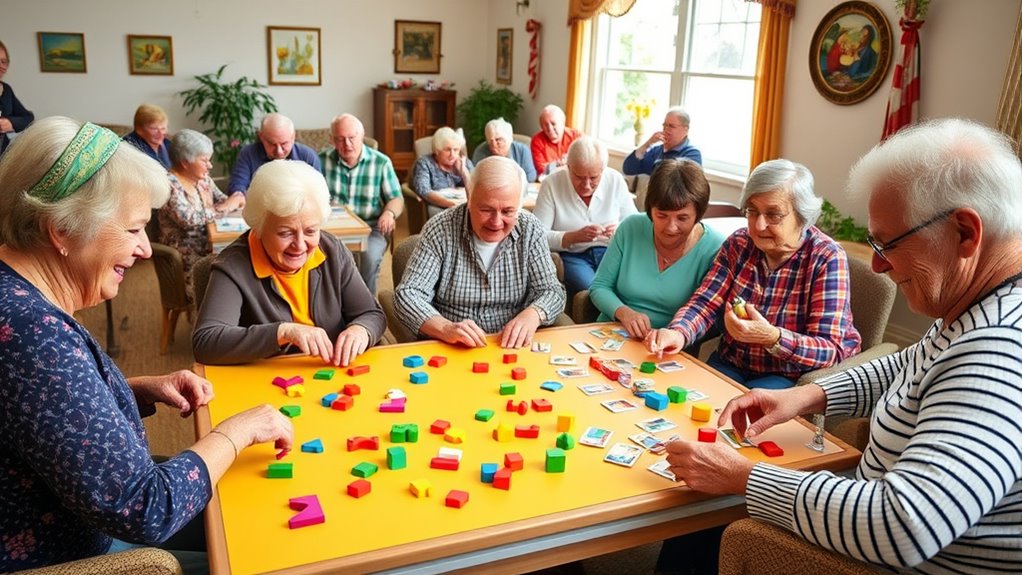

Finding effective brain games for seniors with dementia involves balancing cognitive stimulation with simplicity and safety. The best overall pick, Over 90 Easy and Fun Dementia Activities for Seniors, offers a wide variety of large-print puzzles and activities tailored for dementia patients. Brain Games 3-in-1 Puzzle Book is a standout for versatility, combining word searches, crosswords, and Sudoku in a portable format. However, tradeoffs include varying difficulty levels and the need for personal supervision or guidance. Keep reading to see how these options compare and which might be best for your loved one.

Turn quiet afternoons into listening time
- Thousands of audiobooks, podcasts and originals
- Listen on your phone, tablet or Echo — also offline
- Cancel anytime
Complete the kit


Key Takeaways
- Top picks focus on large-print, easy-to-read design to accommodate visual impairments common in seniors with dementia.
- Variety in activity types—puzzles, memory games, scavenger hunts—helps maintain engagement and combat cognitive decline.
- Ease of use and minimal setup are prioritized, but some products lack adaptability for different stages of dementia.
- Price and value vary widely; comprehensive activity packs tend to be more cost-effective but may include less tailored content.
- Products with clear instructions and simple interfaces make it easier for caregivers to facilitate activities effectively.
| Over 90 Easy and Fun Dementia Activities for Seniors: Large Print Cognitive Exercises, Puzzles, Memory Games and Activities for Dementia Patients |  | Best for Wide Variety of Activities with No Instructional Content | Number of activities: Over 90 | Print size: Large print | Content type: Cognitive exercises, puzzles, memory games | VIEW ON AMAZON | See Our Full Breakdown |
| Brain Games 3-in-1 Puzzle Book: Word Search, Crosswords & Sudoku |  | Best for Puzzle Variety and Extended Engagement | Pages: 256 | Binding: Spiral bound | Activities: Word search, crosswords, Sudoku | VIEW ON AMAZON | See Our Full Breakdown |
| Large Print Merriam-Webster Puzzles 10 Booklet Set |  | Best for Extended Puzzle Variety and Readability | Number of booklets: 10 | Print size: Large print | Puzzle types: Puzzles only | VIEW ON AMAZON | See Our Full Breakdown |
| Cognitive Exercises, Activities & Games for Seniors with Dementia & Alzheimer’s: Memory Activity Book Large Print |  | Best for Gentle, Relaxing Cognitive Stimulation | Print size: Large print | Content focus: Relaxing cognitive exercises | Intended audience: Seniors with dementia or Alzheimer’s | VIEW ON AMAZON | See Our Full Breakdown |
| Memory Games for Seniors – Alzheimer’s and Dementia Brain Cards – Cognitive Activity for Elderly |  | Best for Social and Solo Memory Engagement with Visual Aids | Number of levels: 2 | Visual clues: Yes | Color coding: Yes | VIEW ON AMAZON | See Our Full Breakdown |
| Large Print Memory Puzzles: 175+ Puzzles and Activities for Adults to Exercise Memory and Improve Focus |  | Best Overall for Extensive Variety and Easy Use | Number of puzzles: 175+ | Design: Spiral bound, lay-flat | Font: Large print, easy reading | VIEW ON AMAZON | See Our Full Breakdown |
| Brain Games – Large Print Outsmart Dementia Puzzles |  | Best for Cognitive Maintenance with Simplicity | VIEW ON AMAZON | See Our Full Breakdown | |||
| Dementia Activities Pack for Seniors: 120+ Large-Print Games, Puzzles, and Memory Exercises |  | Best for Variety and Social Engagement | VIEW ON AMAZON | See Our Full Breakdown | |||
| Keeping Busy Tile Matching Dementia Activities for Seniors |  | Best Compact and Motor Skills Focused Game | Number of Pieces: 11 | Templates: 26 | Material: Wood | VIEW ON AMAZON | See Our Full Breakdown |
| Brain Games – Scavenger Hunt Challenge (Volume 2) |  | Best for Group Observation and Teamwork | VIEW ON AMAZON | See Our Full Breakdown | |||
| The Easy and Relaxing Memory Activity Book for Adults |  | Best for Relaxation and General Leisure Engagement | Type of Activities: Memory exercises, easy puzzles, brain games | Skill Level: All skill levels | Format: Printed activity book | VIEW ON AMAZON | See Our Full Breakdown |
| Gentle Brain Boost Dementia Games for Seniors – Easy-Start Large Print Activity Book |  | Best for Beginners with Dementia or Early Cognitive Decline | Type of Content: Memory games, cognitive exercises, puzzles | Print Size: Large print | Intended Audience: Seniors with dementia | VIEW ON AMAZON | See Our Full Breakdown |
| Memory Activity Workbook for Seniors: 100 Easy Brain Games to Improve Memory, Boost Focus & Support Cognitive Health |  | Best for Cognitive Health Support and Dementia Care | Number of Puzzles: 100 | Print Size: Large print | Target Audience: Seniors with dementia | VIEW ON AMAZON | See Our Full Breakdown |
More Details on Our Top Picks
Over 90 Easy and Fun Dementia Activities for Seniors: Large Print Cognitive Exercises, Puzzles, Memory Games and Activities for Dementia Patients
This book stands out for offering more than 90 activities tailored for seniors with dementia, making it a versatile resource. Compared with the Memory Activity Workbook for Seniors, which focuses on specific exercises, this collection provides a broader range of puzzles and games, though it lacks detailed instructions or difficulty levels. The large print design ensures readability and easy handling, which is essential for users with visual challenges. However, the absence of guidance on activity complexity or accompanying materials could limit its effectiveness for caregivers seeking structured routines. Despite this, it makes a strong choice for those needing an extensive activity library without the need for digital or digital-like resources.
Pros:- Offers a wide variety of activities suitable for different interests
- Large print makes it accessible for seniors with visual impairments
- Encourages mental stimulation and daily engagement
Cons:- No details on activity difficulty levels or progression
- Lacks instructional support for caregivers or users
Best for: Families and caregivers looking for a comprehensive activity collection to stimulate mental engagement without requiring additional guidance or tech.
Not ideal for: Caregivers seeking step-by-step instructions or structured activity programs for beginners or less experienced users.
- Number of activities:Over 90
- Print size:Large print
- Content type:Cognitive exercises, puzzles, memory games
- Intended audience:Seniors with dementia
Our verdict“This book is ideal for those needing a broad assortment of simple, large-print activities for daily mental engagement.”
Brain Games 3-in-1 Puzzle Book: Word Search, Crosswords & Sudoku
This spiral-bound puzzle book excels at providing a mix of word searches, crosswords, and Sudoku, making it suitable for diverse interests. Compared with the Large Print Merriam-Webster Puzzles 10 Booklet Set, which offers large print but limited puzzle types, this book combines multiple formats in a single volume, encouraging longer engagement. The spiral binding allows easy page flipping and placement, which is handy for seniors with limited dexterity or those who prefer a hands-free experience. The main tradeoff is the absence of an answer key or solutions, which could be frustrating for users who need guidance. Overall, it’s a strong pick for seniors who enjoy puzzle variety and a larger format for comfort and ease of use.
Pros:- Wide variety of puzzles to keep users engaged
- Spiral binding for easy page access and stability
- Suitable for multiple age groups, including teens and seniors
Cons:- Lack of answer keys or solutions for self-checking
- Limited information on puzzle difficulty levels
Best for: Seniors and active adults who want a broad range of puzzles in one convenient, easy-to-handle format.
Not ideal for: Those requiring detailed instructions or answer keys for self-guided solving, as solutions are not included.
- Pages:256
- Binding:Spiral bound
- Activities:Word search, crosswords, Sudoku
- Intended audience:Adults, seniors, teens
Our verdict“This puzzle book is perfect for seniors who enjoy diverse puzzles and a user-friendly format but may need external solutions for some challenges.”
Large Print Merriam-Webster Puzzles 10 Booklet Set
This set provides 10 large-print puzzle booklets, making it ideal for seniors with visual impairments, similar in purpose to the Large Print Memory Puzzles. Compared with the Cognitive Exercises, Activities & Games for Seniors, which emphasizes cognitive exercises and activities, this set concentrates solely on puzzles, offering a focused mental workout. The large print ensures readability and reduces eye strain, but the limited variety of puzzle types might not suit those seeking a broader range of activities. While it does offer extended entertainment with multiple booklets, it lacks digital content or online options for variety or progression. It’s a solid choice for users who prefer straightforward, large-print puzzles over complex instructions.
Pros:- Large print enhances readability for seniors with vision issues
- Includes 10 booklets for ongoing engagement
- Simple, straightforward puzzle format
Cons:- Limited puzzle variety beyond basic puzzles
- No digital or online access for added content or updates
Best for: Seniors or visually impaired individuals seeking a large collection of easy-to-read puzzles for long-term use.
Not ideal for: Those needing diverse activity types, including cognitive exercises beyond puzzles, or interactive content.
- Number of booklets:10
- Print size:Large print
- Puzzle types:Puzzles only
- Intended audience:Seniors, visually impaired users
Our verdict“This set is well-suited for seniors who want a large, easy-to-read puzzle collection for sustained mental activity without complexity.”
Cognitive Exercises, Activities & Games for Seniors with Dementia & Alzheimer’s: Memory Activity Book Large Print
This activity book emphasizes simple, relaxing cognitive exercises designed specifically for seniors with dementia, making it a good alternative to the more comprehensive Over 90 Easy and Fun Dementia Activities. While it offers large print and easy-to-understand activities, it provides less variety and detail about its content, which could limit its adaptability for different stages of dementia. Without customer ratings or detailed content descriptions, it’s harder to gauge its overall effectiveness. However, its focus on gentle, accessible exercises makes it a suitable choice for individuals needing low-stimulation, calming mental engagement. It’s best for those seeking a straightforward, low-pressure cognitive activity resource.
Pros:- Large print for easy reading
- Designed specifically for dementia and Alzheimer’s patients
- Simple and relaxing activities promote calm engagement
Cons:- Limited content details and variety
- No available customer reviews or ratings for validation
Best for: Caregivers of seniors with early to moderate dementia who prefer simple, relaxing activities with minimal complexity.
Not ideal for: Users seeking a broad range of activity types or detailed instructions, as the content description is limited.
- Print size:Large print
- Content focus:Relaxing cognitive exercises
- Intended audience:Seniors with dementia or Alzheimer’s
Our verdict“This book suits caregivers seeking gentle, straightforward cognitive activities for seniors with dementia in need of calming engagement.”
Memory Games for Seniors – Alzheimer’s and Dementia Brain Cards – Cognitive Activity for Elderly
This card-based game introduces two modes—solo and group—making it versatile for different social settings, and emphasizes visual clues and high-contrast colors to support recognition and recall. Compared with the Brain Games 3-in-1 Puzzle Book, which offers a range of puzzles, these cards focus specifically on memory and visual recognition, making them more targeted for cognitive reinforcement. The large fonts and high-contrast colors improve accessibility, but some users may need caregiver assistance, especially in group settings. This product is excellent for promoting social interaction or solo mental exercises, though it doesn’t incorporate physical activity or more complex cognitive challenges.
Pros:- Supports recognition and recall with visual clues
- Large fonts and high-contrast colors improve accessibility
- Flexible for solo or group activities
Cons:- May need caregiver assistance for some players
- Limited to memory and visual recognition, not comprehensive cognitive training
Best for: Seniors with visual or memory challenges who benefit from social play or independent memory exercises with visual prompts.
Not ideal for: Individuals seeking a broader range of cognitive activities beyond recognition and recall, or those who prefer digital formats.
- Number of levels:2
- Visual clues:Yes
- Color coding:Yes
- Suitable for:Seniors with memory or visual challenges
Our verdict“This game is ideal for seniors needing visual and memory support who enjoy social or solo play without requiring physical activity.”
Large Print Memory Puzzles: 175+ Puzzles and Activities for Adults to Exercise Memory and Improve Focus
This book stands out for its comprehensive collection of over 175 large print puzzles, making it ideal for seniors who need a wide range of activities to keep their minds engaged. Compared with the Brain Games – Large Print Outsmart Dementia Puzzles, it offers a broader selection, though it lacks detailed difficulty levels, which might leave some users feeling overwhelmed or bored if the content becomes repetitive. The spiral binding and large font make it accessible for those with visual or motor challenges, but the absence of targeted difficulty settings means it’s better suited for moderate users rather than absolute beginners or advanced seniors. Its extensive variety makes it a versatile choice for caregivers seeking to customize mental exercises without switching materials often.Pros:- Large print design enhances readability and reduces frustration
- Includes a massive range of puzzles and activities for variety
- Spiral binding allows the book to lay flat for easy use
Cons:- No specified difficulty levels, which could limit targeted cognitive training
- Content might feel repetitive for long-term use
Best for: Caregivers seeking a versatile, all-in-one activity resource for seniors with varying cognitive abilities
Not ideal for: Seniors who prefer highly structured or skill-specific puzzles, as the content may be somewhat repetitive and lacks difficulty gradation
- Number of puzzles:175+
- Design:Spiral bound, lay-flat
- Font:Large print, easy reading
Our verdict“This pick makes the most sense for caregivers seeking a broad, easy-to-handle activity book with flexible use for seniors with dementia.”
Brain Games – Large Print Outsmart Dementia Puzzles
This puzzle book makes the list for its focus on large print activities aimed at helping seniors maintain cognitive health. Compared to Dementia Activities Pack for Seniors, it offers fewer activity types and less variety, but its straightforward format makes it accessible for users who need simple, easy-to-read puzzles. While it emphasizes mental engagement and Alzheimer’s prevention, it provides limited details on puzzle types or difficulty levels, which could make it less suitable for those seeking more complex mental challenges or tailored progression. Its simplicity and focus on readability make it ideal for seniors just starting cognitive exercises or with mild impairments.Pros:- Large print for comfortable readability
- Focuses on maintaining cognitive health
- Engaging and suitable for seniors with early-stage dementia
Cons:- Lacks detailed information on puzzle types and difficulty levels
- Limited content variety compared to larger packs
Best for: Seniors or novices new to brain exercises who need straightforward, large-print puzzles
Not ideal for: Experienced seniors or those looking for a broad activity pack with diverse game types, as the content may be too limited
Our verdict“This is a solid choice for seniors seeking simple, large-print puzzles for cognitive health, especially beginners.”
Dementia Activities Pack for Seniors: 120+ Large-Print Games, Puzzles, and Memory Exercises
This activity pack earns its spot thanks to its wide array of over 120 large-print activities designed to promote mental stimulation and social interaction. Compared with Large Print Memory Puzzles, it offers more types of activities, including memory exercises and conversation starters, making it ideal for group settings or family involvement. However, the lack of specific age or difficulty level details might make it less targeted for users at very early or advanced stages of dementia. Its emphasis on variety and social interaction makes it especially useful for caregivers aiming to foster engagement and communication among seniors with dementia.Pros:- Includes a broad range of activities for mental and social engagement
- Large-print design eases readability for seniors
- Encourages conversation and connection
Cons:- No specific difficulty levels or age range provided
- Content details are somewhat general, limiting targeted use
Best for: Caregivers or family members wanting a diverse set of activities to encourage socialization and mental activity
Not ideal for: Seniors with advanced dementia who require highly specialized or simplified content, as the activities may be too varied or complex
Our verdict“This pack is ideal for those prioritizing a variety of activities that promote both mental and social health in dementia care.”
Keeping Busy Tile Matching Dementia Activities for Seniors
This tile matching game excels in supporting both cognitive and fine motor skills, thanks to its colorful, high-quality wooden pieces. Compared with Large Print Memory Puzzles, it offers a more tactile, hands-on experience that can be especially beneficial for seniors who respond well to physical activity. Its multiple difficulty levels provide flexibility, but the limited number of tiles and templates may restrict long-term variety, and the game’s simplicity could become too easy for more advanced users. Its portability and durability make it suitable for therapy sessions, gifts, or on-the-go use, though it may not be enough as a sole activity for sustained engagement.Pros:- Supports cognitive and fine motor skill development
- Multiple difficulty levels for adaptable challenge
- Compact and travel-friendly design
Cons:- Limited number of pieces and templates reduces game variety over time
- May be too simple for more advanced users or long-term engagement
Best for: Therapists or caregivers seeking a portable, motor skill-enhancing activity for seniors with mild to moderate dementia
Not ideal for: Seniors craving complex puzzles or high-variability games, as the limited number of pieces and templates may restrict challenge and longevity
- Number of Pieces:11
- Templates:26
- Material:Wood
- Difficulty Levels:3
- Storage:Wooden box
Our verdict“This game makes sense for on-the-go therapy or gifts, especially for those needing motor skill focus alongside cognitive activity.”
Brain Games – Scavenger Hunt Challenge (Volume 2)
This scavenger hunt game earns its spot by fostering observation skills and encouraging teamwork, making it perfect for family or group settings. Unlike individual-focused puzzles like Large Print Memory Puzzles, it promotes social interaction, which can be especially beneficial for seniors who thrive in group activities. However, its reliance on multiple players limits its use in solitary or one-on-one scenarios, and its gameplay is confined to scavenger hunt style challenges, which might not suit those seeking varied cognitive exercises. It’s best suited for lively gatherings rather than daily solitary routines.Pros:- Enhances observation and problem-solving skills
- Great for group engagement and teamwork
- Suitable for all ages and easy to organize
Cons:- Requires multiple players for full engagement
- Limited to scavenger hunt gameplay, reducing variety
Best for: Families or caregivers organizing group activities that emphasize social and observational skills
Not ideal for: Seniors who prefer solitary mental exercises or need activities suited for limited mobility, as it requires multiple participants
Our verdict“This activity is ideal for lively group settings where social interaction and teamwork are priorities over solo cognitive training.”
The Easy and Relaxing Memory Activity Book for Adults
This activity book stands out for its calming approach, making it ideal for seniors who prefer non-intense mental tasks. Unlike the more structured Gentle Brain Boost Dementia Games, which offers specific cognitive exercises, this book emphasizes relaxation alongside memory practice, making it a good starting point for those with mild cognitive decline or early dementia. Its broad range of activities is suitable for all skill levels, but the lack of detailed content or activity count may leave users unsure of its depth. The absence of reviews or ratings also makes assessing its overall effectiveness more challenging. Overall, this pick is best for seniors seeking gentle mental stimulation combined with leisure, especially if stress-free engagement is a priority.
Pros:- Relaxing and engaging activities designed for stress-free participation
- Suitable for all skill levels, including beginners
- Helps improve memory and cognitive engagement in a gentle way
Cons:- Lacks specific details on the number of activities provided
- No customer reviews or ratings to gauge effectiveness or popularity
- Limited guidance on difficulty progression
Best for: Seniors who prefer relaxing, low-pressure activities and caregivers looking for a calming pastime.
Not ideal for: Users needing targeted cognitive training or structured, varied puzzles with clear content details.
- Type of Activities:Memory exercises, easy puzzles, brain games
- Skill Level:All skill levels
- Format:Printed activity book
- Suitable For:Early dementia, mild cognitive impairment
- Size:Standard paperback
- Language:English
Our verdict“This is a good choice for seniors seeking a calming, easy-to-use activity book that promotes gentle mental engagement and leisure.”
Gentle Brain Boost Dementia Games for Seniors – Easy-Start Large Print Activity Book
Compared with the more general The Easy and Relaxing Memory Activity Book, this pick focuses specifically on seniors with dementia, offering large-print puzzles and cognitive exercises that are easy to read and gentle to engage with. Its emphasis on large print is a significant advantage for those with visual impairments, but its limited content details and lack of ratings may make it harder to assess its overall value. This book makes the most sense for caregivers seeking accessible, dementia-specific activities that can be introduced gradually. However, it might be less suitable for those already comfortable with more complex puzzles or looking for a broader variety of activities.
Pros:- Large print makes reading and engagement easier for impaired vision
- Includes a variety of cognitive exercises tailored for dementia
- Designed specifically with seniors in mind, focusing on gentle mental stimulation
Cons:- Limited information on total content variety or difficulty levels
- No pricing info or customer ratings available
- Content may be too simple for more advanced users
Best for: Caregivers of seniors with early dementia or visual impairments who need simple, accessible brain exercises.
Not ideal for: Individuals seeking advanced puzzles or a wide variety of cognitive challenges, as content specifics are limited.
- Type of Content:Memory games, cognitive exercises, puzzles
- Print Size:Large print
- Intended Audience:Seniors with dementia
- Format:Printed activity book
- Language:English
- Difficulty Level:Easy to moderate
Our verdict“This activity book is ideal for beginners with dementia or visual challenges, prioritizing accessibility and gentle mental engagement.”
Memory Activity Workbook for Seniors: 100 Easy Brain Games to Improve Memory, Boost Focus & Support Cognitive Health
This workbook offers a substantial collection of 100 large-print puzzles aimed at improving memory, focus, and overall cognitive health, making it a strong contender for dementia and Alzheimer’s care. Compared to the more general Gentle Brain Boost Dementia Games, it provides a larger set of activities designed with specific mental health outcomes in mind. While the focus on dementia support makes it highly relevant, the lack of detailed content descriptions or difficulty gradation may leave some users uncertain about progression or challenge level. It makes the most sense for caregivers who want a comprehensive, high-volume resource to supplement mental exercises, but less for those seeking highly varied activity types or advanced challenges.
Pros:- Large print makes puzzles accessible and easy to read
- Includes 100 engaging puzzles targeting memory and focus
- Supports mental wellness in dementia and Alzheimer’s care
Cons:- No specific content details or difficulty level info provided
- Limited information on the progression or variety of puzzles
- No ratings or reviews to gauge user satisfaction
Best for: Caregivers seeking a large volume of easy-to-read puzzles to support ongoing cognitive health in seniors with dementia.
Not ideal for: Users seeking detailed activity descriptions or more challenging puzzles, as difficulty levels are not specified.
- Number of Puzzles:100
- Print Size:Large print
- Target Audience:Seniors with dementia
- Format:Workbook
- Language:English
- Difficulty:Easy
Our verdict“This workbook is well-suited for caregivers needing a substantial, easy-to-read collection of puzzles to bolster cognitive health in seniors with dementia.”
How We Picked
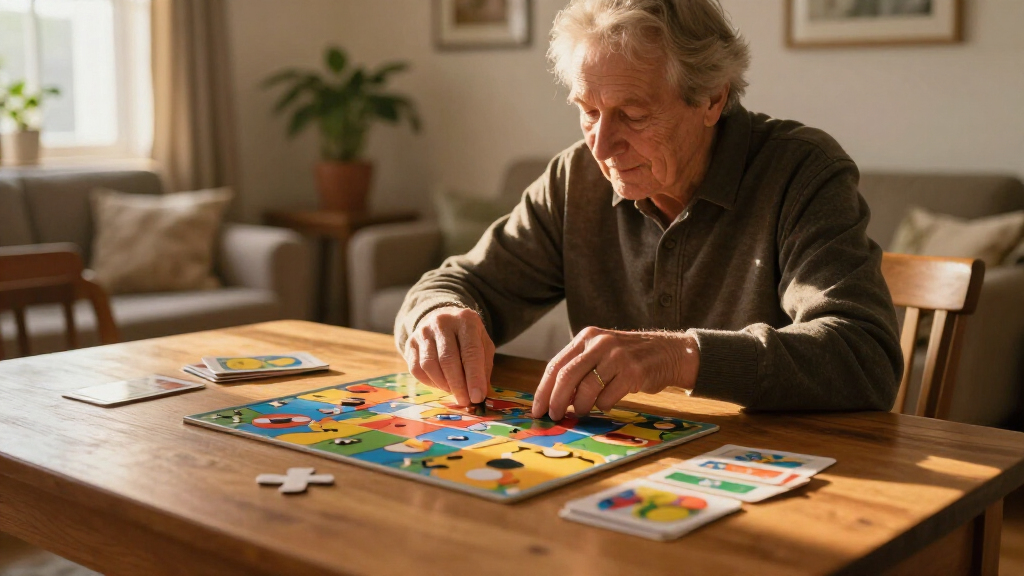
Products were evaluated based on their accessibility, ease of use, cognitive engagement level, and suitability for seniors with varying stages of dementia. I prioritized large-print formats, simple instructions, and activity diversity to ensure broad applicability. Durability and safety considerations also played a role, especially for items used frequently. Rankings reflect a balance between affordability, engagement potential, and adaptability to different cognitive levels, helping caregivers choose options that are both practical and effective.Factors to Consider When Choosing Brain Games For Seniors With Dementia
Selecting the right brain games for seniors with dementia involves understanding the unique needs of the individual, including their stage of cognitive decline and physical abilities. The best games are those that stimulate without causing frustration or confusion. Caregivers should also consider ease of use, safety, and whether the activities can be easily integrated into daily routines. Keep in mind that variety and adaptability often lead to better engagement and sustained benefits.Ease of Use and Accessibility
For seniors with dementia, straightforward activities with large-print text, simple instructions, and minimal setup are essential. Avoid overly complex rules or small pieces that can be difficult to handle. Products that include visual cues or are designed specifically for cognitive impairments tend to be more successful. Remember, the goal is to encourage participation without causing frustration, so ease of use should be a top priority.
Activity Variety and Engagement
Choosing a mix of puzzles, memory games, and scavenger hunts can keep the activity sessions interesting and prevent boredom. Variety also supports different cognitive functions—such as memory, attention, and problem-solving—providing a more holistic approach. However, too many different types of activities might overwhelm some users, so it’s important to tailor the selection to the individual’s preferences and current ability levels.
Safety and Durability
Activities should be safe, with no sharp edges or small parts that could be swallowed. Durable materials are a plus, especially for frequent use. For digital options, user-friendly interfaces minimize the risk of confusion or mishandling. Always consider whether the activity can be performed independently or with minimal supervision, especially for those with advanced dementia.
Cost and Value
While some activity packs or digital games come at a higher price, they often provide more comprehensive options. Conversely, single puzzles or card sets may be more affordable but less versatile. Consider whether a bulk set or subscription provides ongoing variety and engagement. The goal is to find a balance between affordability and enough content to sustain interest over time.
Stage of Dementia and Personalization
Not all activities suit every stage of dementia. Simpler, more sensory-oriented options work better for advanced stages, while those with moderate cognitive decline can handle more complex puzzles. Personalization is key—activities should match the individual’s current abilities and preferences to maximize benefits and enjoyment. Caregivers should be prepared to adjust activities as the condition progresses.
Frequently Asked Questions
What type of brain game is best for advanced dementia?
For advanced dementia, activities that focus on sensory stimulation and simple, repetitive tasks tend to be most effective. Large-print puzzles, textured objects, or familiar music can evoke positive responses and provide comfort. The goal is to avoid frustration and promote engagement through gentle stimulation rather than complex problem-solving. These activities should also be easy to supervise and safe for frequent handling.
How often should I introduce new brain activities for my loved one?
Consistency is more important than frequency, with many caregivers finding that daily or every-other-day sessions work well. Introducing new activities gradually can help prevent boredom and encourage sustained interest. Keep in mind individual preferences; if a particular activity is well-received, it’s better to stick with it and rotate other options periodically rather than constantly changing routines. This approach helps build familiarity and comfort.
Are digital brain games suitable for seniors with dementia?
Digital games can be beneficial if they are simple, intuitive, and specifically designed for cognitive impairments. Touchscreen interfaces with minimal options reduce confusion, and some apps are tailored to different stages of dementia. However, caregivers should monitor screen time to prevent overstimulation or frustration. Physical activity-based games or simple digital puzzles often work best, especially when combined with traditional activities.
What features should I look for in a memory puzzle set?
Look for large, clear, and high-contrast print to aid visibility. The puzzles should have simple instructions and avoid complex rules. Durability is important, especially if the set will be used frequently. Additionally, consider whether the puzzles are adaptable or come with multiple difficulty levels to match the user’s changing abilities. The goal is to foster success and confidence, not frustration.
Can these activities help slow cognitive decline?
Engaging in regular, targeted mental exercises can support cognitive function and improve mood, but they are not a cure for dementia. The primary benefit is maintaining existing skills, providing emotional comfort, and enhancing quality of life. Combining brain activities with physical exercise, social interaction, and proper medical care offers the best overall approach to managing dementia symptoms. Consistency and enjoyment are key factors for effectiveness.
Conclusion
For those seeking the best overall option, Over 90 Easy and Fun Dementia Activities for Seniors offers a broad range of simple, engaging activities that can adapt to various needs. Caregivers on a budget will find value in comprehensive packs like Dementia Activities Pack for Seniors, which provides diverse content at a reasonable price. For beginners or those new to dementia care, products with straightforward instructions, such as Gentle Brain Boost Dementia Games, make initial engagement easier. Families looking to support advanced stages should prioritize sensory-based, easy-to-handle activities that promote comfort and familiarity. Ultimately, matching activity complexity and type to the individual’s stage of dementia will yield the most meaningful benefits.
Cold & flu season Picks
humidifiers
As an affiliate, we earn on qualifying purchases.