
Starting to learn coding can feel overwhelming, but the right beginner-friendly games make the process engaging and accessible. The best overall pick is CodeQuest for Nextgen Kids, which turns programming into a fun adventure for young learners. Python Programming for Young Coders stands out for its hands-on projects, ideal for kids eager to create real programs. However, many options trade off between ease of use and depth of learning, so choosing the right game depends on your child’s age, interest level, and learning goals. Keep reading for a detailed breakdown to help you pick the perfect fit for your beginner coder.

Turn quiet afternoons into listening time
- Thousands of audiobooks, podcasts and originals
- Listen on your phone, tablet or Echo — also offline
- Cancel anytime
Complete the kit


Key Takeaways
- The most engaging coding games balance fun activities with foundational programming concepts.
- Ease of use varies; some games are better for absolute beginners, while others suit kids with some prior experience.
- Projects that involve real coding languages like Python tend to offer deeper learning but may be less intuitive for very young children.
- Screen-free options like activity books still effectively teach logic and problem-solving skills.
- Pricing and accessibility differ widely; many top picks offer free versions or tiered pricing to accommodate different budgets.
| Coding Games in Python (DK Help Your Kids) |  | Best for Kids Interested in Text-Based Programming | Language: Python | Suitable Age: 8-14 | Type: Project-based book | VIEW ON AMAZON | See Our Full Breakdown |
| Coding Games in Scratch |  | Best for Visual Learners and Younger Beginners | Language: Scratch | Suitable Age: All ages, especially young children | Type: Instructional book | VIEW ON AMAZON | See Our Full Breakdown |
| Coding Skills for Kids Ages 8–12: The 30-Day Game Creator Logic Activity Book |  | Best for Structured, Confidence-Building Learning | Age Range: 8–12 | Format: Activity book | Duration: 30 days | VIEW ON AMAZON | See Our Full Breakdown |
| The Most Comprehensive STEM Coding Board Game Ever! Learn Programming Concepts in a Fun Adventure | 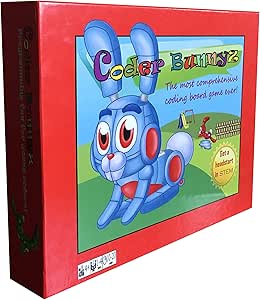 | Best for Hands-On, Group Learning and Early Exposure | Brand: Coder Bunnyz | Age Range: 36 months and up | Number of Players: 4 | VIEW ON AMAZON | See Our Full Breakdown |
| CodeQuest for Nextgen Kids Ages 8-12: Fun Beginner’s Guide That Turns Coding Into an Adventure |  | Best for Imaginative, Adventure-Loving Beginners | Focus: Adventure-themed coding | Age Range: 8-12 | Type: Beginner’s guide | VIEW ON AMAZON | See Our Full Breakdown |
| Python Programming for Young Coders: A Hands-On, Project-Based Introduction to Coding for Beginners, Kids, and Teens |  | Best for Beginners Seeking Practical, Kid-Friendly Python Projects | Target Age: Kids and teens | Focus: Python programming with projects | Approach: Hands-on, project-based | VIEW ON AMAZON | See Our Full Breakdown |
| The Big Coding and Logic Workbook for Kids: 222+ Fun and Engaging Screen-Free Coding Activities and Logic Puzzles – Ages 8–12 |  | Best for Problem-Solvers Who Prefer Screen-Free Learning | Target Age: 8-12 years | Activities: 222+ logic puzzles and exercises | Format: Workbook | VIEW ON AMAZON | See Our Full Breakdown |
| Coding for Kids: Python: Learn to Code with 50 Awesome Games and Activities |  | Best for Kids Who Want Fun, Interactive Python Projects | Target Age: Children | Number of Projects: 50 | Approach: Game-based learning | VIEW ON AMAZON | See Our Full Breakdown |
| Invent Your Own Computer Games with Python, 4th Edition |  | Best for Aspiring Game Developers New to Coding | Target Age: Beginners interested in game development | Edition: 4th | Focus: Game creation with Python | VIEW ON AMAZON | See Our Full Breakdown |
| coding games for beginner | Focus | Format | Language |
|---|---|---|---|
| Coding Games in Python | Interactive programming | Printed book | Python |
| Coding Games in Scratch | Visual coding and game creation | Printed book | Scratch |
| Coding Skills for Kids Ages 8– | Logic and confidence building | Activity book | — |
| The Most Comprehensive STEM Co | — | — | — |
| CodeQuest for Nextgen Kids Age | Adventure-themed coding | Printed guide | — |
| Python Programming for Young C | Python programming with projects | Printed book | English |
| The Big Coding and Logic Workb | Logic and problem-solving | Workbook | English |
| Coding for Kids: Python: Learn | — | Printed book | English |
| Invent Your Own Computer Games | Game creation with Python | Printed book | — |
More Details on Our Top Picks
Coding Games in Python (DK Help Your Kids)
This book stands out for its engaging, step-by-step approach to teaching children Python through fun projects. Compared to the visual-based Scratch book, it encourages deeper understanding of coding syntax and logic, which benefits kids ready to move beyond simple drag-and-drop. However, its focus on Python means it’s less accessible for absolute beginners or very young children, and it offers limited technical explanations that might leave some learners craving more detail. This pick makes the most sense for kids who have some initial interest in coding and are eager to develop their programming skills through hands-on projects.
Pros:- Engages kids interested in coding with creative projects
- Provides clear, step-by-step instructions
- Fosters problem-solving and critical thinking
Cons:- Limited to Python, which may be intimidating for absolute beginners
- Lacks in-depth technical explanations for foundational concepts
Best for: Children aged 8-14 who are comfortable with reading and want to learn text-based coding in Python
Not ideal for: Complete beginners or younger children who prefer visual programming or need more guided, beginner-friendly instructions
- Language:Python
- Suitable Age:8-14
- Type:Project-based book
- Focus:Interactive programming
- Format:Printed book
- Skill Level:Beginner to intermediate
Our verdict“A solid choice for kids ready to dive into Python, especially those who enjoy hands-on projects, but less suitable for complete novices or younger children.”
Coding Games in Scratch
This book makes creating games accessible through its visual programming language, Scratch. It’s ideal for newcomers who prefer intuitive, drag-and-drop interfaces, making it easier to grasp basic coding concepts compared to the text-heavy Python book. While it excels in encouraging creativity and offering straightforward instructions, it doesn’t provide much technical depth—limiting learning for those who want to understand underlying programming principles. Compared with the activity-based approach of the 30-Day Game Creator, this book is more beginner-friendly but less structured for skill-building over time.
Pros:- Very easy-to-follow, visual instructions
- Encourages creative game development
- Suitable for all ages starting to learn coding
Cons:- Lacks detailed technical explanations
- Limited content for advanced learners
Best for: Young children and absolute beginners interested in game design without prior coding experience
Not ideal for: Older kids or learners seeking in-depth technical knowledge or complex projects
- Language:Scratch
- Suitable Age:All ages, especially young children
- Type:Instructional book
- Focus:Visual coding and game creation
- Format:Printed book
- Skill Level:Beginners
Our verdict“Perfect for beginners and younger children seeking an engaging intro to coding through visual programming, but not ideal for those wanting technical depth.”
Coding Skills for Kids Ages 8–12: The 30-Day Game Creator Logic Activity Book
This activity book offers a structured 30-day plan to develop coding confidence through fun projects like building games and stories. Unlike the Python book, which emphasizes technical skills, or the Scratch book’s visual approach, this book aims to boost logical thinking and problem-solving over time. Its structured daily format makes it ideal for kids who thrive on routine and clear goals, though it provides less technical depth and doesn’t specify materials needed. Compared with the comprehensive STEM board game, it’s more focused on individual learning rather than collaborative or game-based play.
Pros:- Engages kids with fun, hands-on projects
- Builds confidence through a structured daily routine
- Develops logical thinking and problem-solving skills
Cons:- Lacks detailed content or curriculum specifics
- No information on tools or materials included
Best for: Children aged 8-12 who benefit from structured activities and want to build confidence in coding over a month
Not ideal for: Parents or learners seeking detailed curriculum descriptions or advanced content
- Age Range:8–12
- Format:Activity book
- Duration:30 days
- Focus:Logic and confidence building
- Type:Hands-on activities
- Skill Level:Beginner
Our verdict“A great choice for learners who prefer a guided, step-by-step approach to develop coding confidence over 30 days, but less suitable for those seeking detailed curriculum info.”
The Most Comprehensive STEM Coding Board Game Ever! Learn Programming Concepts in a Fun Adventure
This STEM board game excels in teaching a wide range of programming concepts, from loops to algorithms, through engaging gameplay suitable for children as young as 4. It’s used extensively in schools and libraries, making it a trusted educational tool. Its comprehensive curriculum and variety of components support a broad understanding of programming basics in a playful setting. However, its simplicity for very young children means it might not hold older or more experienced learners’ interest, and it’s less ideal as a solo activity or for casual play outside structured environments. Compared to the other books, it emphasizes group play and foundational concepts over individual skill development.
Pros:- Teaches a broad range of programming concepts
- Widely used in educational institutions worldwide
- Includes comprehensive, engaging gameplay components
Cons:- Designed for very young children, limiting complexity for older learners
- Some components may require adult supervision
Best for: Early learners and classroom settings needing a fun, group-oriented introduction to programming concepts
Not ideal for: Older children or learners seeking in-depth coding skills or complex projects
- Brand:Coder Bunnyz
- Age Range:36 months and up
- Number of Players:4
- Components:Game board, instruction cards, tokens
- Educational Focus:Programming concepts
- Use Case:Classroom and family learning
Our verdict“Ideal for early learners and classroom use seeking a playful, broad introduction to coding fundamentals, but not suited for advanced or independent study.”
CodeQuest for Nextgen Kids Ages 8-12: Fun Beginner’s Guide That Turns Coding Into an Adventure
This guide makes learning to code feel like an exciting adventure, engaging kids aged 8-12 with story-based lessons that develop logic, creativity, and problem-solving. Unlike the more structured activity book, it focuses on sparking imagination and making coding fun without detailed curriculum or technical depth. The lack of specific content or reviews might make it less appealing for parents seeking comprehensive learning paths, but its narrative approach can motivate reluctant learners or those who prefer storytelling. Compared with the Scratch book, it emphasizes adventure rather than visual programming, making it a good fit for kids who respond well to imaginative contexts.
Pros:- Makes coding exciting through adventure stories
- Encourages imagination, logic, and creativity
- Engages reluctant or young learners effectively
Cons:- No detailed content or curriculum information
- Lacks reviews or ratings to gauge effectiveness
Best for: Kids aged 8-12 who learn best through storytelling and immersive, adventure-themed lessons
Not ideal for: Parents or learners wanting detailed curricula or technical explanations for foundational skills
- Focus:Adventure-themed coding
- Age Range:8-12
- Type:Beginner’s guide
- Format:Printed guide
- Focus:Imagination and logic
- Skill Level:Beginners
Our verdict“A fun, story-driven approach ideal for young learners who thrive on imaginative learning and adventure themes, but less suitable for those needing structured instruction.”
Python Programming for Young Coders: A Hands-On, Project-Based Introduction to Coding for Beginners, Kids, and Teens
This book stands out for its engaging, project-based approach tailored specifically for kids and teens, making it a strong choice for those who learn best through hands-on activities. Compared to The Big Coding and Logic Workbook for Kids, which emphasizes screen-free logic puzzles, this resource focuses on coding directly in Python, helping kids build real coding skills. Its main tradeoff is that it offers less in-depth technical explanation, which might leave curious learners wanting more background. This makes it ideal for parents or educators who want to foster practical programming skills without overwhelming technical details.
Pros:- Engaging, project-based lessons that boost confidence
- Designed specifically for kids and teens, making it accessible
- Provides practical experience through hands-on projects
Cons:- Lacks detailed technical explanations, which may leave some learners wanting more depth
- May require adult supervision for younger children unfamiliar with coding
Best for: Younger learners and beginners who enjoy building projects and want to learn Python in a fun, interactive way
Not ideal for: Parents or educators seeking in-depth technical explanations or advanced coding concepts, as this book simplifies complex ideas
- Target Age:Kids and teens
- Focus:Python programming with projects
- Approach:Hands-on, project-based
- Difficulty:Beginner
- Format:Printed book
- Language:English
Our verdict“This book is perfect for young beginners who thrive on practical projects and fun learning experiences without needing complex technical details.”
The Big Coding and Logic Workbook for Kids: 222+ Fun and Engaging Screen-Free Coding Activities and Logic Puzzles – Ages 8–12
This workbook excels at offering a vast array of over 222 activities designed to develop problem-solving and critical thinking skills without screens. It is ideal for children aged 8 to 12 who learn best through tactile, offline exercises. Compared with Coding for Kids: Python, which introduces programming through fun code-based games, this workbook emphasizes logical reasoning and manual activities that foster foundational skills. A notable tradeoff is that it provides no digital or coding language instruction, limiting its scope to logic puzzles and activities. This pick makes sense for parents seeking screen-free options that still promote important thinking skills in young children.
Pros:- Extensive variety of activities to keep kids engaged
- Encourages development of problem-solving and critical thinking
- Completely screen-free, ideal for unplugged learning
Cons:- No specific details about the materials or activities included
- Limited to children aged 8-12, not suitable for younger or older learners
Best for: Parents of children aged 8-12 who want to develop problem-solving skills in a tactile, screen-free format
Not ideal for: Younger children under 8 or kids looking for direct programming instruction, since it focuses solely on logic and activities
- Target Age:8-12 years
- Activities:222+ logic puzzles and exercises
- Format:Workbook
- Screen-Free:Yes
- Focus:Logic and problem-solving
- Language:English
Our verdict“This workbook is a strong choice for parents wanting to foster logical thinking and problem-solving in a hands-on, offline format for middle-grade children.”
Coding for Kids: Python: Learn to Code with 50 Awesome Games and Activities
This book makes learning Python accessible and engaging through 50 interactive games and activities, making it well-suited for children who thrive on playful, hands-on learning. While it shares a similar goal with Invent Your Own Computer Games with Python, which offers more comprehensive projects, this book emphasizes quick, fun exercises that keep kids motivated without overwhelming them with technical details. Its main limitation is that it may be too basic for more advanced learners seeking deeper coding challenges, but it’s an excellent starting point for absolute beginners eager to see quick results and have fun with coding.
Pros:- Engages kids with fun, interactive coding activities
- Teaches Python basics in an accessible and friendly way
- Includes 50 games/projects that motivate continued learning
Cons:- Lacks detailed technical explanations and depth
- Content may feel too simple for older or more experienced learners
Best for: Children who enjoy playful activities and want to learn Python through quick, fun projects
Not ideal for: Advanced young coders or those seeking detailed programming instruction, as content remains fairly simple
- Target Age:Children
- Number of Projects:50
- Approach:Game-based learning
- Difficulty:Beginner
- Format:Printed book
- Language:English
Our verdict“This book suits young beginners eager to grasp Python fundamentals through playful, engaging projects without complex technical concepts.”
Invent Your Own Computer Games with Python, 4th Edition
This book offers a clear, practical introduction to programming with Python, guiding beginners through creating their own computer games. Unlike the more activity-focused Coding for Kids: Python, which emphasizes fun projects, this guide emphasizes foundational coding concepts within the context of game development, making it ideal for learners with some curiosity about making games. However, it lacks detailed technical content and does not include online resources, which might limit its appeal for learners seeking a comprehensive, multimedia experience. Nonetheless, its practical approach makes it a good fit for motivated young coders aiming to develop both programming skills and game-building confidence.
Pros:- Great for beginners interested in game development
- Includes practical projects to reinforce programming skills
- Accessible and easy-to-understand writing style
Cons:- Lacks detailed technical explanations or advanced content
- No online resources or additional materials included
Best for: Beginner programmers interested in developing their own computer games and learning through practical projects
Not ideal for: Complete beginners who need more guided, step-by-step tutorials or extensive technical background, as it assumes some familiarity with coding concepts
- Target Age:Beginners interested in game development
- Edition:4th
- Focus:Game creation with Python
- Approach:Practical projects
- Difficulty:Beginner
- Format:Printed book
Our verdict“This book is well-suited for motivated beginners who want to learn Python while creating their own games in a hands-on way.”

How We Picked
To evaluate these coding games for beginners, I focused on their usability, age appropriateness, and ability to teach core programming concepts through engaging methods. We prioritized products with clear instructions, interactive elements, and positive reviews from parents and educators. Additionally, I considered whether the games offer a progression path that keeps learners motivated without overwhelming them. The ranking reflects a balance between ease of starting, depth of learning, and overall value, ensuring that each recommended product serves a distinct beginner need or learning style.| coding games for beginner | Language | Format |
|---|---|---|
| Coding Games in Python | Python | Printed book |
| Coding Games in Scratch | Scratch | Printed book |
| Coding Skills for Kids Ages 8– | — | Activity book |
| The Most Comprehensive STEM Co | — | — |
| CodeQuest for Nextgen Kids Age | — | Printed guide |
| Python Programming for Young C | English | Printed book |
| The Big Coding and Logic Workb | English | Workbook |
| Coding for Kids: Python: Learn | English | Printed book |
| Invent Your Own Computer Games | — | Printed book |
Factors to Consider When Choosing Coding Games For Beginners
Choosing the right coding game for a beginner involves more than just picking the most popular title. It’s important to consider the child’s age, learning preferences, and whether the game introduces real coding languages or focuses on logic and problem-solving. Additionally, look at the interface’s intuitiveness, the level of parental or teacher support available, and the overall cost. These factors help ensure your investment supports sustained engagement and meaningful learning, avoiding common pitfalls like games that are too simplistic or too complex for beginners.Age Appropriateness and Skill Level
Matching the game’s difficulty to your child’s age and prior experience is essential. Some games are designed specifically for younger children, emphasizing visual programming and storytelling, while others introduce syntax and real languages like Python. Choosing an age-appropriate game reduces frustration and fosters confidence, so consider starting with simpler, more visual options if your child is very new to coding.Learning Approach and Content Depth
Determine whether you want a game that emphasizes fun and creativity or one that builds foundational coding skills. Some products focus on logic puzzles and problem-solving without actual coding syntax, whereas others introduce real programming languages gradually. The right choice depends on whether your goal is to spark curiosity or develop actual coding competence.Interface and User Experience
An intuitive, engaging interface makes a big difference in maintaining a child’s interest. Look for clear instructions, visual cues, and minimal technical complexity. Games with well-designed tutorials and feedback mechanisms help young learners understand mistakes and progress without frustration. Avoid overly cluttered or complicated interfaces that can discourage beginners.Cost and Accessibility
Pricing varies from free apps to paid courses and activity books. Consider your budget and whether the game offers free trial versions or tiered subscriptions. Accessibility is also key—some games are web-based, others require specific devices or software. Selecting a flexible option ensures consistent access and ongoing learning opportunities.Supplementary Support and Resources
Check if the product offers additional resources like teacher guides, parent instructions, or offline activities. These extras can enhance the learning experience and provide guidance on how to extend the game beyond digital play. Supportive materials are especially helpful for parents or educators new to coding who want to facilitate learning effectively.Frequently Asked Questions
Can a complete beginner start with real programming languages like Python?
Yes, some coding games designed for beginners introduce real languages like Python in a simplified way. These options typically start with visual or block-based programming to ease the transition, then gradually introduce syntax. For absolute beginners, especially younger children, it’s often better to begin with visual programming first, then move to Python as confidence and skills grow. The key is choosing a game that offers a gentle, step-by-step progression to avoid frustration and promote sustained interest.
Are activity books or screen-free options effective for teaching coding?
Absolutely. Many activity books and offline exercises focus on logic, problem-solving, and computational thinking, which are foundational skills for coding. They can be especially useful for younger children or those who benefit from hands-on, tactile learning. These resources often complement digital games, providing variety and reinforcing concepts without screen time. The challenge is ensuring they are engaging enough to keep a child’s interest and aligned with their learning level.
How much parental involvement is needed with beginner coding games?
The level of parental involvement varies, but most beginner-friendly games are designed for independent use with minimal supervision. However, parents can enhance the experience by discussing concepts, encouraging problem-solving, and setting goals. For very young children, some guidance in navigating the interface and understanding instructions can boost confidence. Choosing a game with clear instructions and support materials can reduce the need for constant supervision while still fostering a supportive learning environment.
Should I prioritize free coding games or paid options?
Both free and paid options have merits. Free games are excellent for trying out different approaches without financial commitment, making them ideal for initial exploration. Paid options often offer more comprehensive content, structured learning paths, and additional resources, which can provide deeper engagement and better value over time. If your child shows sustained interest, investing in a paid game may deliver more consistent and guided learning, but starting with free trials can help gauge fit before committing financially.
What features make a coding game truly beginner-friendly?
A truly beginner-friendly coding game offers intuitive controls, visual or block-based programming, and clear, step-by-step instructions. It should balance challenge and accessibility, gradually increasing complexity as skills develop. Positive feedback, engaging visuals, and achievable goals help maintain motivation. Additionally, having offline support or additional learning resources can enhance the experience and build confidence in young learners who are just starting their coding journey.
Conclusion
For parents and educators seeking the best overall experience, CodeQuest for Nextgen Kids offers a delightful blend of adventure and foundational coding skills. Those prioritizing value will find Python Programming for Young Coders a cost-effective, practical choice with real-world programming exposure. Beginners looking for a gentle start should consider Coding Games in Scratch, which simplifies complex concepts through visual programming. For more advanced young learners ready to dive into actual code, Invent Your Own Computer Games with Python provides a comprehensive project to deepen understanding. Ultimately, choosing the right game depends on your child’s age, interest, and learning style, but this selection covers a broad spectrum to guide your decision.
Cold & flu season Picks
humidifiers
As an affiliate, we earn on qualifying purchases.