Finding the right dementia memory matching game can significantly support cognitive health and provide engaging activity for seniors. The best options balance simplicity with stimulating mental exercise, but there are tradeoffs between durability, complexity, and price. The Wooden Tile Matching Game stands out as the overall best for its sturdy design and ease of use, while the Shadow Matching Bingo offers a fun twist for more active engagement. Many games tend to be either overly simple or too complex for seniors with memory challenges, which can limit their effectiveness or frustration levels. Keep reading to see how these options compare and find the best fit for your needs.
Complete the kit


Turn quiet afternoons into listening time
- Thousands of audiobooks, podcasts and originals
- Listen on your phone, tablet or Echo — also offline
- Cancel anytime
Key Takeaways
- The top-ranked games combine durability with simple, intuitive gameplay suitable for seniors with varying cognitive abilities.
- Many products in this category offer similar features, but differences in design quality and ease of use create distinct value points.
- Balance between complexity and accessibility is key — overly complicated games can frustrate, while overly simplistic ones may not engage enough.
- Price varies widely, but investing in a well-made, durable game often pays off in longer usability and better engagement.
- Additional features like visual clarity and ease of handling are crucial for users with limited dexterity or vision issues.
| Dementia Activities for Seniors Wooden Puzzle Matching Game for Elderly Adults |  | Best Overall for Simplicity and Engagement | Material: Wood | Pieces: Colorful puzzle pieces | Cards: Multiple template cards | VIEW ON AMAZON | See Our Full Breakdown |
| Keeping Busy Match Photo Dementia Activities for Seniors |  | Best for Stimulating Conversation and Social Engagement | Suitable for: Dementia, Alzheimer’s, cognitive disabilities | Includes: Laminated cards, discussion prompts, conversation guide | Material: Laminated cards | VIEW ON AMAZON | See Our Full Breakdown |
| Dementia Activities for Seniors – Geometric Memory Matching Puzzles |  | Best for Cognitive Skill Development in Varied Difficulty Levels | Dimensions: 5.9 x 5.9 inches | Block Size: 1 x 1 inches | Block Thickness: 0.6 inches | VIEW ON AMAZON | See Our Full Breakdown |
| Assistex Matching Game Activity Board – Dementia Activities for Seniors – Memory Games for Adults with Alzheimers |  | Best for Visual Stimulation and Themed Engagement | Number of Boards: 5 | Cards per Board: 37 | Themes: Flowers, Trees, Ocean Life, Pets, Birds | VIEW ON AMAZON | See Our Full Breakdown |
| Shadow Matching Bingo Game for Seniors with Dementia |  | Best for Recognition, Focus, and Social Play | Age Range: 18 years and up | Included Components: 10 shadow boards, 36 wooden pieces, storage box | Material: Wood | VIEW ON AMAZON | See Our Full Breakdown |
| Keeping Busy Tile Matching Dementia Activities for Seniors |  | Best Travel-Friendly Cognitive Activity | Number of Pieces: 11 | Templates: 26 | Material: Wood | VIEW ON AMAZON | See Our Full Breakdown |
| Dementia Products for Elderly – Wooden Tile Matching Game |  | Best for Seniors with Moderate Cognitive Impairment | Material: Solid wood | Number of tiles: 15 | Templates: 26 (13 sheets of varying difficulty) | VIEW ON AMAZON | See Our Full Breakdown |
| Easy Memory Games for Dementia Seniors – Cognitive & Matching Activities |  | Best for Group Therapy and Social Play | Material: Wood | Pieces Included: Dice, 24 wooden peg pieces | Age Range: 13+ | VIEW ON AMAZON | See Our Full Breakdown |
| Keeping Busy Dementia Games for Seniors | Alzheimer & Elderly Cognitive Brain Puzzles |  | Best for Multi-Activity Engagement and Reusability | Number of activities: 8 | Tile size: 0.5 inches thick | Number of tiles: 21 | VIEW ON AMAZON | See Our Full Breakdown |
| dementia memory matching game | Material |
|---|---|
| Dementia Activities for Senior | Wood |
| Keeping Busy Match Photo Demen | Laminated cards |
| Dementia Activities for Senior | Wood |
| Assistex Matching Game Activit | — |
| Shadow Matching Bingo Game for | Wood |
| Keeping Busy Tile Matching Dem | Wood |
| Dementia Products for Elderly | Solid wood |
| Easy Memory Games for Dementia | Wood |
| Keeping Busy Dementia Games fo | Wood |
More Details on Our Top Picks
Dementia Activities for Seniors Wooden Puzzle Matching Game for Elderly Adults
This colorful, high-contrast matching game stands out for its straightforward design and ease of use, making it an excellent choice for seniors who benefit from visual cues. Unlike the more complex Assistex Board, this game is simple enough for those with mild to moderate dementia, offering quick setup and tactile engagement. Its lightweight, smooth wooden pieces are safe for frail seniors but may limit the activity to basic matching, which could be less stimulating for advanced cases. The absence of digital features keeps the activity tactile and accessible, though it might restrict variety for users needing more cognitive challenge. Overall, this pick is ideal for caregivers seeking a safe, engaging tool to boost confidence without overwhelming users.
Pros:- Bright, high-contrast colors improve visibility and reduce frustration
- No board needed, offering flexible use in different settings
- Lightweight and safe, suitable for frail seniors
Cons:- Limited to matching activities, potentially less stimulating for some users
- Requires supervision for safe handling among very frail seniors
Best for: Seniors with mild to moderate dementia who thrive on visual-focused activities and simple matching tasks.
Not ideal for: Residents with advanced dementia requiring more complex or varied cognitive exercises, as it offers limited activity types.
- Material:Wood
- Pieces:Colorful puzzle pieces
- Cards:Multiple template cards
- Design:Bright, high-contrast colors
- Safety:Smooth, rounded edges
- Package:Gift-ready, easy to store
Our verdict“This game works best for caregivers seeking a straightforward, visually engaging matching activity for seniors with mild to moderate dementia.”
Keeping Busy Match Photo Dementia Activities for Seniors
Compared with simpler matching games like the Wooden Puzzle, this product emphasizes cognitive stimulation through discussion prompts and conversation guides, making it well-suited for social interaction. Its laminated cards are durable and designed to engage users across different ability levels, encouraging active recall and dialogue. However, it may require supervision to ensure safe handling, especially for those with limited motor skills, and its focus on verbal engagement might not appeal to all seniors, particularly those with very advanced dementia. This activity is best for caregivers aiming to foster meaningful connections and mental engagement through conversation, rather than just matching tasks.
Pros:- Stimulates memory recall and cognitive engagement through discussion
- Includes conversation prompts and a guide for meaningful social interaction
- Adjustable for different abilities and dementia stages
Cons:- May require supervision for some users
- Limited to cognitive and conversational activities, less tactile stimulation
Best for: Caregivers wanting to promote social interaction and mental recall in seniors with early to mid-stage dementia.
Not ideal for: Residents with very advanced dementia or severe cognitive decline who may find the discussion prompts confusing or overwhelming.
- Suitable for:Dementia, Alzheimer’s, cognitive disabilities
- Includes:Laminated cards, discussion prompts, conversation guide
- Material:Laminated cards
Our verdict“This product is ideal for those seeking to enhance social and cognitive engagement through conversation-based activities with seniors in early to mid-stage dementia.”
Dementia Activities for Seniors – Geometric Memory Matching Puzzles
This set of geometric puzzles offers a more challenging approach compared to the simple matching games like the Wooden Puzzle, encouraging critical thinking with multiple difficulty levels. The durable wooden construction ensures longevity, and its focus on geometric shapes helps improve spatial awareness and memory. However, since it exclusively features geometric shapes, it might not appeal to seniors more interested in familiar objects or images. Its lack of digital features and potential difficulty for those with advanced dementia limit its use to more cognitively capable users. This makes it suitable for caregivers looking to provide a progressively challenging activity for users who can handle more complex mental exercises.
Pros:- Designed to improve memory and cognitive function
- Multiple difficulty levels allow tailored engagement
- Durable wooden design supports repeated use
Cons:- Limited to geometric shapes, which may not appeal universally
- No digital or electronic features for added variety
- Potentially too challenging for advanced dementia
Best for: Seniors with mild to moderate dementia who enjoy puzzles and benefit from increasing cognitive challenges.
Not ideal for: Individuals with advanced dementia or those preferring familiar, everyday images over geometric shapes.
- Dimensions:5.9 x 5.9 inches
- Block Size:1 x 1 inches
- Block Thickness:0.6 inches
- Material:Wood
Our verdict“This puzzle set suits caregivers seeking a versatile, progressively challenging activity for seniors with good spatial and critical thinking skills.”
Assistex Matching Game Activity Board – Dementia Activities for Seniors – Memory Games for Adults with Alzheimers
This activity board excels in vibrant visual appeal, with high-resolution images on thick cards that captivate users and foster recognition. Its design, with secure dents to hold cards in place, offers a tactile experience that reduces frustration compared to the more basic Wooden Puzzle. Unlike geometric puzzles or simple matching cards, the themed images—like ocean life or pets—can evoke memories and encourage discussion. A key tradeoff is its thematic limitation, which might not suit all preferences, and it requires a bit more space for setup. This makes it particularly suitable for users who respond well to visually rich, themed stimuli and need a more engaging, multi-sensory activity.
Pros:- Vivid, high-resolution images enhance engagement
- Thick, easy-to-handle cards support grip issues
- Includes conversation prompts and activity ideas for deeper engagement
- Design prevents cards from shifting, reducing frustration
Cons:- Limited to specific themes, which may not appeal to everyone
- Requires space for setup and gameplay
- Less effective for very advanced cognitive decline
Best for: Seniors with mild to moderate dementia who respond well to themed, visually stimulating activities and enjoy recognition-based tasks.
Not ideal for: Individuals with advanced dementia or those who prefer less structured, open-ended activities, due to theme restrictions and setup space requirements.
- Number of Boards:5
- Cards per Board:37
- Themes:Flowers, Trees, Ocean Life, Pets, Birds
- Includes:Conversation prompts, activity ideas
- Card Material:Thick, high-quality
- Design Features:Secure dents for cards
Our verdict“This activity board is best for caregivers seeking a visually stimulating, recognition-based activity that promotes memory and conversation in seniors with moderate dementia.”
Shadow Matching Bingo Game for Seniors with Dementia
This shadow matching bingo game offers a unique approach by combining visual recognition with social play, featuring large shadow boards and wooden pieces suited for seniors. Compared with the more tactile Wooden Puzzle, its focus on recognition and coordination makes it ideal for improving focus and hand-eye coordination. Its large wooden pieces and straightforward play support users with limited grip strength and cognitive capacity, fostering social interaction whether played solo or in groups. The main tradeoff is its theme restriction around familiar life categories, which might limit variety for some users. Still, it excels at encouraging social engagement and cognitive focus, making it a versatile addition to dementia activity routines.
Pros:- Supports cognitive skills like focus and recognition
- Large, safe wooden pieces are easy to handle
- Suitable for solo or group play
- Fosters social interaction and connection
Cons:- May require adult supervision for some users
- Limited themes, which might not appeal universally
- Primarily designed for seniors with dementia, less for children or general audiences
Best for: Seniors with dementia who benefit from recognition-based activities and social interaction in group settings.
Not ideal for: Those seeking activities involving complex problem-solving or a broad variety of themes, as it mainly relies on recognition of familiar shadows.
- Age Range:18 years and up
- Included Components:10 shadow boards, 36 wooden pieces, storage box
- Material:Wood
- Number of Packs:1
- Model Name:Dementia Activities for Seniors-Find-Shadow
- Warranty:2 years
Our verdict“This shadow matching bingo game is ideal for caregivers seeking a social, recognition-focused activity that enhances focus and interaction in seniors with dementia.”
Keeping Busy Tile Matching Dementia Activities for Seniors
This activity stands out for its portability and simplicity, making it an excellent choice for caregivers who want a lightweight game to stimulate mental and motor skills on the go. Compared with the more comprehensive Keeping Busy Dementia Games for Seniors, this model offers fewer pieces and templates, which might limit long-term engagement but makes it easier to pack and store. Its three difficulty levels provide some variety, yet some users may find the game too basic at higher levels. The wooden construction ensures durability, but the limited number of pieces means it’s less suited for frequent or prolonged use without adding more activities. Overall, this pick makes the most sense for those needing a compact, easy-to-use activity, especially during travel or short sessions.
Pros:- Supports cognitive function and fine motor skills
- Multiple difficulty levels for diverse challenges
- Compact and travel-friendly design
Cons:- Limited number of pieces may restrict prolonged use
- Requires adult supervision for optimal safety and effectiveness
Best for: Caregivers seeking a portable, beginner-friendly activity for seniors with early-stage dementia
Not ideal for: Long-term or intensive engagement needs, as the limited pieces may quickly become repetitive
- Number of Pieces:11
- Templates:26
- Material:Wood
- Difficulty Levels:3
- Storage:Wooden box
Our verdict“This activity is ideal for portable, low-maintenance cognitive stimulation but less suited for extended engagement.”
Dementia Products for Elderly – Wooden Tile Matching Game
This game excels at providing large, easy-to-handle pieces suited for seniors with varying levels of dementia, making it more accessible than the Easy Memory Games for Dementia Seniors. The inclusion of 26 templates across 13 sheets offers a good range of difficulty, supporting both relaxation and mental stimulation. While its durable solid wood ensures longevity, the game’s focus on elderly users means it might be less engaging for those with advanced cognitive decline who find the tasks too simple. Compared to the more versatile Keeping Busy Tile Matching, this game’s slightly higher piece count and templates can sustain interest longer, but it’s less portable due to size and weight. It’s an excellent choice for caregivers wanting a sturdy, easy-to-use option that targets cognitive and motor skills in seniors with moderate needs.
Pros:- Made from durable, high-quality solid wood
- Includes multiple difficulty levels to match skill
- Helps improve cognitive skills and coordination
Cons:- Limited to a specific age group (elderly with dementia)
- Requires supervision for optimal use
- May be challenging for users with severe cognitive impairment
Best for: Family caregivers and therapists working with elderly patients who need straightforward, durable activities
Not ideal for: Users with severe cognitive impairment or those seeking highly complex activities
- Material:Solid wood
- Number of tiles:15
- Templates:26 (13 sheets of varying difficulty)
- Suitable for:Elderly, seniors with dementia
Our verdict“This game offers a durable, user-friendly option for moderate dementia, though it may not challenge those with advanced decline.”
Easy Memory Games for Dementia Seniors – Cognitive & Matching Activities
This game’s adjustable difficulty and multiplayer setup make it stand out for group settings, especially compared to Keeping Busy Tile Matching which is more single-user focused. With dice and 24 wooden peg pieces, it encourages social interaction while working on cognitive and fine motor skills. Its versatility might be overkill for those with very advanced dementia, as some may find the game too simple at higher difficulty levels. The durable wooden build supports repeated use, making it suitable for therapy sessions or family gatherings. However, its age recommendation of 13+ limits its use with younger children, and supervision remains advisable for cognitively impaired players. It’s a flexible choice for caregivers wanting a social, adaptable activity that can be tailored to different ability levels.
Pros:- Enhances cognitive and fine motor skills
- Adjustable difficulty for different skill levels
- Encourages social interaction with multiple players
Cons:- Recommended for ages 13+, limiting use for younger audiences
- Some users may find higher difficulty levels too easy
Best for: Therapists or families looking for a multi-player game to foster social engagement in seniors
Not ideal for: Very young children or those with severe cognitive impairment who might find the game too simple or confusing
- Material:Wood
- Pieces Included:Dice, 24 wooden peg pieces
- Age Range:13+
- Dimensions:6.1 x 6.1 x 0.7 inches
- Number of Players:2-6
Our verdict“This game suits group settings and social play but may lack challenge for highly advanced dementia cases.”
Keeping Busy Dementia Games for Seniors | Alzheimer & Elderly Cognitive Brain Puzzles
This collection provides a variety of matching and sorting activities, making it more versatile than single-activity games like the Keeping Busy Tile Matching Dementia Activities. With 8 different activities and large, durable tiles, it promotes both memory and dexterity across a wider range of tasks. Its double-sided templates increase replay value, appealing to caregivers seeking ongoing engagement. However, the activity set’s focus on matching and sorting might limit variety for users who prefer more dynamic or interactive games. It’s less portable than smaller options due to its size, and some users might find the activity options repetitive over time. Overall, this set benefits those looking for a multi-activity, durable resource for consistent mental stimulation, especially in a care setting.
Pros:- Stimulates cognitive function and memory
- Enhances fine motor skills and dexterity
- Multiple challenge levels with durable, reusable tiles
Cons:- Limited to matching and sorting activities
- No specific age range specified, which may affect suitability
Best for: Care facilities or families needing a comprehensive, multi-activity set for regular use
Not ideal for: Individuals desiring highly interactive or fast-paced games, or those with very limited space
- Number of activities:8
- Tile size:0.5 inches thick
- Number of tiles:21
- Material:Wood
- Double-sided templates:13
Our verdict“This multi-activity set is ideal for consistent, varied mental engagement but may lack the variety some users seek for dynamic play.”
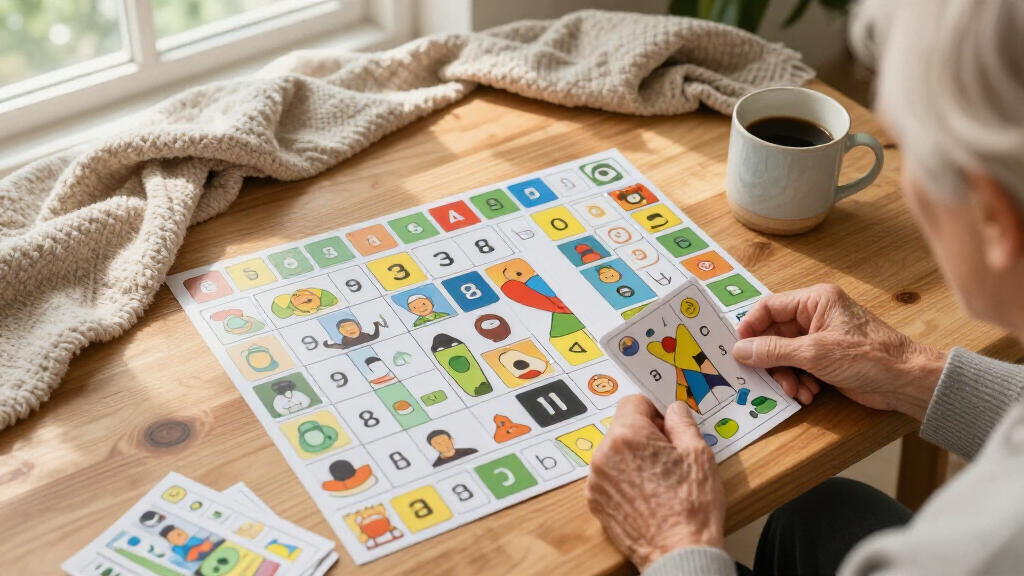
How We Picked
In selecting these dementia memory matching games, I focused on durability, ease of use, cognitive engagement, and safety features. Products had to be designed specifically for seniors or individuals with memory challenges, ensuring they are accessible and safe. I prioritized items with clear, simple instructions, and evaluated based on user reviews, build quality, and how well they support cognitive stimulation. The ranking reflects a balance of value, longevity, and suitability for different levels of cognitive ability, helping buyers choose options that are both effective and practical.| dementia memory matching game | Material |
|---|---|
| Dementia Activities for Senior | Wood |
| Keeping Busy Match Photo Demen | Laminated cards |
| Dementia Activities for Senior | Wood |
| Assistex Matching Game Activit | — |
| Shadow Matching Bingo Game for | Wood |
| Keeping Busy Tile Matching Dem | Wood |
| Dementia Products for Elderly | Solid wood |
| Easy Memory Games for Dementia | Wood |
| Keeping Busy Dementia Games fo | Wood |
Factors to Consider When Choosing Dementia Memory Matching Game
When choosing a dementia memory matching game, it’s important to consider factors beyond just the basic features. The right game should support cognitive health while being accessible and safe for the user. Understanding the key considerations can help you avoid common pitfalls like selecting games that are too difficult or fragile, and ensure you find a product that offers lasting value and engagement.Ease of Use and Accessibility
Look for games with large, clearly marked tiles or pieces that are easy to handle for seniors with limited dexterity or vision. Simplicity in instructions and minimal setup make daily participation more likely. Avoid overly complex rules that can cause frustration or confusion, and prioritize designs that promote independence in use.
Durability and Material Quality
Durable materials like wood or high-quality plastic are essential, especially for frequent use. Fragile pieces or flimsy cardboard can quickly wear out or pose safety hazards. Consider how easy it is to clean and maintain the game, as hygiene and longevity directly impact its usefulness over time.
Cognitive Engagement Level
Some games offer simple matching tasks, while others incorporate additional challenges like shapes or colors. Match the difficulty level to the user’s current cognitive status to prevent frustration or boredom. The goal is to promote mental stimulation without overwhelming the player.
Safety and Design Features
Ensure that the game avoids small or sharp parts that could be choking hazards or cause injury. Edges should be smooth, and materials non-toxic. A design that minimizes the risk of accidental ingestion or injury is critical for safety and peace of mind.
Price and Value
While investing in a higher-quality game often results in better durability and engagement, it’s important to balance cost with features. Cheaper options may lack longevity or proper usability, leading to higher replacement costs or frustration. Consider the overall value in terms of lifespan, safety, and cognitive benefit.
Frequently Asked Questions
How do I choose a game suitable for someone with advanced memory loss?
For individuals with advanced memory loss, opt for games with very simple, familiar concepts and minimal rules. Large, high-contrast pieces that are easy to grasp reduce frustration and help maintain engagement. Look for options that have fewer pieces or simpler matching criteria, focusing on sensory stimulation and comfort rather than complex tasks.
Can these games be used daily, or are they meant for occasional use?
Many dementia memory matching games are designed for daily use, especially if they are durable and simple enough to handle regularly. Consistent activity can support cognitive function, but it’s important to observe the user’s response and avoid overstimulation. Choosing lightweight, easy-to-clean options encourages regular participation without added stress.
Are these games suitable for all stages of dementia?
No, not all games are suitable for every stage. Early-stage users may enjoy more challenging matching tasks, while those in later stages benefit from very simple, sensory-focused activities. It’s important to evaluate the user’s current abilities and select a game that offers appropriate stimulation without causing confusion or frustration.
How important are the materials used in these games?
The materials determine durability, safety, and ease of handling. Non-toxic, smooth-edged, sturdy materials like wood are preferable for long-term use and safety. Cheaper plastic or cardboard may wear out quickly or pose safety hazards, especially if the user tends to put objects in their mouth or has limited dexterity.
Should I prioritize affordability over quality?
While budget is an important consideration, sacrificing quality may lead to frequent replacements or reduced engagement. Investing a bit more in a well-made, durable game can provide better value over time, especially since these activities are often used regularly and should withstand frequent handling. Consider long-term benefits alongside initial costs.