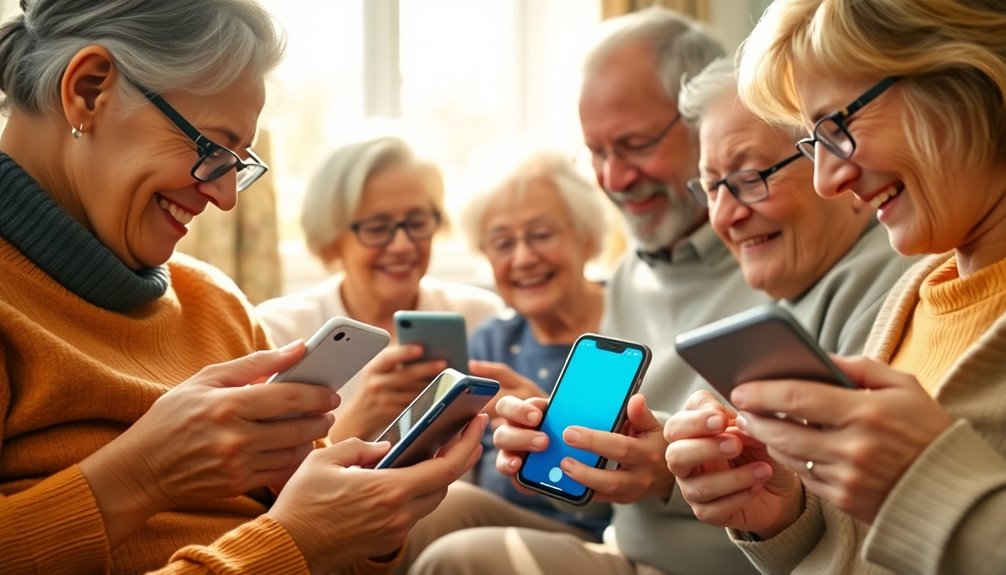

Choosing the right phone for seniors involves balancing simplicity, loudness, and essential features. The best overall pick offers a reliable combination of ease of use and clear sound, ideal for most seniors. The Easyfone Prime-T6 stands out for its picture buttons and 4G connectivity, making it perfect for those who want straightforward features with modern capabilities. Meanwhile, the Serene Innovations Amplified Landline provides extra loud volume and visual alerts, suited for users with hearing impairments. Each of these options highlights different priorities, but tradeoffs often involve size, advanced features, or price. Continue reading for a full breakdown of each model and how to find the best fit for your needs.

Turn quiet afternoons into listening time
- Thousands of audiobooks, podcasts and originals
- Listen on your phone, tablet or Echo — also offline
- Cancel anytime
Complete the kit


Key Takeaways
- Top picks balance simplicity with essential features like loud volume and large buttons.
- Wireless models offer more mobility but can be harder to set up for some users.
- Corded phones excel in reliability and hearing aid compatibility, especially for fixed locations.
- Smartphones like the Jitterbug provide advanced features but may be overwhelming for some seniors.
- Price varies widely, with some models offering great value while others focus on premium features.
| Panasonic Amplified Cordless Phone with Large Display and Hearing Aid Compatibility |  | Best Overall for Hearing Impairments and Ease of Use | Volume Boost: 40 dB | Ringer Volume: 100 dB | Display Size: 1.8 inches | VIEW ON AMAZON | See Our Full Breakdown |
| Easyfone Prime-T6 4G Picture Button Cell Phone for Seniors |  | Best for Beginners Needing Simple Cellular Communication | Connectivity: 4G | Battery Capacity: 1050mAh | Memory Buttons: 4 picture buttons | VIEW ON AMAZON | See Our Full Breakdown |
| Corded Landline Phone for Seniors with Big Picture Buttons, One-Click Dialing, 110dB Loud Ringer, and Hands-Free Calling |  | Best for Visual and Hearing-Impaired Users Who Need a Reliable Corded Phone | Photo Dial Buttons: 9 large buttons | Ringer Volume: 110dB | Power Source: Corded (RJ11 line power) | VIEW ON AMAZON | See Our Full Breakdown |
| AT&T CL2940 Corded Phone with Speakerphone, Extra-Large Buttons and Tilt Display, Black |  | Best for Low-Vision Users Who Need Visual Aids and Amplification | Color: Black | Enclosure Material: Plastic | Dialer Type: Dual Keypad | VIEW ON AMAZON | See Our Full Breakdown |
| Med-Pat XL88Q One-Piece Corded Telephone with Ring/In-Use Light Indicator and Extra Loud Volume Boost |  | Best for Heavy Usage and Visual Alerts in Busy or Care Settings | Ring Indicator: Visual ring/in-use light | Volume Control: Full-range thumbwheel | Hearing Aid Compatible: Yes | VIEW ON AMAZON | See Our Full Breakdown |
| Serene Innovations Amplified Big Button Landline Phone for Seniors with Photo Speed Dial Buttons |  | Best for Visual and Hearing Impairments with Power Outage Resilience | Power Source: Phone line (landline) | Dialer Type: Single Keypad | Amplification: 26dB | VIEW ON AMAZON | See Our Full Breakdown |
| Swissvoice Big Button Phone for Elderly with Answering Machine, Loud Ringer, Hearing Aid Compatible, Includes Extra Cordless Handset |  | Best for Multi-Device Flexibility and Hearing Assistance | Photo Buttons: 4 large photo memory | Ringer Volume: Adjustable up to 90dB | Hearing Aid Compatibility: Yes | VIEW ON AMAZON | See Our Full Breakdown |
| VTech VG231 DECT 6.0 Cordless Phone | 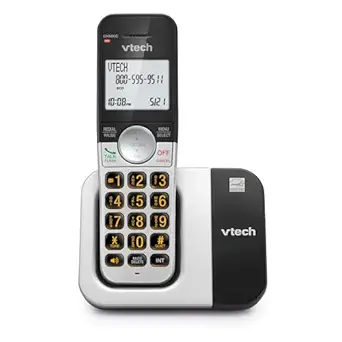 | Best for Range and Modern Features in a Cordless Model | Technology: DECT 6.0 | Range: Up to 1,000 ft | Display: 2-inch high-contrast | VIEW ON AMAZON | See Our Full Breakdown |
| VTech SN1117 Corded Senior Phone for Elderly |  | Best for Low Vision and Arthritis with Power Outage Reliability | Power: Landline-powered | Speed Dial Keys: 8 photo speed dial | Buttons: Oversized high-contrast | VIEW ON AMAZON | See Our Full Breakdown |
| Corded Landline Phone for Seniors with 9 Picture Memory One-Touch Dialing, Amplified Volume, Hands-Free Calling and LED Flash Alert |  | Best for Simplicity and Hearing Challenges with Visual Alerts | VIEW ON AMAZON | See Our Full Breakdown | |||
| Uvital Big Button Corded Landline Phone for Seniors |  | Best for Simplicity and Loudness | Speed Dial Buttons: 8 one-touch + 1 SOS emergency | Ringtone Volume: Up to 120dB | Earpiece Volume: Up to 90dB | VIEW ON AMAZON | See Our Full Breakdown |
| LIVELY Jitterbug Smart5 Smartphone for Seniors |  | Best for Tech-Savvy Seniors Who Want a Smartphone | Screen Size: 6.75 inches | SIM Card: Pre-installed | Carrier Compatibility: Lively phone service only | VIEW ON AMAZON | See Our Full Breakdown |
| AT&T Trimline Corded Phone, No AC Power Needed |  | Best for Reliability and Simplicity During Power Outages | Power: Line power (no AC or batteries required) | Buttons: Extra large, high-contrast | Keypad: Lighted | VIEW ON AMAZON | See Our Full Breakdown |
More Details on Our Top Picks
Panasonic Amplified Cordless Phone with Large Display and Hearing Aid Compatibility
The Panasonic KX-TGM420W stands out for its combination of high volume boost, large display, and expandable design, making it ideal for seniors with hearing difficulties and those who prefer cordless convenience. Compared with the AT&T CL2940, it offers more advanced noise reduction and a larger display, but its bulkier design may be less suitable for smaller spaces. The system supports up to six handsets, providing flexibility for multi-room use, yet it relies solely on landline connections and requires power backup for reliability during outages. This pick makes the most sense for users who prioritize clarity, hearing aid compatibility, and expandability over a compact form factor or cellular independence.
Pros:- Loud ringer (100 dB) and volume boost up to 40 dB for clarity
- Large, backlit display and keypad for easy operation
- Expandable support for up to six handsets for multi-room use
- Includes noise reduction and digital answering machine
Cons:- Bulkier design may not fit small spaces comfortably
- Requires power backup for consistent operation during outages
- Limited to landline use, no cellular connectivity
Best for: Seniors with hearing impairments who want a reliable, expandable cordless phone with loud ringer and clear display
Not ideal for: Users seeking a small, space-saving device or a cellular-based solution, as this model is bulkier and limited to landline use
- Volume Boost:40 dB
- Ringer Volume:100 dB
- Display Size:1.8 inches
- Number of Handsets:Up to 6
- Call Block Capacity:250 numbers
- Connectivity:DECT 6.0 Plus
- Power Backup:Yes
Our verdict“This phone is ideal for seniors who need amplified sound, hearing aid compatibility, and expandability, accepting its larger size as a tradeoff.”
Easyfone Prime-T6 4G Picture Button Cell Phone for Seniors
The Easyfone Prime-T6 makes a compelling choice for seniors seeking a straightforward cellular device, especially with its large picture memory buttons that enable one-touch dialing—far simpler than navigating a smartphone. While it excels in simplicity, it’s limited to T-Mobile, SpeedTalk, and Tello Mobile networks, unlike the versatile VTech SN1117, which offers basic landline functions without carrier restrictions. Its minimalist OS and emergency SOS button are tailored for users who need quick access to calls without distractions, but it lacks advanced features like apps or internet browsing. This model is better suited for seniors who want a basic, reliable phone with minimal complexity, rather than those seeking multimedia capabilities.
Pros:- Large picture memory buttons for easy one-touch dialing
- Simple operating system minimizes confusion
- Hearing aid compatible with clear sound
- Includes SOS emergency button and charging dock
Cons:- Limited carrier compatibility restricts network options
- Basic calling functions only—no internet, apps, or texting
- Requires checking network coverage in your area
Best for: Elderly individuals with limited tech experience needing a cellular phone for emergency and simple calls
Not ideal for: Users wanting features like internet access, apps, or cellular data beyond calling and emergency functions, as this device is very basic
- Connectivity:4G
- Battery Capacity:1050mAh
- Memory Buttons:4 picture buttons
- Hearing Aid Compatible:Yes
- SOS Button:Yes
- Compatible Carriers:T-Mobile, SpeedTalk, Tello Mobile
Our verdict“This phone is perfect for seniors needing a straightforward cellular device for emergency and daily calls, accepting its limited functionality.”
Corded Landline Phone for Seniors with Big Picture Buttons, One-Click Dialing, 110dB Loud Ringer, and Hands-Free Calling
The Corded Landline Phone for Seniors prioritizes simplicity and accessibility, with nine large photo buttons for easy redialing and an extra-loud 110dB ringer, making it ideal for users with visual or hearing impairments. Unlike cordless models, it remains operational during power outages, which provides peace of mind during emergencies. However, the corded design limits mobility, and the SOS button must be manually programmed, lacking automatic dialing. Its straightforward setup suits users who prefer minimal features but need maximum clarity and reliability. This phone makes the most sense for those who value durability and straightforward operation over modern wireless features.
Pros:- Large photo buttons for one-touch dialing
- Extra-loud 110dB ringer and flashing visual indicator
- Works during power outages, line-powered
- Simple four-step setup
Cons:- SOS button requires manual programming and doesn’t dial automatically
- Corded design limits movement during calls
- Limited to basic calling functions
Best for: Seniors with visual or hearing impairments seeking a dependable, corded phone with large buttons and loud ringer
Not ideal for: Those who want cordless mobility or advanced smart features, as this model is purely traditional and corded
- Photo Dial Buttons:9 large buttons
- Ringer Volume:110dB
- Power Source:Corded (RJ11 line power)
- Compatibility:Traditional landline
- Line Operation:Single-line
- Special Features:SOS button, flashing visual indicator
Our verdict“This model is best for seniors who need a reliable, straightforward corded phone with maximum loudness and visual alerts, accepting its fixed location.”
The AT&T CL2940 offers a well-rounded solution for seniors who need large buttons, an adjustable tilt display, and amplified sound. Its extra-large keypad and tilt screen reduce strain and improve visibility, while the Audio Assist volume boost helps overcome hearing difficulties. Unlike cordless models, it remains operational during power outages, providing reliable emergency communication. However, the need for 4 AA batteries for Caller ID adds a layer of inconvenience, and it lacks a built-in answering machine. This phone is a solid choice for users who prioritize visual simplicity and hearing assistance over modern features like Bluetooth or internet access. It’s especially suited for those who prefer a traditional, wired design with ample accessibility features.
Pros:- Extra-large buttons and tiltable display for enhanced visibility
- Audio Assist volume boost for clearer sound
- Works during power outages without external power
- Wall-mountable or desktop use
Cons:- Caller ID requires 4 AA batteries (not included)
- No built-in answering machine
- Basic single-line functionality only
Best for: Seniors with low vision or hearing impairments needing a reliable, easy-to-see, amplified corded phone
Not ideal for: People who want cordless mobility or features like caller ID without battery replacement, as it relies on AA batteries for some functions
- Color:Black
- Enclosure Material:Plastic
- Dialer Type:Dual Keypad
- Answering System:No
- Line Operation:Single-Line
- Power Source:Corded, with AA batteries for caller ID
Our verdict“This phone is well-suited for low-vision and hearing-impaired seniors who need a dependable, amplified corded device with visual aids, accepting its battery dependence for caller ID.”
Med-Pat XL88Q One-Piece Corded Telephone with Ring/In-Use Light Indicator and Extra Loud Volume Boost
The Med-Pat XL88Q is designed for environments requiring maximum sound amplification and visual cues, such as care facilities or busy households. Its full bridge circuitry ensures crystal-clear, loud conversations, and the visual ring/in-use indicator guarantees users never miss calls. The water-resistant earpiece adds durability, making it suitable for challenging conditions. Unlike cordless models, its fixed design limits mobility, but it provides dependable operation without power concerns. This model is especially effective for users with hearing aids and those who need a visual alert system, though its one-piece design restricts feature expansion and mobility. It’s best for environments where reliability and maximum volume are more important than modern features or portability.
Pros:- Extra loud, amplified sound for clear conversations
- Visual ring and in-use indicator for missed calls
- Water-resistant earpiece for durability
- Hearing aid compatible
Cons:- Corded design limits mobility during calls
- No advanced features or network options
- One-piece design reduces flexibility
Best for: Elderly users or busy caretakers needing a loud, reliable corded phone with visual call alerts
Not ideal for: Individuals seeking cordless mobility or advanced smart features, as this is a basic, fixed device
- Ring Indicator:Visual ring/in-use light
- Volume Control:Full-range thumbwheel
- Hearing Aid Compatible:Yes
- Water-Resistant Earpiece:Yes
- Quantity:1 pack
Our verdict“This phone excels in environments where maximum volume and visual alerts are critical, at the expense of mobility and advanced features.”
Serene Innovations Amplified Big Button Landline Phone for Seniors with Photo Speed Dial Buttons
This corded landline phone excels for seniors who struggle with vision, hearing, or memory by offering big buttons, photo speed dial, and an 85dB loud ringer that cuts through background noise. Its amplification of 26dB makes conversations clearer for those with hearing impairments, and the built-in answering machine with 24-minute capacity provides reassurance. Compared to the Swissvoice model, which includes extra handsets and a modern design, the Serene phone is more straightforward but feels somewhat dated with its beige plastic enclosure. The corded setup ensures operation during power outages, a key advantage over cordless options like the VTech VG231. The main tradeoff is its limited placement flexibility due to the cord, and the design may seem less appealing today. This pick makes the most sense for seniors who prioritize reliability and hearing support over cordless convenience or aesthetic modernity.
Pros:- Big buttons and photo speed dial simplify calling for memory or vision-impaired users
- High amplification (26dB) and loud ringer (85dB) improve audibility in noisy environments
- Powered directly by the phone line, so it works during power outages
- Built-in answering machine with 24-minute recording capacity
Cons:- Corded design restricts placement options, reducing flexibility
- Beige plastic enclosure gives it a dated appearance
Best for: Seniors with significant hearing or vision impairments who need a reliable, power-outage-proof phone with simple operation
Not ideal for: Users seeking mobility and flexibility, as the cord limits placement and it may feel outdated visually
- Power Source:Phone line (landline)
- Dialer Type:Single Keypad
- Amplification:26dB
- Ringer Volume:85dB
- Answering System Type:Microcassette
- Recording Capacity:24 minutes
- Conference Call Capability:3-way
- Color:Beige
- Enclosure Material:Plastic
Our verdict“This model suits seniors needing a dependable, hearing-assistive landline with a focus on clarity and reliability over mobility.”
Swissvoice Big Button Phone for Elderly with Answering Machine, Loud Ringer, Hearing Aid Compatible, Includes Extra Cordless Handset
The Swissvoice model stands out for seniors who want both corded and cordless options, featuring large photo memory buttons, an extra loud ringer (up to 90dB), and hearing aid compatibility. Its inclusion of two handsets—one corded, one cordless—enables mobility, making it more versatile than the strictly corded options like the VTech SN1117. The expandable design supports up to three additional handsets, ideal for multi-room use. However, its bulky design and landline-only operation make it less suitable for users who prefer sleek devices or need cellular connectivity. Compared to the VTech VG231 cordless model, this phone offers more hardware flexibility but sacrifices some modern aesthetics. The main tradeoff is its size and the requirement for a landline, limiting use in cellular-only homes. This makes it perfect for seniors who want expandability and hearing aid compatibility without sacrificing call clarity.
Pros:- Large photo memory buttons aid quick identification and ease of use
- Extra loud ringer (up to 90dB) helps the hard of hearing
- Includes both corded and cordless handsets for mobility
- Supports up to 3 additional handsets for expanded coverage
Cons:- Bulky design may not appeal to all users
- Limited to landline use, no cellular connectivity
Best for: Seniors who need a multi-handset setup, hearing aid compatibility, and easy identification via photo buttons
Not ideal for: Those seeking a compact, modern cordless phone or who rely solely on cellular service
- Photo Buttons:4 large photo memory
- Ringer Volume:Adjustable up to 90dB
- Hearing Aid Compatibility:Yes
- Handsets Included:2 (corded and cordless)
- Expandable:Supports up to 3 additional handsets
- Power Source:Landline
Our verdict“This option is ideal for seniors who need expanded reach, hearing assistance, and multiple handsets, despite its size and landline dependency.”
VTech VG231 DECT 6.0 Cordless Phone
The VTech VG231 offers seniors a cordless solution with impressive range—up to 1,000 ft—and features like a 2-inch high-contrast backlit display, oversized keypad, and full-duplex speakerphone. Its interference-free DECT 6.0 technology ensures clear calls, especially compared to older DECT models. While its 10-hour talk time and 50 caller ID storage are decent, they fall short for users who need extended usage or extensive call logs. Compared to the corded options, it offers significantly more mobility, but it lacks the built-in amplification or large buttons specifically designed for hearing or sight impairments. For users comfortable with cordless devices and seeking a modern, interference-free experience, this makes an excellent choice. The main tradeoff is its limited talk time and storage capacity, which might frustrate heavy users.
Pros:- Interference-free DECT 6.0 technology ensures clear, stable calls
- Long-range coverage up to 1,000 ft from the base
- Large backlit display and oversized keypad for easy use
- Full-duplex speakerphone supports natural conversations
Cons:- Limited call storage (50 entries) may not suit heavy users
- No built-in amplification or specialized accessibility features
Best for: Seniors who prioritize mobility and range, and are comfortable with a cordless device that has basic accessibility features
Not ideal for: Those with significant hearing or vision impairments who need amplified sound or large buttons
- Technology:DECT 6.0
- Range:Up to 1,000 ft
- Display:2-inch high-contrast
- Caller ID Memory:50 calls
- Talk Time:Up to 10 hours
- Compatibility:Landline, cable, VoIP
Our verdict“Ideal for seniors valuing cordless mobility and range, but less suited for those needing amplified sound or large buttons.”
VTech SN1117 Corded Senior Phone for Elderly
The VTech SN1117 is tailored for seniors who need a straightforward, reliable corded phone with strong accessibility features. Its oversized high-contrast buttons and talking digit announcements assist users with low vision or arthritis, and the visual ringer with flashing light offers added alertness. Its simplicity outshines many multi-featured models, making it especially suitable for users who prefer no fuss—unlike the Swissvoice’s expandable setup. The phone is powered directly by the landline, so it continues to work during power failures, a key advantage over cordless models. However, it lacks modern features like caller ID or voicemail, which could be a drawback for those who want integrated call management. Compared to the Serene model, it is simpler but less versatile. This device is best for users prioritizing basic, dependable calling with accessibility support.
Pros:- Works during power outages since it’s powered by the landline
- Oversized, high-contrast buttons and talking digits aid low vision users
- Visual ringer with flashing light improves call awareness
- Full-duplex speakerphone enhances convenience
Cons:- No caller ID, voicemail, or message recording capabilities
- Requires landline connection, limiting cellular-only households
Best for: Seniors with low vision, arthritis, or mobility issues needing a straightforward, reliable corded phone
Not ideal for: Those who want caller ID, voicemail, or cellular functionality in a modern device
- Power:Landline-powered
- Speed Dial Keys:8 photo speed dial
- Buttons:Oversized high-contrast
- Ringer:Visual with flashing light
- Speakerphone:Full-duplex
- Volume Control:Adjustable
Our verdict“Best suited for seniors who need a simple, dependable phone with accessibility features and power outage resilience.”
Corded Landline Phone for Seniors with 9 Picture Memory One-Touch Dialing, Amplified Volume, Hands-Free Calling and LED Flash Alert
This corded landline phone emphasizes simplicity and accessibility for seniors facing hearing, vision, or memory issues. Its 9 picture memory keys enable one-touch dialing, making it ideal for those who struggle to remember or read numbers. The extra-loud ringer (over 110dB) and earpiece volume (over 90dB) help users with hearing impairment, while the visual LED flash alert ensures calls aren’t missed. Unlike the Swissvoice, which offers expandability, this model focuses on a straightforward setup with no batteries or power supply needed—just a phone line. However, it does not support caller ID or voicemail, limiting its use for call management. Its pre-stored contacts could be lost if the line is disconnected, and it’s not suitable for cellular-only homes. This phone is best for seniors who need maximum loudness and visual cues with minimal complexity.
Pros:- 9 picture memory keys simplify one-touch dialing
- Extra-loud ringer and earpiece for hearing-impaired users
- No batteries or external power required, ensuring reliability
- LED flash alert improves call visibility
Cons:- Lacks caller ID, voicemail, and message recording features
- Pre-stored contacts may be lost if line is disconnected
Best for: Seniors with severe hearing loss, low vision, or mobility challenges who need a simple, loud, and visual alert system
Not ideal for: Users wanting caller ID, voicemail, or cellular connectivity, or those with a preference for modern features
Our verdict“This model fits seniors needing loud, visual, and simple dialing with minimal setup, especially in low-vision or hearing-impaired contexts.”
Uvital Big Button Corded Landline Phone for Seniors
This corded landline stands out for its straightforward, no-frills design tailored to seniors with hearing impairments or memory challenges. Its 8 photo-based speed dial buttons and SOS emergency button make calling familiar contacts quick and easy, especially for users who struggle with small buttons or complex menus. Compared with the AT&T Trimline, this model offers more visual cues but lacks caller ID and digital features, making it less versatile for those wanting extra functionality. The loud adjustable ringer and earpiece ensure users with hearing issues can participate fully in conversations, while its hands-free speakerphone supports users with limited mobility. The main tradeoff is its reliance solely on PSTN landlines—no VoIP compatibility—and the absence of modern features like caller ID or voicemail. This pick is ideal for seniors who prioritize basic, reliable calling with minimal complexity, but not for those seeking smart features or VoIP support.
Pros:- Photo-based one-touch dialing simplifies calling for users with memory issues
- Very loud, adjustable ringer and earpiece volume for hearing impairments
- Hands-free speakerphone supports mobility-limited users
- No batteries or external power needed ensures consistent operation
Cons:- Limited to PSTN landline use; incompatible with VoIP or internet services
- Lacks caller ID, voicemail, and display screen, reducing versatility
- Wall mounting not recommended, limiting placement options
Best for: Seniors with significant hearing loss or memory challenges who prefer a simple, reliable landline.
Not ideal for: Users wanting VoIP compatibility or caller ID features, or those seeking a more modern phone with digital functions.
- Speed Dial Buttons:8 one-touch + 1 SOS emergency
- Ringtone Volume:Up to 120dB
- Earpiece Volume:Up to 90dB
- Volume Settings:3 independent
- Power Requirement:None (RJ11 landline powered)
- Compatibility:PSTN landline only
Our verdict“This model suits seniors needing a straightforward, loud, and reliable landline phone with minimal technical complexity.”
LIVELY Jitterbug Smart5 Smartphone for Seniors
The Jitterbug Smart5 makes the most sense for seniors ready to embrace smartphone technology but who need simplicity. Its large 6.75-inch screen and intuitive menu reduce frustration for those with vision or dexterity challenges, outperforming many basic phones in ease of use. Compared to the AT&T Trimline, this device offers significantly more functionality—camera, apps, internet access—yet it sacrifices some simplicity and has a learning curve. The Urgent Response button adds peace of mind, especially for users who want quick emergency access. However, its dependence on Lively service means it isn’t compatible with other providers and requires a monthly plan, which might be a barrier for some. This phone is perfect for tech-friendly seniors who want a large display and emergency features but aren’t interested in the complexities of a full smartphone ecosystem.
Pros:- Large 6.75-inch display enhances readability for vision-impaired users
- Simple, easy-to-navigate interface reduces frustration
- Urgent Response button provides quick emergency assistance
- 24/7 support from Lively’s caring team offers peace of mind
Cons:- Only compatible with Lively phone service, limiting flexibility
- Requires a service plan, adding ongoing costs
- Limited app and internet capabilities compared to standard smartphones
Best for: Seniors comfortable with or willing to learn smartphone features, seeking a large display and emergency support.
Not ideal for: Elderly users who prefer a traditional landline or are not comfortable with digital devices, due to its service dependency and learning curve.
- Screen Size:6.75 inches
- SIM Card:Pre-installed
- Carrier Compatibility:Lively phone service only
- Features:Voice calling, real-time call captioning, Urgent Response button
- Setup:Online activation
Our verdict“This phone is ideal for tech-capable seniors who want a large-screen device with emergency features and are comfortable with service plans.”
AT&T Trimline Corded Phone, No AC Power Needed
The AT&T Trimline offers a dependable corded connection without the need for external power, making it a solid choice for areas prone to outages. Its classic design features oversized, high-contrast buttons and a lighted keypad, which simplify dialing for users with visual impairments or dexterity issues. Compared with the Uvital Big Button Landline, it lacks photo speed dial and emergency buttons but compensates with a more traditional, space-saving design and a reliable line power source. The visual ringer alerts ensure users are aware of incoming calls even if the ringer is turned off, but its outdated look and absence of modern features like caller ID or speakerphone may limit appeal for tech-savvy seniors. This phone suits those who prioritize dependability and simplicity over extra features or modern aesthetics.
Pros:- Operates without batteries or external power, ensuring operation during outages
- Large, high-contrast buttons and lighted keypad improve usability
- Wall-mountable design saves space and adds convenience
- Visual ringer alerts for incoming calls even when ringer is off
Cons:- Limited to corded landline use, no wireless or VoIP support
- No advanced features like caller ID or voicemail
- Design may appear outdated or less aesthetic
Best for: Seniors who need a reliable landline during power outages and prefer a basic, easy-to-use phone.
Not ideal for: Elderly users seeking modern features like caller ID, speakerphone, or wireless capabilities, or those who prefer a contemporary design.
- Power:Line power (no AC or batteries required)
- Buttons:Extra large, high-contrast
- Keypad:Lighted
- Speed Dial:10 numbers
- Mounting:Wall mountable
- Color:White
Our verdict“This classic corded phone is best suited for seniors prioritizing dependability and simplicity, especially during power failures.”
How We Picked
Our evaluation focused on factors that matter most to seniors and their caregivers, including ease of use, sound quality, visual clarity, and physical design. We prioritized phones with large buttons, high-volume capabilities, and hearing aid compatibility, ensuring accessibility for a range of hearing needs. Additional considerations included connectivity type (cordless, corded, or smartphone), setup simplicity, and durability. We compared these models based on real-world usability, value for money, and user feedback, aiming to highlight options that serve different lifestyles and budgets. The ranking reflects a balance of these criteria to help buyers find a dependable and user-friendly elderly phone.
Factors to Consider When Choosing Elderly Phone
When selecting an elderly phone, it’s important to consider several key factors that impact daily usability and safety. Beyond just price, think about how intuitive the device is to operate, the loudness of the ringer and volume controls, and whether the phone supports hearing aids. Size and ergonomics matter for comfort and ease of dialing, especially for users with limited dexterity. Connectivity options—whether corded, cordless, or smartphone—should align with the user’s mobility and tech comfort level. Lastly, check for additional safety features like visual alerts or emergency buttons, which can provide peace of mind.Ease of Use and Accessibility
A senior-friendly phone should have large, well-spaced buttons and simple menus. Devices with dedicated speed dial or photo buttons reduce the chance of misdials. Consider models with clear, high-contrast displays and tactile feedback to make dialing easier for users with vision or dexterity challenges. Avoid overly complex interfaces or unnecessary features that can confuse or frustrate users, focusing instead on straightforward operation.Sound Volume and Hearing Aid Compatibility
Loud volume and adjustable ringer controls are non-negotiable for many seniors, especially those with hearing impairments. Look for phones with amplification features and hearing aid compatibility to ensure clear conversations without background noise. Be cautious: some models claim compatibility but perform poorly in real-world conditions, so checking reviews and testing the device if possible is wise.Design and Physical Comfort
A well-designed elderly phone should fit comfortably in the hand, with a weight that doesn’t cause fatigue. Larger buttons and a bigger display improve usability, but size can also impact portability. For wall-mounted or desk models, stability and ease of access are key. Balance portability with stability — a lightweight cordless might be easy to handle but less stable if dropped, while a sturdy corded model offers reliability.Connectivity and Modern Features
Decide between corded, cordless, or smartphone options based on the user’s mobility and comfort with technology. Corded phones excel in reliability and simplicity, but cordless models offer freedom of movement. Smartphones like the Jitterbug bring internet access and apps, which can be useful but may overwhelm some seniors. Consider whether additional features, such as emergency buttons or large screens, justify the extra cost.Safety and Extra Features
Features like visual alerts for incoming calls, emergency buttons, or flashing lights add layers of safety. These are especially important for users with hearing or cognitive impairments. However, more features often mean higher complexity or cost. Focus on essential safety features that match the user’s specific needs, avoiding devices with unnecessary bells and whistles.Frequently Asked Questions
Is a cordless phone better for seniors than a corded one?
Cordless phones offer greater mobility within the home, allowing seniors to move freely while on a call. This can be especially helpful for those who prefer to be away from the base, such as in the kitchen or garden. However, cordless models depend on batteries and can have connectivity issues if the signal is weak or if the battery runs out. Corded phones, on the other hand, are more reliable in terms of connection and often have louder, more consistent sound quality, making them a good choice for users with hearing impairments or those who prefer simplicity.
What features should I prioritize if my parent has hearing difficulties?
If hearing is a concern, look for phones with amplified sound, high-volume ringer, and hearing aid compatibility. Visual alerts such as flashing lights or visual caller ID can also help. Some phones allow custom volume adjustments and have dedicated buttons for quick emergency calls. Prioritizing these features ensures that your parent can hear and respond to calls effectively, reducing frustration and increasing safety.
Are smartphones suitable for elderly users?
Smartphones like the Jitterbug offer advanced features such as internet access, health apps, and emergency services, which can be beneficial for tech-savvy seniors. However, they often require a learning curve and familiarity with touchscreens and apps. For seniors new to smartphones, this can be overwhelming, leading to frustration or underuse. For those comfortable with technology and seeking more functionality, a simplified smartphone can be a good investment. Otherwise, sticking to traditional phones with large buttons may be more practical.
How much should I expect to spend on a quality elderly phone?
Prices vary based on features and type, ranging from around $30 for basic corded models to over $150 for advanced cordless or smartphone options with amplified sound and safety features. Budget-friendly options often omit features like visual alerts or extra loud volume, but still provide essential calling capabilities. Investing more typically offers better build quality, larger displays, and additional safety features, which may be worth it for peace of mind and ease of use. Consider your specific needs and how much value extra features add before making a decision.
Can I set up these phones myself or do I need professional help?
Most elderly phones are designed for straightforward setup, often with step-by-step instructions included. Basic corded or cordless models generally require plugging in and simple programming of speed dial buttons. Smartphones might need initial configuration, such as setting up emergency contacts or accessibility options, which can be done independently with some guidance or online tutorials. If your parent has significant mobility or cognitive challenges, professional installation or assistance might ensure the device is configured correctly and safely, providing additional peace of mind.
Conclusion
For most users seeking a reliable, easy-to-use phone, the Panasonic Amplified Cordless Phone offers a great blend of simplicity and sound quality, making it ideal for those with hearing challenges. The Easyfone Prime-T6 is perfect for seniors who want modern features like picture buttons and 4G connectivity without complexity, making it best for tech-savvy beginners. If safety and emergency features are paramount, the Serene Innovations Amplified Landline provides loud volume and visual alerts, suited for users with hearing impairments. Budget-conscious buyers should consider basic corded models, while those wanting advanced features and mobility might prefer a senior-friendly smartphone like the Jitterbug. Your choice depends on your parent’s specific needs, mobility, and comfort with technology.
Halloween Picks
halloween
As an affiliate, we earn on qualifying purchases.