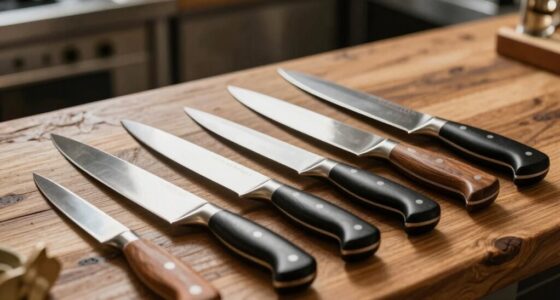
Searching for the best Japanese knife brands often means balancing quality, price, and craftsmanship. The Yoshihiro VG10 stands out as the top overall choice thanks to its layered Damascus steel and traditional craftsmanship. For those seeking affordability without sacrificing performance, Kagayaki CarboNext offers excellent value with cutting-edge materials. Meanwhile, Shun Premier and Miyabi Birchwood cater to premium buyers wanting luxury and precision. Each brand presents unique tradeoffs—higher quality often comes with a higher price, while budget options may lack some refinements. Continue reading for a detailed breakdown of these brands and what makes each one suitable for different needs.

Get comfort and care essentials delivered free — and shop member deals
- Fast, free delivery on millions of items
- Access to Prime Big Deal Days deals on October 6–7
- Prime Video, Amazon Music and more included
Complete the kit


Key Takeaways
- The top-tier brands like Yoshihiro and Miyabi blend traditional craftsmanship with advanced steel layers for exceptional cutting performance.
- Value-oriented brands such as Kagayaki CarboNext deliver impressive quality at a more accessible price point, making them ideal for home cooks.
- Handle design and ergonomics vary significantly across brands, impacting comfort during extended use.
- Premium brands often feature intricate Damascus patterns and high-end materials, but these come with a steep price tag.
- Blade length and style should be matched to your cooking style—gyuto for versatility, santoku for everyday prep, and specialized knives for specific tasks.
| Yoshihiro VG10 46 Layers Hammered Damascus Gyuto Japanese Chefs Knife (Octagonal Ambrosia Handle) (7″ (180mm)) |  | Best Overall for Versatility and Craftsmanship | Blade Material: VG10 Stainless Steel with 46 layers Damascus | Edge Angle: Double Edged | Handle Material: Ambrosia Wood | VIEW ON AMAZON | See Our Full Breakdown |
| Kagayaki CarboNext Japanese Chef’s Knife, 8.2-Inch (210mm) Gyuto |  | Best Value for Seki City Craftsmanship and Performance | Blade Length: 8.2 inches (210mm) | Steel: CarboNext tool steel | Hardness: HRc 59-61 | VIEW ON AMAZON | See Our Full Breakdown |
| Santoku Knife Premium, Japanese Kitchen Knife, Made in Japan |  | Best for Versatile, Everyday Use with Balanced Control | Handle Material: Stainless steel | Blade Type: Santoku | Origin: Japan | VIEW ON AMAZON | See Our Full Breakdown |
| Yoshihiro VG10 46 Layers Hammered Damascus Gyuto Japanese Chefs Knife (Octagonal Shitan Rosewood Handle) (8.25″ (210mm)) |  | Best Premium Choice for Aesthetic and Performance | Blade Length: 8.25 inches (210mm) | Blade Material: VG10 with Damascus layers | Handle Material: Shitan Rosewood | VIEW ON AMAZON | See Our Full Breakdown |
| Shun Premier 8″ Chef’s Knife |  | Best for Precision and Aesthetic Appeal | Blade Length: 8 inches (203mm) | Steel: VG-MAX with Damascus layers | Handle Material: Pakkawood | VIEW ON AMAZON | See Our Full Breakdown |
| SHAN ZU 8 Inch Japanese Chef Knife – 9-Layer 10Cr15MoV High Carbon Steel Kiritsuke Knife with Red Sandalwood Handle |  | Best Overall for Versatile Performance | Blade Length: 8 inches | Steel Core: 10Cr15MoV high carbon steel | Construction: 9-layer forged | VIEW ON AMAZON | See Our Full Breakdown |
| Kagayaki CarboNext KC-10 Japanese Sujihiki Knife, 11.8-Inch (300mm) |  | Best for Precision Slicing | Blade Length: 11.8 inches (300mm) | Steel: CarboNext carbon steel | Hardness: HRc 59-61 | VIEW ON AMAZON | See Our Full Breakdown |
| Shan Zu Brisket Slicing Knife, 11.6 Inch Carving Knife Japanese Steel |  | Best for Large Meat and Roast Slicing | Blade Length: 11.6 inches | Material: Japanese G5 stainless steel | Hardness: 62 HRC | VIEW ON AMAZON | See Our Full Breakdown |
| PAUDIN Nakiri Knife, 7-Inch High Carbon Stainless Steel Vegetable Kitchen Knife with Ergonomic Handle |  | Best for Vegetable Prep and Mincing | Blade Length: 7 inches | Steel Material: 5Cr15Mov high carbon stainless steel | Hardness: 56+ HRC | VIEW ON AMAZON | See Our Full Breakdown |
| Atumuryou Japanese Chef Knife Set, 3-Piece 67-Layer Damascus with VG10 Steel Core |  | Best for Gifted Home Cooks and Collectors | Pieces: 3 (8″ Chef, 7″ Santoku, 3.5″ Paring) | Steel: 67-layer Damascus with VG10 core | Hardness: 62 HRC | VIEW ON AMAZON | See Our Full Breakdown |
| 8-inch Japanese Chef Knife, Razor Sharp Hand-Forged Damascus VG10 Steel Core |  | Best for Luxury and Precision Craftsmanship | Blade Length: 8 inches | Steel Type: VG10 Damascus steel | Layers: 67 layers | VIEW ON AMAZON | See Our Full Breakdown |
| Miyabi Birchwood SG2 Japanese Chef’s Knife, 8-inch |  | Best for Precision and Traditional Craftsmanship | Blade Length: 8 inches | Steel: SG2 micro carbide powder steel | Layers: 100 layers | VIEW ON AMAZON | See Our Full Breakdown |
| HOSHANHO 8-Inch Chef’s Knife – Japanese High Carbon Steel, Ultra Sharp with Ergonomic Handle |  | Best for Everyday Performance and Versatility | Blade Material: Japanese high carbon steel (10Cr15CoMoV) | Hardness: 60 HRC | Blade Length: 8 inches | VIEW ON AMAZON | See Our Full Breakdown |
| japanese knife brand | Blade Length | Handle Material | Hardness |
|---|---|---|---|
| Yoshihiro VG10 46 Layers Hamme | 7 inches (180mm) | Ambrosia Wood | — |
| Kagayaki CarboNext Japanese Ch | 8.2 inches (210mm) | — | HRc 59-61 |
| Santoku Knife Premium | — | Stainless steel | — |
| Yoshihiro VG10 46 Layers Hamme | 8.25 inches (210mm) | Shitan Rosewood | — |
| Shun Premier 8" Chef’s Knife | 8 inches (203mm) | Pakkawood | — |
| SHAN ZU 8 Inch Japanese Chef K | 8 inches | — | 62 HRC |
| Kagayaki CarboNext KC-10 Japan | 11.8 inches (300mm) | — | HRc 59-61 |
| Shan Zu Brisket Slicing Knife | 11.6 inches | Pakkawood | 62 HRC |
| PAUDIN Nakiri Knife | 7 inches | Pakkawood | 56+ HRC |
| Atumuryou Japanese Chef Knife | — | — | 62 HRC |
| 8-inch Japanese Chef Knife | 8 inches | Stabilized wood with resin | 62 HRC |
| Miyabi Birchwood SG2 Japanese | 8 inches | Karelian Birch | — |
| HOSHANHO 8-Inch Chef’s Knife | 8 inches | Wood | 60 HRC |
More Details on Our Top Picks
Yoshihiro VG10 46 Layers Hammered Damascus Gyuto Japanese Chefs Knife (Octagonal Ambrosia Handle) (7″ (180mm))
This Yoshihiro Gyuto stands out for its 46-layer hammered Damascus construction with a VG10 core, blending traditional artistry with high performance. Compared to the Kagayaki CarboNext, it offers a slightly more classic Damascus aesthetic, though with a comparable edge retention. Its octagonal Ambrosia handle provides an ergonomic grip, ideal for those seeking comfort during extended prep. The inclusion of a wooden saya adds a touch of elegance and protection, making it a well-rounded choice for serious home cooks and professionals alike. Tradeoffs involve maintenance: this knife requires careful hand washing and honing with water whetstones, which may not suit casual users. Nonetheless, its versatility across meats, vegetables, and more makes it a reliable all-purpose option.
Pros:- Exceptional Damascus layered design with hammering for food release
- High-quality VG10 steel core for excellent edge retention
- Ergonomic octagonal Ambrosia handle for comfort
Cons:- Requires careful hand-washing and regular honing with water whetstones
- Higher maintenance compared to stainless-steel-only knives
Best for: Experienced home cooks and professional chefs seeking a durable, versatile knife with traditional craftsmanship.
Not ideal for: Casual cooks or those preferring low-maintenance knives that require minimal sharpening or special care.
- Blade Material:VG10 Stainless Steel with 46 layers Damascus
- Edge Angle:Double Edged
- Handle Material:Ambrosia Wood
- HRC:60
- Knife Style:Gyuto Chef Knife
- Blade Length:7 inches (180mm)
- Made in:Japan
Our verdict“This pick suits those who want a beautifully crafted, versatile knife that rewards regular care and sharpening.”
Kagayaki CarboNext Japanese Chef’s Knife, 8.2-Inch (210mm) Gyuto
The Kagayaki CarboNext excels with its hand-ground Seki City craftsmanship and a steel blade boasting a HRC 59-61 hardness, delivering sharpness comparable to high-end carbon steels. Unlike the Yoshihiro, it features a convex Hamaguri-ba grind that ensures smooth, low-resistance cuts, making it suitable for a variety of tasks from slicing fish to chopping vegetables. Its full tang construction with black pakkawood handle provides durability and control, perfect for both home cooks and chefs looking for reliable performance. However, it lacks the Damascus aesthetic and requires wipe-drying after use to prevent rust, which is a tradeoff for its rust-resistant steel and sharpness. Overall, it offers a balance of traditional quality and practical maintenance.
Pros:- Exceptional sharpness and edge retention with CarboNext steel
- Hand-ground craftsmanship from Seki City, Japan
- Convex grind for effortless slicing and minimal resistance
Cons:- Requires wiping dry after use to prevent rust
- No Damascus pattern or premium decorative finish
Best for: Cooks who value high-performance steel, sharpness, and craftsmanship in a multipurpose kitchen knife.
Not ideal for: Users seeking a showpiece or low-maintenance knife that doesn’t require wiping after use.
- Blade Length:8.2 inches (210mm)
- Steel:CarboNext tool steel
- Hardness:HRc 59-61
- Handle:Black pakkawood
- Tang:Full tang
- Origin:Seki City, Japan
Our verdict“Ideal for those wanting a high-performance, handcrafted steel knife with manageable care requirements.”
Santoku Knife Premium, Japanese Kitchen Knife, Made in Japan
This Santoku knife makes the list for its textured stainless steel handle that enhances grip and control, especially during extended prep. Compared to the more specialized Gyutos, this model offers all-purpose versatility, suitable for slicing vegetables, meat, and fish. Its hand-honed blade emphasizes durability and sharpness, while its well-balanced design helps reduce hand fatigue, making it ideal for everyday kitchen tasks. However, the lack of detailed specs like blade length or weight means users must rely on general impressions, and it may not satisfy those seeking a high-end or aesthetic-focused knife. Still, for someone needing a reliable, multi-use knife without fuss, this is a solid choice.
Pros:- Enhanced grip with textured handle for control
- Sharp, durable, hand-honed blade for versatile cutting
- Balanced design reduces hand fatigue
Cons:- Limited details on blade size and weight
- No premium aesthetic or Damascus pattern
Best for: Home cooks looking for a dependable, everyday Santoku with comfortable handling and versatility.
Not ideal for: Those wanting detailed specifications or specialized knives for specific tasks.
- Handle Material:Stainless steel
- Blade Type:Santoku
- Origin:Japan
Our verdict“A practical, everyday Santoku perfect for cooks prioritizing balance and control over aesthetic details.”
Yoshihiro VG10 46 Layers Hammered Damascus Gyuto Japanese Chefs Knife (Octagonal Shitan Rosewood Handle) (8.25″ (210mm))
This larger Yoshihiro Gyuto features the same hammered Damascus layers and VG10 core as the smaller model but offers an extended blade length for more precise control in larger tasks. The Shitan Rosewood handle adds a luxurious feel, making it ideal for chefs who appreciate aesthetics alongside functionality. Compared with the Shun Premier, this knife emphasizes traditional Japanese craftsmanship with a focus on beauty and durability, though it also shares the need for careful maintenance. Its forged, hammered finish reduces food sticking and enhances visual appeal, but requires attentive hand washing and honing. Suitable for serious chefs who want a statement piece that performs well across multiple tasks.
Pros:- Elegant Shitan Rosewood handle for luxurious feel
- Extended 8.25-inch blade for increased versatility
- Damascus hammering reduces sticking and adds beauty
Cons:- Requires careful hand-washing and honing
- Higher price point for larger size and premium materials
Best for: Professional chefs or dedicated home cooks seeking a larger, beautifully crafted Damascus knife for versatile use.
Not ideal for: Casual users or those who prefer low-maintenance, dishwasher-safe knives.
- Blade Length:8.25 inches (210mm)
- Blade Material:VG10 with Damascus layers
- Handle Material:Shitan Rosewood
- HRC:60
- Construction Type:Forged
- Made in:Japan
Our verdict“Perfect for those who want a visually stunning, larger Damascus knife with traditional craftsmanship for everyday professional use.”
Shun Premier 8″ Chef’s Knife
The Shun Premier 8-inch Chef’s Knife offers a blend of artistry and performance, featuring a hammered tsuchime finish that reduces drag and food sticking, ideal for detailed prep work. Its VG-MAX steel core with 68 layers of Damascus cladding ensures razor-sharp, long-lasting edges, surpassing many simpler stainless-steel knives in both cut quality and durability. The contoured Pakkawood handle provides a comfortable grip suitable for both left and right-handed users, making it a favorite among discerning chefs and enthusiasts. Despite its high-end craftsmanship, it demands careful hand washing and regular honing, which could be a drawback for those seeking low-maintenance tools. Its visual appeal and precise cutting ability make it a standout for special occasions or professional kitchens.
Pros:- Beautiful hammered tsuchime finish for reduced sticking
- Superior sharpness with VG-MAX steel and Damascus layering
- Ergonomic Pakkawood handle for control and comfort
Cons:- Requires hand washing and regular honing
- Higher price reflecting premium craftsmanship
Best for: Serious home cooks and professionals who value aesthetic craftsmanship combined with exceptional sharpness.
Not ideal for: Casual users or those preferring dishwasher-safe, low-care knives.
- Blade Length:8 inches (203mm)
- Steel:VG-MAX with Damascus layers
- Handle Material:Pakkawood
- Construction Type:Hand-Forged
- Style:Chef’s Knife
- Made in:Japan
Our verdict“This knife suits those who seek a luxurious, precise cutting experience with eye-catching beauty and traditional Japanese quality.”
SHAN ZU 8 Inch Japanese Chef Knife – 9-Layer 10Cr15MoV High Carbon Steel Kiritsuke Knife with Red Sandalwood Handle
This SHAN ZU 8-inch chef knife stands out for its impressive 9-layer forged construction with a high-carbon steel core, providing excellent durability and edge retention that rivals premium options like the Miyabi Birchwood SG2. Its 62 HRC hardness ensures sharpness lasts through multiple uses, while the ergonomic octagonal red sandalwood handle offers natural comfort for extended prep sessions. Compared with simpler single-layer knives, this model’s layered steel enhances resilience and aesthetic appeal, although the high-quality steel requires careful maintenance to prevent rust. The matte finish helps hide fingerprints, making it suitable for busy kitchens. Including a luxury gift box adds value, especially for gifting purposes. However, the high carbon steel core demands diligent cleaning and drying to avoid corrosion, and it doesn’t come with a sheath, which could be inconvenient for storage.
Pros:- Layered forged construction with premium 62 HRC Japanese steel for excellent durability
- Ergonomic octagonal red sandalwood handle reduces hand fatigue during extended use
- Matte blade finish resists fingerprints and food residue
- Luxury gift box makes it an attractive present
Cons:- High carbon steel core requires careful maintenance to prevent rust
- No sheath included, which may complicate storage
Best for: Professional chefs and serious cooking enthusiasts seeking a versatile, high-performance all-rounder
Not ideal for: Casual home cooks who prefer low-maintenance knives or those with limited storage space
- Blade Length:8 inches
- Steel Core:10Cr15MoV high carbon steel
- Construction:9-layer forged
- Hardness:62 HRC
- Blade Angle:12°
- Handle:Ergonomic octagonal red sandalwood
- Finish:Matte
- Included:Gift box
Our verdict“This knife is ideal for those who want a durable, versatile Japanese chef’s knife that balances performance and aesthetics, provided they can maintain it properly.”
Kagayaki CarboNext KC-10 Japanese Sujihiki Knife, 11.8-Inch (300mm)
The Kagayaki CarboNext KC-10 excels at slicing tasks thanks to its hand-ground 300mm blade from Seki City, Japan, with a convex Hamaguri-ba grind that ensures minimal resistance and razor-sharp cuts. Its carbon steel core (HRc 59-61) offers a great balance between edge retention and rust resistance, a notable improvement over traditional carbon blades like the one in the Kagayaki CarboNext 8.2-inch Gyuto. The full tang construction paired with a black pakkawood handle provides excellent balance and control, especially for extended slicing sessions. While its simplicity and lack of decorative finishes make it less showy than Damascus options, the convex grind enables precise, clean cuts ideal for sushi or roasts. The need to wipe it dry after use to prevent rust is a minor upkeep consideration, but the absence of aesthetic embellishments might deter those seeking a more ornate look.
Pros:- Hand-ground by experienced craftsmen in Seki City for superior edge quality
- Convex Hamaguri-ba grind enables effortless, precise cuts
- Full tang construction offers excellent balance and durability
- Rust-resistant compared to traditional carbon blades
Cons:- Requires thorough drying after use to prevent corrosion
- Lacks decorative Damascus pattern or ornate finish
Best for: Professional or home chefs focused on slicing and filleting with precision and ease
Not ideal for: Casual cooks seeking a multi-purpose all-in-one knife or those preferring decorative aesthetics
- Blade Length:11.8 inches (300mm)
- Steel:CarboNext carbon steel
- Hardness:HRc 59-61
- Grind:Hamaguri-ba convex, double bevel (60/40)
- Handle:Black pakkawood, full tang
- Bolster:Stainless
- Origin:Seki City, Japan
Our verdict“This sujihiki is perfect for those prioritizing precise, effortless slicing, provided they maintain it properly to prevent rust.”
Shan Zu Brisket Slicing Knife, 11.6 Inch Carving Knife Japanese Steel
The Shan Zu Brisket Slicing Knife offers a specialized design for slicing large cuts of meat with precision, made from high-end Japanese G5 stainless steel with a 62 HRC hardness that ensures long-lasting sharpness. Compared to general-purpose knives like the Shan Zu 8-inch chef knife, this model’s extended 11.6-inch blade provides a clear advantage in handling big roasts, briskets, or other large proteins. The ergonomic pakkawood handle offers comfort and control, reducing fatigue during extended cutting sessions. Its matte finish adds durability and style, although it requires careful cleaning to prevent rust. While it excels at meat slicing, this knife’s specialized shape makes it less suitable for delicate tasks like fine chopping or mincing. Its larger size may be unwieldy in small or cluttered kitchens.
Pros:- High-quality Japanese G5 stainless steel for durability and sharpness
- Extended 11.6-inch blade ideal for large meat cuts
- Ergonomic pakkawood handle reduces fatigue
- Matte finish enhances durability and style
Cons:- Blade length may be unwieldy for small or cluttered kitchens
- Requires careful maintenance to prevent rust
Best for: Butchers and home cooks who often prepare large roasts or briskets
Not ideal for: Small kitchens or those who prefer all-in-one knives for versatile tasks
- Blade Length:11.6 inches
- Material:Japanese G5 stainless steel
- Hardness:62 HRC
- Finish:Matte
- Handle Material:Pakkawood
- Edge Angle:12°
Our verdict“This knife is best suited for those who regularly cut large meats, offering exceptional length and control but less versatility for smaller tasks.”
PAUDIN Nakiri Knife, 7-Inch High Carbon Stainless Steel Vegetable Kitchen Knife with Ergonomic Handle
The PAUDIN Nakiri Knife makes vegetable prep effortless thanks to its 7-inch high-carbon stainless steel blade crafted from 5Cr15Mov steel, achieving over 56 HRC for a sharp, durable edge that handles daily chopping with ease. Its lightweight, full-tang pakkawood handle offers a comfortable, balanced grip, ideal for repetitive mincing and slicing tasks. Compared with premium Damascus or carbon steel knives, this model’s stainless steel offers easier maintenance and rust resistance, though it sacrifices some of the finer edge-holding qualities. The wave pattern on the blade reduces food sticking, speeding up prep time. While the blade’s sharpness and ease of use make it excellent for vegetables, it’s less suited for tasks requiring heavy-duty chopping or meat processing. Its more affordable price point makes it attractive for home cooks seeking quality without high investment.
Pros:- High-quality 5Cr15Mov stainless steel for durability and rust resistance
- Lightweight, ergonomic pakkawood handle for comfort
- Wave pattern reduces food friction for easy cleaning
- Affordable price for quality craftsmanship
Cons:- Blade not Damascus, may lack ornate aesthetic appeal
- Less suited for heavy-duty or meat cutting tasks
Best for: Home cooks focusing on vegetable prep, mincing, and daily kitchen tasks
Not ideal for: Professional chefs or those who need a dedicated meat or multi-purpose knife
- Blade Length:7 inches
- Steel Material:5Cr15Mov high carbon stainless steel
- Hardness:56+ HRC
- Handle Material:Pakkawood
- Edge Angle:12°
- Pattern:Wave
Our verdict“This nakiri is perfect for vegetable-centric cooking, offering sharpness and comfort at a reasonable price, with some limitations in heavy-duty use.”
Atumuryou Japanese Chef Knife Set, 3-Piece 67-Layer Damascus with VG10 Steel Core
The Atumuryou 3-piece Damascus set offers a striking collection with a 67-layer Damascus pattern surrounding a VG10 steel core, combining beauty with high performance. The 8-inch chef knife, 7-inch Santoku, and 3.5-inch paring knife are all full-tang, hand-sharpened to a 12° edge, providing razor-sharp precision. Compared to simpler monolayer knives like the Shan Zu 8-inch chef, this set’s layered Damascus pattern adds visual appeal, making it ideal for collectors or those who value aesthetic as much as function. The handles in stabilized wood and ocean-blue resin are both unique and ergonomic, though heavier than typical knives, which might affect extended use. While the Damascus steel demands careful maintenance, the overall elegance and cutting performance justify the investment for those seeking a premium, collectible set.
Pros:- Beautiful 67-layer Damascus pattern with VG10 core for sharpness and durability
- Full tang, hand-sharpened to 12° for precise cutting
- Unique stabilized wood and ocean-blue resin handles provide comfort and style
- Includes a complete set for versatile kitchen tasks
Cons:- Damascus steel requires careful maintenance to prevent corrosion
- Heavier weight may cause fatigue over long use
Best for: Home cooks and collectors who value craftsmanship, aesthetics, and multi-purpose functionality
Not ideal for: Casual cooks or those seeking budget-friendly, low-maintenance options
- Pieces:3 (8″ Chef, 7″ Santoku, 3.5″ Paring)
- Steel:67-layer Damascus with VG10 core
- Hardness:62 HRC
- Edge:12° per side
- Handles:Stabilized wood and ocean-blue resin
- Full Tang:Yes
Our verdict“This set suits those who want a visually stunning, high-performance collection that doubles as a display piece and reliable kitchen tool.”
8-inch Japanese Chef Knife, Razor Sharp Hand-Forged Damascus VG10 Steel Core
This handcrafted 8-inch chef knife stands out for its exceptional sharpness and artistic design thanks to its 67-layer VG10 Damascus steel. Compared to the Miyabi Birchwood SG2, it offers a more luxurious presentation and a full-tang handle that emphasizes comfort during prolonged use. However, the hand-forged construction and premium materials demand careful maintenance, especially the leather sheath that may need regular conditioning. Its beauty makes it ideal for gifting or display, but less so for heavy-duty kitchen tasks. This pick makes the most sense for culinary enthusiasts who value craftsmanship and presentation over everyday durability.
Pros:- Exceptional sharpness and precision due to high-quality Damascus steel
- Ergonomic handle with full tang for comfortable extended use
- Handcrafted design with luxurious presentation and gift box
Cons:- Requires careful maintenance to prevent damage or corrosion
- Leather sheath may need regular conditioning to maintain appearance
- Premium materials make it costly compared to mass-produced options
Best for: Collecting or gifting high-end culinary tools, or for chefs who appreciate aesthetic craftsmanship in their knives
Not ideal for: Professional kitchens with high-volume, heavy chopping, where more durable, lower-maintenance knives are preferable
- Blade Length:8 inches
- Steel Type:VG10 Damascus steel
- Layers:67 layers
- Hardness:62 HRC
- Handle Material:Stabilized wood with resin
- Full Tang:Yes
Our verdict“This knife is ideal for collectors or those seeking a luxurious, handcrafted piece for special occasions rather than everyday heavy use.”
Miyabi Birchwood SG2 Japanese Chef’s Knife, 8-inch
This 8-inch Miyabi chef’s knife offers superior edge retention and a beautiful 100-layer Damascus pattern. Its thin blade profile, combined with the traditional Honbazuke honing process, makes it excellent for delicate slicing and detailed work. Compared to the HOSHANHO high carbon steel knife, the Miyabi’s harder SG2 steel (which holds an edge longer) is better suited for precision tasks rather than rough chopping. However, the thin blade and high-quality steel require careful handling to avoid chipping, and its premium price reflects craftsmanship rather than everyday toughness. This knife fits best for chefs or home cooks who prioritize finesse and sharpness over ruggedness.
Pros:- Extremely hard SG2 powder steel maintains a sharp edge longer
- Exceptionally thin blade profile for precise slicing
- Beautiful 100-layer Damascus pattern and Karelian birch handle
Cons:- Requires careful maintenance to prevent chipping or damage
- Premium price point limits accessibility for casual users
- Less suited for heavy-duty tasks due to thin blade
Best for: Professional chefs or serious home cooks focused on detailed, precision cutting and presentation
Not ideal for: Home cooks or kitchens needing a versatile, heavy-duty workhorse for chopping large vegetables or bones
- Blade Length:8 inches
- Steel:SG2 micro carbide powder steel
- Layers:100 layers
- Edge Angle:9.5 to 12 degrees
- Handle Material:Karelian Birch
- Origin:Seki, Japan
Our verdict“This knife is best for those who value razor-sharp precision and traditional craftsmanship in delicate kitchen work.”
HOSHANHO 8-Inch Chef’s Knife – Japanese High Carbon Steel, Ultra Sharp with Ergonomic Handle
The HOSHANHO 8-inch chef’s knife is a practical choice for everyday kitchen tasks, thanks to its high-hardness 10Cr15CoMoV steel and hand-sharpened 13-degree edge. It offers a balance of sharpness, durability, and affordability compared to the more delicate Miyabi or Damascus options. Its ergonomic wooden handle with a sloped bolster encourages a proper pinch grip, making it comfortable for extended use. However, the high carbon steel requires diligent care to prevent rust, unlike stainless models. While it lacks the ornate craftsmanship of the Damascus knives, this pick is well-suited for home cooks who want a reliable, sharp knife without fussing over maintenance.
Pros:- High-hardness Japanese high carbon steel (60 HRC) for excellent sharpness and durability
- Hand-sharpened 13-degree edge handles a variety of kitchen tasks with ease
- Ergonomic handle with sloped bolster for comfortable, safe grip
- Includes a gift box, making it suitable for gifting
Cons:- High carbon steel may rust or stain if not properly maintained
- Only one knife included; not a full set for versatility
- Less suited for heavy-duty or bone-crushing tasks
Best for: Home cooks seeking a reliable, sharp knife for daily chopping, dicing, and slicing
Not ideal for: Kitchens with limited space or users uncomfortable with high-maintenance steels, since it needs proper care to prevent rust
- Blade Material:Japanese high carbon steel (10Cr15CoMoV)
- Hardness:60 HRC
- Blade Length:8 inches
- Edge Angle:13 degrees per side
- Handle Material:Wood
- Included Components:Knife, gift box
Our verdict“This knife offers a reliable, sharp performance for daily kitchen chores, especially for those willing to care for high-carbon steel.”
How We Picked
The knives in this roundup were selected based on a combination of performance, build quality, brand reputation, and value. I prioritized products that are widely recognized in culinary circles for their craftsmanship and edge retention, as well as those that offer a good balance of price and durability. Each knife was evaluated for its steel quality, handling, and maintenance needs. The ranking reflects a mix of expert reviews, customer feedback, and the overall reputation of the brands within the Japanese knife industry. This approach aims to help buyers find options suited for a range of skill levels and budgets, from entry-level to premium collectors.Factors to Consider When Choosing Japanese Knife Brands
Choosing the right Japanese knife brand involves more than just looking at steel quality; it requires considering several broader factors that influence your experience and satisfaction. The right brand depends on your cooking style, maintenance preferences, and budget. Avoid common mistakes like prioritizing aesthetics over functionality or choosing a knife that’s too large or small for your typical prep work. Understanding these factors can help you make a more informed decision that ensures your knife performs well over time.Steel Quality and Edge Retention
Steel type and layering significantly impact a knife’s durability and cutting ability. High-carbon steels like VG10 and SG2 are known for sharpness and ease of sharpening but require careful maintenance to prevent rust. Damascus layering not only enhances aesthetics but also can improve strength and flexibility. Choosing a steel that matches your sharpening routine and storage habits is key to maintaining performance over years of use.
Handle Comfort and Ergonomics
An ergonomic handle reduces fatigue during prolonged chopping sessions. Japanese brands vary from octagonal to round shapes, with materials like rosewood or synthetic composites affecting grip and durability. A handle that fits your hand comfortably ensures better control and reduces strain, especially if you cook daily or prepare large quantities regularly. Test handle size and shape if possible before purchasing or read detailed reviews about grip comfort.
Blade Length and Style
Matching the blade style and length to your culinary tasks is essential. Gyuto knives are versatile for most tasks, while santoku excels at slicing vegetables and boneless proteins. Specialized knives like sujihiki or nakiri serve specific purposes and can complement your main chef’s knife. Think about your typical prep work to choose a blade size that feels balanced and manageable in your hand.
Maintenance and Sharpening
Japanese knives often require more attentive care than Western counterparts. High-quality steel needs regular honing and occasional professional sharpening to maintain that razor edge. Some brands offer easier-to-sharpen steels, while others emphasize hardness for longevity. Consider your willingness to learn sharpening techniques or invest in professional services when choosing a brand—this impacts long-term usability and satisfaction.
Price and Value
While premium brands deliver exquisite craftsmanship and performance, they come with a steep price. Budget-friendly brands can still offer excellent performance if you choose wisely, but they might lack the same level of craftsmanship or aesthetic appeal. Balance your budget against the features most important to you—such as steel quality, handle comfort, and brand reputation—and avoid overpaying for features you won’t use regularly.
Frequently Asked Questions
How do I know if a Japanese knife is right for my cooking style?
Consider the types of ingredients you prepare most often and the tasks you perform regularly. For versatile all-purpose use, a gyuto is usually ideal, providing a good balance of size and functionality. If you focus on vegetable prep, a nakiri might be better, while a sujihiki is perfect for slicing meats. Matching the knife style to your routine ensures you get the most out of your investment and enjoy better results in the kitchen.
Are more expensive Japanese knives really better?
Higher price tags often reflect superior craftsmanship, higher-quality steel, and intricate finishes like Damascus patterns. They tend to hold an edge longer and provide better control, especially for professional chefs or serious home cooks. However, a well-chosen mid-range knife can perform remarkably well for everyday use, especially if your needs are less demanding or you’re just starting out. The key is balancing your budget with the features that truly matter to your cooking style.
What maintenance does a Japanese knife require?
Japanese knives typically need regular honing with a whetstone or honing rod to keep the edge sharp. They also benefit from periodic professional sharpening, especially if they develop chips or lose their shape. Proper cleaning and drying after use prevent rust and corrosion, which high-carbon steels are prone to. Investing in good maintenance habits prolongs the life of your knife and maintains its performance over time.
Should I choose a traditional or modern Japanese knife brand?
Traditional brands often emphasize craftsmanship and use centuries-old techniques, resulting in highly aesthetic and finely balanced knives. Modern brands may incorporate innovative materials or manufacturing processes that improve durability and ease of maintenance. Your choice depends on whether you value tradition and artistry or prefer cutting-edge materials and potentially lower maintenance. Both options can serve different types of home and professional cooks well.
Is it worth investing in a high-end Japanese knife set?
High-end sets often include several knives crafted to match each other in quality and style, offering a cohesive look and feel. They provide the advantage of consistent performance across different tasks, which can enhance your cooking experience. However, for casual cooks or those just starting out, investing in a few versatile high-quality knives might be more practical and cost-effective. Consider your cooking frequency and whether you’ll use the full set before making a significant investment.
Conclusion
For most home cooks, the Yoshihiro VG10 offers the best balance of craftsmanship and performance, making it the ideal overall pick. Budget-conscious buyers will find the Kagayaki CarboNext to be a smart choice that doesn’t sacrifice quality. Serious chefs or collectors seeking premium craftsmanship and aesthetics should consider the Miyabi Birchwood or Shun Premier. Beginners should prioritize comfort and ease of maintenance with entry-level options, while those with specific needs—such as sushi or vegetable prep—may want specialized knives. Each of these brands caters to different priorities, ensuring there’s a perfect fit for every type of buyer.Halloween Picks
halloween
As an affiliate, we earn on qualifying purchases.