
For Mac deployments in enterprise IT, my best overall pick is the 2024 Mac mini with M4 Pro: it pairs a desktop form factor with Gigabit Ethernet and a stronger chip tier than the standard M4 mini. The M5 Max MacBook Pro is the standout for teams that need high memory capacity and mobile workstation performance, while the M4 Mac mini is a simpler fit for less demanding, fixed-location roles. The key tradeoffs are deployment manageability, lifecycle support, memory and storage needs, and whether staff need a built-in display and battery. The older Mac Pro is a very different proposition: its modular tower form is appealing, but its age makes compatibility and support a serious concern. Read on for how each option fits specific enterprise workloads and where I would draw the line.

Turn quiet afternoons into listening time
- Thousands of audiobooks, podcasts and originals
- Listen on your phone, tablet or Echo — also offline
- Cancel anytime
Complete the kit


Key Takeaways
- The M4 Pro Mac mini is my best overall deployment fit: it combines a current-generation desktop platform with Gigabit Ethernet, making it a practical starting point for fixed desks and shared work areas.
- The M5 Max MacBook Pro is the performance specialist: its 128GB memory and 2TB SSD suit demanding mobile workflows, but many standard office deployments would not benefit enough to justify that capacity.
- The two M5 Pro MacBook Pros serve different fleet needs: the 16-inch model has 48GB memory, while the 14-inch model has 24GB; choosing between them means weighing headroom and screen size against a smaller mobile footprint.
- The standard M4 Mac mini is the lean desktop option: it offers 24GB memory and 1TB storage, but the listed specs do not include Ethernet, so network connectivity should be checked before standardizing it.
- The renewed Mac Pro and M2 Max MacBook Pro need extra scrutiny: both are older renewed machines, making warranty terms, condition, OS compatibility, and support lifespan more important than headline specifications.
| Apple 2026 MacBook Pro Laptop with M5 Pro Chip, 16.2-inch Liquid Retina XDR Display, 48GB RAM, 1TB SSD, Wi-Fi 7, Silver | 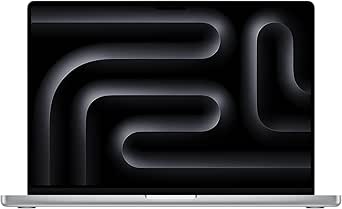 | Best for Enterprise Mobile Workstations | Processor: Apple M5 Pro, 18-core CPU and 20-core GPU | Display: 16.2-inch Liquid Retina XDR | Memory: 48GB unified memory | VIEW ON AMAZON | See Our Full Breakdown |
| Apple MacBook Pro Laptop with M5 Max, 16.2-inch Display, 128GB Memory, 2TB SSD, Space Black |  | Best for Compute-Intensive Specialist Teams | Processor: M5 Max, 18-core CPU and 40-core GPU | Display: 16.2-inch Liquid Retina XDR | Memory: 128GB unified memory | VIEW ON AMAZON | See Our Full Breakdown |
| Apple Mac Pro (Late 2013) Quad-Core 3.7GHz Xeon, 64GB RAM, 512GB SSD (Renewed) |  | Best for Legacy Mac Pro Workloads | Processor: Intel Xeon E5-1620v2, quad-core, 3.7GHz | Memory: 64GB DDR3 ECC SDRAM, 1866MHz | Storage: 512GB SSD | VIEW ON AMAZON | See Our Full Breakdown |
| Apple 2026 MacBook Pro Laptop with M5 Pro Chip, 14.2-inch Liquid Retina XDR Display, 24GB RAM, 1TB SSD, Wi-Fi 7, Silver |  | Best for Standard Mobile Staff | Processor: Apple M5 Pro, 15-core CPU and 16-core GPU | Display: 14.2-inch Liquid Retina XDR | Memory: 24GB unified memory | VIEW ON AMAZON | See Our Full Breakdown |
| Apple 2024 Mac mini Desktop Computer with M4 Pro Chip, 24GB Memory, 512GB SSD, Gigabit Ethernet |  | Best Compact Fixed-Desk Deployment | Processor: Apple M4 Pro, 12-core CPU and 16-core GPU | Memory: 24GB unified memory | Storage: 512GB SSD | VIEW ON AMAZON | See Our Full Breakdown |
| Mac mini with M4 10-core CPU and 10-core GPU, 24GB Memory, 1TB Storage | 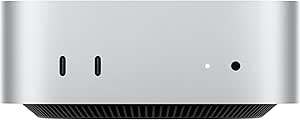 | Best Compact Desktop for Standardized Office Fleets | Processor: Apple M4, 10-core CPU and 10-core GPU | Memory: 24GB | Storage: 1TB SSD | VIEW ON AMAZON | See Our Full Breakdown |
| Apple 2023 MacBook Pro with M2 Max Chip, 14-inch, 32GB RAM, 1TB SSD, Space Gray (Renewed) |  | Best Renewed Mobile Workstation for Existing Apple Fleets | Display: 14-inch | Processor: Apple M2 Max | Memory: 32GB RAM | VIEW ON AMAZON | See Our Full Breakdown |
| mac pro for enterprise it deployment | Processor | Memory | Storage | Display |
|---|---|---|---|---|
| Apple 2026 MacBook Pro Laptop | Apple M5 Pro, 18-core CPU and 20-core GPU | 48GB unified memory | 1TB SSD | 16.2-inch Liquid Retina XDR |
| Apple MacBook Pro Laptop with | M5 Max, 18-core CPU and 40-core GPU | 128GB unified memory | 2TB SSD | 16.2-inch Liquid Retina XDR |
| Apple Mac Pro | Intel Xeon E5-1620v2, quad-core, 3.7GHz | 64GB DDR3 ECC SDRAM, 1866MHz | 512GB SSD | — |
| Apple 2026 MacBook Pro Laptop | Apple M5 Pro, 15-core CPU and 16-core GPU | 24GB unified memory | 1TB SSD | 14.2-inch Liquid Retina XDR |
| Apple 2024 Mac mini Desktop Co | Apple M4 Pro, 12-core CPU and 16-core GPU | 24GB unified memory | 512GB SSD | — |
| Mac mini with M4 10-core CPU a | Apple M4, 10-core CPU and 10-core GPU | 24GB | 1TB SSD | — |
| Apple 2023 MacBook Pro with M2 | Apple M2 Max | 32GB RAM | 1TB SSD | 14-inch |
More Details on Our Top Picks
Apple 2026 MacBook Pro Laptop with M5 Pro Chip, 16.2-inch Liquid Retina XDR Display, 48GB RAM, 1TB SSD, Wi-Fi 7, Silver
For IT teams equipping staff who need serious compute away from a desk, this 16.2-inch MacBook Pro offers a useful balance of memory, storage, and connectivity. Its 48GB unified memory gives demanding creative and AI workflows more headroom than the 14.2-inch M5 Pro model’s 24GB, while the larger display can make detailed work easier without an external monitor. Thunderbolt 5, HDMI, and SDXC also support varied desk and field setups. The tradeoff is portability: at 4.71 pounds, it is a substantial laptop to issue to frequent travelers. It also costs more to deploy than a fixed M4 Pro Mac mini, which may suit stationary teams better. I’d choose this for mobile specialists, not as a default endpoint for every employee.
Pros:- 48GB unified memory provides more capacity for demanding multitasking than the 14.2-inch M5 Pro model.
- M5 Pro with an 18-core CPU and 20-core GPU is specified for demanding professional workloads.
- Thunderbolt 5, HDMI, and SDXC support a range of enterprise peripherals and display setups.
- 16.2-inch Liquid Retina XDR display gives users a spacious built-in workspace.
Cons:- At 4.71 pounds, it is less convenient for frequent travel than smaller laptops.
- A laptop costs more to deploy as a fixed workstation than a compact desktop such as the M4 Pro Mac mini.
- The provided description does not specify real-world battery runtime or enterprise fleet-management features.
Best for: Enterprise creative and technical staff who need a high-memory Mac workstation that can move between office, client, and remote work locations.
Not ideal for: Organizations standardizing on lightweight travel laptops or buying fixed-desk systems in volume; its size and 48GB configuration may exceed everyday office needs.
- Processor:Apple M5 Pro, 18-core CPU and 20-core GPU
- Display:16.2-inch Liquid Retina XDR
- Memory:48GB unified memory
- Storage:1TB SSD
- Connectivity:Wi-Fi 7, Bluetooth 6, Thunderbolt 5, MagSafe 3, SDXC, HDMI, headphone jack
- Camera:12MP Center Stage
- Weight:4.71 pounds
Our verdict“Choose this for mobile enterprise specialists who need 48GB of memory and a large built-in display, but not for lightweight or desk-only fleets.”
Apple MacBook Pro Laptop with M5 Max, 16.2-inch Display, 128GB Memory, 2TB SSD, Space Black
This configuration is the lineup’s specialist workhorse: 128GB unified memory, a 40-core GPU, and 2TB of SSD storage target users whose projects can make lesser systems a bottleneck. For enterprise teams running memory-heavy creative, AI, or graphics workflows, that capacity can reduce the need to split work across machines. Compared with the 48GB M5 Pro MacBook Pro, it provides substantially more memory, GPU cores, and local storage; most office roles will not need that headroom. The same 16.2-inch size and all-day battery claim keep it usable as a mobile workstation, but the large chassis and high-end configuration make it a poor fleet default. I’d reserve it for named specialist roles with clear workload requirements, and verify software and device-management compatibility before standardizing.
Pros:- 128GB unified memory is the largest stated memory configuration among these products.
- M5 Max with a 40-core GPU targets GPU-intensive professional workloads.
- 2TB SSD offers more local workspace than the 1TB M5 Pro MacBook Pro configurations.
- Thunderbolt 5, HDMI, and SDXC provide flexible connections for workstation peripherals.
Cons:- Its high-end specification is excessive for many enterprise productivity roles.
- The 16.2-inch chassis is less convenient for frequent travel than the 14.2-inch M5 Pro model.
- The provided product data does not identify enterprise management or non-Apple software compatibility details.
Best for: Enterprise AI, graphics, and media specialists whose approved applications and project files call for very high memory, GPU capacity, and local storage.
Not ideal for: General office staff, broad laptop refreshes, or teams whose workloads fit the 48GB M5 Pro MacBook Pro; the extra capacity may go unused.
- Processor:M5 Max, 18-core CPU and 40-core GPU
- Display:16.2-inch Liquid Retina XDR
- Memory:128GB unified memory
- Storage:2TB SSD
- Battery life:Described as all-day; no runtime figure provided
- Ports:Three Thunderbolt 5, MagSafe 3, SDXC, HDMI, headphone jack
- Wireless:Wi-Fi 7, Bluetooth 6
Our verdict“Choose this for a small group of users with documented memory- and GPU-intensive workloads, not as a standard corporate laptop.”
Apple Mac Pro (Late 2013) Quad-Core 3.7GHz Xeon, 64GB RAM, 512GB SSD (Renewed)
This renewed Late 2013 Mac Pro is a niche fit for organizations that must retain older Mac Pro workflows or need a compact machine with legacy ports. Its 64GB ECC memory and dual FirePro D300 graphics distinguish it from the newer M-series systems here, but age sharply limits its appeal for a new enterprise deployment. The six Thunderbolt 2 ports and dual Gigabit Ethernet connections may help with existing infrastructure; they are not a substitute for the Thunderbolt 5 connectivity on the M5 Pro MacBook Pros. It ships with macOS Sierra, and the listed warranty is at least 90 days, so support lifecycle, security requirements, and application compatibility need careful review. I would not select it for a fresh fleet rollout; the Mac mini is a more current compact desktop choice.
Pros:- 64GB DDR3 ECC memory is specified for workloads where memory error handling matters.
- Six Thunderbolt 2 ports and dual Gigabit Ethernet may fit existing legacy equipment.
- Compact 12-inch cylindrical design takes less desk space than a conventional tower.
- Dual AMD FirePro D300 graphics are included.
Cons:- Ships with macOS Sierra, and the product data warns that newer macOS support may be limited.
- Older Thunderbolt 2 and USB 3.0 connections lag the M5-series laptops’ Thunderbolt 5 ports.
- Compact enclosure limits internal expansion, and the listed warranty is only a minimum of 90 days.
Best for: IT teams maintaining a legacy Mac workflow that specifically requires this Intel-era hardware, ECC memory, or Thunderbolt 2 connectivity.
Not ideal for: Organizations buying new general-purpose Macs, requiring current macOS support, or needing broad internal expansion and a long support horizon.
- Processor:Intel Xeon E5-1620v2, quad-core, 3.7GHz
- Memory:64GB DDR3 ECC SDRAM, 1866MHz
- Storage:512GB SSD
- Graphics:Dual AMD FirePro D300, 2GB GDDR5 each
- Connectivity:6x Thunderbolt 2, 4x USB 3.0, HDMI 1.4, 2x Gigabit Ethernet, Wi-Fi 802.11ac, Bluetooth 4.0
- Operating system:macOS Sierra
- Condition and warranty:Certified refurbished; minimum 90-day warranty
- Dimensions and weight:12 x 12 x 12 inches; 11 lbs
Our verdict“Consider this only to maintain a specific legacy Mac Pro environment; choose the M4 Pro Mac mini for a newer compact desktop deployment.”
Apple 2026 MacBook Pro Laptop with M5 Pro Chip, 14.2-inch Liquid Retina XDR Display, 24GB RAM, 1TB SSD, Wi-Fi 7, Silver
For organizations that need capable laptops without assigning every user a 16-inch workstation, this 14.2-inch M5 Pro MacBook Pro is the more manageable mobile option. It retains a 1TB SSD, Liquid Retina XDR display, and a stated M5 Pro chip, while its 24GB unified memory makes it a step below the 48GB 16.2-inch model for memory-heavy work. That distinction gives IT a practical way to reserve the larger configuration for demanding specialists instead of issuing it across a whole team. Three Thunderbolt 5 ports, HDMI, and SDXC support office docking and presentations. The tradeoff is less memory and a smaller work surface than its larger sibling, while the M4 Pro Mac mini makes more sense for staff who never need to travel with their computer.
Pros:- 14.2-inch size is a more compact mobile workstation format than the 16.2-inch M5 Pro model.
- M5 Pro chip with a 15-core CPU and 16-core GPU is specified for demanding professional tasks.
- 1TB SSD provides local storage for work files and applications.
- Three Thunderbolt 5 ports, HDMI, and SDXC support varied enterprise setups.
Cons:- 24GB unified memory is half the capacity of the 16.2-inch M5 Pro configuration.
- The smaller display offers less workspace for users who regularly work without an external monitor.
- Its laptop form factor may be unnecessary for permanently assigned desks.
Best for: Enterprise employees who need a portable professional Mac for office applications, meetings, and moderate creative or technical work.
Not ideal for: Specialists running memory-heavy workloads or desk-bound employees whose needs are better met by a fixed desktop such as the M4 Pro Mac mini.
- Processor:Apple M5 Pro, 15-core CPU and 16-core GPU
- Display:14.2-inch Liquid Retina XDR
- Memory:24GB unified memory
- Storage:1TB SSD
- Battery life:Described as all-day; no runtime figure provided
- Wireless:Wi-Fi 7, Bluetooth 6
- Ports:Three Thunderbolt 5, MagSafe 3, SDXC, HDMI, headphone jack
Our verdict“Choose this for mobile employees who need M5 Pro performance in a smaller package, and reserve the 48GB model for heavier workloads.”
Apple 2024 Mac mini Desktop Computer with M4 Pro Chip, 24GB Memory, 512GB SSD, Gigabit Ethernet
For a managed desk fleet, the M4 Pro Mac mini makes a different case from the MacBook Pros: it puts a 12-core CPU and 16-core GPU in a 5 x 5-inch desktop, without paying for a built-in display or battery. That can suit offices with existing monitors, keyboards, and docks, and its Gigabit Ethernet gives IT a wired network option. Compared with the renewed 2013 Mac Pro, it offers a newer M-series platform and a much smaller footprint, though it gives up the older system’s 64GB ECC memory and dual FirePro graphics. Its 24GB memory and 512GB SSD are more modest than the 48GB, 1TB 16.2-inch MacBook Pro configuration, and the compact design offers limited upgrade options. I’d choose it for fixed desks, not employees who need a computer they can carry.
Pros:- 5 x 5-inch dimensions fit into space-constrained desk setups.
- M4 Pro with a 12-core CPU and 16-core GPU targets demanding desktop workloads.
- Gigabit Ethernet offers a wired network connection.
- Thunderbolt, HDMI, and USB-C support common monitor and peripheral connections.
Cons:- 24GB memory and 512GB SSD provide less stated capacity than the 16.2-inch M5 Pro MacBook Pro.
- Compact design limits upgrade options.
- No built-in display or battery, so a full desk setup requires separate equipment.
Best for: IT departments equipping fixed desks with existing monitors and peripherals, especially where a compact footprint and wired Ethernet are useful.
Not ideal for: Mobile staff, users who need a built-in display, or specialists whose workloads require more than the listed 24GB memory and 512GB SSD.
- Processor:Apple M4 Pro, 12-core CPU and 16-core GPU
- Memory:24GB unified memory
- Storage:512GB SSD
- Connectivity:Thunderbolt, HDMI, USB-C, Gigabit Ethernet, headphone jack
- Dimensions:5 x 5 inches
- Form factor:Desktop computer
Our verdict“Choose this for fixed enterprise desks with existing displays and peripherals; choose a MacBook Pro for staff who need mobility.”
Mac mini with M4 10-core CPU and 10-core GPU, 24GB Memory, 1TB Storage
The Mac mini with M4 suits enterprise teams that want a small, desk-mounted macOS workstation without laptop hardware or a large tower. Its 24GB memory and 1TB SSD provide room for everyday business apps, local files, and multitasking, while Thunderbolt, HDMI, USB-C, and Ethernet give IT staff several ways to connect displays and peripherals. Compared with the 2024 Mac mini with M4 Pro, this model trades higher-end processing headroom for a more modest configuration; that makes it a better fit for routine office workloads than intensive media or compute tasks. Its compact footprint can simplify desk layouts, but the sealed mini desktop limits future upgrades, and there is no dedicated graphics option. I’d choose it for repeatable general-purpose deployments, not as a flexible workstation platform.
Pros:- Compact 5-by-5-inch design fits easily under a monitor or in space-constrained work areas.
- M4 chip and 24GB memory suit everyday multitasking and business software.
- 1TB SSD provides useful local capacity for apps and working files.
- Thunderbolt, HDMI, USB-C, and Ethernet support varied desk setups.
Cons:- Compact design leaves limited room for upgrades or internal expansion.
- No dedicated graphics option for demanding GPU workloads.
- Less processing headroom than the Mac mini with M4 Pro for intensive professional tasks.
Best for: Enterprise IT teams standardizing compact deskside Macs for office productivity, browser-based tools, and common business applications.
Not ideal for: Teams running sustained graphics, video, or compute-heavy workloads, or IT departments that need user-upgradeable memory and storage.
- Processor:Apple M4, 10-core CPU and 10-core GPU
- Memory:24GB
- Storage:1TB SSD
- Operating system:macOS
- Form factor:Mini desktop
- Color:Silver
- Connectivity:Thunderbolt, HDMI, USB-C, and Ethernet
Our verdict“Choose this Mac mini for compact, repeatable office deployments where standard business workloads matter more than expansion or workstation-class graphics.”
Apple 2023 MacBook Pro with M2 Max Chip, 14-inch, 32GB RAM, 1TB SSD, Space Gray (Renewed)
This renewed 14-inch MacBook Pro is the mobile choice for teams that need substantial local performance and a built-in display in one device. The M2 Max chip, 32GB RAM, and 1TB SSD suit demanding creative or technical work away from a desk, while its recycled-aluminum unibody keeps the design portable. Compared with the newer 2026 MacBook Pro with M5 Pro, this older renewed model has less current-generation hardware and carries added uncertainty around condition and warranty. Its appeal is access to a high-performance configuration for staff who need mobility, not a low-risk fleet standard. Battery health and warranty coverage deserve particular scrutiny before deployment, and the renewed status can complicate consistent support across a large device pool.
Pros:- M2 Max chip is suited to demanding mobile workloads.
- 32GB RAM supports heavier multitasking than the 24GB Mac mini configuration.
- 1TB SSD offers substantial local storage for active projects.
- 14-inch display and unibody aluminum design combine portability with a durable enclosure.
Cons:- Renewed status can mean limited warranty coverage and uncertain battery health.
- Older M2 Max hardware is less current than the 2026 M5 Pro MacBook Pro models in this roundup.
- Renewed-unit condition can make support and device consistency harder across enterprise deployments.
Best for: IT teams equipping a small number of mobile creative or technical staff who need a powerful MacBook Pro and can verify renewed-device condition and warranty terms.
Not ideal for: Large enterprise fleets that require uniform new hardware, predictable warranty coverage, or minimal variation in battery condition.
- Display:14-inch
- Processor:Apple M2 Max
- Memory:32GB RAM
- Storage:1TB SSD
- Color:Space Gray
- Design:Unibody recycled aluminum
- Condition:Renewed
Our verdict“Choose this renewed MacBook Pro for a small, mobile power-user group only when its condition, battery, and warranty are confirmed.”

How We Picked
I ranked these systems for enterprise deployment fit, not raw specifications alone. My criteria include platform age, memory and storage headroom, wired networking, mobility, suitability for shared or standardized roles, and the likely burden of support over a fleet’s lifecycle. A fast machine can still be a poor organizational choice if its age, configuration, or connectivity complicates procurement and ongoing management.
The M4 Pro Mac mini ranks first because its current desktop profile and specified Gigabit Ethernet make it a strong fixed-workstation candidate. The M5 Max MacBook Pro follows for users whose workloads merit its unusually high memory capacity; the M5 Pro laptops and standard M4 mini cover more common mobile and desktop roles. The older renewed models rank lower because their age and renewal status create added compatibility, condition, and lifecycle questions. This is a comparison of the listed configurations; buyers should confirm exact OS support, warranty coverage, ports, and network options before placing a fleet order.
Factors to Consider When Choosing Mac Pro For Enterprise It Deployments
Choosing Macs for a business fleet is less about finding one machine for everyone and more about matching roles to supportable configurations. I would settle deployment standards, network requirements, and replacement timing before comparing processor tiers.
Match the device to the employee role
Start by separating fixed-desk work from mobile and specialist work. A Mac mini can suit reception, shared workstations, or office roles where displays and peripherals are already provided, while a MacBook Pro is easier to issue to staff who move between rooms or sites. Avoid buying a premium laptop for a role that rarely leaves a desk; its screen and battery add little if it stays docked. At the other extreme, a desktop can create friction for staff who need to work off-site. Define a small set of role-based standards so support teams are not maintaining a different configuration for every employee.
Plan memory and storage around the service life
Memory and internal storage are difficult to treat as afterthoughts in a deployment plan. Estimate the applications, local data, and security tools each role will run, then allow for growth over the device’s intended service period. The 24GB configurations may fit general productivity roles, while 48GB or 128GB can make sense for heavier creative, development, or virtualization-related work when the software supports it. Larger capacity is not automatically better: unused headroom can divert resources from other fleet needs. Also decide whether data belongs on the endpoint, a managed cloud service, or a network share, since that changes the storage requirement.
Check wired and wireless networking before standardizing
Network details can affect deployment more than a small difference in processor performance. Fixed workstations, shared devices, and systems handling large files may benefit from wired Ethernet, while mobile laptops rely more heavily on wireless coverage and docking setups. Do not assume every configuration has the ports your environment needs; verify the exact model and plan adapters or docks as part of the standard build. Test network authentication, VPN access, endpoint security, and device enrollment on the intended connection types. A missing or awkward connection can add cost and support steps across an entire fleet.
Treat lifecycle support as a procurement requirement
For organization-wide purchasing, an endpoint’s remaining support window matters alongside its current capability. Older or renewed hardware can appear attractive on specifications, but its condition, warranty, repair options, and OS compatibility may vary. Set a minimum supported OS and a planned replacement horizon before considering refurbished equipment. Confirm that required business applications and security tools support the exact chip and OS combination. If those checks are uncertain, a current-generation system may be easier to standardize even when an older machine seems capable enough today.
Compare total deployment cost, not just the computer
A desktop’s purchase decision should include the display, keyboard, pointing device, dock, cables, and any network adapters employees need. Laptops bring their own display and battery, but may still require docks and external monitors at fixed desks. Standardizing accessories can reduce setup variation and simplify replacements, though it may not suit every department. Include imaging or enrollment labor, asset tracking, repair handling, and spare-device planning in your internal cost model. The least expensive computer configuration on paper may not be the least demanding one to support.
Keep deployment standards small but flexible
Offering too many configurations can complicate purchasing, inventory, security policy, and troubleshooting. A practical fleet might use one desktop standard, one general mobile standard, and a higher-capacity option for clearly defined specialist roles. Keep exceptions tied to documented software or workload needs rather than personal preference alone. Before committing, pilot the standards with representative users and validate enrollment, updates, peripherals, and recovery procedures. That process can reveal whether a configuration works across real departments without turning the fleet into a collection of one-off builds.
Frequently Asked Questions
Is the renewed 2013 Mac Pro a sensible choice for a new enterprise deployment?
I would treat it as a specialist legacy purchase, not a general fleet standard. Its Xeon processor, 64GB RAM, and 512GB SSD do not settle whether current operating systems, business applications, security tools, or management workflows will support it. Renewed condition and warranty terms also need separate verification. It may fit a controlled environment that depends on known legacy software, but buyers should test that workload and document a replacement plan before deployment.
Should I choose a Mac mini or a MacBook Pro for employees who usually work at a desk?
A Mac mini can be a better fit when employees stay at one location and the organization already supplies displays and input devices. A MacBook Pro is more useful when staff move between offices, meetings, or home workspaces, even if it spends much of the day docked. Compare the full setup rather than the computer alone, including docks, monitors, and spare accessories. Also check whether the laptop’s mobility justifies the extra device flexibility for that role.
Is 24GB of memory enough for a standard business Mac?
It can be a reasonable starting point for common productivity, communications, and browser-based work, but the answer depends on the applications and the fleet’s planned service life. Check memory use under the organization’s actual security and management software, not just the primary office applications. Roles using large project files, demanding creative tools, or multiple resource-heavy apps may need more headroom. I would define a separate specialist configuration rather than over-specifying every employee’s device.
What should I verify before buying renewed Macs for a company?
Confirm the exact model and configuration, battery or component condition where applicable, seller warranty, return terms, and availability of repair support. Then validate OS eligibility, required application compatibility, enrollment, security tooling, and peripheral support. Ask how units are graded and whether serial numbers and asset records will be available for procurement controls. A renewed device should meet the same deployment tests as a new one, with added attention to its support horizon and replacement plan.
Should I standardize on one Mac configuration across the whole organization?
One standard can simplify provisioning, accessory stocking, and troubleshooting, but it may force mobile or specialist teams into poor fits. A small number of role-based configurations often balances support simplicity with real workload differences. Set clear eligibility rules for higher-memory or mobile systems so exceptions remain predictable. Pilot each standard with representative users and record the applications, accessories, and network conditions it must support before scaling up.
Conclusion
For most fixed-location enterprise roles, I would choose the M4 Pro Mac mini as the best overall, particularly where Gigabit Ethernet and a desktop setup fit the environment. The best value for straightforward desktop work is the standard M4 Mac mini, provided its network needs and accessory bundle check out. For demanding mobile users, the M5 Max MacBook Pro is the best premium pick; teams with more typical workloads can choose the 14-inch M5 Pro as a more compact mobile standard, while the 16-inch M5 Pro offers more listed memory and a larger display. The best choice for beginners building a small Mac fleet is the M4 Pro Mac mini, paired with a standard set of monitors and peripherals. I would reserve the renewed M2 Max for verified, workload-specific needs and the 2013 Mac Pro for supported legacy environments—not as default choices for a new enterprise rollout.
Halloween Picks
halloween
As an affiliate, we earn on qualifying purchases.