

For those seeking the ultimate control over their smart homes, premium smart home hubs offer advanced features, extensive device compatibility, and seamless automation. The Homey Pro stands out as the best overall choice for its versatility and robust protocol support. The Lutron Caseta offers superior lighting control, while the SmartThings Hub 3rd Generation provides a balanced mix of compatibility and ease of use. However, choosing the right hub involves tradeoffs like complexity versus simplicity, cost versus features, and compatibility with existing devices. Continue reading for a detailed breakdown to find the best fit for your smart home ambitions.

Turn quiet afternoons into listening time
- Thousands of audiobooks, podcasts and originals
- Listen on your phone, tablet or Echo — also offline
- Cancel anytime
Complete the kit


Key Takeaways
- Versatility in protocol support, especially Zigbee, Z-Wave, and Matter, is a key differentiator among premium hubs.
- The best overall hubs balance advanced automation features with user-friendly setup and management.
- Compatibility with multiple voice assistants, like Alexa, Google Assistant, and Siri, expands the hub’s usability.
- Build quality and future-proofing (support for emerging standards) are important for long-term investment.
- More expensive hubs often offer broader protocol support and more robust automation but may be overkill for simple setups.
| Philips Hue Bridge Pro Smart Lighting Hub |  | Best for Serious Lighting Setups | Processor: Hue Chip Pro, quad-core Cortex-A35, 1.7 GHz | Memory: 4 GB DDR4 SDRAM | Capacity: 150+ lights, 50+ accessories, 500 scenes | VIEW ON AMAZON | See Our Full Breakdown |
| SONOFF Bridge Max Smart Home Hub |  | Best Value for Tinkerers | Protocols: Zigbee, Wi-Fi, BTHome, eWeLink, Matter bridge | Wi-Fi: IEEE 802.11a/b/g/n/ac/ax | Wired Connectivity: Ethernet | VIEW ON AMAZON | See Our Full Breakdown |
| Homey Pro mini | Smart Home Hub |  | Best Overall | Protocols: Zigbee, Thread, Matter, Ethernet (Z-Wave, Bluetooth, IR via Homey Bridge add-on) | Brand Support: 1000+ brands via Homey Apps | Voice Assistants: Alexa, Google Assistant, Siri | VIEW ON AMAZON | See Our Full Breakdown |
| Lutron Caseta Smart Hub | 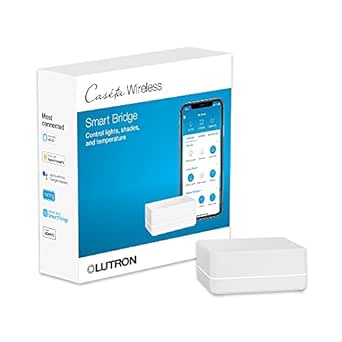 | Best for Rock-Solid Reliability | Wireless Protocol: Lutron Clear Connect (dedicated RF) | Device Capacity: Up to 75 Caseta devices | Compatibility: Alexa, Apple HomeKit, Google Assistant, Ring, Sonos, Samsung SmartThings, Serena shades | VIEW ON AMAZON | See Our Full Breakdown |
| SmartThings Hub 3rd Generation |  | Best Ecosystem on a Budget | Protocols: Zigbee, Z-Wave, Wi-Fi, cloud-to-cloud | Voice Assistants: Amazon Alexa, Google Home | Platform: Samsung SmartThings app | VIEW ON AMAZON | See Our Full Breakdown |
| Aeotec Smart Home Hub (SmartThings, Z-Wave, Zigbee, Matter Gateway) |  | Best Overall Smart Home Hub | Weight: 1.1 pounds | Color: White | Connectivity: Ethernet, Wi-Fi, Z-Wave, Zigbee, Matter | VIEW ON AMAZON | See Our Full Breakdown |
| ecobee Smart Thermostat Premium with Smart Sensor |  | Best for Energy Efficiency and Home Comfort | Connectivity: WiFi | Voice Assistants: Siri, Alexa | Certification: ENERGY STAR | VIEW ON AMAZON | See Our Full Breakdown |
| Home Assistant Green Smart Home Hub |  | Best for Privacy-Conscious DIY Enthusiasts | RAM: 4 GB | Storage: 32 GB | Processor: Quad-core | VIEW ON AMAZON | See Our Full Breakdown |
| Aqara Smart Home Hub M3 – Matter Controller, Zigbee, Thread Border Router & IR Blaster |  | Best for Multi-Protocol Integration and IR Control | Protocols: Zigbee, Thread, Matter, Bluetooth | Connectivity: Dual-band Wi-Fi, PoE, USB-C | Device Capacity: Up to 127 Zigbee and 127 Thread devices | VIEW ON AMAZON | See Our Full Breakdown |
| Hubitat Elevation C-8 Pro Smart Home Hub |  | Best for Local Automation Power Users | Processor: 2.0 GHz | RAM: 2 GB | Connectivity: Wi-Fi, Ethernet, Z-Wave 800 Series, Zigbee 3.0, Matter 1.5, Bluetooth | VIEW ON AMAZON | See Our Full Breakdown |
| Amazon Echo Hub (Newest Model) – 8″ Smart Home Control Panel with Alexa+ |  | Best Overall Smart Home Hub for Versatility and Integration | Screen Size: 8 inches | Assistant: Alexa+ | Connectivity: WiFi, Bluetooth, Zigbee, Matter, Sidewalk, Thread | VIEW ON AMAZON | See Our Full Breakdown |
| ON-Q Intuity Home Automation Kit with Z-Wave & RFLC Bridge (HA7424) |  | Best for Custom Z-Wave and RF Lighting Integration | Model: HA7424 | ASIN: B01E4JP6AG | Protocols: Z-Wave, RFLC | VIEW ON AMAZON | See Our Full Breakdown |
| premium smart home hub | Protocols | Connectivity |
|---|---|---|
| Philips Hue Bridge Pro Smart L | Zigbee, Matter | — |
| SONOFF Bridge Max Smart Home H | Zigbee, Wi-Fi, BTHome, eWeLink, Matter bridge | — |
| Homey Pro mini | Smart Home Hu | Zigbee, Thread, Matter, Ethernet (Z-Wave, Bluetooth, IR via Homey Bridge add-on) | — |
| Lutron Caseta Smart Hub | — | — |
| SmartThings Hub 3rd Generation | Zigbee, Z-Wave, Wi-Fi, cloud-to-cloud | — |
| Aeotec Smart Home Hub | — | Ethernet, Wi-Fi, Z-Wave, Zigbee, Matter |
| ecobee Smart Thermostat Premiu | — | WiFi |
| Home Assistant Green Smart Hom | — | Ethernet, USB |
| Aqara Smart Home Hub M3 | Zigbee, Thread, Matter, Bluetooth | Dual-band Wi-Fi, PoE, USB-C |
| Hubitat Elevation C-8 Pro Smar | — | Wi-Fi, Ethernet, Z-Wave 800 Series, Zigbee 3.0, Matter 1.5, Bluetooth |
| Amazon Echo Hub | — | WiFi, Bluetooth, Zigbee, Matter, Sidewalk, Thread |
| ON-Q Intuity Home Automation K | Z-Wave, RFLC | — |
More Details on Our Top Picks
Philips Hue Bridge Pro Smart Lighting Hub
This option stands out as the most lighting-focused hub in the lineup, and that focus is exactly why it earns a spot. With a quad-core 1.7 GHz chip and 4 GB of memory, it handles 150+ lights and 50+ accessories without the slowdowns that plague older bridges, and it stores up to 500 scenes — headroom that matters if you’ve outgrown the original Hue Bridge. Compared with the Homey Pro mini, it’s far narrower in scope: this is a lighting brain, not a whole-home platform. But for lighting specifically, features like MotionAware (turning ordinary Hue bulbs into motion sensors) and Matter certification give it capabilities Lutron’s Caseta hub can’t touch. The tradeoff is real — it’s a premium price for a single-ecosystem device, and serious automation still lives behind a Hue subscription.
Pros:- Quad-core 1.7 GHz processor keeps large installations responsive
- Supports 150+ lights and 50+ accessories with 500 stored scenes
- MotionAware eliminates the need for separate motion sensors
- Matter-certified with Zigbee mesh that works during Wi-Fi outages
Cons:- Premium price for a single-brand lighting ecosystem
- Advanced automations still require a paid Hue subscription
- Only controls Philips Hue devices, unlike multi-protocol rivals
Best for: Hue owners with 50+ lights who want maximum speed, scene capacity, and security features
Not ideal for: Buyers wanting one hub for locks, sensors, and thermostats — this only speaks Hue
- Processor:Hue Chip Pro, quad-core Cortex-A35, 1.7 GHz
- Memory:4 GB DDR4 SDRAM
- Capacity:150+ lights, 50+ accessories, 500 scenes
- Protocols:Zigbee, Matter
- Compatibility:Apple Home, Alexa, Google Home, Samsung SmartThings
- Dimensions:3.68 x 3.68 x 1.06 inches
- Power:Corded electric, 5W
Our verdict“If Hue lighting is the backbone of your smart home and you’ve hit the old bridge’s limits, this is the upgrade worth paying for.”
SONOFF Bridge Max Smart Home Hub
This pick makes the most sense for buyers who want local control and Matter bridging without the premium price of a Homey Pro mini or Hubitat Elevation. The local web console is the headline: unlike the SmartThings Hub, which leans on Samsung’s cloud, configuration here happens entirely on-device, and Home Assistant integration via MQTT means your automations keep running even when the internet doesn’t. The built-in 90 dB alarm adds a security angle most hubs at this price skip — pair it with cheap Zigbee sensors and you have a DIY alarm system. The tradeoff is polish. Setup for MQTT and Home Assistant assumes some technical comfort, and unlike the Hue Bridge Pro’s turnkey experience, you’ll spend an evening getting this dialed in.
Pros:- Bridges Zigbee, BTHome, and eWeLink devices into Matter platforms
- Fully local web console — no cloud account or app required
- Home Assistant support via MQTT with offline reliability
- Built-in 90 dB siren creates a budget local security system
Cons:- MQTT and Home Assistant configuration requires technical skill
- Security features require separately purchased Zigbee sensors
- Wi-Fi and app experience feel less refined than mainstream rivals
Best for: DIY-minded buyers and Home Assistant users who want a cheap, local, Matter-capable Zigbee bridge
Not ideal for: Anyone who wants an app-guided, plug-and-play setup — this rewards technical patience
- Protocols:Zigbee, Wi-Fi, BTHome, eWeLink, Matter bridge
- Wi-Fi:IEEE 802.11a/b/g/n/ac/ax
- Wired Connectivity:Ethernet
- Home Assistant:Supported via MQTT
- Built-in Alarm:90 dB siren
- Voltage:5V
- Weight:2.88 ounces
Our verdict“The most capability-per-dollar on this list, provided you’re comfortable rolling up your sleeves.”
Homey Pro mini | Smart Home Hub
Of everything in this roundup, this model comes closest to justifying the word premium. It speaks Zigbee, Thread, Matter, and Ethernet out of the box (with Z-Wave, Bluetooth, and infrared available via an add-on bridge), works with 1000+ brands, and — unlike most rivals — includes cloud features and voice assistant integrations with no subscription. Where the Lutron Caseta hub controls one ecosystem brilliantly and the Hue Bridge Pro does lighting only, this option aims to be the single box running your entire home. Local processing means automations survive internet outages, and Homey Flow offers depth that casual users may never fully explore. The compromises: it’s one of the pricier hubs here, and unlocking Z-Wave — which the SmartThings Hub v3 includes natively — costs extra. For whole-home buyers, that trade still favors Homey.
Pros:- Multi-protocol support: Zigbee, Thread, Matter, Ethernet, plus optional Z-Wave, Bluetooth, IR
- Works with 1000+ brands including Sonos, Hue, Yale, and Ecobee
- No subscription for any feature, including cloud and voice assistants
- Local processing keeps everything running during outages
Cons:- Premium price that climbs further if you need Z-Wave or Bluetooth
- Smaller community than Home Assistant or SmartThings
- Advanced Flow automations carry a learning curve
Best for: Whole-home automators with mixed brands who want one local, subscription-free platform
Not ideal for: Budget buyers or lighting-only users — a Hue or Lutron hub does that job for far less
- Protocols:Zigbee, Thread, Matter, Ethernet (Z-Wave, Bluetooth, IR via Homey Bridge add-on)
- Brand Support:1000+ brands via Homey Apps
- Voice Assistants:Alexa, Google Assistant, Siri
- Processing:Local, with local or cloud backups
- Subscription:None — all features included
- Automation:Homey Flow (mobile and desktop)
Our verdict“The closest thing to a do-everything hub — buy it if your home spans multiple brands and you never want a monthly bill.”
Lutron Caseta Smart Hub
This model is better suited to buyers who value dependability over flexibility. Lutron’s Clear Connect protocol runs on dedicated wireless that never fights with your Wi-Fi — a real advantage over Wi-Fi-congested setups — and the hub scales to 75 devices with scheduling, scenes, and geofencing that simply work. Compared with the SONOFF Bridge Max, there’s zero tinkering: plug it into the router, open the app, done. Compatibility runs impressively wide for control — Alexa, HomeKit, Google, Ring, Sonos, SmartThings. The catch is equally clear: unlike the Homey Pro mini or SmartThings Hub, it only controls Lutron Caseta devices. Every dimmer, switch, and Serena shade costs extra, and the ecosystem adds up fast. What you’re buying isn’t versatility; it’s a lighting system that never glitches.
Pros:- Clear Connect wireless never interferes with Wi-Fi
- Broad platform support: Alexa, HomeKit, Google, Ring, Sonos, SmartThings
- Gigantically reliable scheduling, scenes, and geofencing
- Scales to 75 Caseta devices with effortless setup
Cons:- Controls only Lutron Caseta products — nothing else pairs to it
- Requires a wired Ethernet connection to the router
- Lutron switches and dimmers carry a premium price
Best for: Homeowners prioritizing flawless lighting control and simplicity over device variety
Not ideal for: Multi-brand households — sensors, locks, and non-Lutron devices need a second hub
- Wireless Protocol:Lutron Clear Connect (dedicated RF)
- Device Capacity:Up to 75 Caseta devices
- Compatibility:Alexa, Apple HomeKit, Google Assistant, Ring, Sonos, Samsung SmartThings, Serena shades
- Setup:Plug into outlet, connect to router via Ethernet, free Lutron app
- Automation Features:Scheduling, scenes, geofencing
- Brand:Lutron Caseta
Our verdict“If lights are the core of your smart home and failure isn’t an option, this is the most dependable hub here — just accept its single-brand limits.”
SmartThings Hub 3rd Generation
This pick makes the most sense for buyers who want multi-protocol breadth at a mid-range price. With Zigbee, Z-Wave, and cloud-to-cloud support built in — protocols the Homey Pro mini charges extra to unlock — it pairs an enormous range of sensors, locks, and switches into one app with Alexa and Google voice control. Compared with the Lutron Caseta hub, it’s a generalist: where Lutron does one thing perfectly, this hub does dozens of things well, from door-triggered lights to whole-home monitoring. Against the SONOFF Bridge Max, it trades local-first privacy and tinkering freedom for a polished app and gentler setup. The honest tradeoff: Samsung’s cloud dependence means automations can hiccup when the internet drops or Samsung changes policy — a weakness the Aeotec hub and Home Assistant crowd never stop pointing out.
Pros:- Native Zigbee, Z-Wave, and cloud-to-cloud support in one hub
- Mature app with polished automation builder and device library
- Alexa and Google Home compatibility included
- Affordable entry point for whole-home coverage
Cons:- Cloud-dependent — many automations fail during internet outages
- Older generation with an aging processor compared with newer hubs
- Samsung has a history of sunwalking legacy features and integrations
Best for: Budget-conscious builders mixing Zigbee and Z-Wave devices who want an easy, app-driven experience
Not ideal for: Privacy-first or offline-reliant users — most routines depend on Samsung’s cloud
- Protocols:Zigbee, Z-Wave, Wi-Fi, cloud-to-cloud
- Voice Assistants:Amazon Alexa, Google Home
- Platform:Samsung SmartThings app
- Automation:Device-triggered routines (doors, presence, schedules)
- Replacement Note:Succeeded by Aeotec Smart Home Hub for SmartThings
- Color:White
Our verdict“The cheapest credible path to a multi-protocol smart home, as long as cloud reliance doesn’t bother you.”
Aeotec Smart Home Hub (SmartThings, Z-Wave, Zigbee, Matter Gateway)
The Aeotec Smart Home Hub stands out for its extensive protocol support, including Z-Wave Plus, Zigbee, Matter, and Wi-Fi, making it highly versatile for integrating a wide range of devices. Unlike the Home Assistant Green, which relies on user setup and separate USB dongles for Zigbee/Z-Wave, the Aeotec offers a more streamlined, plug-and-play experience, though it requires the SmartThings ecosystem and is limited to North America. Many automations run locally, boosting reliability and speed, but its dependency on the SmartThings platform means potential ecosystem lock-in. If you prioritize broad protocol compatibility and ease of use, this hub delivers strong value, though it’s best suited for North American users with existing SmartThings setups or plans to adopt their ecosystem.
Pros:- Supports Z-Wave Plus, Zigbee, Matter, and Wi-Fi for broad device compatibility
- Works with both Alexa and Google Assistant for voice control
- Many automations run locally for increased speed and reliability
- Easy setup via the SmartThings app with wired Ethernet or Wi-Fi
Cons:- Requires a SmartThings ecosystem and account, adding a layer of setup complexity
- Limited Z-Wave support to V3 model, potentially restricting some devices
- Designed primarily for North American markets, limiting global usability
Best for: Homeowners who want a flexible, easy-to-set-up hub that supports multiple protocols and works seamlessly with Alexa and Google Assistant.
Not ideal for: Users outside North America or those seeking a platform-agnostic solution without ecosystem restrictions, as it requires a SmartThings account and regional limitations.
- Weight:1.1 pounds
- Color:White
- Connectivity:Ethernet, Wi-Fi, Z-Wave, Zigbee, Matter
- Frequency:908.42 MHz
- Control Method:App, Voice
- Compatible Assistants:Amazon Alexa, Google Assistant
Our verdict“Ideal for users seeking broad protocol support and reliable automations within the SmartThings ecosystem in North America.”
ecobee Smart Thermostat Premium with Smart Sensor
The ecobee Smart Thermostat Premium excels at providing intelligent temperature management, with built-in Siri and Alexa voice controls, plus a SmartSensor for room-specific comfort. Compared with the Hubitat Elevation C-8 Pro, which focuses on local automation and multi-protocol support, the ecobee emphasizes energy savings and user-friendly features like air quality monitoring and occupancy-based adjustments. Its DIY-friendly installation options, including a Power Extender Kit, make setup accessible, but its advanced security features and doorbell streaming require additional subscriptions. This thermostat makes the most sense for homeowners who prioritize energy efficiency and integrated voice control, especially if they already have a smart home hub or system like Apple HomeKit or Alexa.
Pros:- Up to 26% energy savings through occupancy-based temperature adjustments
- Built-in Siri and Alexa voice controls with smart speaker functionality
- Includes SmartSensor for precise, room-by-room comfort
- Easy DIY installation with Power Extender Kit for homes without a C-wire
Cons:- Advanced security features and doorbell streaming require a subscription
- Siri functionality depends on an Apple home hub, adding complexity
- Limited to HVAC control, not a full smart home hub
Best for: Homeowners seeking a smart thermostat that combines energy savings, air quality insights, and voice control, with easy DIY installation.
Not ideal for: Users who want a purely security-focused device or those who don’t want to manage subscriptions for advanced features like doorbell streaming.
- Connectivity:WiFi
- Voice Assistants:Siri, Alexa
- Certification:ENERGY STAR
- HVAC Compatibility:95% of systems
- Included Accessories:SmartSensor, Power Extender Kit
- Energy Savings:Up to 26%
Our verdict“Best suited for homeowners aiming to optimize energy use and comfort with integrated voice control and simple installation.”
Home Assistant Green Smart Home Hub
The Home Assistant Green is tailored for users who prefer full local control, with Home Assistant OS pre-installed, making setup straightforward—just plug in power and Ethernet. Its compact, fanless design offers silent operation, and with a quad-core processor plus 4GB RAM, it handles complex automations efficiently. Compared to the Hubitat Elevation C-8 Pro, which offers more protocol support but requires USB dongles, the Green emphasizes simplicity and privacy with local data storage and expandability through USB ports. The need for Ethernet and separate USB devices for Z-Wave/Zigbee may be a barrier for some, but this hub is ideal for tech-savvy users who prioritize privacy and want a customizable, locally controlled smart home system.
Pros:- Pre-installed Home Assistant OS for quick setup
- Local data storage enhances privacy and security
- Compact, silent, fanless design saves space and reduces noise
- USB expandability supports Z-Wave, Zigbee, and Thread
Cons:- Requires Ethernet connection, with no built-in Wi-Fi
- Additional USB dongles needed for Z-Wave, Zigbee, and Thread support
- More hands-on setup compared to turnkey solutions
Best for: DIY enthusiasts who want a powerful, privacy-focused hub with local control and expandability.
Not ideal for: Users seeking a plug-and-play solution with built-in Wi-Fi or those uncomfortable with configuring USB dongles for protocol support.
- RAM:4 GB
- Storage:32 GB
- Processor:Quad-core
- Connectivity:Ethernet, USB
- Operating System:Home Assistant OS
- Wireless Compatibility:Bluetooth
Our verdict“Ideal for advanced users seeking a customizable, privacy-oriented hub with local processing and expandability.”
Aqara Smart Home Hub M3 – Matter Controller, Zigbee, Thread Border Router & IR Blaster
The Aqara Hub M3 offers a compelling blend of multi-protocol support, including Zigbee, Thread, and Matter, making it a versatile choice for expanding smart home ecosystems. Its local edge-based automations outperform cloud-dependent hubs like the SmartThings Hub 3rd Gen in speed and privacy, especially with encrypted local storage. The integrated IR blaster adds unique control over traditional entertainment devices, while dual-band Wi-Fi, PoE, and USB-C backup power enhance reliability. However, it doesn’t support third-party Zigbee devices directly, and its Matter and IR functionalities have some limitations. This hub suits users who want a highly flexible, privacy-conscious device capable of managing multiple protocols and IR commands in a compact form.
Pros:- Supports Zigbee, Thread, and Matter with local automations for speed and privacy
- Includes IR blaster with learning capabilities for remote control
- Flexible connectivity options like PoE and USB-C for backup power
- Encrypted local storage enhances privacy
Cons:- Does not support third-party Zigbee devices directly, limiting ecosystem flexibility
- Power adapter not included, requiring a 2A USB adapter
- Matter and IR features are limited, with only one AC device exposed
Best for: Tech-savvy homeowners wanting multi-protocol device support, local automations, and IR control for entertainment systems.
Not ideal for: Casual users seeking a plug-and-play hub with broad third-party Zigbee device support or those needing full Matter device exposure.
- Protocols:Zigbee, Thread, Matter, Bluetooth
- Connectivity:Dual-band Wi-Fi, PoE, USB-C
- Device Capacity:Up to 127 Zigbee and 127 Thread devices
- Storage:8GB encrypted local storage
- Dimensions:4.41 x 4.41 x 1.26 inches
- Warranty:12 months
Our verdict“Best for users seeking a multi-protocol, privacy-focused hub with IR capabilities in a versatile, compact package.”
Hubitat Elevation C-8 Pro Smart Home Hub
The Hubitat Elevation C-8 Pro delivers on local processing, supporting Z-Wave 800 Series, Zigbee 3.0, Matter 1.5, and Bluetooth, enabling fast, reliable automations even without internet. Compared to the Home Assistant Green, which requires manual configuration and USB dongles, the Hubitat offers a more user-friendly interface with extensive device compatibility and no mandatory subscriptions. Its design accommodates a wide array of devices from over 100 brands, making it a favorite for those who value privacy and independence from cloud services. However, its setup can involve a learning curve, and some automation features require deeper technical understanding. This hub is perfect for power users looking for robust local control and broad protocol support, with ongoing software updates and active community support.
Pros:- Local processing ensures fast automations even during internet outages
- Supports Z-Wave 800 Series, Zigbee 3.0, Matter 1.5, and Bluetooth
- No mandatory subscription with free software updates
- Compatible with Alexa, Google, Apple HomeKit, and Ring
Cons:- Setup can be complex for less technical users
- Some integrations and advanced automation tools require configuration and learning
- Requires Ethernet connection; no built-in Wi-Fi
Best for: Experienced smart home enthusiasts seeking a reliable, local automation hub supporting multiple protocols without ongoing fees.
Not ideal for: Beginners or users preferring plug-and-play solutions, as it demands technical setup and understanding of automation tools.
- Processor:2.0 GHz
- RAM:2 GB
- Connectivity:Wi-Fi, Ethernet, Z-Wave 800 Series, Zigbee 3.0, Matter 1.5, Bluetooth
- Antennas:External Zigbee and Z-Wave antennas
- Dimensions:2.95 x 3.23 x 0.67 inches
- Weight:2.56 ounces
Our verdict“Best suited for experienced users who want a powerful, local automation hub supporting multiple protocols with ongoing updates.”
Amazon Echo Hub (Newest Model) – 8″ Smart Home Control Panel with Alexa+
The Amazon Echo Hub stands out for its expansive compatibility, supporting WiFi, Bluetooth, Zigbee, Matter, Sidewalk, and Thread—making it a flexible choice compared to the Homey Pro mini, which emphasizes Zigbee, Z-Wave, and Matter but lacks a dedicated display. Its 8-inch customizable dashboard offers quick access to device controls, camera feeds, and routines, streamlining everyday interactions. The built-in smart home hub eliminates the need for an additional device, simplifying setup for most users. However, advanced features like Ring camera summaries depend on a paid subscription, and accessories such as the stand or PoE adapter are sold separately, adding to the cost. The absence of a battery means it must stay plugged in, limiting placement options. Overall, this hub is ideal for users seeking a sleek, all-in-one control panel with broad ecosystem support, but those wanting a more budget-friendly or portable solution may find it less appealing.
Pros:- Supports a wide range of protocols including Zigbee, Matter, and Thread for maximum device compatibility
- Large, customizable 8-inch display for easy control and monitoring
- Built-in hub simplifies setup, reducing clutter and complexity
- Made with recycled materials and sustainable packaging
Cons:- Key accessories like stand and PoE adapter are sold separately, increasing total cost
- Advanced security features require a paid Ring subscription
- No internal battery, limiting placement flexibility
Best for: Homeowners who want a highly integrated, voice-enabled control panel with extensive device compatibility.
Not ideal for: Those seeking a portable, battery-powered device or a budget-conscious starter hub.
- Screen Size:8 inches
- Assistant:Alexa+
- Connectivity:WiFi, Bluetooth, Zigbee, Matter, Sidewalk, Thread
- Built-in Hub:Yes
- Mounting:Wall mountable (stand sold separately)
- Power Options:Standard outlet, in-wall cable pass-through, PoE (sold separately)
- Privacy Features:Mic off button, multiple privacy controls
- Recycled Materials:27%
- Packaging:97% recycled/wood fiber-based
Our verdict“This hub makes the most sense for users wanting a central, versatile smart home control panel with broad protocol support and a sleek interface.”
ON-Q Intuity Home Automation Kit with Z-Wave & RFLC Bridge (HA7424)
The ON-Q Intuity Kit caters to users who prioritize integrating Z-Wave and RF lighting controls into a structured home wiring setup. Compared with the Amazon Echo Hub, which offers broad device compatibility via WiFi and Zigbee, the Intuity focuses on deep integration within Legrand’s ecosystem, making it ideal for those with existing Legrand or ON-Q infrastructure. Its control through the intuitive app supports remote management, but full functionality hinges on a compatible Legrand/ON-Q ecosystem, and installation may require professional assistance, especially in complex wiring environments. While it excels in customizing RF lighting scenes, it lacks the broad protocol support and visual interface of the Echo Hub. This solution suits those with a structured wiring setup seeking highly customizable lighting and Z-Wave control, but it’s less suitable for casual or wireless-only smart homes.
Pros:- Supports remote control via the dedicated Intuity app for iOS and Android
- Enables detailed customization of RF lighting scenes
- Integrates third-party Z-Wave devices for expanded automation options
- Works seamlessly with existing Legrand/ON-Q wiring and components
Cons:- Full functionality depends on a compatible Legrand/ON-Q ecosystem, limiting flexibility
- Setup can be complex and may require professional installation
- Lacks a visual interface or display for immediate device management
Best for: Homeowners with Legrand or ON-Q systems seeking tailored Z-Wave and RF lighting automation.
Not ideal for: Buyers without existing Legrand/ON-Q infrastructure or those preferring wireless, plug-and-play hubs.
- Model:HA7424
- ASIN:B01E4JP6AG
- Protocols:Z-Wave, RFLC
- App Compatibility:iOS, Android
- Control Type:Remote via app
- Integration:Legrand RF lighting, Z-Wave devices
Our verdict“This kit is best suited for users invested in Legrand/ON-Q systems who want precise control over Z-Wave and RF lighting, but it’s less ideal for those seeking a simple, all-in-one smart hub.”
How We Picked
Our evaluation focused on core performance factors such as protocol support, ease of installation, and automation capabilities. We prioritized hubs that support Zigbee, Z-Wave, and Matter, as these are vital for interoperability with a wide range of smart devices. Usability was key, so we examined setup complexity, app stability, and user interface quality. Build quality and future-proofing, like support for upcoming standards, also influenced the rankings. Cost was considered relative to feature set, ensuring each pick offers clear value for its price point. Ultimately, these criteria highlight which hubs are most likely to serve both current and future smart home needs effectively.
| premium smart home hub | Protocols | Connectivity |
|---|---|---|
| Philips Hue Bridge Pro Smart L | Zigbee, Matter | — |
| SONOFF Bridge Max Smart Home H | Zigbee, Wi-Fi, BTHome, eWeLink, Matter bridge | — |
| Homey Pro mini | Smart Home Hu | Zigbee, Thread, Matter, Ethernet (Z-Wave, Bluetooth, IR via Homey Bridge add-on) | — |
| Lutron Caseta Smart Hub | — | — |
| SmartThings Hub 3rd Generation | Zigbee, Z-Wave, Wi-Fi, cloud-to-cloud | — |
| Aeotec Smart Home Hub | — | Ethernet, Wi-Fi, Z-Wave, Zigbee, Matter |
| ecobee Smart Thermostat Premiu | — | WiFi |
| Home Assistant Green Smart Hom | — | Ethernet, USB |
| Aqara Smart Home Hub M3 | Zigbee, Thread, Matter, Bluetooth | Dual-band Wi-Fi, PoE, USB-C |
| Hubitat Elevation C-8 Pro Smar | — | Wi-Fi, Ethernet, Z-Wave 800 Series, Zigbee 3.0, Matter 1.5, Bluetooth |
| Amazon Echo Hub | — | WiFi, Bluetooth, Zigbee, Matter, Sidewalk, Thread |
| ON-Q Intuity Home Automation K | Z-Wave, RFLC | — |
Factors to Consider When Choosing Premium Smart Home Hubs
Choosing a premium smart home hub involves more than just compatibility. Here are key factors that can significantly influence your experience and investment longevity.Protocol Support and Compatibility
Look for hubs that support multiple protocols like Zigbee, Z-Wave, and Matter, as this ensures your existing devices will work without requiring multiple hubs. Compatibility with popular voice assistants like Alexa, Google Assistant, and Siri enhances day-to-day convenience. Beware of hubs that only support proprietary protocols, which can limit your future device options and increase costs over time.
Ease of Use and Setup
Even the most advanced hubs should be straightforward to install and manage. Consider whether the hub offers a user-friendly app, clear instructions, and reliable automation tools. Complex interfaces can lead to frustration, while intuitive controls help maximize automation potential with minimal effort. Remember, a hub that’s difficult to set up may discourage ongoing engagement.
Build Quality and Future-Proofing
Investing in a well-built hub ensures durability and consistent performance over time. Future-proofing features, like support for emerging standards like Matter, can extend the hub’s relevance. Cheaper or poorly constructed hubs may require replacement sooner or lack critical updates, making a slightly higher upfront cost worthwhile for long-term stability.
Automation and Management Features
Robust automation capabilities, such as scene creation, scheduling, and conditional triggers, set premium hubs apart. Also, consider management features like remote access, multi-user support, and integration with third-party services. These can greatly enhance your smart home experience, especially if you plan complex routines or multi-room setups.
Cost and Value
Premium hubs vary widely in price, but a higher cost often correlates with broader protocol support and more advanced features. Balance your budget with your automation ambitions. Avoid overspending on features you won’t use, but be prepared to invest in a hub that can grow with your smart home ecosystem, preventing the need for frequent replacements.
Frequently Asked Questions
Will a more expensive smart home hub automatically be better for my needs?
Not necessarily. While higher-priced hubs often support more protocols, have better build quality, and offer advanced automation features, their benefits depend on your specific setup and goals. If you have a simple smart home with a few devices, a less expensive hub might suffice. However, for extensive, future-proof systems, investing in a premium hub can provide greater flexibility and longevity.
Can I upgrade my existing smart home hub later if I need more features?
In most cases, yes, but with limitations. Some hubs support firmware updates that add features or improve compatibility, but hardware constraints can prevent significant upgrades. Choosing a hub with support for emerging standards like Matter can extend its utility. If you anticipate expanding your system significantly, start with a hub that offers broad protocol support and future-proofing.
Is it better to buy a hub with built-in voice assistant support or separate devices?
Hubs with integrated voice assistants can simplify your setup and reduce clutter, providing a seamless control experience. However, dedicated voice assistant devices often have more advanced voice recognition and smart speaker features. If voice control is a priority, a hub with built-in support can be convenient, but for the best voice interaction, pairing with dedicated assistants might be preferable.
How important is protocol support like Z-Wave or Zigbee for my smart home hub?
Protocol support is critical because it determines device compatibility. Z-Wave and Zigbee are the most common standards for smart home devices, and a hub supporting both ensures you can mix and match devices from different brands. A hub lacking support for these protocols may limit your options or require additional hardware, which can complicate setup and increase costs.
Should I prioritize a hub with a dedicated app or one that integrates with existing smart home platforms?
Both are important. A dedicated app designed specifically for the hub can offer more detailed control and automation options. However, integration with popular platforms like Apple HomeKit, Google Home, or Amazon Alexa can enhance voice control and device management across your ecosystem. Ideally, choose a hub that offers both a robust app and seamless platform integrations for maximum flexibility.
Conclusion
For most users, the Homey Pro emerges as the best overall choice due to its extensive protocol support and user-friendly automation features, making it ideal for advanced smart home setups. If you prioritize lighting control and a straightforward experience, the Lutron Caseta offers superior performance in that niche. The SmartThings Hub 3rd Generation provides a solid balance of compatibility and ease of use, making it a great option for those upgrading from simpler systems. Beginners or those on a tighter budget should consider hubs with simplified interfaces, while tech enthusiasts seeking maximum flexibility will find value in hubs supporting Matter and Zigbee/Z-Wave protocols. Ultimately, your selection should align with your current device ecosystem, automation ambitions, and future plans.
Fall Picks
fall essentials
As an affiliate, we earn on qualifying purchases.