

Finding the right products to sell on Amazon in 2026 can be a game-changer for aspiring entrepreneurs. The best picks balance demand, competition, and profit margins, with options like private label products leading the pack due to their high potential for brand building. Meanwhile, some sellers succeed with trending gadgets or niche items that require less upfront investment. The main tradeoffs involve balancing risk with reward—more competitive products may yield higher profits but demand more effort, while simpler items might offer lower margins. Continue reading for a detailed breakdown of the top choices and what makes each stand out.

Turn quiet afternoons into listening time
- Thousands of audiobooks, podcasts and originals
- Listen on your phone, tablet or Echo — also offline
- Cancel anytime
Complete the kit


Key Takeaways
- Private label products dominate the list due to their high profit potential and brand control.
- Low-cost, trending niches can be profitable for beginners willing to handle quick market shifts.
- Product demand stability and competition levels are critical to long-term success.
- Higher-priced premium products require more upfront investment but can generate significant returns.
- Versatility and ease of sourcing are key factors that separate top-performing products.


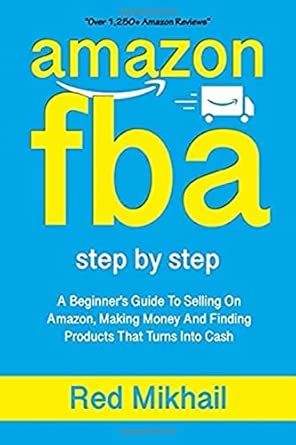
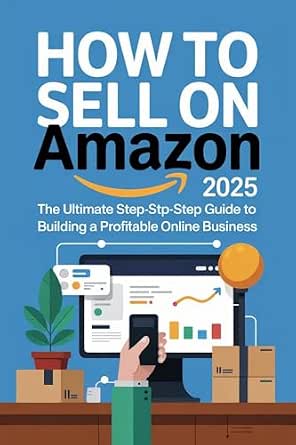


| products to sell on amazon | Format | Pages | Target Audience | Focus |
|---|---|---|---|---|
| How To Sell On Amazon In 2026: | Digital PDF and print | 150 pages | Beginners | — |
| How To Sell Your Products On A | Ebook | 80 pages | Intermediate to advanced sellers | Scaling and high revenue |
| A Beginner’s Guide to Amazon F | Paperback and Kindle | 200 pages | — | Private label branding |
| Amazon FBA: A Step-by-Step Beg | Kindle and Paperback | 180 pages | Startups and new sellers | Passive income and product launching |
| How to Sell on Amazon: 7 FBA S | Kindle and Paperback | 100 pages | Beginners aiming for quick results | FBA secrets for rapid success |
| How to Sell on Amazon for Begi | Digital and paperback | 250 | Beginners with little funds | Low-budget Amazon FBA startup |
| Amazon FBA: A Beginner’s Guide | Paperback and Kindle | 180 | Beginners seeking quick wins | Product sourcing and profit strategies |
| How to Sell on Amazon for Begi | Paperback and Kindle | 220 | Beginners aiming to start in 2025 | Latest Amazon selling strategies |
| Amazon FBA Blueprint 2026: Fro | Paperback and Kindle | 200 | New sellers seeking immediate earnings | Quick cash flow for beginners |
| Selling on Amazon | Kindle and paperback | 100 | Complete beginners | Getting started on Amazon |
| Start Selling on Amazon and Wa | Digital PDF guide | — | New online entrepreneurs | — |
More Details on Our Top Picks
How To Sell On Amazon In 2026: A Complete Beginner’s Step-by-Step Guide
This guide stands out for its detailed, up-to-date instructions tailored specifically for those starting on Amazon in 2026. Unlike broader overviews like ‘Amazon FBA: A Step-by-Step Beginner’s Guide,’ it provides current strategies that reflect the latest marketplace changes. Its strength lies in clear, actionable steps for newcomers, but it lacks specific product features or real-world examples, which might leave some beginners seeking more practical insights. Ideal for absolute beginners who want a structured plan, but not suited for experienced sellers expecting in-depth technical details.
Pros:- Provides detailed, beginner-friendly instructions
- Includes the latest strategies for 2026
- Focuses on foundational Amazon selling principles
Cons:- Lacks specific technical or product-related details
- No customer reviews or real-world case studies
- No information on advanced or niche selling strategies
Best for: Complete newcomers to Amazon selling who need a clear, structured starting point
Not ideal for: Seasoned Amazon sellers looking for advanced tactics or niche-specific advice
- Format:Digital PDF and print
- Pages:150 pages
- Updated for:2026 marketplace trends
- Target Audience:Beginners
- Coverage:Step-by-step start-up process
- Additional Resources:Checklists and templates
Our verdict“This guide is perfect for absolute beginners seeking a clear, current roadmap to start selling on Amazon in 2026.”
How To Sell Your Products On Amazon: Learn To Make $200,000+ Per Year Selling Online
This guide emphasizes strategies aimed at helping sellers reach high income levels, with a focus on scaling beyond basic sales. Compared to ‘Amazon FBA: A Beginner’s Guide to Selling on Amazon,’ it is more aspirational, targeting those who want to significantly grow their business. However, it offers limited detail about specific product sourcing or technical setup, making it less suitable for those needing tactical step-by-step instructions. Best suited for sellers aiming for substantial online income, but less ideal for complete newbies not yet ready to scale.
Pros:- Focuses on high-earning strategies
- Provides insights into scaling and growth
- Encourages a mindset for large-scale selling
Cons:- Limited detail on specific product or sourcing methods
- No customer reviews or verification of claimed income
- Lacks step-by-step operational guidance
Best for: Ambitious sellers ready to scale their Amazon business toward six figures
Not ideal for: Beginners who need foundational guidance or technical details to start
- Format:Ebook
- Pages:80 pages
- Focus:Scaling and high revenue
- Target Audience:Intermediate to advanced sellers
- Content Type:Strategies and mindset tips
- Update Status:No recent update
Our verdict“This guide is best for sellers with some experience who aim to reach six-figure annual revenues on Amazon.”
A Beginner’s Guide to Amazon FBA Private Label: How I Sold $20 Million on Amazon and You Can Too
Compared with the more general ‘Amazon FBA: A Step-by-Step Beginner’s Guide,’ this book delves into the specifics of private label branding, sharing the author’s successful journey of selling $20 million. It offers practical advice on choosing products, branding, and launching private label stores, making it ideal for beginners interested in building their own brand. Nonetheless, it doesn’t provide detailed technical insights or niche-specific product research techniques, which some experienced sellers might find limiting. This makes it ideal for newcomers interested in private label, but less suited for those seeking technical or operational depth.
Pros:- Shares real-world success stories and practical tips
- Focuses on private label branding and marketing
- Suitable for beginners interested in building a brand
Cons:- Lacks detailed technical or sourcing methods
- Focused more on business strategy than product specifics
- No customer reviews or recent updates
Best for: Beginners motivated to create their own branded products with private label strategies
Not ideal for: Experienced sellers seeking advanced sourcing or technical product development tips
- Format:Paperback and Kindle
- Pages:200 pages
- Focus:Private label branding
- Experience Level:Beginner to intermediate
- Success Story:Author sold $20M
- Update Status:No recent updates
Our verdict“This book is perfect for beginners eager to start a private label business and build a brand on Amazon.”
Amazon FBA: A Step-by-Step Beginner’s Guide to Selling on Amazon, Making Money, Launching Private Label Products, and Earning Passive Income
This book offers an extensive overview of starting with Amazon FBA, including launching private label products and building passive income streams. Compared with ‘How to Sell on Amazon in 2026,’ it covers a broader range of topics, making it suitable for those new to selling but not yet ready for niche-specific strategies. Its detailed step-by-step approach helps beginners understand the entire process, yet it might feel too basic for sellers with prior experience. Best for new sellers seeking a broad, foundational understanding, but less suitable for advanced or niche-focused sellers.
Pros:- Very comprehensive overview of Amazon FBA
- Covers private label launching and passive income
- Good for beginners needing a broad foundation
Cons:- Lacks detailed technical or niche-specific tips
- Content may be too basic for seasoned sellers
- No recent customer reviews or updates
Best for: New Amazon sellers wanting an all-in-one introductory guide
Not ideal for: Experienced sellers or those seeking technical product sourcing details
- Format:Kindle and Paperback
- Pages:180 pages
- Coverage:End-to-end FBA process
- Target Audience:Startups and new sellers
- Focus:Passive income and product launching
- Update Status:No recent updates
Our verdict“This guide is best suited for beginners seeking a thorough introduction to Amazon FBA and passive income strategies.”
How to Sell on Amazon: 7 FBA Secrets That Turn Beginners into Best Sellers
This book emphasizes seven key secrets to help beginners become best sellers quickly, making it a practical choice for those looking for actionable tips. Unlike broader guides like ‘A Beginner’s Guide to Amazon FBA Private Label,’ it zeroes in on specific FBA tactics aimed at fast results. However, its limited content depth and lack of detailed product research or sourcing strategies mean it might not satisfy more advanced sellers. Ideal for new sellers aiming for rapid growth, but less helpful for those requiring comprehensive operational guides.
Pros:- Focuses on proven FBA secrets for quick growth
- Practical and easy to implement tips
- Helps beginners aim for best seller status
Cons:- Limited technical or detailed product sourcing info
- Content depth may be insufficient for experienced sellers
- No recent reviews or detailed case studies
Best for: Beginners seeking quick, actionable strategies to boost sales and rankings
Not ideal for: Sellers with prior experience needing detailed technical or sourcing guidance
- Format:Kindle and Paperback
- Pages:100 pages
- Focus:FBA secrets for rapid success
- Target Audience:Beginners aiming for quick results
- Content Type:Actionable tips
- Update Status:No recent updates
Our verdict“This book is ideal for new sellers wanting fast, actionable tips to become best sellers on Amazon.”
How to Sell on Amazon for Beginners (2026): Step-by-Step Guide to Launch an Amazon FBA Business, Find Winning Products, and Start with Little Money
This book stands out for its detailed, step-by-step instructions tailored for those starting with minimal investment. Compared to Amazon FBA: A Beginner’s Guide to Selling on Amazon, it emphasizes low-cost strategies suited for tight budgets. However, it lacks specific technical or product data, which could limit more advanced sellers. The focus on 2026 trends makes it a timely resource, but the content might become outdated quickly. Best for beginners who want a thorough, affordable entry point, but not for those seeking technical details or advanced strategies.Pros:- Provides comprehensive, step-by-step guidance tailored for beginners
- Focuses on low-budget startup strategies that minimize upfront costs
- Updated content for 2026 Amazon market trends
- Easy to follow for newcomers
Cons:- Lacks specific technical or product sourcing details
- Content may become outdated as Amazon policies evolve
Best for: Budget-conscious beginners eager to start small and learn the basics of Amazon FBA.
Not ideal for: Experienced sellers or those looking for in-depth technical or product-specific guidance.
- Format:Digital and paperback
- Pages:250
- Publication Year:2026
- Language:English
- Target Audience:Beginners with little funds
- Focus:Low-budget Amazon FBA startup
Our verdict“This book is ideal for beginners prioritizing affordability and foundational knowledge over detailed technical guidance.”
Amazon FBA: A Beginner’s Guide to Selling on Amazon, Making Money, and Finding Profitable Products
This guide offers a solid overview of essential Amazon FBA strategies, especially in product sourcing and selling tips. Compared with How to Sell on Amazon for Beginners (2026), it leans more toward practical tactics rather than detailed step-by-step processes. It’s better suited for those who want quick, actionable advice rather than comprehensive instructions. The lack of advanced details means experienced sellers may find it too basic. Best for beginners seeking practical, easy-to-implement strategies without the need for deep technical insights.Pros:- Provides clear, actionable strategies for beginners
- Focuses on profitable product sourcing techniques
- Covers essential selling tips to generate income
Cons:- Lacks detailed, step-by-step instructions for every process
- May be too simplistic for seasoned or advanced sellers
Best for: New sellers wanting straightforward, profitable product sourcing and selling tips.
Not ideal for: Those seeking detailed step-by-step processes or advanced technical guidance.
- Format:Paperback and Kindle
- Pages:180
- Publication Year:2021
- Language:English
- Focus:Product sourcing and profit strategies
- Target Audience:Beginners seeking quick wins
Our verdict“This book is perfect for beginners who need quick, practical insights into profitable Amazon FBA selling.”
How to Sell on Amazon for Beginners 2025: The Ultimate Step-by-Step Guide to Building a Profitable Online Business
This guide makes a compelling case for those planning to start in 2025, offering detailed, current strategies for building a profitable Amazon store. Compared with How to Sell on Amazon for Beginners (2026), it emphasizes practical tips aligned with the latest platform updates. While it provides thorough guidance, it doesn’t include advanced tools or features beyond the core selling process. It’s best suited for newcomers who want a recent, comprehensive plan, but less so for experienced sellers seeking technical depth. Best for beginners aiming to launch and grow with the most recent strategies in mind.Pros:- Provides detailed, step-by-step instructions for 2025 strategies
- Updated to include the latest Amazon selling practices
- Practical tips for building a sustainable business
Cons:- No additional tools or resources included
- Limited to Amazon platform, not broader e-commerce strategies
Best for: Beginners focused on starting in 2025 with up-to-date, practical guidance.
Not ideal for: Experienced sellers or those looking for advanced technical or platform tools.
- Format:Paperback and Kindle
- Pages:220
- Publication Year:2025
- Language:English
- Focus:Latest Amazon selling strategies
- Target Audience:Beginners aiming to start in 2025
Our verdict“Ideal for new sellers wanting a current, detailed roadmap to succeed in 2025’s Amazon marketplace.”
Amazon FBA Blueprint 2026: From Zero to $5K – Beginner’s Guide to Selling on Amazon
This guide emphasizes building consistent cash flow from scratch, making it appealing for newcomers who want quick financial results. Compared with How to Sell on Amazon for Beginners (2026), it concentrates more on income-building strategies rather than comprehensive store setup. It lacks detailed technical instructions, which could leave some beginners needing additional resources. It’s well-suited for those eager to start earning early, but less so for sellers seeking in-depth technical guidance or long-term planning. Best for beginners who want to focus on quick cash flow and simple, actionable steps.Pros:- Easy-to-follow, beginner-friendly approach
- Focuses on building cash flow quickly
- Provides strategies for finding winning products
Cons:- Lacks detailed technical or platform-specific instructions
- No specific pricing or platform tools discussed
Best for: Beginners aiming for immediate income and straightforward selling strategies.
Not ideal for: Sellers looking for detailed technical guidance or advanced store optimization.
- Format:Paperback and Kindle
- Pages:200
- Publication Year:2026
- Language:English
- Focus:Quick cash flow for beginners
- Target Audience:New sellers seeking immediate earnings
Our verdict“This book is suited for new sellers prioritizing rapid income growth over technical complexity.”
Selling on Amazon – Amazon Seller Secrets Revealed Volume 1: Getting Started
This volume offers essential foundational strategies for those just starting out on Amazon, covering basic concepts and practical tips. Compared with the more comprehensive guides like How to Sell on Amazon for Beginners (2026), it’s more introductory, lacking in-depth detail or advanced techniques. Its brevity makes it accessible, but also limits its usefulness for those wanting a full roadmap or technical mastery. This pick makes the most sense for absolute beginners who need a gentle introduction, not for those seeking detailed planning or scaling advice. Best for complete novices needing a simple, straightforward starting point.Pros:- Provides clear, simple foundational knowledge
- Practical tips for starting out on Amazon
- Easy to read and understand
Cons:- Limited content depth and details
- No advanced techniques or scalability advice
Best for: Total beginners who want an easy, practical introduction to Amazon selling basics.
Not ideal for: Sellers with some experience seeking detailed strategies or technical insights.
- Format:Kindle and paperback
- Pages:100
- Publication Year:2018
- Language:English
- Focus:Getting started on Amazon
- Target Audience:Complete beginners
Our verdict“Ideal for absolute beginners who need a straightforward, easy-to-grasp starting guide.”
Start Selling on Amazon and Walmart the Smart Way
This guide stands out for its practical, step-by-step approach tailored specifically for newcomers eager to enter Amazon and Walmart retail spaces. Unlike more comprehensive guides like A Beginner’s Guide to Amazon FBA Private Label, which delve into product sourcing and branding, this resource focuses on foundational strategies for finding profitable products and avoiding common pitfalls that trip up new sellers. Its strength lies in simplifying complex processes to help entrepreneurs avoid costly mistakes early on, making it ideal for those just starting out. However, it lacks detailed technical insights or specific tools, which may leave seasoned sellers wanting more actionable tactics. Overall, this guide makes the most sense for aspiring entrepreneurs who need a straightforward, risk-averse starting point.
Pros:- Provides clear, actionable strategies for new sellers
- Focuses on avoiding costly mistakes early on
- Guides on building a sustainable income stream
Cons:- Lacks detailed product or technical information
- No specific tools or software recommendations
- Limited insights on product research beyond basics
Best for: First-time online sellers who want a clear, practical roadmap without overwhelming technical details.
Not ideal for: Experienced sellers looking for advanced product sourcing techniques or in-depth market analysis.
- Format:Digital PDF guide
- Length:Approximately 50 pages
- Target Audience:New online entrepreneurs
- Focus Areas:Product selection, avoiding mistakes, building income
- Price Range:$29.99
- Update Frequency:Annual updates
Our verdict“This guide is best suited for beginners who need a straightforward, risk-aware introduction to selling on Amazon and Walmart.”

How We Picked
Our evaluation focused on the potential profitability, market demand, competition level, and ease of sourcing for each product to sell on Amazon. We analyzed current market trends, sales volume data, and the scalability of each product type. Additionally, we considered the initial investment and operational complexity, prioritizing options that balance risk with reward. The ranking reflects a combination of these factors, emphasizing products with proven sales performance and growth potential in 2026. Our goal was to identify items that are accessible for new sellers while offering substantial profit opportunities for experienced entrepreneurs.| products to sell on amazon | Format |
|---|---|
| How To Sell On Amazon In 2026: | Digital PDF and print |
| How To Sell Your Products On A | Ebook |
| A Beginner’s Guide to Amazon F | Paperback and Kindle |
| Amazon FBA: A Step-by-Step Beg | Kindle and Paperback |
| How to Sell on Amazon: 7 FBA S | Kindle and Paperback |
| How to Sell on Amazon for Begi | Digital and paperback |
| Amazon FBA: A Beginner’s Guide | Paperback and Kindle |
| How to Sell on Amazon for Begi | Paperback and Kindle |
| Amazon FBA Blueprint 2026: Fro | Paperback and Kindle |
| Selling on Amazon | Kindle and paperback |
| Start Selling on Amazon and Wa | Digital PDF guide |
Factors to Consider When Choosing Products To Sell On Amazon
Choosing the right products to sell on Amazon involves more than just spotting trending items. Sellers should consider multiple factors that impact profitability, competition, and operational complexity. A strategic approach helps avoid common pitfalls like oversaturated markets or high upfront costs. Here are key factors to evaluate when selecting products to sell.Market Demand and Trends
Understanding current market demand is essential for selecting products with sales potential. Use tools like Amazon Best Sellers, keyword research, and trend analysis to identify what consumers are actively searching for. Avoid products with declining interest, and look for items that show consistent or growing demand over time. This approach helps ensure your efforts are directed toward items with sustainable sales volume.
Profit Margins and Pricing
Assess the potential profit margins by calculating costs including sourcing, Amazon fees, shipping, and advertising. Higher margins offer better resilience against market fluctuations. Be cautious of products that seem cheap but have hidden costs or low resale value. Balancing competitive pricing with healthy margins is key to building a sustainable Amazon business.
Competition Level
While popular products attract many buyers, high competition can limit margins and make it harder to rank. Look for niches where demand exists but competition isn’t overwhelming—these often include niche categories or new trending items. Tools like Jungle Scout or Helium 10 can help gauge how crowded a market is and identify opportunities for differentiation.
Ease of Sourcing and Inventory Management
Reliable sourcing channels and manageable inventory levels are critical for operational success. Products that are easy to source from suppliers like Alibaba or local manufacturers, with consistent quality, reduce headaches and delays. Avoid overly complex or highly customized items unless you have the capacity to manage production and quality control effectively.
Longevity and Seasonal Trends
Some products perform well only during specific seasons or trends, which can lead to irregular income. Prioritize items with year-round demand or those that can be adapted to multiple seasons. Diversifying your product portfolio helps stabilize cash flow and reduces reliance on short-term fads.
Frequently Asked Questions
How do I find profitable products to sell on Amazon?
Finding profitable products involves a combination of market research, analyzing sales data, and understanding consumer trends. Use tools like Jungle Scout, Helium 10, or Keepa to identify high-demand, low-competition niches. Additionally, exploring social media trends and Amazon’s own bestseller lists can reveal emerging opportunities. Remember, a profitable product balances demand with manageable competition and healthy margins.
Should I focus on private label products or reselling existing items?
Private label products offer the advantage of building a brand and potentially higher margins, but they require more upfront investment and longer lead times. Reselling existing items can be quicker and involve less initial risk, making it suitable for newcomers testing waters. Your choice depends on your budget, experience, and long-term goals—private labeling suits those aiming for scale, while reselling is better for quick testing or low-investment entry.
How important is seasonality when choosing products to sell?
Seasonality can significantly impact sales volume, with some products peaking during certain times of the year. While seasonal items can generate quick profits, relying solely on them risks inconsistent income. For stability, consider combining seasonal products with evergreen items that maintain steady demand. Planning your inventory around seasonal peaks can maximize profits without overextending during off-peak months.
What are common mistakes new sellers make when selecting products?
Many beginners choose products based solely on trending searches or low competition without considering profitability or sourcing difficulty. Others overlook the importance of product differentiation or underestimate the costs involved. Rushing into saturated markets or failing to validate demand can lead to inventory surplus or losses. A thorough analysis of margins, competition, and supply chain is essential to avoid these pitfalls.
How much should I initially invest in my Amazon product business?
The initial investment varies depending on your product choice and scale, but starting with a manageable budget is wise—often between $1,000 to $5,000. This amount covers product sourcing, branding, listing creation, and advertising. Avoid overextending early on; focus on testing a few products, validating demand, and scaling gradually as profits grow. Proper cash flow management early on sets the foundation for sustainable growth.
Conclusion
For those just starting out and seeking a low-risk entry, reselling trending or niche products offers quick insights into the market. Entrepreneurs aiming for long-term growth and brand building will appreciate private label options, despite the higher upfront costs. Budget-conscious sellers should prioritize products with high margins and low sourcing costs, while premium sellers may focus on high-ticket, high-quality items. Ultimately, selecting the right products depends on your experience, budget, and goals—use this guide to align your choices with your specific needs and readiness.
Columbus Day / Indigenous Peoples' Day Picks
long weekend sales
As an affiliate, we earn on qualifying purchases.