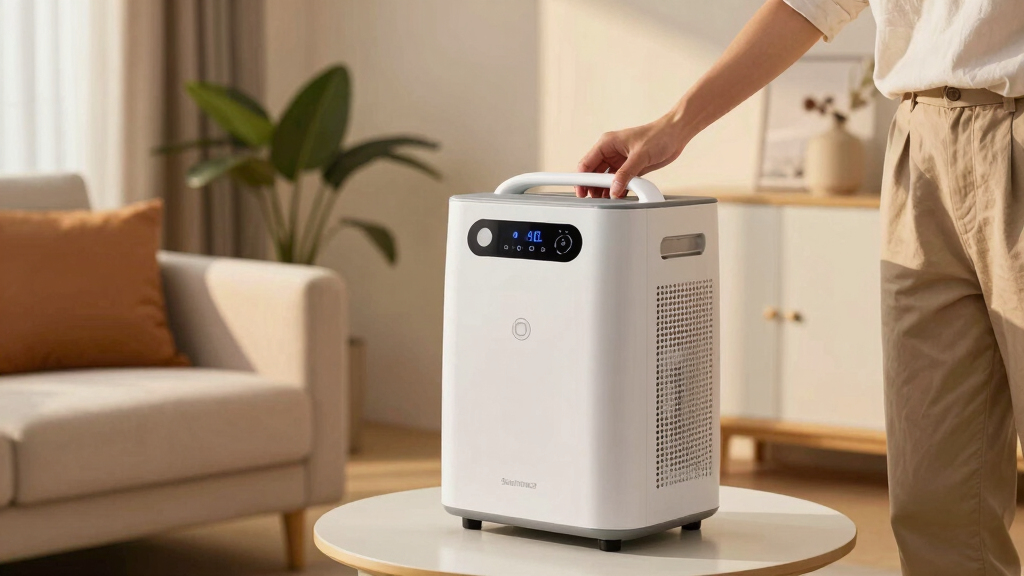

Choosing the right oxygen source for home use involves balancing portability, medical compliance, and ongoing oxygen needs. For those seeking a reliable, stationary oxygen concentrator, options like wall-mounted units are better suited. Portable cylinders and canisters serve well for mobility but come with limitations in volume and convenience. Today, I focus on three top picks that cover a range of needs, from medical-grade tanks to lightweight portable options, highlighting their strengths and tradeoffs to help you make an informed decision.

Turn quiet afternoons into listening time
- Thousands of audiobooks, podcasts and originals
- Listen on your phone, tablet or Echo — also offline
- Cancel anytime
Complete the kit


Key Takeaways
- The Dynarex Resp-O2 M15 offers portability but limited oxygen volume, making it ideal for short-term or emergency use.
- The aluminum medical cylinders provide high safety standards and are suitable for ongoing home oxygen needs but require handling precautions and prescriptions.
- Boost Oxygen canisters are perfect for on-the-go respiratory support but are not a substitute for medical-grade oxygen therapy.
| Dynarex Resp-O2 M15 Oxygen D-Cylinder with CGA 870 Post Valve – 2.9L Jumbo Size Oxygen Cylinder |  | Best for portability and emergency use | Capacity: 440L Oxygen | Size: 2.9L | Material: Aluminum | VIEW LATEST PRICE | See Our Full Breakdown |
| Medical Oxygen Cylinder with CGA870 Toggle Valve – E Size 24.1 cu ft Aluminum Green |  | Best for medical-grade reliability and home use | Material: Aluminum | Capacity: 24.1 cu ft | Dimensions: 4.4″ diameter x 25.3″ length | VIEW LATEST PRICE | See Our Full Breakdown |
| Boost Oxygen Medium Natural 5L Canister, 6 Pack |  | Best for on-the-go respiratory support | Oxygen Purity: 99.5% | Canister Volume: 5 liters | Pack Size: 6 pack | VIEW LATEST PRICE | See Our Full Breakdown |
| 5 liter oxygen concentrators for home use | Capacity | Material | Valve Type |
|---|---|---|---|
| Dynarex Resp-O2 M15 Oxygen D-C | 440L Oxygen | Aluminum | CGA 870 Post Valve |
| Medical Oxygen Cylinder with C | 24.1 cu ft | Aluminum | CGA870 toggle valve |
| Boost Oxygen Medium Natural 5L | — | — | — |
More Details on Our Top Picks
Dynarex Resp-O2 M15 Oxygen D-Cylinder with CGA 870 Post Valve – 2.9L Jumbo Size Oxygen Cylinder
The Dynarex Resp-O2 M15 stands out for its lightweight, durable aluminum construction, making it highly portable for emergencies or short-term needs. Although it offers a modest 440 liters of oxygen, its flexible valve options and compliance with safety standards make it convenient for quick, reliable oxygen delivery. Compared with larger tanks, it’s less suitable for continuous long-term use but excels in mobility. Handling requires attention to safety and maintenance, and its higher cost reflects its specialized design for transport rather than extended use.
Pros:- Lightweight and portable for easy transport
- Durable brushed aluminum with protective coating
- Flexible valves for efficient oxygen flow
- Meets safety and transportation standards
Cons:- Limited oxygen capacity for prolonged use
- Requires regular maintenance and testing
- Higher price point due to portability features
Best for: Users needing a portable, emergency oxygen solution or short-term use outside the home
Not ideal for: Those seeking a long-term, stationary oxygen supply or continuous home therapy
- Capacity:440L Oxygen
- Size:2.9L
- Material:Aluminum
- Valve Type:CGA 870 Post Valve
Our verdict“A practical choice for mobility and emergency scenarios but not ideal for continuous home oxygen therapy.”
Medical Oxygen Cylinder with CGA870 Toggle Valve – E Size 24.1 cu ft Aluminum Green
This medical oxygen cylinder offers a higher oxygen volume—24.1 cubic feet—making it better suited for those needing regular, long-term oxygen therapy at home. Its corrosion-resistant aluminum body ensures longevity, and compliance with DOT standards guarantees safety. However, because it’s a refillable medical cylinder, it requires a prescription and proper handling, which might be a barrier for casual users. It’s a durable, reliable solution for individuals with ongoing oxygen needs who prioritize safety and quality over portability.
Pros:- High safety and durability with aluminum construction
- Meets U.S. DOT safety standards
- Lightweight for its capacity at only 10 pounds
- Suitable for medical, EMS, and hospital environments
Cons:- Requires prescription for refilling
- Handling compressed gases involves safety risks
- Less portable for on-the-go use
Best for: Individuals requiring consistent, medical-grade oxygen at home
Not ideal for: People needing portable oxygen for outside activities or those without prescriptions
- Material:Aluminum
- Capacity:24.1 cu ft
- Dimensions:4.4″ diameter x 25.3″ length
- Color:Green
- Valve Type:CGA870 toggle valve
- Weight:10 pounds
Our verdict“A dependable, home-focused oxygen source for users with ongoing medical needs, but not for casual or portable use.”
Boost Oxygen Medium Natural 5L Canister, 6 Pack
Boost Oxygen provides 99.5% pure oxygen in compact, recyclable canisters, perfect for quick respiratory boosts during daily activities. While not a medical device, these canisters are convenient for athletes, travelers, or anyone seeking an energy lift. Each canister contains 5 liters of oxygen, but multiple units are needed for extended use, and they are not a substitute for prescribed oxygen therapy. The portability and purity make them a popular choice for immediate relief but limited for sustained treatment.
Pros:- Pure oxygen with no added aromas
- Lightweight and easy to carry
- Recyclable and environmentally friendly packaging
Cons:- Not approved for medical treatment
- Limited oxygen volume per canister
- Requires multiple units for prolonged use
Best for: Active individuals needing supplemental oxygen during exercise or travel
Not ideal for: Patients requiring continuous, medical-grade oxygen therapy at home
- Oxygen Purity:99.5%
- Canister Volume:5 liters
- Pack Size:6 pack
- Made in:USA
Our verdict“A convenient, on-the-go oxygen support option, ideal for boosting energy temporarily but not for medical needs.”
How We Picked
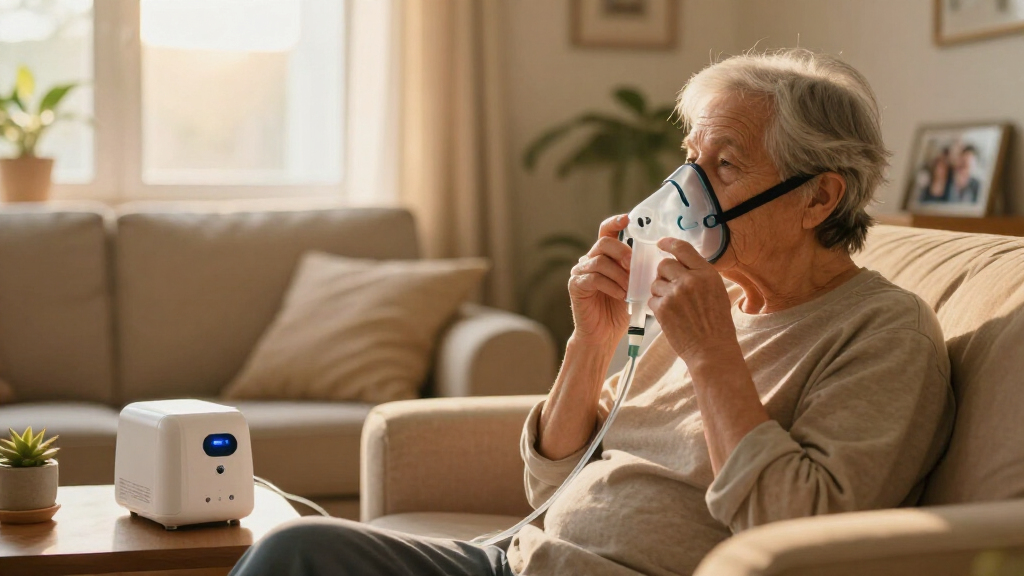
Our selection process focused on products that deliver approximately 5 liters of oxygen per minute, with proven safety features, durability, and user convenience. We prioritized medical compliance for tanks, portability for cylinders, and ease of use for portable canisters. Each product was evaluated for oxygen capacity, material quality, safety standards, and practical tradeoffs like weight, refill requirements, and intended use. Our goal was to identify options that serve different needs within a home environment, whether stationary or mobile.
| 5 liter oxygen concentrators for home use | Valve Type |
|---|---|
| Dynarex Resp-O2 M15 Oxygen D-C | CGA 870 Post Valve |
| Medical Oxygen Cylinder with C | CGA870 toggle valve |
| Boost Oxygen Medium Natural 5L | — |
Factors to Consider When Choosing Best 5 Liter Oxygen Concentrators For Home Use
When selecting a 5-liter oxygen solution for home use, it’s important to consider your primary needs—whether that’s continuous, medical-grade oxygen or portable support for active lifestyles. Understanding the differences between tanks, cylinders, and canisters helps clarify which options align with your lifestyle, safety requirements, and budget. Here, I break down key factors to help you make an informed choice.
Oxygen Capacity and Usage Duration
The first consideration is how much oxygen you need and for how long. Medical cylinders typically provide higher, consistent oxygen volumes suitable for ongoing therapy. Portable cylinders or canisters are better for short-term, mobile use but require more frequent refills or replacements. Matching your oxygen consumption rate with the product’s capacity ensures you won’t run out unexpectedly.
Portability and Convenience
Portability varies significantly between lightweight cylinders and bulkier tanks. If you need oxygen support outside the home or during travel, compact canisters or small cylinders are advantageous. For stationary use, larger tanks or refillable cylinders provide a more sustainable, economical option. Weigh your lifestyle priorities against product weight and ease of handling.
Safety and Medical Compliance
Medical-grade cylinders and tanks are manufactured to meet strict safety standards, often requiring a prescription and proper handling procedures. Non-medical canisters, while convenient, aren’t suitable for medical treatment and lack regulatory oversight. Always ensure your oxygen source complies with safety standards and your healthcare provider’s recommendations.
Cost and Refill Requirements
Consider the initial purchase price alongside ongoing costs like refilling or replacing canisters. Refillable cylinders tend to be more economical over time but come with upfront costs and maintenance needs. Disposable canisters and pre-filled tanks offer convenience but may become costly if used frequently. Balance your budget with your oxygen needs and usage patterns.
Frequently Asked Questions
Can I use a portable cylinder for long-term oxygen therapy?
While portable cylinders can provide oxygen on the go, they generally have limited capacity, making them less suitable for continuous, long-term therapy. For ongoing needs, a stationary concentrator or a larger refillable tank is usually recommended, as they offer a more consistent supply without frequent refills.
Do I need a prescription to purchase medical oxygen cylinders?
Yes, in most countries, a prescription is required to purchase or refill medical oxygen cylinders. This is because medical oxygen is a regulated medical device, and proper handling, storage, and usage are essential for safety and health. Always consult your healthcare provider before obtaining oxygen supplies.
Are portable oxygen canisters safe for everyday use?
Portable oxygen canisters are safe when used as directed and handled with care. They are designed for short-term, personal use and should be stored and transported according to safety guidelines. However, they are not a substitute for medical-grade oxygen therapy for chronic conditions.
How do I know which oxygen product is right for me?
The best choice depends on your specific needs—whether you require continuous, medical-grade oxygen or occasional support during activities. Consult your healthcare provider to determine the appropriate oxygen source based on your health condition, lifestyle, and safety considerations.
How often do I need to refill or replace oxygen cylinders?
The refill or replacement frequency depends on your oxygen flow rate and the capacity of your cylinder. Medical tanks are refillable and can last from days to weeks, while portable canisters need to be replaced or refilled more frequently, often after a few hours of use. Monitoring your oxygen levels and usage patterns helps prevent shortages.
Conclusion
For users needing a stationary, reliable oxygen source for ongoing home therapy, the aluminum medical cylinders offer the best combination of safety and capacity. Those who require maximum portability or emergency support might prefer the lightweight cylinders or portable canisters, though they come with limitations in volume. Carefully consider your oxygen needs, safety requirements, and lifestyle to choose the best option for your situation, and always consult with your healthcare provider for personalized recommendations.
Halloween Picks
halloween
As an affiliate, we earn on qualifying purchases.