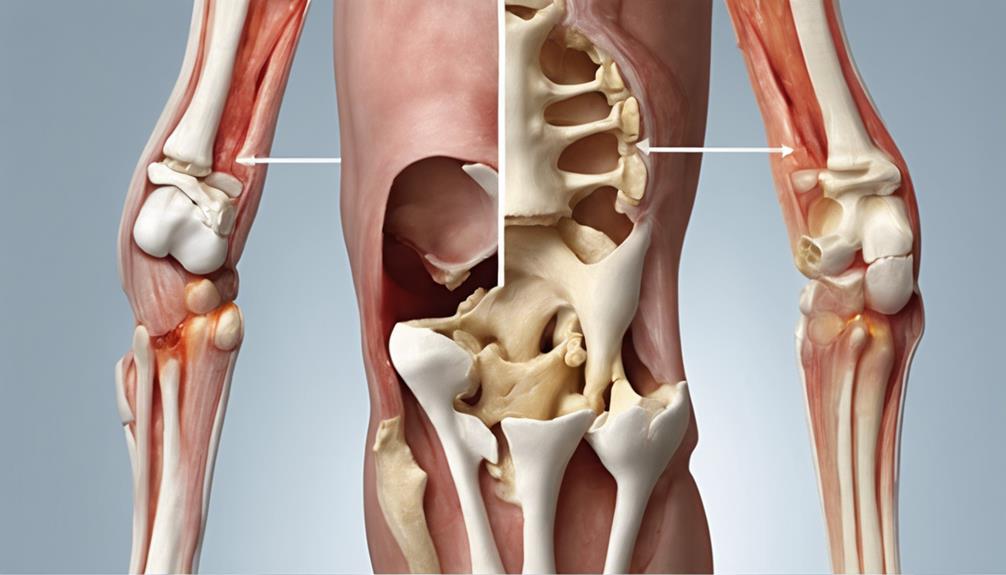
If you’re exploring alternative therapies for arthritis, options like massage, acupuncture, and herbal remedies can help alleviate symptoms and boost joint function. Massage can improve circulation and relax muscles, while acupuncture may reduce inflammation and pain. Herbal supplements, such as turmeric and ginger, support natural anti-inflammatory effects. Combining these therapies with gentle exercise and relaxation techniques can enhance your overall well-being. To discover more about how these approaches work together, keep exploring your options.
Key Takeaways
- Massage therapy enhances circulation, relaxes muscles, and improves joint flexibility, reducing arthritis stiffness and pain.
- Acupuncture may decrease inflammation and alleviate pain by stimulating specific energy points in the body.
- Mind-body practices like yoga and Tai Chi improve joint strength, flexibility, and promote stress reduction.
- Herbal remedies such as turmeric, ginger, and boswellia contain anti-inflammatory compounds that may support joint health.
- Complementary techniques like relaxation exercises and tailored physical activity enhance overall arthritis management and well-being.

Arthritis can cause persistent pain and stiffness, often leaving you searching for relief beyond traditional treatments. Many people turn to holistic approaches to manage their symptoms more naturally. These methods focus on treating the whole person—body, mind, and spirit—rather than just targeting specific symptoms. One effective avenue is exploring herbal remedies, which have been used for centuries to reduce inflammation and soothe joint pain. Herbs like turmeric, ginger, and boswellia contain natural anti-inflammatory compounds, making them popular choices for arthritis sufferers. Incorporating these into your diet or as supplements might help decrease swelling and improve mobility. However, it’s essential to consult with a healthcare professional before starting any herbal regimen to guarantee safety and proper dosage.
In addition to herbal remedies, many find relief through massage therapy. Gentle massage can increase circulation, relax tense muscles, and reduce joint pain. When performed by a trained massage therapist, it can also help improve flexibility and decrease stiffness. Regular sessions may create a sense of relaxation and provide pain relief that complements other treatments. Acupuncture is another holistic approach gaining popularity among those with arthritis. This traditional Chinese medicine technique involves inserting thin needles into specific points on your body to stimulate energy flow, which may reduce inflammation and alleviate pain. Many people report feeling more comfortable and having increased mobility after acupuncture sessions. While scientific evidence is mixed, numerous individuals find it worth trying as part of their overall arthritis management plan.
You might also consider integrating mind-body practices such as yoga or tai chi. These gentle exercises help improve joint flexibility, strengthen surrounding muscles, and promote balance. Plus, the meditative aspects can reduce stress, which often exacerbates arthritis symptoms. Additionally, engaging in exercise tailored for joint health can further support mobility and reduce discomfort. Alongside physical activities, adopting relaxation techniques like deep breathing or guided imagery can help you manage discomfort more effectively. Combining these practices with other holistic strategies creates a thorough approach that targets both physical and emotional well-being.
As an affiliate, we earn on qualifying purchases.
Frequently Asked Questions
Are Alternative Therapies Covered by Health Insurance for Arthritis?
Most insurance plans don’t cover alternative therapies for arthritis, but some might offer limited treatment reimbursement. You should check your specific insurance policy to see if therapies like massage or acupuncture are included under your coverage. Contact your provider directly or review your plan details to understand what treatments are eligible for insurance coverage or reimbursement, so you can plan your arthritis management accordingly.
How Do I Find a Qualified Practitioner for Alternative Arthritis Treatments?
Did you know that over 70% of patients seeking alternative arthritis treatments prefer certified practitioners? To find a qualified one, check their certification standards and practitioner credentials. Look for state or national licenses, professional memberships, and specific training related to arthritis care. You can also ask for references or reviews. This guarantees you’re working with someone who adheres to high standards and truly understands your needs.
Can Alternative Therapies Replace Conventional Arthritis Medications?
Alternative therapies can’t fully substitute conventional arthritis medications, but they can complement your treatment plan. While some people find relief through complementary approaches, their treatment efficacy varies from person to person. You should always discuss any new therapies with your healthcare provider to ensure they’re safe and appropriate. Combining conventional treatments with complementary approaches might improve your overall well-being and help manage symptoms more effectively.
Are There Any Risks or Side Effects Associated With Massage or Acupuncture?
Did you know about 10-15% of people experience side effects from acupuncture? Massage risks are generally low but can include soreness or discomfort, especially if pressure is too intense. Acupuncture side effects may involve minor bruising or fatigue. Always choose licensed practitioners to minimize risks. Being aware of these potential issues helps you make informed decisions, and discussing your health history with a professional can further reduce any adverse effects.
How Long Does It Typically Take to See Results From Alternative Therapies?
You might start noticing symptom improvement within a few sessions, but therapy duration varies based on your condition. Some people see results after just a couple of weeks, while others may need longer. Consistent treatment often accelerates progress. Keep in mind, patience is key, and regular sessions help guarantee steady symptom improvement. Talk to your practitioner to set realistic expectations and tailor the therapy duration to your specific needs.
Conclusion
If you’re exploring relief options for arthritis, alternative therapies like massage and acupuncture could help. Studies show that about 60% of arthritis sufferers find relief through these methods, reducing pain and improving mobility. Keep an open mind and talk to your healthcare provider about integrating these therapies into your treatment plan. With more than half experiencing benefits, trying these natural options might just make a difference in your daily life.