
To travel safely with osteoporosis, wear supportive, non-slip shoes to prevent slips and falls. Pack light and use sturdy luggage with wheels, lifting correctly to avoid back strain. Move carefully, avoid rushing, and stay alert to uneven surfaces. Use mobility aids if needed and take regular breaks to rest. Staying cautious and organized can make your journey safer and more enjoyable—keep exploring for more tips to protect yourself on the go.
Key Takeaways
- Wear supportive, non-slip shoes to prevent slips and falls during travel.
- Pack lightweight luggage and use carts or assistance to avoid strain.
- Move carefully, avoid rushing, and watch for uneven or slippery surfaces.
- Use mobility aids like canes for extra support and stability.
- Take regular breaks, stay hydrated, and organize belongings to reduce injury risk.
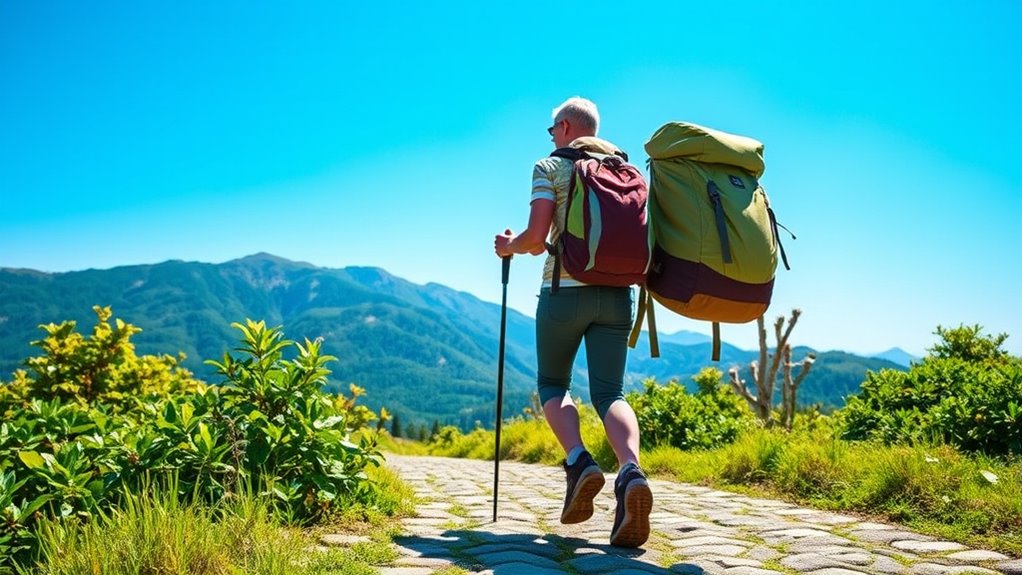
Traveling with osteoporosis can be safe and enjoyable if you plan ahead and take the right precautions. One of the most important steps is choosing appropriate footwear. When you’re on the go, supportive shoes with non-slip soles give you stability and help prevent falls. Avoid high heels, flip-flops, or anything that lacks proper arch support. Opt for shoes that fit well, cushion your feet, and provide firm grip, especially if you’ll be walking on uneven surfaces or crowded areas. Wearing the right footwear can reduce the risk of slips and falls, which are common concerns for people with osteoporosis. Also, consider bringing an extra pair of supportive shoes, so you always have a backup if one becomes uncomfortable or wet.
Packing lightweight luggage is another key aspect of safe travel. Heavy bags can strain your muscles, affect your posture, and increase the risk of injury during lifting or maneuvering through airports, train stations, or hotel rooms. Use lightweight, yet sturdy, luggage with wheels to make handling easier. Packing only essentials helps you avoid overloading your bag, reducing unnecessary weight. Remember to organize your belongings efficiently—placing heavier items at the bottom and keeping frequently used items accessible—so you don’t have to strain or lift excessively. When lifting your luggage, bend at your hips and knees instead of your waist, using your leg muscles to prevent back strain. If possible, ask for help with heavy bags or use luggage carts to minimize physical stress. Additionally, understanding the horsepower of electric dirt bikes can be helpful if considering outdoor activities that involve riding, ensuring your safety and preparedness.
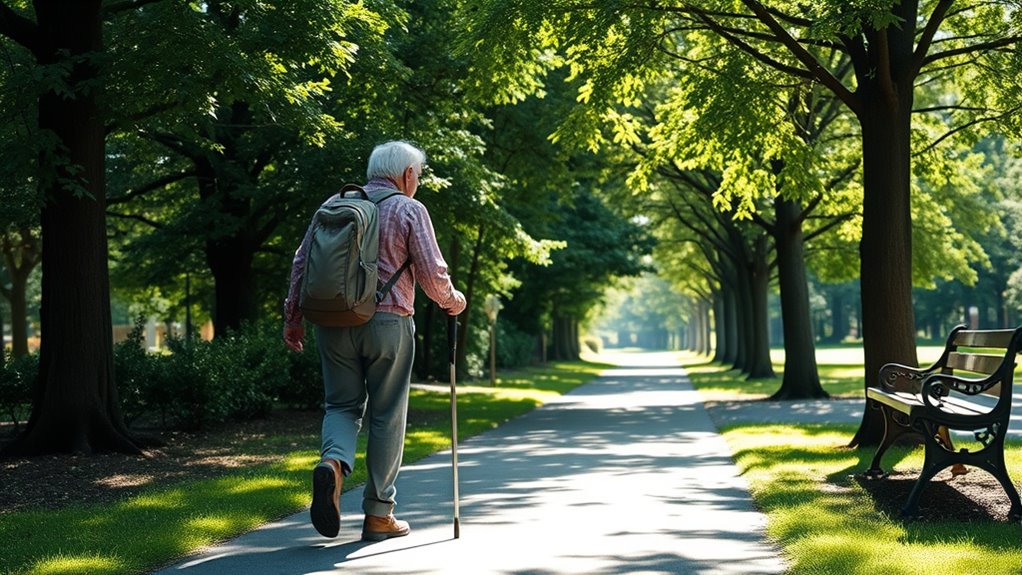
In addition to footwear and luggage considerations, always be mindful of your surroundings and take your time. Rushing can lead to accidents, so move deliberately and pay attention to uneven or slippery surfaces. Carrying a small, lightweight cane or walking stick for additional support can offer extra confidence and stability, especially in unfamiliar environments. Keep your medications, essentials, and any mobility aids easily accessible. Stay hydrated, wear comfortable clothing, and take regular breaks to stretch and rest. If you have any specific health concerns or mobility issues, consult your healthcare provider before traveling to get personalized recommendations. By focusing on these simple yet effective strategies—selecting proper footwear, packing light, and staying cautious—you can enjoy your trip without unnecessary risks. With thoughtful planning, you’ll find that traveling with osteoporosis is not only manageable but also an enriching experience.
supportive non-slip travel shoes
As an affiliate, we earn on qualifying purchases.
As an affiliate, we earn on qualifying purchases.
Frequently Asked Questions
Can Osteoporosis Affect Travel Insurance Coverage?
Yes, osteoporosis can affect your travel insurance coverage. Some travel insurance policies may exclude or limit coverage for pre-existing conditions like osteoporosis, especially if you haven’t disclosed your medication or medical history. It’s essential to review your travel insurance policies carefully, disclose your osteoporosis and medication details, and verify they cover potential injuries or medical needs related to your condition. Doing so helps prevent unexpected costs during your trip.
What Emergency Supplies Should I Carry While Traveling?
Your emergency supplies are your lifeline, possibly saving your trip from chaos. Always carry a well-stocked first aid kit, including pain relievers, antiseptics, and any personal medications. Pack mobility aids like a cane or walker for stability, and consider extra batteries or chargers for essential devices. These essentials guarantee you’re prepared for unexpected injuries or mobility issues, giving you confidence to explore safely and enjoy your journey.
Are There Specific Travel Destinations to Avoid With Osteoporosis?
You should avoid adventure travel destinations with rugged terrain or high risks, like extreme hikes or mountain climbs, as these can increase injury risk. Luxury resorts with accessible amenities are ideal, offering comfort and safety. While exploring, choose places with smooth pathways and elevators. Staying in destinations that prioritize accessibility helps you enjoy your trip without compromising your safety, ensuring you relax and explore comfortably.
How Can I Manage Medication Schedules During Trips?
Think of your medication schedule as a guiding compass for your journey. To manage it, plan ahead and pack a travel pharmacy with all your prescriptions, including extras. Set reminders on your phone or use a pill organizer to guarantee medication adherence. Keep your medications in your carry-on for easy access and safe storage. This way, your trip remains smooth, and your bones stay protected, no matter where you go.
Is It Safe to Fly With Severe Osteoporosis?
Flying with severe osteoporosis can be safe if you plan carefully. You may experience increased osteoporosis pain and reduced travel mobility, so it’s important to discuss your plans with your doctor beforehand. They might recommend pain management strategies and help you arrange for extra assistance at the airport. Use supportive mobility aids, stay active during the flight, and take breaks to prevent stiffness. With proper precautions, you can travel comfortably and safely.
lightweight rolling luggage for travel
As an affiliate, we earn on qualifying purchases.
As an affiliate, we earn on qualifying purchases.
Conclusion
Traveling with osteoporosis might feel overwhelming, but with these tips, you’ll stay safe and confident on your journey. Remember to prioritize your health, stay mindful of your surroundings, and take small precautions—because one simple step can prevent a fall that feels as sudden as a lightning strike. Keep these strategies in mind, and you’ll be able to explore the world with the same fearless spirit as someone conquering a mountain, one careful step at a time.
mobility aids for travel
As an affiliate, we earn on qualifying purchases.
As an affiliate, we earn on qualifying purchases.
travel cane or walking stick
As an affiliate, we earn on qualifying purchases.
As an affiliate, we earn on qualifying purchases.