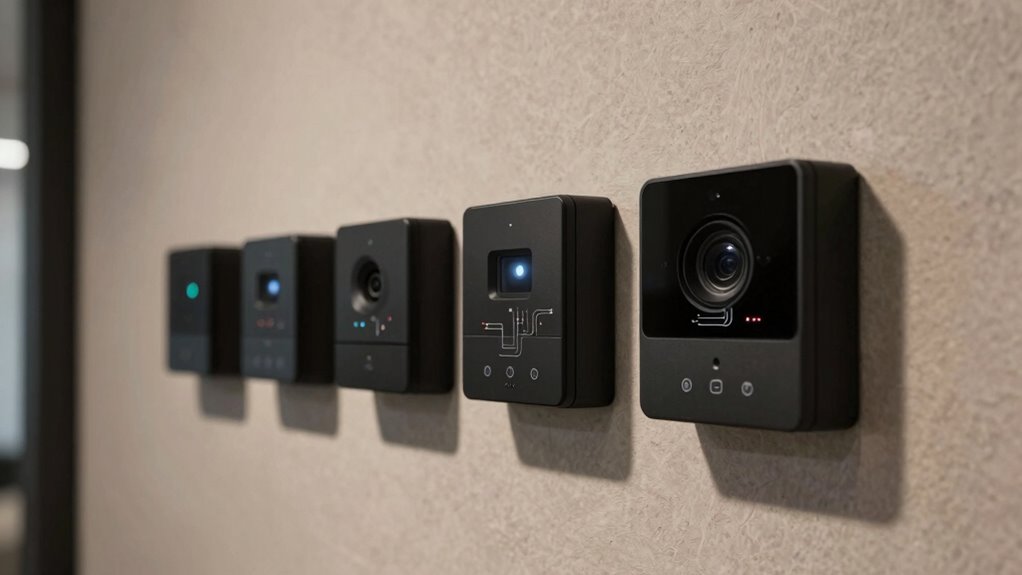

Wandering alarms and sensors work best when you choose the right type for your environment, guarantee proper placement and calibration, and maintain them regularly. Infrared and motion sensors detect movement, while wearable and bed alarms monitor individuals at risk. Wireless options offer flexibility, but wired sensors often provide higher reliability. By understanding their strengths and challenges, you can minimize false alarms and improve security. Keep exploring to discover how to optimize your wandering alarm system effectively.

Turn quiet afternoons into listening time
- Thousands of audiobooks, podcasts and originals
- Listen on your phone, tablet or Echo — also offline
- Cancel anytime
Key Takeaways
- Proper placement and calibration of sensors reduce false alarms and improve detection accuracy.
- Combining motion and infrared sensors enhances reliability for outdoor and indoor monitoring.
- Regular maintenance, including battery checks, is essential for the dependability of wearable and bed alarms.
- Wireless sensors offer flexible, quick deployment but may face environmental interference; wired sensors provide more stability.
- Integrating sensors into comprehensive systems with user-friendly controls ensures effective, immediate responses to wandering incidents.
As an affiliate, we earn on qualifying purchases.
How Do Wandering Sensors Detect Intruders?

How do wandering sensors actually detect intruders? They use a combination of motion detection and environmental sensing, which requires proper sensor calibration. Calibration ensures the sensor accurately distinguishes between normal movement and potential threats, reducing false alarms. Once calibrated, these sensors monitor their surroundings for unusual activity. Battery longevity plays a vital role because wandering sensors often operate wirelessly, relying on batteries. A well-maintained sensor with optimized power consumption can last longer, reducing maintenance frequency. When an intruder crosses the sensor’s detection zone, it triggers an alert based on the sensor’s sensitivity settings. Proper calibration is essential for sensor accuracy, and understanding detection zones can help fine-tune system performance. Additionally, understanding the contrast ratio of sensors can improve detection accuracy in various lighting conditions. Maintaining proper sensor calibration also helps prevent false positives caused by environmental factors, ensuring the system responds only to genuine threats. Regular testing and updates further enhance the reliability of detection systems, aligning with best practices in creative storytelling for branding. Overall, effective detection hinges on precise calibration and maintaining battery health, allowing wandering sensors to reliably spot intruders without frequent replacements or false positives.
What Are the Main Types of Wandering Sensors and Their Uses?

There are several key wandering sensors you should know about, including infrared and motion sensors, wearable devices, and bed alarms. Each type serves a specific purpose, helping to monitor and prevent wandering in different settings. Understanding how these sensors work can help you choose the right solution for your needs. For instance, some sensors are part of comprehensive safety systems offered by reputable providers, ensuring reliable protection and support. Additionally, selecting sensors with appropriate coverage areas can improve their effectiveness in different environments. Considering the technology integration capabilities of these sensors can further enhance their overall performance and ease of use. Moreover, staying informed about sensor reliability and proper installation techniques ensures optimal operation and safety. Recognizing the thermal behavior of sensors can also assist in assessing their responsiveness in high-heat outdoor environments, which is essential for outdoor safety applications.
Infrared and Motion Sensors
Infrared and motion sensors are essential components in wandering alarm systems, detecting movement or the presence of individuals within a designated area. These sensors are versatile, making them ideal for pet monitoring and outdoor coverage. Infrared sensors detect heat signatures, alerting you when someone or something passes through the monitored space. Motion sensors, on the other hand, pick up any movement, whether caused by a person, pet, or object. They’re particularly useful in outdoor areas where you want to prevent intrusions or monitor activity. These sensors are easy to install and provide real-time alerts, helping you respond quickly. Whether you’re protecting a garden, driveway, or a room inside your home, infrared and motion sensors improve security by reliably sensing movement and minimizing false alarms. Additionally, understanding the battery and charging basics of these sensors ensures they remain operational and effective over time. Regularly testing and maintaining the sensors can help prevent false alarms and ensure consistent performance. Proper installation techniques further enhance the sensors’ accuracy and longevity. Incorporating sensor placement best practices can also maximize their coverage and effectiveness, while considering sensor calibration helps maintain optimal sensitivity levels.
Wearable and Bed Alarms
Wearable and bed alarms serve as essential wandering sensors by actively monitoring individuals at risk of wandering, especially those with cognitive impairments. These alarms provide immediate alerts when a person attempts to leave a designated area, helping you respond quickly. Wearable devices typically include bracelets or pendants that trigger an alarm when moved beyond a set range, while bed alarms detect when someone gets out of bed. They’re especially useful for maintaining pet safety, preventing pets from wandering into unsafe areas. To guarantee reliable protection, regular alarm maintenance is vital—checking batteries and functionality prevents false alarms or failures. Additionally, alarm reliability is crucial to ensure consistent alerts and peace of mind. Incorporating energy-efficient technologies can further enhance the longevity and dependability of these alarms, ensuring continuous protection without frequent replacements. Using monitoring systems with proven effectiveness can help optimize safety and reduce the risk of wandering incidents. Implementing proper alarm calibration can improve responsiveness and reduce false alarms, which is essential for effective monitoring. Selecting alarms with long-lasting batteries can minimize maintenance and ensure continuous operation. These sensors offer peace of mind, allowing you to focus on care without constantly supervising, knowing that the alarms will alert you promptly if wandering occurs.
Are Wandering Sensors Reliable in Real-World Conditions?
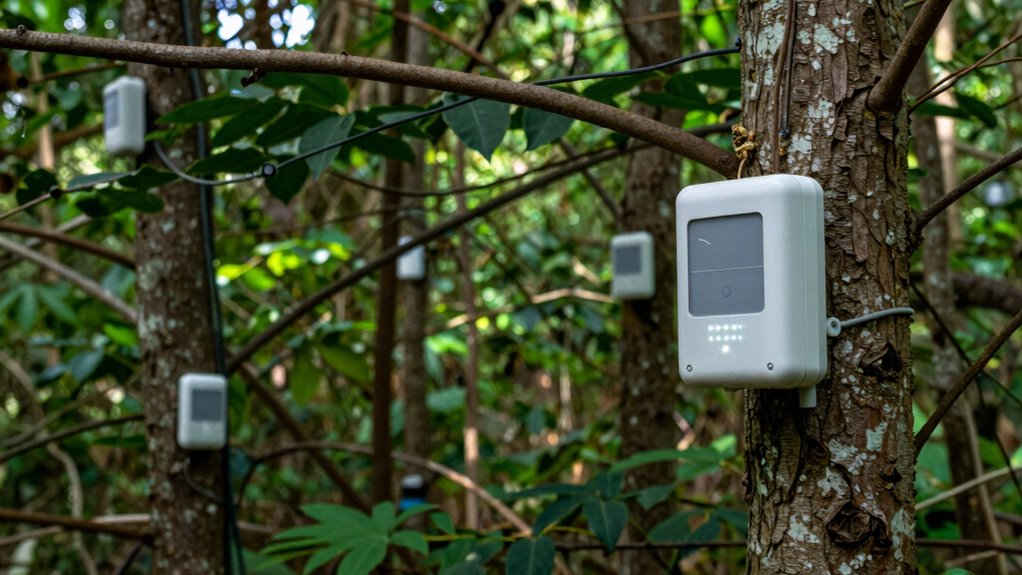
You might wonder if wandering sensors can stand up to real-world conditions. Environmental interference, placement issues, and false alarms can all affect their reliability. Understanding these challenges helps you decide if they’re suitable for your needs. Additionally, proper installation and maintenance are crucial to ensure their consistent performance in outdoor environments outdoor kitchen setup. Ensuring correct sensor placement and regular calibration can significantly improve their accuracy and reduce false alarms over time. Being aware of sensor limitations can help you better interpret alerts and avoid unnecessary troubleshooting. Recognizing the influence of environmental factors can further enhance your ability to maintain reliable sensor operation. Moreover, selecting sensors with robust construction can improve durability against harsh outdoor conditions.
Environmental Interference Effects
Environmental interference poses a significant challenge to the reliability of wandering sensors in real-world conditions. These sensors often rely on accurate sensor calibration, which can be disrupted by environmental factors like temperature fluctuations, humidity, dust, or electromagnetic interference. Such factors can cause false alarms or missed detections, reducing trust in their readings. Because wandering sensors move unpredictably, they are more exposed to varied environmental conditions, amplifying these issues. To guarantee reliability, you need to regularly calibrate sensors and account for environmental influences during installation and maintenance. Without proper calibration and environmental management, wandering sensors may produce inconsistent results, making them less dependable in practical settings. Recognizing these interference effects is vital to optimizing sensor performance and ensuring accurate, trustworthy alerts. Additionally, understanding the operational resilience of sensor networks can help mitigate the impact of environmental disturbances and improve long-term reliability.
Sensor Placement Challenges
The placement of wandering sensors considerably impacts their reliability in real-world environments, as unpredictable movement can lead to inconsistent data collection. If sensors aren’t properly calibrated for their specific locations, their readings may become inaccurate, reducing overall effectiveness. Proper sensor calibration ensures that data remains trustworthy despite movement. Additionally, placement affects battery longevity; sensors in high-traffic or challenging spots drain batteries faster, limiting operational time. You need to consider ideal locations that balance accessibility with stability, minimizing unnecessary movement. Ensuring sensors are securely positioned helps maintain calibration and conserves power, making them more dependable. Ultimately, strategic placement and regular calibration are key to overcoming challenges posed by environment and movement, ensuring your sensors deliver consistent, reliable data over time.
False Alarm Risks
Wandering sensors can sometimes trigger false alarms more often than stationary ones, especially in unpredictable environments. This risk stems from factors like environmental changes and movement patterns that confuse the sensor. To minimize false alarms, consider these key points:
- Proper sensor calibration ensures sensors interpret signals accurately, reducing unintended triggers.
- Regularly updating alarm system integration prevents false positives caused by outdated or incompatible connections.
- Using sensors designed for dynamic environments helps distinguish between genuine alerts and minor disturbances.
What Features Should You Look for in a Wandering Alarm System?

Choosing the right wandering alarm system involves considering several key features that guarantee safety and reliability. First, look for alarm system integration, ensuring it works seamlessly with your existing security setup. This makes managing alerts and responses more efficient. Next, focus on user interface design; a simple, intuitive interface allows you to operate the system easily, reducing mistakes during emergencies. Additional features like adjustable sensitivity, real-time monitoring, and remote access boost effectiveness. Battery backup is essential for continuous protection during power outages, and false alarm prevention features help avoid unnecessary disruptions. By prioritizing these features, you guarantee your wandering alarm system is both user-friendly and dependable, providing peace of mind for you and your loved ones.
Wireless vs. Wired Wandering Sensors: Which Is Better?
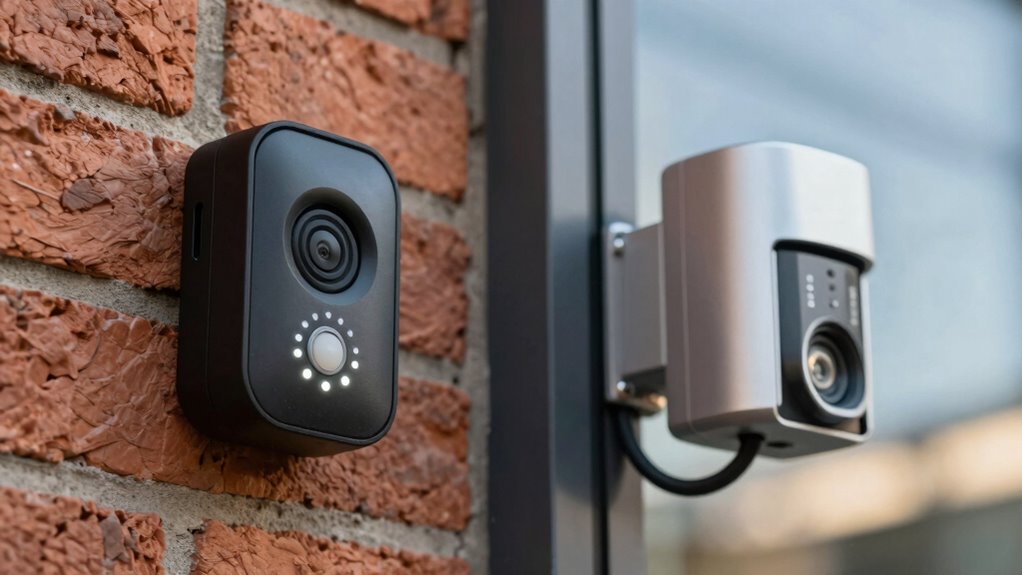
When deciding between wireless and wired wandering sensors, it’s important to weigh their strengths and limitations. Wireless sensors offer flexibility, quick installation, and easy placement, making them ideal for personal safety and emergency preparedness. Wired sensors, on the other hand, provide a more reliable connection and are less prone to interference, ensuring consistent monitoring. Consider these key points:
Wireless sensors offer flexibility and quick setup, while wired sensors ensure reliable, interference-free monitoring.
- Wireless sensors are portable and adaptable, perfect for dynamic environments.
- Wired sensors deliver a stable connection, reducing false alarms and ensuring continuous coverage.
- Your choice impacts emergency response speed and overall safety, especially in critical situations.
Ultimately, choose based on your environment, safety priorities, and the level of reliability you need for peace of mind.
Common Challenges and How to Minimize False Alarms
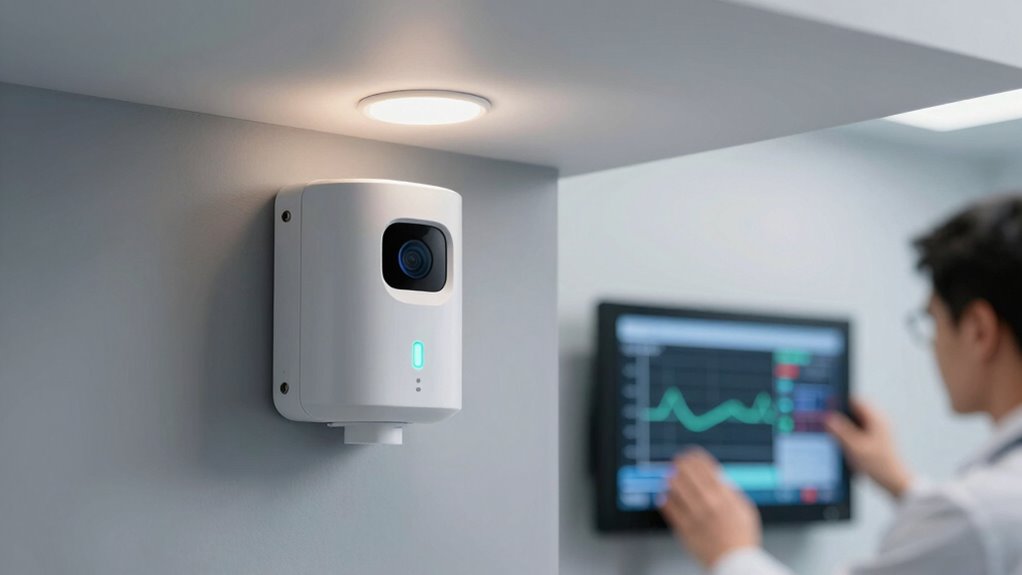
False alarms are a common challenge with wandering sensors, often caused by environmental factors, sensor placement, or interference. To reduce these false triggers, proper sensor calibration is vital; regularly calibrate your devices to guarantee they respond accurately to actual wandering. Additionally, user training plays an essential role—teach caregivers how to position sensors correctly, avoid obstructions, and recognize genuine alerts. Making sure sensors are placed in ideal locations and maintained properly helps prevent unnecessary alarms. Keep in mind that environmental changes, like moving furniture or adjusting lighting, can affect sensor performance, so stay vigilant. Consistent calibration and informed users are your best tools to minimize false alarms, ensuring your wandering sensors provide reliable safety without constant false alerts.
Real-Life Examples: Which Wandering Sensors Work Best?
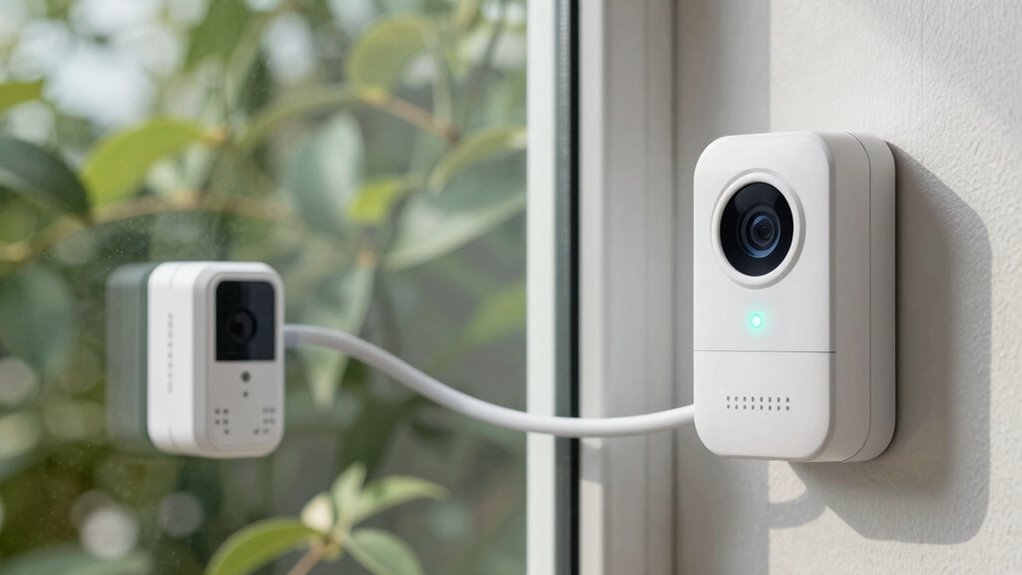
Real-life experiences show that the most effective wandering sensors are those tailored to specific environments and individual needs. Proper sensor calibration guarantees accurate detection, reducing false alarms and increasing reliability. User training also plays a vital role, helping you understand how to interpret alerts and maintain the system. Here are three examples of sensors that work best:
- Infrared motion sensors: Ideal for indoor use, they detect body heat and require careful calibration to avoid false triggers from pets or sunlight.
- Wearable GPS trackers: Perfect for outdoor environments, these sensors depend on proper calibration and user training for seamless operation.
- Pressure-sensitive mats: Used at entry points, they need correct calibration to distinguish between residents and visitors, with user training ensuring correct placement and maintenance.
Choosing the right sensor involves attention to calibration and ongoing user education.
Tips to Get the Most Out of Your Wandering Alarm System
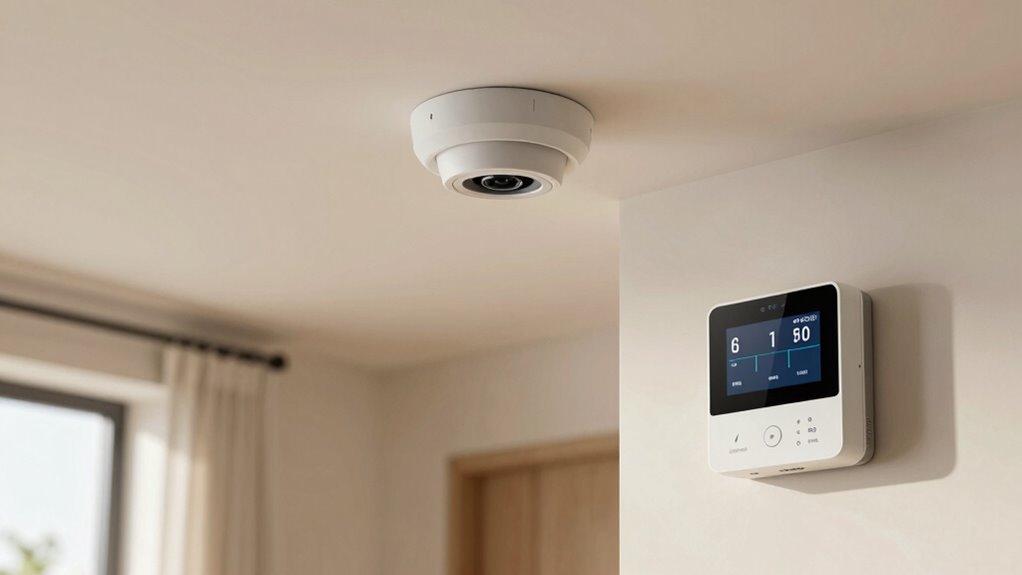
Maximizing the effectiveness of your wandering alarm system starts with proper setup and ongoing management. Begin by regularly calibrating your sensors to ensure accurate detection and minimize false alarms. Proper calibration helps your system respond only when necessary, providing reliable alerts. Keep an eye on battery life—replace or recharge batteries promptly to prevent system failure. Consider using high-quality batteries that last longer, reducing maintenance frequency. Position sensors strategically, avoiding areas prone to environmental interference, to enhance their sensitivity. Regularly test your alarm system to confirm everything functions correctly. Clear any obstructions around sensors and keep the environment tidy. By maintaining proper calibration, monitoring battery life, and performing routine checks, you’ll maximize your wandering alarm system’s performance and ensure safety.
Frequently Asked Questions
How Do Wandering Sensors Differentiate Between Humans and Animals?
Wandering sensors differentiate between humans and animals primarily through motion detection and infrared technology. When motion is detected, the sensor analyzes size, shape, and movement patterns. Infrared technology helps identify body heat, which varies between humans and animals. By combining these methods, sensors can accurately distinguish between humans and animals, reducing false alarms. You get reliable security that responds only to genuine threats, ensuring peace of mind.
What Is the Typical Lifespan of Wandering Alarm Sensors?
You can typically expect wandering alarm sensors to last around 3 to 5 years, depending on factors like sensor calibration and battery longevity. Regularly calibrating your sensors guarantees they function accurately, while choosing models with longer-lasting batteries reduces maintenance. Keep an eye on battery levels and perform periodic calibrations to extend their lifespan, ensuring reliable security coverage without frequent replacements. Proper care helps maximize your sensor’s durability over time.
Can Wandering Sensors Be Integrated With Existing Security Systems?
You can absolutely integrate wandering sensors with your existing security system. Nearly 85% of modern systems support seamless integration through compatible protocols. Using motion detection and sensor calibration, you guarantee the sensors work harmoniously with your current setup. This integration boosts security, allowing better monitoring and fewer false alarms. Just check compatibility and update your system’s firmware if necessary—it’s a simple step to enhance your overall security.
How Do Environmental Factors Affect Sensor Performance?
Environmental factors can considerably impact sensor performance by causing interference or false alarms. You need to regularly calibrate your sensors to account for changes in temperature, humidity, and dust levels. Environmental interference, like moving objects or weather conditions, can also disrupt signals. By maintaining proper sensor calibration and understanding your environment, you guarantee your security system remains reliable and responsive, reducing false alarms and increasing detection accuracy.
Are There Legal Considerations for Using Wandering Sensors?
Yes, you need to contemplate legal compliance and privacy concerns when using wandering sensors. Make sure your sensors adhere to local laws and regulations, especially regarding monitoring and data collection. Avoid infringing on privacy rights by informing individuals about sensor use and securing consent where necessary. Staying informed about legal restrictions helps prevent potential lawsuits or penalties, ensuring your sensor deployment remains lawful and respectful of privacy standards.
Conclusion
In the world of security, wandering sensors are your vigilant guardians, tirelessly patrolling the perimeter like loyal sentinels. When you choose the right type and features, they become an unstoppable fortress, shielding your home from unseen intruders. Remember, no system is perfect, but with smart placement and regular checks, your alarm setup can sing a harmonious tune of safety. Trust in these digital watchdogs—they’ll keep the shadows at bay and your peace of mind shining bright.
Cold & flu season Picks
humidifiers
As an affiliate, we earn on qualifying purchases.