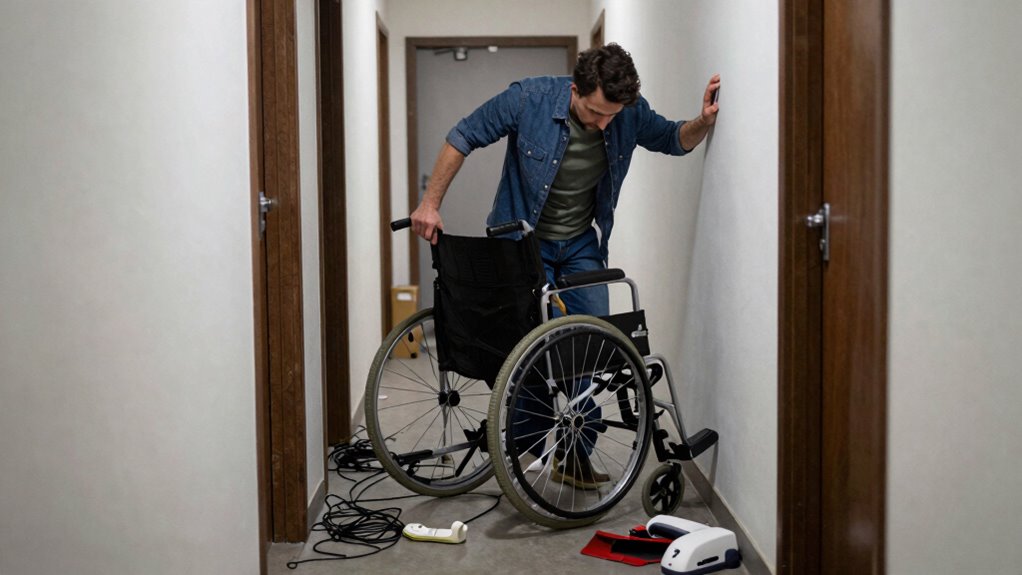

When introducing mobility equipment, don’t rush or overload the person with too many devices at once, as this can cause confusion or frustration. Avoid using force, pressure, or unclear demonstrations that might make them uncomfortable or distrustful. Respect their preferences, comfort, and emotional reactions—never shame or criticize them. Patience is key; take your time and support them gently. If you want to learn more about creating a positive experience, keep exploring these important tips.
Key Takeaways
- Avoid rushing the process or introducing multiple devices simultaneously to prevent confusion and overwhelm.
- Do not ignore the user’s comfort, preferences, or emotional reactions; involve them in decision-making.
- Refrain from applying pressure, force, or using poor demonstration techniques that cause discomfort or mistrust.
- Do not create a judgmental or negative environment that undermines confidence or independence.
- Always listen to and validate emotional responses, providing support rather than dismissing feelings during adaptation.
As an affiliate, we earn on qualifying purchases.
Start Slow: Don’T Overload the Person With Equipment Too Fast
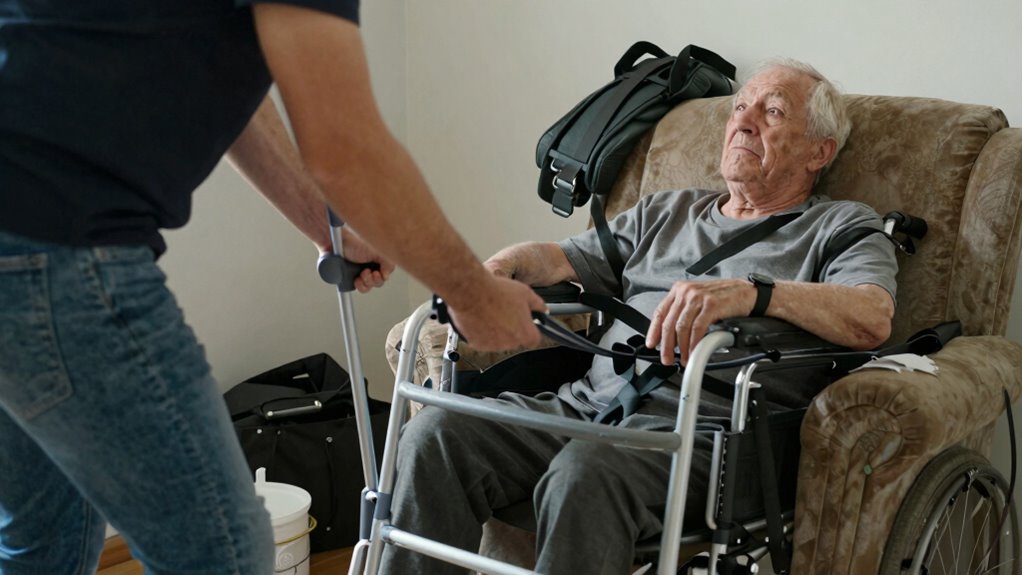
When introducing mobility equipment, it’s essential to start slow and avoid overwhelming the person with too many devices at once. Equipment overload can cause confusion or frustration, making the *shift* more difficult. Instead of rushing into a rapid *transition*, focus on one piece of equipment at a time. This helps the individual adapt comfortably and build confidence gradually. Pushing too many devices too quickly may lead to resistance or feelings of being overwhelmed. Remember, patience is key. By pacing the introduction, you give the person space to understand how each item works and how it fits into their daily life. Taking small, deliberate steps ensures a smoother adjustment process and fosters a positive attitude toward mobility improvements. Creating calm environments by managing the pace of change can significantly enhance the success of adopting new equipment. Additionally, understanding user comfort and individual needs is crucial for a successful integration. Recognizing adaptive techniques can further improve the overall experience and ease of use. Incorporating effective communication techniques can also help address concerns and provide reassurance throughout the process. Incorporating appropriate technology such as high-quality mobility devices, which are designed with precise specifications like high contrast ratios and accurate color rendering, can further support the individual’s adaptation.
Understand Their Preferences and Comfort Levels

To guarantee a successful introduction of mobility equipment, you need to understand the person’s preferences and comfort levels. Respecting their personal preferences helps build trust and facilitates the transition. Consider these key points:
Understanding and respecting individual preferences ensures a smooth transition to mobility equipment.
- Ask about their comfort levels with different types of equipment before trying anything new.
- Observe their reactions and adjust accordingly, noting what seems to make them comfortable or uneasy.
- Involve them in decision-making to ensure their preferences are prioritized.
- Be patient and flexible, recognizing that comfort levels may change over time.
- Remember that personal preferences are a critical factor in promoting acceptance and ease of use. Recognizing that user comfort can influence overall satisfaction with mobility aids is essential for successful adoption. Additionally, understanding individual needs can help tailor solutions that are more likely to be accepted and used effectively. Incorporating person-centered approaches ensures that the introduction process respects each person’s unique situation and fosters trust. Being attentive to emotional responses during the process can further enhance acceptance and comfort.
Use Gentle Guidance, Not Force or Pressure

Always guide with a gentle touch and respect their personal comfort. Avoid pushing or forcing movements, as this can cause discomfort or mistrust. Instead, offer support calmly and patiently, letting them set the pace. Remember that home safety improvements can also help make mobility easier and more comfortable during transitions. Being attentive to their individual needs ensures a more positive and respectful experience. Incorporating proper techniques can further prevent injury and build trust during assistance. Understanding assistive device operation can promote safer and more confident use by the individual, especially when considering ergonomic principles to optimize comfort and effectiveness.
Respect Personal Comfort
Introducing mobility equipment requires sensitivity; using gentle guidance helps guarantee the person feels safe and respected. Always honor personal boundaries by asking before touching or adjusting their body. Be mindful of cultural considerations that influence comfort levels with physical contact or proximity. To respect personal comfort:
- Observe their reactions and adjust your approach accordingly.
- Communicate clearly and ask for permission before assisting.
- Avoid rushing; give them time to feel at ease.
- Respect their cues if they prefer minimal physical contact or space.
- Clear communication is essential for establishing trust and understanding during assistance. Additionally, understanding cultural considerations can greatly enhance comfort and cooperation during the process. Being aware of body language cues can also help you better interpret their comfort level and respond appropriately. Remember that personal boundaries should always be prioritized to foster a respectful environment. Incorporating smart home technology can provide additional support and comfort by enabling discreet and non-intrusive assistance options.
Offer Support Gently
When offering support during mobility assistance, it’s important to use gentle guidance rather than force or pressure. Respecting the individual’s emotional readiness is key; rushing or pushing can create anxiety or resistance. Remember, peer influence can impact how comfortable they feel accepting help, so your calm, patient approach encourages trust. Instead of insisting or grabbing, offer your hand softly, speak reassuringly, and wait for their cues. Your gentle support shows respect for their autonomy and builds confidence. Avoid making them feel rushed or judged, as this can hinder acceptance of mobility equipment. By guiding with kindness, you foster a sense of safety and control, which helps them gradually embrace the new support system at their own pace. Incorporating auditory cues into your approach can also help reinforce communication and reassurance during this process. Being mindful of emotional readiness can further enhance their comfort and willingness to accept assistance. Additionally, understanding positive reinforcement techniques can motivate and reassure individuals as they adapt to new mobility aids. Recognizing their comfort levels can help tailor your approach to meet their unique needs and promote a smoother transition. Using positive communication strategies can also promote a more trusting and relaxed environment during this process.
Show Them How to Use the Equipment Properly

To guarantee safe use of the equipment, demonstrate proper techniques clearly and confidently. Use step-by-step instructions so they understand each part of the process. This approach helps prevent confusion and promotes independence. Additionally, highlighting support breakfast options and resources can encourage a positive and supportive environment during the introduction process.
Proper Demonstration Techniques
Showing how to use mobility equipment correctly is essential to guarantee safety and confidence. Proper demonstration techniques ensure the user feels secure and understands equipment safety. To do this effectively:
- Clearly explain each part of the equipment, highlighting safety features.
- Demonstrate the correct way to operate and adjust it.
- Use simple language to reinforce patient education.
- Encourage the user to practice, offering feedback and reassurance.
Clear, Step-by-Step Instructions
Once you’ve demonstrated how to operate the equipment, providing clear, step-by-step instructions helps the user feel confident in their ability to use it safely. Focus on guiding them through each action calmly, considering their emotional readiness. Break down the process into simple, manageable steps, and avoid rushing, which can cause confusion or anxiety. Be aware of peer influence—sometimes, users may feel pressured to perform tasks without proper understanding. Reinforce that it’s okay to ask questions and take their time. Clear instructions build trust and reduce fear, empowering users to operate mobility equipment independently. Remember, a confident user is more likely to use the equipment correctly and safely, which minimizes accidents and promotes positive experiences.
Be Kind: Avoid Shaming or Guilt-Tripping

Introducing mobility equipment requires sensitivity because your attitude can profoundly impact how the person feels. Avoid shaming behavior or guilt-tripping comments that make them feel embarrassed or inadequate. Instead, foster a supportive environment by focusing on encouragement. Here are four key points:
- Don’t criticize or mock their choice to use mobility equipment.
- Steer clear of comments that imply they should do without assistance.
- Refrain from making jokes at their expense about mobility aids.
- Always show respect for their feelings and independence.
Your approach can either boost their confidence or deepen feelings of guilt. By choosing kindness and understanding, you help them view mobility equipment as a positive, empowering tool rather than a source of shame.
Watch for Emotional Reactions and Offer Support

When someone begins using mobility equipment, their emotional response can vary widely, and it’s important to stay attentive. They might feel relief, frustration, anxiety, or even sadness. Recognizing these emotional reactions helps you respond with sensitivity. Instead of dismissing their feelings, offer support by listening without judgment and validating their experience. Your presence can make a big difference in how they adapt. Avoid pushing them to feel a certain way or rushing their adjustment process. Instead, acknowledge their emotions and reassure them that it’s normal to experience a range of feelings during this progression. Your support can foster trust, making it easier for them to accept and embrace their new mobility equipment. Remember, emotional reactions are natural, and your understanding can help them feel less alone.
Take Your Time: Don’t Rush the Transition or Forget Ongoing Help

Adjusting to mobility equipment takes time, so it’s important not to rush the process. Respect your loved one’s patient autonomy, allowing them to adapt at their own pace. Remember, cultural sensitivity plays a role in how they perceive the progression, so be mindful of their comfort levels. To support a smooth transition:
Adjusting to mobility aids requires patience and respect for individual comfort and cultural sensitivities.
- Allow sufficient time for training and practice.
- Offer ongoing assistance without pressure.
- Respect their decisions and preferences.
- Check in regularly to address concerns or questions.
Patience shows you value their independence, and ongoing help reassures them they’re not alone. Rushing or neglecting these steps can lead to frustration or resistance. Take it slow, listen actively, and prioritize their comfort and autonomy throughout the process.
Frequently Asked Questions
How Can I Tell if the Person Is Comfortable With the New Equipment?
You can tell if the person is comfortable with the new equipment by paying attention to their body language and verbal cues. Look for relaxed posture, steady movements, and a smile, which indicate ease. Listen for positive comments or questions, and note if they seem confident using the device. If they avoid eye contact, fidget, or express discomfort verbally, it’s a sign they might need more support or reassurance.
What Are Signs of Emotional Distress During Mobility Equipment Introduction?
You’ll notice signs of emotional distress through body language and verbal cues. Watch for tense posture, avoiding eye contact, or fidgeting, which indicate discomfort. Listen for hesitations, sighs, or abrupt responses that reveal anxiety or frustration. If you see these signs, pause to check in with the person, offer reassurance, and give them space to express their feelings. Addressing emotional distress helps foster trust and comfort during the changeover.
How Do I Handle Resistance or Refusal to Use the Equipment?
When facing resistance or refusal to use mobility equipment, you should provide emotional support and avoid peer pressure. Encourage open communication, listen to concerns, and reassure them that adapting takes time. Offer positive reinforcement and share success stories to boost confidence. Remember, patience is key—respect their feelings while gently guiding them towards acceptance, making sure they feel supported rather than pressured throughout the process.
When Should I Seek Professional Advice During the Transition?
A stitch in time saves nine, so don’t wait too long to seek professional guidance during your mobility changeover. You should consult an expert as soon as you notice persistent resistance, discomfort, or unfamiliarity with the equipment. Timely assessment timing ensures you get the right support and adjustments. Trust your instincts, and when in doubt, reach out for professional advice to ensure a smooth and safe changeover.
How Can I Maintain Patience Throughout the Adjustment Process?
To maintain patience during the adjustment process, focus on patience strategies like setting small, achievable goals and celebrating progress. Remember, it’s normal to face frustrations, so seek emotional support from friends, family, or support groups. Take breaks when needed, practice mindfulness, and stay positive. With consistent effort and support, you’ll find it easier to stay patient and adapt comfortably to your new mobility equipment.
Conclusion
Remember, patience and compassion are vital when introducing mobility equipment. Proceed with kindness, keeping their comfort and confidence at the core. Don’t rush the process or force unfamiliarity—foster familiarity through gentle guidance. By balancing patience and support, you’ll build trust and ease their shift. Stay sensitive, stay steady, and show sincere support. Your calm, caring approach can make all the difference in helping them embrace mobility with confidence and comfort.