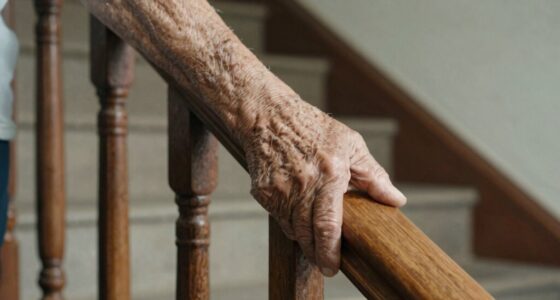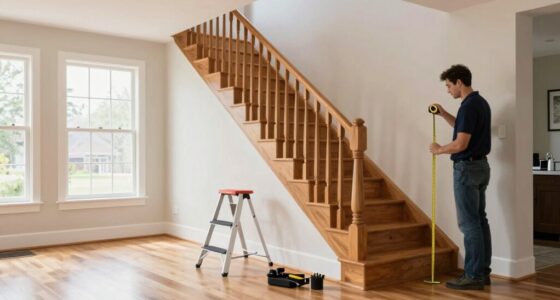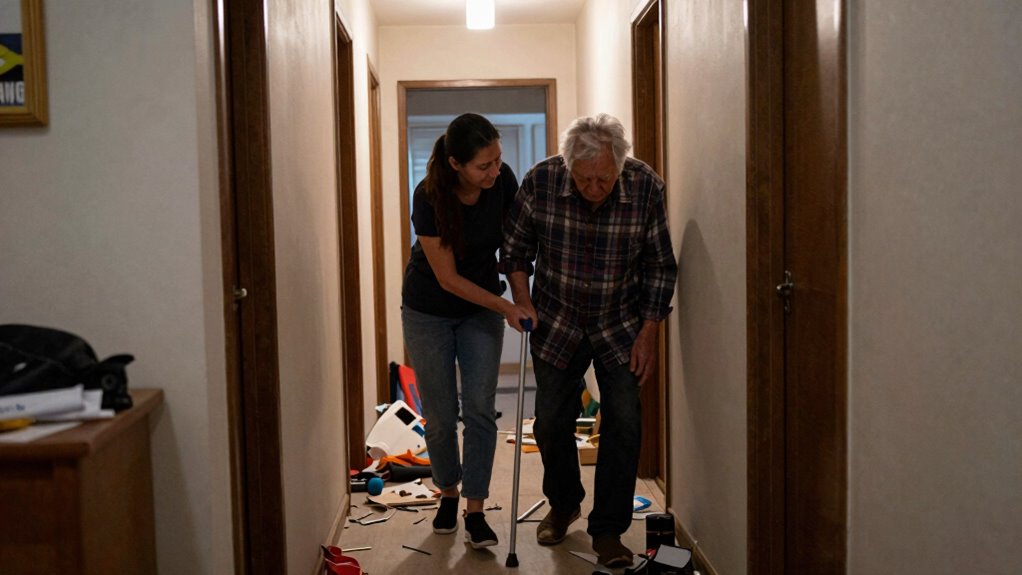

Inaccessible homes can silently take a toll on you as a caregiver, leading to physical injuries from lifting or maneuvering narrow spaces, and emotional stress from feeling overwhelmed or helpless. You might also face unexpected expenses for home modifications that strain your finances. The ongoing stress and physical risks impact your health and well-being over time. Exploring solutions can help you ease these hidden burdens—stay with us to find out how you can make a difference.

Turn quiet afternoons into listening time
- Thousands of audiobooks, podcasts and originals
- Listen on your phone, tablet or Echo — also offline
- Cancel anytime
Key Takeaways
- Physical strain from maneuvering in inaccessible homes increases injury risk and long-term health costs for caregivers.
- Emotional exhaustion and burnout stem from constant stress and frustration caused by home design limitations.
- Unplanned home modifications and retrofits lead to significant financial expenses beyond initial estimates.
- Safety risks escalate when homes lack necessary accessibility features, potentially resulting in costly accidents.
- Limited community support and social isolation intensify emotional burdens for caregivers in inaccessible environments.
home ramps for mobility assistance
As an affiliate, we earn on qualifying purchases.
As an affiliate, we earn on qualifying purchases.
What Is Home Inaccessibility and Why Does It Matter?

Have you ever considered how a home’s design can prevent caregivers from providing the support their loved ones need? Inaccessibility often stems from poor home design and strict zoning regulations that limit modifications. When homes lack features like ramps, wide doorways, or grab bars, it becomes difficult for caregivers to assist loved ones with mobility issues. Zoning regulations can also restrict renovations or additions that improve accessibility, making it harder to adapt homes to evolving needs. This inaccessibility isn’t just inconvenient—it can compromise safety and independence for those needing care. Understanding what makes a home inaccessible helps highlight why thoughtful design and flexible zoning are essential. They ensure caregivers can do their jobs effectively while maintaining the dignity and comfort of their loved ones. Innovative European Cloud Servers exemplify how advanced infrastructure can support sustainable and adaptable solutions in various sectors. Additionally, implementing accessible home features can significantly reduce caregiver strain and improve overall well-being for both caregivers and their loved ones. Moreover, incorporating home modification techniques can transform existing spaces into safer, more functional environments that meet the needs of all residents. Recognizing the role of home energy integration can also facilitate the adoption of innovative solutions like backup power, which can be crucial during emergencies and support continuous care. Proper planning and investment in home accessibility features can also help prevent higher future costs associated with retrofitting or emergency responses.
How Inaccessible Homes Affect Caregivers’ Lives
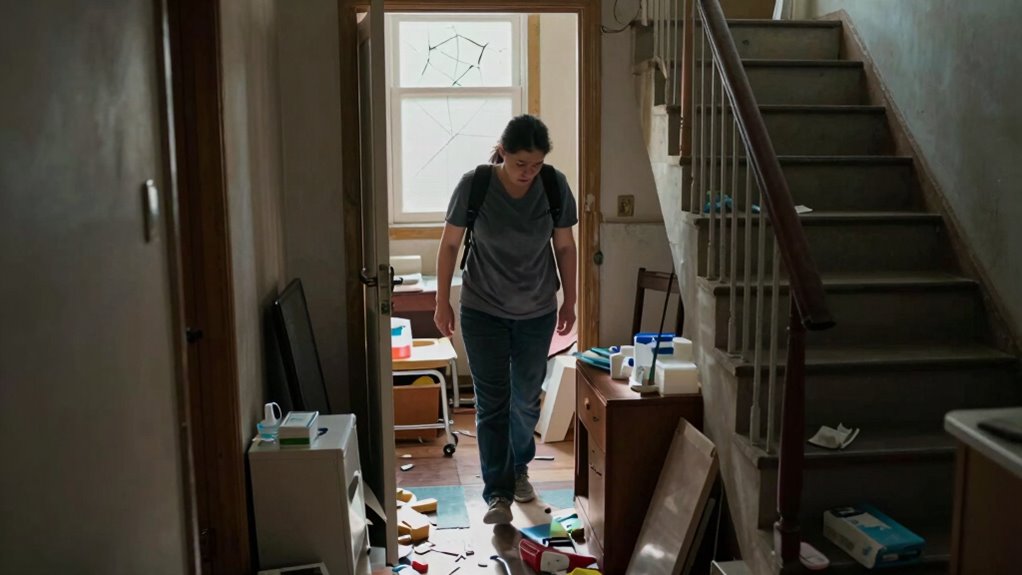
When your home isn’t accessible, you often face physical strain and fatigue as you try to care for your loved one. The constant effort takes an emotional and mental toll that can feel overwhelming. These challenges can quickly affect your well-being and your ability to provide consistent support. Incorporating accessible modifications such as ramps, grab bars, or stairlifts can help mitigate some of these burdens and improve daily safety. Understanding how smart appliances can assist with routine tasks allows caregivers to leverage technology for increased independence and efficiency, making daily caregiving less taxing. Recognizing the importance of home safety features can empower caregivers to create a more supportive environment, including climate‑specific lists that ensure the home remains comfortable and accessible year-round.
Physical Strain and Fatigue
Inaccessible home layouts force caregivers to repeatedly lift, bend, and maneuver in ways that quickly lead to physical exhaustion. This constant strain causes muscle fatigue and increases the risk of injury. Without ergonomic tools, you strain your body further, making simple tasks more exhausting. The repetitive nature of these movements wears you down over time, leading to persistent fatigue that impacts your daily life. To illustrate, consider this comparison:
| Task | With Accessibility | Without Accessibility |
|---|---|---|
| Lifting heavy objects | Using ergonomic tools reduces strain | Increased muscle fatigue |
| Navigating narrow spaces | Clear pathways lessen effort | Frequent bending and twisting |
Inaccessible homes force you into strenuous positions, draining your energy and compromising your well-being. Additionally, electric dirt bikes are designed to be lightweight and maneuverable, which can help reduce some physical strain when used appropriately. Recognizing the importance of ergonomic tools can significantly improve the well-being of caregivers by alleviating repetitive stress and preventing injury. Incorporating home modifications tailored to accessibility can further decrease physical demands, promoting better health and energy levels for caregivers. Understanding the impact of home design on caregiver health is essential for creating safer, more manageable living environments. Moreover, utilizing power tools with ergonomic features can make many tasks less physically taxing, further supporting caregiver health.
Emotional and Mental Toll
Caregivers often face a significant emotional and mental burden simply because their homes aren’t designed to support their needs. Constantly managing obstacles and adapting to inaccessible spaces can lead to caregiver burnout and emotional exhaustion. You may feel overwhelmed by the persistent stress of ensuring safety and comfort, which takes a toll on your mental health. The frustration of steering through barriers can cause feelings of helplessness and guilt, especially when you can’t provide the ideal environment. Over time, these emotional strains can diminish your resilience and increase anxiety or depression. Without proper support or accessible modifications, your mental well-being suffers, making it harder to handle daily responsibilities and maintain your own health. Recognizing this toll is crucial to addressing the broader impacts of inaccessible homes. Implementing home modifications can significantly reduce these emotional and mental challenges, helping caregivers feel more empowered and less isolated. Additionally, seeking support networks can provide emotional relief and practical advice to better manage these stresses. *Understanding the importance of accessible design can also promote healthier environments that support both caregivers and those they care for.* These insights underscore how adaptive technology can further improve daily living conditions and reduce burden.
The Hidden Financial and Emotional Costs of Home Modifications
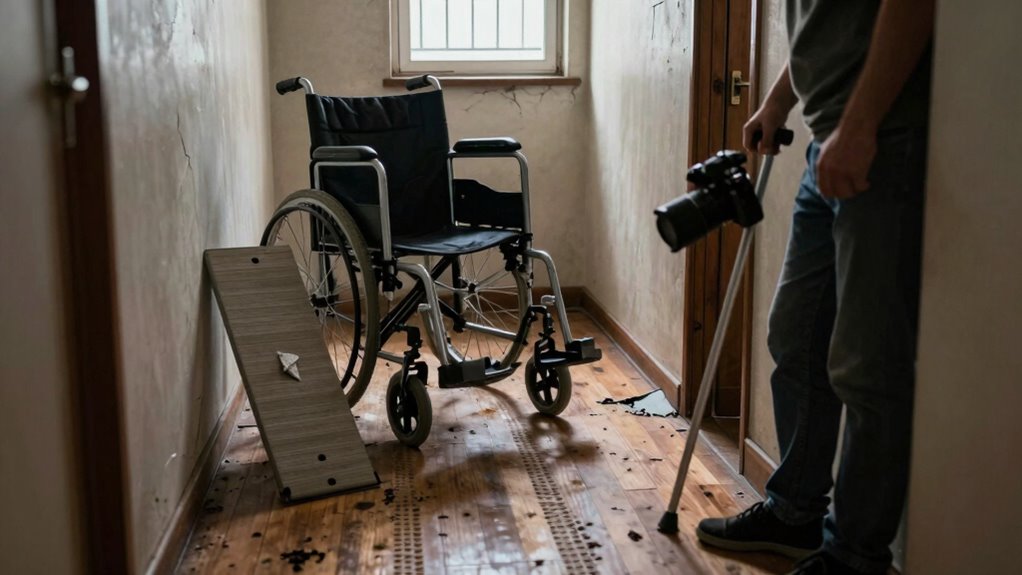
Home modifications designed to improve accessibility often come with unexpected financial and emotional burdens that many overlook. These costs can strain your resources and add emotional stress to an already challenging situation. Here are some hidden costs to consider:
- Unexpected expenses beyond initial estimates, increasing your financial burden.
- Delays in completing modifications, prolonging stress and frustration.
- Emotional strain from navigating permits, contractors, and decision-making.
- Potential disruptions to daily routines, causing further emotional fatigue.
- Overlooking the importance of planning can lead to unanticipated expenses and delays that compound stress. Additionally, inadequate planning can result in inefficient use of resources, further escalating costs and delays.
- Failing to properly estimate costs may leave caregivers unprepared for the true financial impact, leading to last-minute financial strain and compromises on the project’s scope. Recognizing the value of comprehensive planning can help mitigate some of these unforeseen challenges.
- Incorporating cost-effective solutions during the planning stage can help manage expenses without sacrificing quality or safety.
While home upgrades aim to ease caregiving, they can unintentionally create financial pressure and emotional exhaustion. Recognizing these hidden costs helps you prepare better and manage the overall impact more effectively.
What Are the Health Risks for Caregivers and How to Reduce Them?
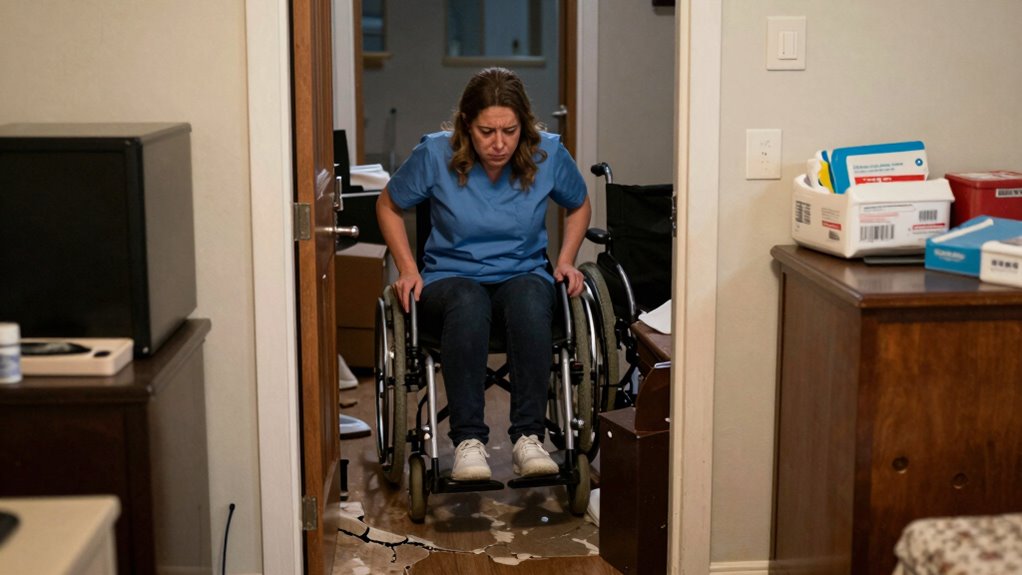
As a caregiver, you face physical risks like strains and injuries from lifting or moving others. Mental health challenges such as stress and burnout can also take a toll on your well-being. Learning how to manage these risks helps protect your health and keeps you effective in your role. Incorporating preventive measures such as proper lifting techniques and stress management strategies can significantly reduce the likelihood of injuries and mental health issues. Engaging in comprehensive architectural solutions can also create safer and more accessible environments that ease caregiving tasks and reduce physical strain.
Physical Strain and Injury
Physical strain from caregiving tasks can lead to serious health problems if not managed properly. Without proper precautions, you risk back injuries, muscle strains, and joint pain. To prevent this, consider these strategies:
- Use ergonomic tools designed to reduce strain during lifts and transfers.
- Incorporate mobility aids like walkers or transfer belts to support safe movement.
- Maintain proper posture by aligning your body correctly during tasks.
- Take regular breaks to stretch and avoid overexertion.
Implementing these measures helps protect your body from injury and ensures you can provide care without unnecessary pain. Prioritizing ergonomics and assistive devices is essential for your health and long-term caregiving sustainability.
Mental Health Challenges
Caregiving can take a serious toll on your mental health, increasing the risk of stress, anxiety, depression, and burnout. Constantly managing inaccessible environments adds to emotional strain, making it harder to maintain emotional resilience. Over time, caregiver burnout can develop, leaving you overwhelmed and exhausted. To reduce these risks, prioritize self-care and seek support from friends, family, or support groups. Setting boundaries and taking regular breaks help preserve your mental well-being. Practice mindfulness or relaxation techniques to manage stress effectively. Recognizing signs of emotional fatigue early allows you to address them before they worsen. Remember, caring for your mental health isn’t a sign of weakness—it’s essential for sustaining your ability to provide care without compromising your well-being.
Community and Family Impacts of Home Inaccessibility
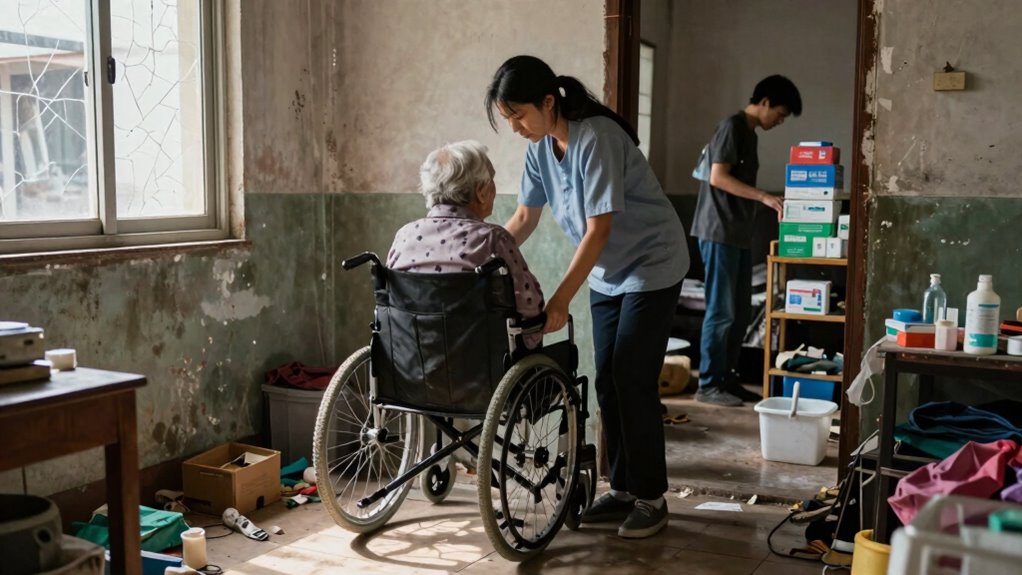
When homes are inaccessible, families often face increased stress and emotional strain as they struggle to provide care within their limited environments. This situation impacts the broader community and family dynamics in several ways:
- Reduced community support, as neighbors and local groups may hesitate to offer help due to accessibility concerns.
- Heightened social isolation for both caregivers and care recipients, limiting social interactions and support networks.
- Strained family relationships, as the burden of care often falls unevenly, creating tension.
- Decreased community engagement, since inaccessible homes discourage participation in local activities.
These challenges deepen the sense of disconnect, making it harder for families to access resources and emotional support, ultimately affecting community cohesion and individual well-being.
Strategies Caregivers Use to Cope With Accessibility Challenges
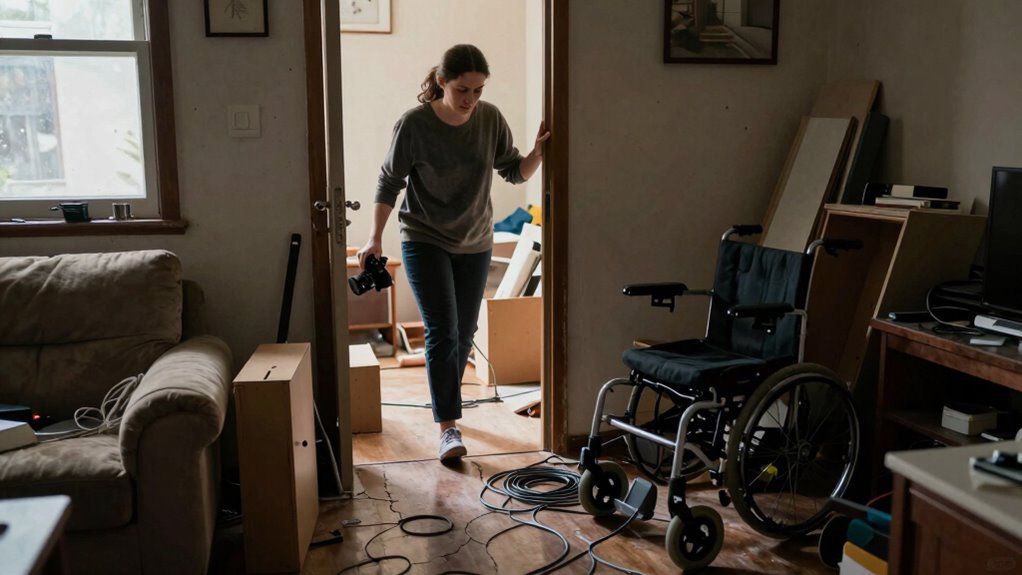
Faced with home inaccessibility, caregivers often develop practical strategies to manage the challenges and maintain their loved ones’ well-being. You might rely on adaptive tools like grab bars, stair lifts, or portable ramps to improve mobility and safety. These devices help you navigate daily tasks more efficiently and reduce injury risks. Additionally, peer support plays a vital role; connecting with others facing similar challenges provides emotional reassurance, practical advice, and shared experiences that validate your efforts. Support groups, online forums, and community networks can offer valuable insights and encouragement, making you feel less isolated. By combining adaptive tools with peer support, you create a more manageable environment that promotes independence for your loved one and eases your caregiving burden.
How to Reduce Costs and Improve Accessibility in Homes
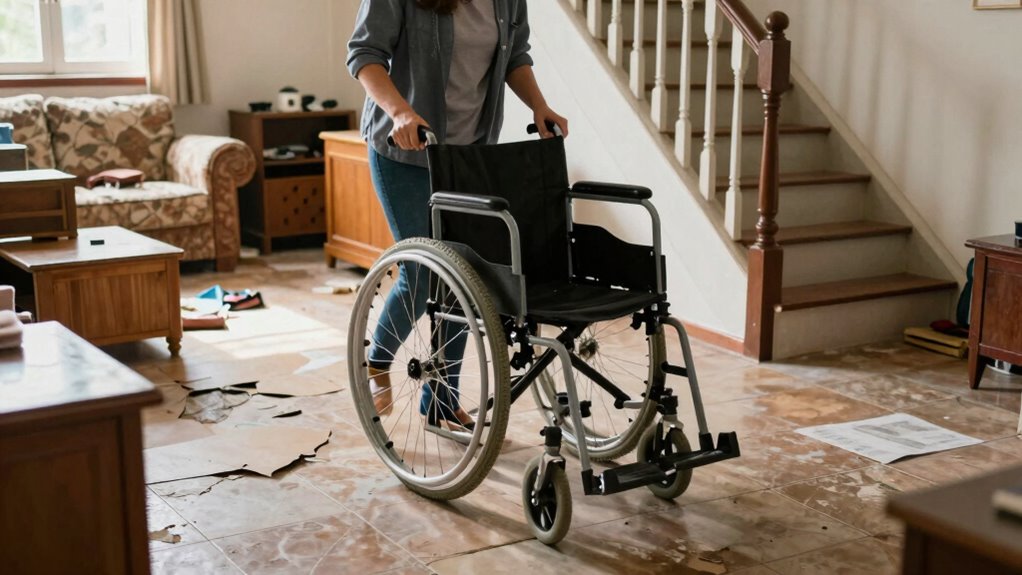
Improving home accessibility doesn’t have to break the bank; there are practical ways to cut costs while making your space safer and more functional. Start by embracing universal design principles, which create flexible spaces that serve everyone. Consider investing in assistive technology, like ramps or grab bars, that are affordable and easy to install. Here are some tips:
Affordable solutions like universal design and assistive tech make home accessibility safer and easier.
- Use portable, cost-effective solutions like stair lifts or removable ramps.
- Retrofit doorways and hallways with wider dimensions for better mobility.
- Incorporate assistive technology such as voice-activated devices or motion sensors.
- Focus on universal design features that eliminate barriers without extensive renovations.
These strategies help you improve accessibility while keeping expenses manageable.
Frequently Asked Questions
How Do I Assess My Home’s Accessibility Needs Effectively?
To evaluate your home’s accessibility needs effectively, start with a thorough home safety check and perform a mobility assessment. Look for potential hazards like loose rugs or narrow doorways. Consider how easily someone with limited mobility can navigate each space. Invite a professional if needed to identify specific modifications. This proactive approach ensures your home is safe, comfortable, and accessible for everyone, reducing long-term caregiving costs and stress.
What Grants or Financial Aid Options Are Available for Home Modifications?
You can explore various grants and financial aid options for home modifications, such as local government programs, nonprofit organizations, and federal initiatives like Medicaid or the FHA 203(k) loan. Many programs provide financial assistance specifically for home improvement projects that enhance accessibility. Check with your state or local agencies, and consider applying for grants focused on disability accommodations or aging-in-place. These resources can help reduce the financial burden of making your home more accessible.
Are There Specific Legal Requirements for Accessible Home Design?
You need to follow building codes and safety standards when designing an accessible home. These legal requirements guarantee your home is safe and functional for everyone, especially those with mobility challenges. Local regulations may specify features like ramps, wider doorways, and grab bars. Always check with your local building authorities to ensure your modifications meet all legal requirements, preventing potential issues and ensuring safety for all residents.
How Can Technology Improve Accessibility for Caregivers and Seniors?
Technology can markedly improve accessibility for caregivers and seniors through smart sensors and voice assistants. Smart sensors detect falls, monitor movements, and alert you to emergencies instantly, enhancing safety. Voice assistants enable hands-free communication, medication reminders, and control of home devices, making daily tasks easier. By integrating these tools, you create a more accessible, safer environment that supports independence and reduces caregiving stress.
What Are the Long-Term Benefits of Investing in Home Accessibility Upgrades?
Imagine a home that welcomes you with open doors and smooth pathways; investing in accessibility upgrades boosts your home value and fosters emotional well-being. Over time, these improvements create safer, more comfortable spaces, reducing stress for caregivers and seniors. You’ll enjoy increased property worth and peace of mind, knowing your space adapts to changing needs. Ultimately, these upgrades cultivate a nurturing environment that benefits everyone’s long-term health and happiness.
Conclusion
Addressing home inaccessibility isn’t just about making spaces easier to navigate; it’s about easing your worries, reducing your costs, and protecting your health. By advocating for change, investing in solutions, and seeking support, you can create a safer, more manageable environment. Remember, improving accessibility isn’t a one-time fix—it’s a commitment to your well-being, your peace of mind, and your capacity to care. Take action today for a safer, healthier tomorrow.
Columbus Day / Indigenous Peoples' Day Picks
long weekend sales
As an affiliate, we earn on qualifying purchases.