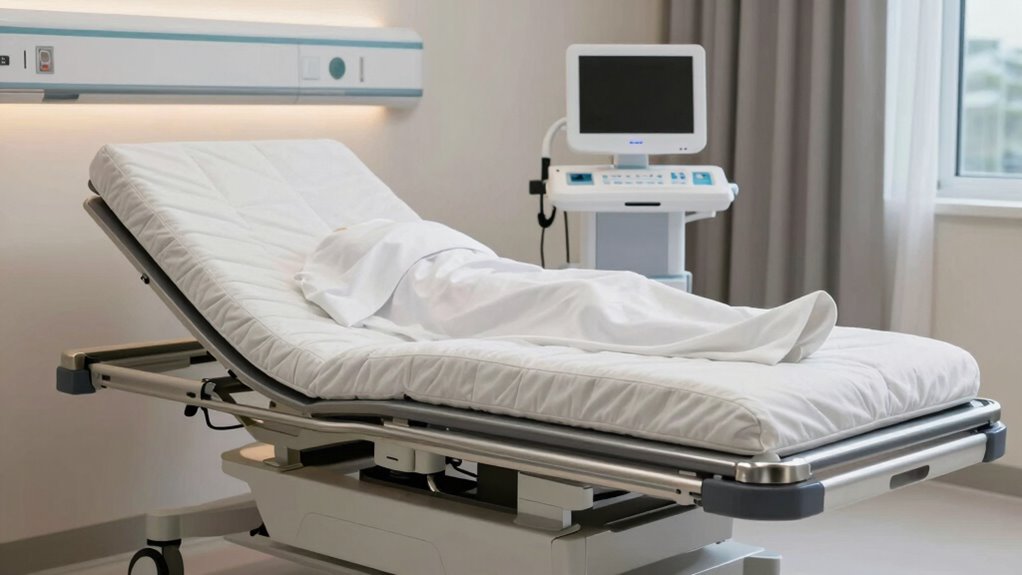

Choosing the right lateral rotation mattress system for a bed-bound person requires balancing pressure relief, ease of use, and cost. The Invacare microAIR MA900 stands out for its advanced alternating pressure and lateral rotation features, making it ideal for those at medium-high risk of pressure sores. Meanwhile, the Premium 10-Function Hospital Bed offers versatile adjustability and comfort, suited for comprehensive care in both hospital and home settings. Both options have their tradeoffs: the Invacare system provides specialized therapy but can be complex and pricey, while the hospital bed offers broad functionality at a higher weight and setup complexity. Here’s a detailed comparison to help you decide which best fits your needs.

Turn quiet afternoons into listening time
- Thousands of audiobooks, podcasts and originals
- Listen on your phone, tablet or Echo — also offline
- Cancel anytime
Complete the kit


Key Takeaways
- The Invacare MA900 excels in pressure redistribution and skin microclimate management, making it ideal for pressure sore prevention.
- The hospital bed provides a wider range of adjustable functions, suitable for comprehensive support and comfort.
- Both systems require power and may need professional setup, representing a tradeoff for advanced features.
- Price and complexity vary significantly, so budget and caregiver availability influence the best choice.
- Understanding the specific needs of the user—whether pressure management or full mobility support—is key to selecting the right system.
| Invacare microAIR Lateral Rotation Low Air Loss Mattress System, 600 lb. Capacity, MA900 |  | Best Overall for Pressure Relief and Skin Care | Weight Capacity: 600 lbs | Cycle Time: Set or adjustable | Number of Comfort Settings: 10 | VIEW ON AMAZON | See Our Full Breakdown |
| Premium 10-Function Full Electric Hospital Bed with Lateral Tilting for Home Use |  | Best for Versatile Support and Comfort | Maximum weight capacity: 550 lbs | Backrest adjustment: 0–70° | Knee lift adjustment: up to 155° | VIEW ON AMAZON | See Our Full Breakdown |
| lateral rotation mattress system for bed bound | Weight Capacity | Cycle Time | Number of Comfort Settings | Lateral Rotation Degrees |
|---|---|---|---|---|
| Invacare microAIR Lateral Rota | 600 lbs | Set or adjustable | 10 | 20 or 40 |
| Premium 10-Function Full Elect | — | — | — | — |
More Details on Our Top Picks
Invacare microAIR Lateral Rotation Low Air Loss Mattress System, 600 lb. Capacity, MA900
The Invacare MA900 is designed for individuals at medium-high risk of pressure sores, combining alternating pressure therapy with lateral rotation. It stands out for its effective pressure redistribution and ability to manage skin microclimate, crucial for preventing skin breakdown. The system features adjustable cycle times and two lateral rotation options—20 or 40 degrees—which helps reduce prolonged pressure points and shear forces. Compared to simpler alternating mattresses, this one offers a higher weight capacity of 600 lbs and safety measures like a cell-in-cell design to prevent bottoming out during power outages. However, its setup can be complex, often requiring caregiver assistance, and its price might be prohibitive for some users. It’s best suited for users needing targeted pressure therapy with a focus on skin health, but not ideal if simplicity or budget are primary concerns.
Pros:- Effective pressure redistribution reduces risk of ulcers
- Lateral rotation enhances pressure relief and shear prevention
- Adjustable comfort and cycle settings for personalized therapy
- Safety features prevent bottoming out during power failure
Cons:- Setup complexity may require professional help
- Higher cost compared to basic pressure mattresses
- Requires continuous power source
Best for: Individuals at risk of pressure sores needing targeted pressure relief and skin protection.
Not ideal for: Caregivers seeking a quick, plug-and-play solution or those with limited budget.
- Weight Capacity:600 lbs
- Cycle Time:Set or adjustable
- Number of Comfort Settings:10
- Lateral Rotation Degrees:20 or 40
- Material:Quilted nylon top cover
- Safety Features:Cell-in-cell design
Our verdict“A top-tier choice for pressure sore prevention that balances advanced therapy with safety, best for users at medium-high risk of skin breakdown.”
Premium 10-Function Full Electric Hospital Bed with Lateral Tilting for Home Use
This full electric hospital bed offers a comprehensive range of adjustments—backrest, knee lift, leg drop, and tilt—making it highly adaptable for various care needs. It’s ideal for users who require full-body support or those recovering from surgery, thanks to its multiple adjustable functions. The bed pairs with a 3-inch thick memory foam mattress and features a quiet motor for smooth operation. Lockable casters improve mobility, making it suitable for both hospital and home environments. Compared with the Invacare system, this bed provides broader support options but comes with a higher weight (due to its metal frame and motorized parts). Its complex setup and cost may be barriers for some, especially if only lateral rotation is needed. Still, it excels for caregivers wanting a multi-functional system capable of supporting a wide range of needs beyond pressure relief.
Pros:- Multiple adjustable functions for personalized positioning
- Quiet, smooth motor with lockable mobility
- Ideal for complex rehabilitation or recovery needs
- Supports various care environments
Cons:- Setup may require professional installation
- Higher price point reflecting advanced features
- Heavy and bulky, challenging for repositioning
Best for: Caregivers and users needing full body positioning, support, and comfort in hospital or home settings.
Not ideal for: People seeking a specialized pressure relief system solely for skin health or with limited space for a large bed.
- Maximum weight capacity:550 lbs
- Backrest adjustment:0–70°
- Knee lift adjustment:up to 155°
- Leg drop:15°
- Tilt function:0–45°
- Mattress thickness:3 inches
- Caster size:5 inches
Our verdict“An excellent choice for comprehensive care and support, especially for users who benefit from full mobility adjustments, though it may be more than needed solely for pressure management.”

How We Picked
Selection focused on systems specifically designed for lateral rotation in bed-bound individuals, prioritizing features like pressure relief, adjustable settings, safety, and ease of use. We compared products based on weight capacity, cycle options, comfort customization, safety features, and user feedback. Cost and setup complexity were also considered, ensuring recommendations suit both home and clinical environments. Our goal was to highlight options that balance therapeutic benefits with practical usability for caregivers and patients alike.
Factors to Consider When Choosing Lateral Rotation Mattress System For Bed Bound
Selecting a lateral rotation mattress system for a bed-bound person involves evaluating the specific care needs, safety features, and ease of use. Key considerations include pressure relief capabilities, the degree of lateral rotation, compatibility with existing bedding, and setup complexity. Whether prioritizing targeted skin protection or comprehensive support, understanding these factors helps ensure the chosen system delivers both comfort and clinical benefits.Pressure Relief and Skin Protection
If preventing pressure sores is your primary goal, focus on systems that provide alternating pressure therapy and lateral rotation. The Invacare MA900 excels here, offering microclimate management and safety features. For broader support, a hospital bed with multi-positioning can help reduce pressure by distributing weight more evenly across the body.
Ease of Use and Setup
Complex systems like the Invacare or full electric hospital beds often require professional installation and caregiver assistance. Simpler, non-electric options may be easier to manage but might lack advanced features. Consider your caregiver’s technical comfort and available support when choosing a system.
Cost and Durability
Expect to pay more for systems with advanced features like lateral rotation and multiple adjustments. The Invacare MA900 tends to be costly but offers specialized therapy, while the hospital bed, though expensive upfront, provides long-term versatility. Balance your budget with the level of support needed for optimal outcomes.
Frequently Asked Questions
What is lateral rotation in mattress systems?
Lateral rotation involves gently turning a person to their side, typically up to 40 degrees, to reduce pressure points and shear forces. This movement helps prevent pressure ulcers and enhances skin perfusion, especially important for bed-bound individuals at risk of skin breakdown.
Are these systems easy to set up at home?
Most advanced lateral rotation systems, especially those with motorized features, may require professional installation or caregiver assistance. Simpler models with manual controls are easier to manage but may lack the full therapeutic benefits of automated systems.
How do I know if a system is suitable for my needs?
Consider your primary goal—pressure sore prevention, full-body support, or mobility assistance. If skin health is the focus, specialized mattresses like the Invacare MA900 are ideal. For comprehensive positioning and comfort, a hospital bed with multiple functions may be more appropriate.
What safety features should I look for?
Safety features such as low-pressure alarms, cell-in-cell designs to prevent bottoming out during power failure, and stable construction are vital. These features help prevent accidents and ensure reliable operation during extended use.
Are these systems covered by insurance?
Coverage depends on your insurance provider and the specific medical necessity. Often, systems like pressure-relief mattresses are covered if prescribed by a healthcare professional, while full hospital beds may qualify for long-term care plans. It’s best to consult with your provider beforehand.
Conclusion
For caregivers prioritizing pressure ulcer prevention, especially for individuals at medium-high risk, the Invacare MA900 offers targeted therapy with safety features. Those seeking a versatile, all-in-one support system should consider the full electric hospital bed, particularly if full-body positioning and comfort are needed. Budget-conscious buyers or those with simpler needs might prefer basic alternating pressure mattresses or manual solutions, but these may lack the advanced features necessary for optimal skin health. Carefully match the system to the user’s specific health needs and your capacity to manage setup and maintenance.
Cold & flu season Picks
humidifiers
As an affiliate, we earn on qualifying purchases.