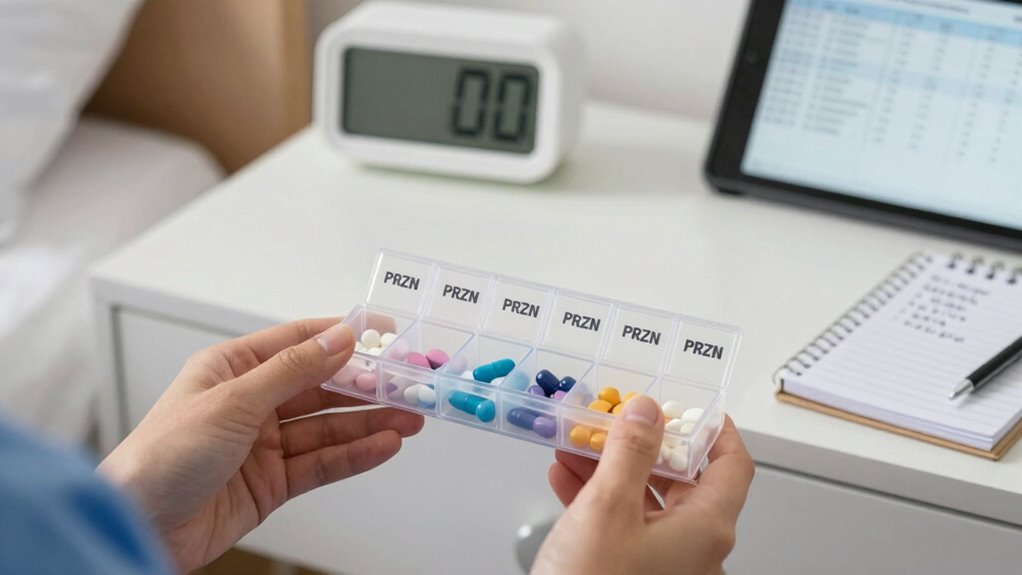

To track PRN medications without confusion, create a clear log that records each dose, including the date, time, and reason for administration. Use a consistent system, like a chart or digital app, to note when medication is given and why. Keep supplies organized and set reminders for doses. Monitoring side effects and communicating with healthcare providers also helps guarantee proper use. If you want more tips, keep going—you’ll find helpful strategies to stay organized and confident.

Turn quiet afternoons into listening time
- Thousands of audiobooks, podcasts and originals
- Listen on your phone, tablet or Echo — also offline
- Cancel anytime
Key Takeaways
- Use a dedicated medication log to record each PRN dose with date, time, and reason for administration.
- Set clear guidelines for when and why to give PRN meds, ensuring consistent decision-making.
- Employ reminders or alerts to track the timing of PRN doses and prevent overuse.
- Document side effects and effectiveness after each PRN dose for accurate communication with healthcare providers.
- Maintain organized medication supplies and routines to facilitate quick, accurate administration of PRN medications.
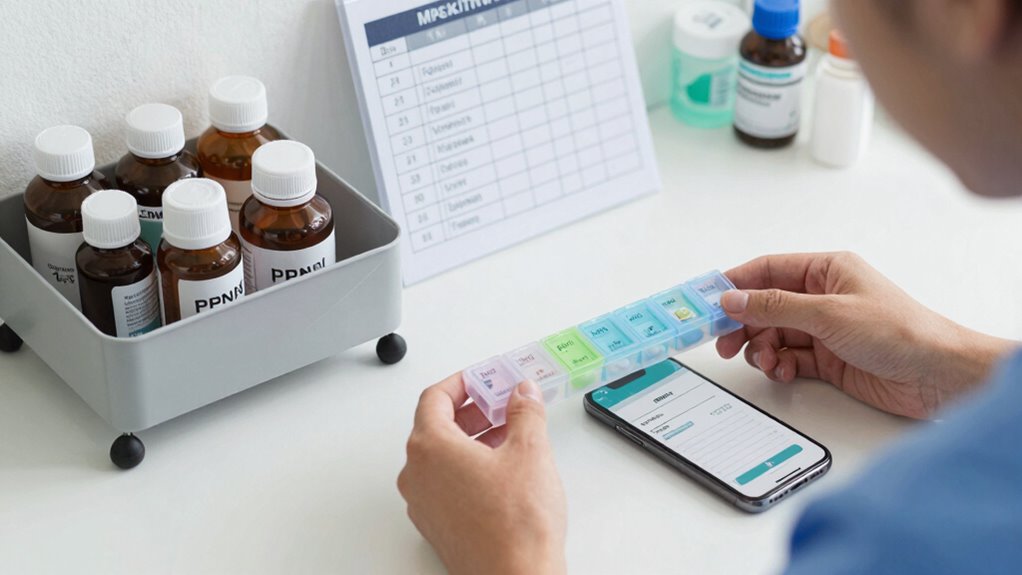
When caring for someone who relies on PRN (as-needed) medications, keeping accurate track of each dose is essential for safety and effective treatment. PRN medications are often used to manage symptoms like pain, anxiety, or nausea, but they require careful monitoring to prevent under- or overdosing. One common challenge is avoiding confusion about whether a dose has already been given, especially when multiple medications or symptoms are involved. To stay organized, you should create a simple system, like a medication log or chart, that records the date, time, and dose each time the medication is administered. This helps you quickly see what’s been given and when, reducing the risk of missed doses or accidental double dosing.
Keep a medication log to track PRN doses, ensuring safety and preventing missed or double doses.
It’s also important to be aware of medication side effects, which can vary from mild to serious. When administering PRN drugs, always observe the person for any adverse reactions. If side effects occur, note them in your log and inform the healthcare provider promptly. Recognizing side effects early can prevent complications and help determine if the medication needs a dosage adjustment. For example, if a person experiences excessive drowsiness or dizziness, you might need to consult the doctor about reducing the dose or switching medications. Learning about common side effects of each medication you manage empowers you to act quickly and make informed decisions, ensuring safety remains a priority.
Additionally, understanding how PRN medications are used in different situations can help you better anticipate when to administer them and monitor their effects more effectively. Proper medication management involves knowing the appropriate timing and circumstances for use, which can vary widely based on individual needs. Being familiar with the symptoms that indicate the need for medication can also help you respond promptly. Having a clear understanding of the medication schedules can help you avoid unnecessary doses and ensure timely relief. Using medication adherence tools such as pill organizers or digital reminders can greatly improve consistency and accuracy in medication administration. Dosage adjustment tips are invaluable when managing PRN medications. Sometimes, the initial dose isn’t effective or causes unwanted side effects. In these cases, it’s crucial to document any issues thoroughly and communicate with the healthcare provider. They might recommend a lower dose, a different medication, or a different timing to better suit the person’s needs. Never adjust medication doses on your own without consulting a healthcare professional; miscalculations can be dangerous. Instead, use your records to provide detailed feedback during appointments, helping the provider tailor the treatment plan. Regular communication and accurate documentation support optimal dosing, minimizing side effects while maintaining relief from symptoms.
Finally, stick to a routine that makes tracking easier. Set reminders or alarms if necessary, and keep all medication supplies organized in one place. This consistency helps you stay on top of doses and observe any changes in the person’s condition. By maintaining a detailed record, being vigilant about side effects, and working closely with healthcare providers, you can effectively manage PRN medications without confusion. Your attentiveness ensures safer medication use, better symptom control, and peace of mind for both you and the person you care for.
As an affiliate, we earn on qualifying purchases.
Frequently Asked Questions
How Should PRN Medication Records Be Stored Securely?
You should store PRN medication records in a secure, locked location to guarantee medication storage safety. Follow confidentiality protocols by restricting access to authorized caregivers only. Use encrypted digital records or locked physical files, and regularly update access logs. This way, you protect patient privacy while maintaining easy access when needed, reducing the risk of medication errors or breaches of confidentiality. Proper storage keeps both the patient and their information safe.
What Are Common Signs of Medication Errors in PRN Tracking?
You might notice missed doses, double dosing, or incorrect timing—clear signs of medication errors in PRN tracking. These issues threaten medication safety and highlight the need for error prevention strategies. Staying vigilant for inconsistent records, unexplained medication changes, or patient discomfort can help you catch mistakes early. Accurate documentation and regular reviews are essential to prevent errors and guarantee safe, effective medication management for your loved ones.
How to Handle Missed PRN Doses Effectively?
When a PRN dose is missed, follow your facility’s missed dose protocols immediately. Communicate clearly with the healthcare team to report the missed dose and understand the next steps. Keep detailed records of the missed administration, including time and reason. Guarantee your caregiver communication remains transparent and consistent, so everyone stays informed. Promptly addressing missed doses helps prevent medication errors and ensures the patient’s safety and effective symptom management.
Can Electronic Tools Integrate With Existing Healthcare Systems?
Yes, electronic tools can easily integrate with existing healthcare systems, ensuring seamless healthcare compatibility. You can connect medication tracking apps or digital records with electronic health records (EHRs), allowing real-time updates and reducing errors. This integration streamlines communication between caregivers and healthcare providers, making medication management more efficient. By choosing compatible electronic tools, you enhance accuracy, maintain thorough records, and improve overall patient care without the hassle of manual entries.
How Often Should Caregivers Review Medication Logs for Accuracy?
You should review medication logs regularly—ideally weekly—to guarantee medication timing stays precise and dosage adjustments are correctly documented. Consistent checks help catch errors early, prevent potential problems, and promote proper medication management. By maintaining meticulous monitoring, you support safe, sound care, staying on top of medication changes and ensuring that PRN medications are administered accurately and timely, reducing risks and reinforcing responsible caregiving.
Conclusion
By keeping a clear record, you become the steady lighthouse guiding your loved one safely through foggy waters. Each note you jot down is like a lighthouse beam, cutting through confusion and keeping everyone on course. Remember, your diligence is the anchor that keeps their well-being grounded. When you track PRN medications with care, you’re not just managing doses—you’re lighting the way to peace of mind and better health, one careful step at a time.
Fall Picks
fall essentials
As an affiliate, we earn on qualifying purchases.